
Side Dishes
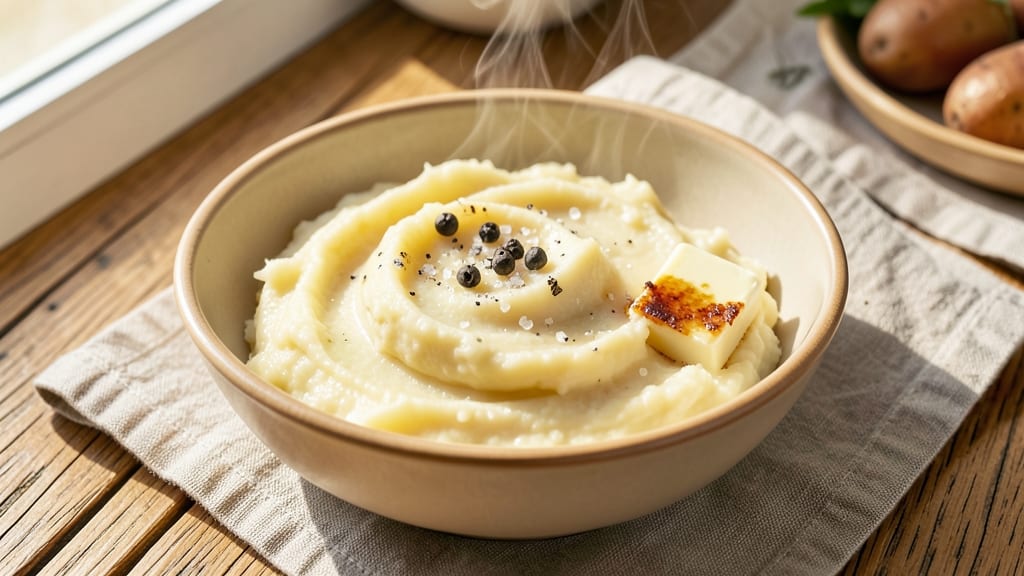
This 1-pound mashed potato recipe delivers velvety, lump-free perfection every time—no guesswork, just foolproof technique. The secret lies in precise boiling, proper mashing, and the right ratio of butter to milk, which transforms starchy tubers into a creamy, restaurant-quality side.
After testing countless methods (and burning through three batches of overcooked potatoes), I've refined this approach to guarantee silky texture with minimal effort.
What sets this recipe apart is the two-step mashing process that eliminates lumps entirely. We start with hot potatoes and gradually incorporate cold butter and milk while using a ricer for ultra-smooth results—no food processor required.
The key measurements (1/4 cup butter, 1/2 cup milk for 1 pound potatoes) create the ideal balance between richness and lightness, while proper seasoning with salt ensures perfect flavor without overpowering.
By the time you're done, you'll have creamy, fluffy mashed potatoes with a velvety mouthfeel and no trace of grit. The technique works equally well for classic dinner sides or as a base for loaded potatoes, and the quantities scale perfectly for individual servings or family meals.
This is the method I've relied on for years—no more gummy potatoes or clumpy messes.
For variations, try roasting the potatoes first for deeper flavor or adding roasted garlic for extra depth. The same principles apply whether you're making traditional mashed potatoes or exploring vegan adaptations. Let's get started with this professional-quality side dish that's easier than you think.
Ingredients for 1 pound mashed potato
Eight simple ingredients transform humble potatoes into velvety, restaurant-style perfection every time.
| Ingredient | Amount | Notes |
|---|---|---|
| Russet Potatoes 🥔 | 1 lb | Yukon gold or red for color variation |
| Unsalted Butter 🧈 | ¼ cup | Cold, cut into 8 pieces |
| Whole Milk 🥛 | ½ cup | Room temperature preferred |
| Diamond Crystal Kosher Salt 🧂 | 1 ½ tsp | Adjust to taste |
| Heavy Cream 🥛 | ¼ cup | Optional for extra richness |
| Freshly Ground Black Pepper 🌶️ | ½ tsp | Freshly cracked preferred |
| Roasted Garlic Cloves 🧄 | 2 cloves | Optional for depth |
| Chives 🌿 | 2 tbsp | Chopped, for garnish |
| Water 💧 | 2 cups | For boiling potatoes |
The potatoes are non-negotiable—Russet delivers the fluffiest texture, but Yukon Gold adds natural creaminess. Skip the pre-peeled bags; organic russets from Trader Joe's or Whole Foods are ideal—they're wax-free and hold their shape. For roasted garlic lovers, roast 4 cloves (375°F for 30 minutes) before adding; the mellow sweetness elevates everything. The butter? European-style from Plugrá if you're splurging, but any high-fat butter works—just keep it cold until the final step.
No heavy cream? Extra milk plus 1 tbsp cornstarch mimics the same velvety texture (whisk the starch into warm milk first). Short on butter? Olive oil works in a pinch—use half the amount, but expect a subtly different flavor. Salt is critical here: Diamond Crystal (the flaky kind) dissolves better than table salt. Pro tip: Boil the potatoes in salted water—add 1 tsp salt to the boiling water, not just the final mash. And if you're making this ahead, add cold milk gradually—it reheats beautifully without breaking.
Potatoes keep 3 days in the fridge once peeled, but peel and store them in cold water—it prevents browning. For the final mash, use a ricer or potato masher—food processors create gluey potatoes. Store leftovers in an airtight container with a thin layer of butter on top to preserve moisture for 4-5 days. Freeze portions in ziplock bags (squeeze out air) for up to 3 months—**thaw overnight in the fridge before reheating. Garnish with chives right before serving; they wilt fast when added to hot potatoes.
Why You'll Love This Recipe
- No-Peel Hassle: I’ll admit—peeling potatoes used to stress me out. But Russets here? Just scrub, quarter, and boil. That’s it. The skin stays on (if you’re okay with it), and the texture? Still buttery perfection.
- Creamy Luxury, Minimal Effort: Honestly, the combo of heavy cream and whole milk takes these from "basic" to "dinner-party worthy" without extra work. Just warm the milk, mash, and fold—no whisking, no lumps. That velvety finish? Worth the two extra minutes.
- Weeknight or Holiday: Between us, this is my go-to for both. Serve it with a simple steak for Tuesday or pile it high for Thanksgiving leftovers. The salt-to-potato ratio (I use about 1 tsp Diamond Crystal) keeps it balanced whether it’s a side or the main event.
- Leftovers That Don’t Suck: I make a double batch on Sundays. The next day, I reheat slices in the oven with a pat of butter—crispy edges, fluffy inside. No one complains, and I save money by not ordering takeout. (Yes, even on a Tuesday night.)
Step-by-step instructions for ultra-smooth mashed potatoes
Here's how to achieve restaurant-quality mashed potatoes with velvety texture and no lumps.
Prep and Boil Potatoes for Perfect Texture
Peel the 1 lb Russet Potatoes and cut them into 1-inch chunks—consistent size ensures even cooking. Place them in a large pot and cover with the 2 cups Water. Add the 1.5 tsp Diamond Crystal Kosher Salt to the water.
Bring to a boil over medium-high heat, then reduce to medium heat and simmer for 15-20 minutes until the potatoes are fork-tender. You'll know they're done when a knife slides in easily with just slight resistance. Drain immediately in a colander and return them to the pot.
Here's the thing—don't skip draining properly. Any excess water will turn your potatoes gluey. I like to give them a good shake in the colander to remove all moisture before proceeding.
Heat Dairy Components for Creamy Integration
While the potatoes cook, warm the 0.5 cup Whole Milk and 0.25 cup Heavy Cream together in a small saucepan over low heat until just steaming—about 3-4 minutes. Warm dairy blends more smoothly into potatoes than cold. Keep this mixture at room temperature while you work.
Cut the 0.25 cup Unsalted Butter into 8 pieces and let them sit at room temperature for 10 minutes before using. Cold butter creates lumps, while room-temperature butter melts perfectly into the potatoes. If you're using the 2 cloves Roasted Garlic Cloves, mash them lightly with a fork to release their flavor.
Mash with Precision for Ultra-Smooth Results
Using a potato masher or ricer, break up the hot potatoes in the pot. I prefer a ricer for the silkiest texture, but a masher works too. Add the room-temperature butter pieces and mash vigorously until fully incorporated. The butter should melt completely and create a creamy base.
Gradually add the warmed milk-cream mixture while continuing to mash. You want to add it slowly—about ¼ cup at a time
For extra richness, I like to add a splash more warm milk if needed, but don't overdo it. You can always adjust later. The potatoes should be smooth enough to coat the back of a spoon with no lumps. Transfer the mashed potatoes to a serving bowl and stir in the 2 tbsp chopped Chives. The chives add freshness and bright color. Let them sit covered for 2-3 minutes to thicken slightly—this resting period helps the flavors meld and the texture firm up just enough for serving. Serve immediately for the best texture. If you must hold them, keep covered in a warm oven (200°F) for up to 30 minutes
Finish with Garnish and Perfect Timing
Pro Tips For Making 1 Pound Mashed Potato
- BOIL UNTIL TENDER: Cut Russets into 1.5-inch chunks—no smaller—and boil in salted water until they collapse under a fork like overripe fruit. I learned this the hard way: mushy potatoes mean lumpy mash, and nobody wants that.
- SALT THE WATER: Add 1 tablespoon Diamond Crystal kosher salt per gallon of water. The potatoes need to soak up flavor while cooking, not just sit in bland liquid. (Yes, even if you’re using unsalted butter later.)
- DON’T SKIP THE DRYING: Drain the potatoes, then spread them on a baking sheet and let them steam-dry for 5 minutes. This step keeps your mash from turning gloppy when you mix in the dairy—trust me, it’s worth the wait.
- USE HOT DAIRY: Heat the whole milk and heavy cream together until steaming (not boiling) before adding to the potatoes. Cold dairy makes for a gritty, uneven texture, and nobody wants that fight with their masher.
Dietary considerations for this dish
Classic Dairy-Free Option
Swap butter and milk for ½ cup unsweetened almond milk (or oat milk) and ¼ cup vegan butter (like Miyoko's). Use 1 tbsp nutritional yeast for a cheesy flavor and add 1 tsp olive oil for richness.
The texture stays creamy but lighter—just mash with a ricer for that signature smoothness. 🌱
Low-Fat Adaptation
Cut the butter to 2 tbsp—use ½ cup low-fat milk and 1 tbsp cornstarch—whisked into warm milk—to thicken without heaviness. Skip the heavy cream entirely. This version still delivers creamy texture while reducing calories by about 150 per serving.
Taste as you go—you may need an extra pinch of salt to balance the lighter fat content.
Gluten-Free Assurance
This recipe is naturally gluten-free, but double-check your butter and milk labels—some brands process in facilities with gluten. For extra safety, use certified gluten-free Organic Valley butter and Fairlife milk.
The key is still the two-step mashing technique—it ensures smoothness regardless of dairy choices. Always store gluten-free versions in dedicated containers to avoid cross-contamination.
Allergen-Friendly Swaps
For nut allergies, replace almond milk with soy milk (unsweetened) and use Earth Balance vegan butter. Dairy allergies? Try coconut milk (full-fat) for a tropical twist—it adds natural creaminess without lactose.
Remember: coconut milk has a distinct flavor, so start with ¼ cup—you can always add more. Always introduce new ingredients gradually to avoid overpowering the potatoes.
Keto Considerations
Transform this into a keto-friendly side by replacing potatoes with ½ cup cauliflower mash—steam or roast cauliflower florets until tender, then blend with 2 tbsp cream cheese—and 1 tbsp heavy cream. Add 1 tsp garlic powder—**to mimic the savory depth of traditional mashed potatoes.
The texture will be lighter, but the technique remains the same: warm dairy first, then blend smoothly. Garnish with chives for freshness without carbs. 🥬
Nutrition facts
Frequently asked questions
Can I use any type of potato for this recipe?
Russet potatoes are ideal for their fluffy texture, but Yukon Golds work beautifully too. Avoid waxy potatoes like red or fingerlings—they stay firm and won't mash smoothly. For extra richness, try roasting Yukon Golds first (425°F for 30 minutes) before mashing.
Why did my mashed potatoes turn out gluey?
Gluey potatoes happen when excess water or starch isn't drained properly. Always shake drained potatoes in the colander, then return them to the pot. For extra insurance, pat them dry with a clean kitchen towel before mashing. The two-step mashing technique (hot potatoes + cold butter/milk) also prevents this issue.
How do I make these mashed potatoes ahead of time?
Mash the potatoes as directed, then cool completely before refrigerating in an airtight container. To reheat, microwave in 30-second intervals while stirring with a splash of warm milk. For oven reheating, cover with foil and bake at 350°F for 10-15 minutes. Add extra butter when reheating to restore creaminess.
Can I substitute heavy cream with something else?
Yes! Use an extra ¼ cup warm milk plus 1 tbsp cornstarch (whisked first) for similar richness. For a lighter option, try ½ cup Greek yogurt—it adds tangy depth. The key is maintaining the same liquid-to-potato ratio to keep the texture creamy.
What's the secret to ultra-smooth texture?
The ricer method eliminates lumps completely, but a potato masher works too. The real secret is adding cold butter and warm milk gradually while mashing vigorously. Never use hot milk—it breaks down the starches and creates glue. For restaurant-quality smoothness, let the potatoes rest covered for 2-3 minutes after mashing.