
Side Dishes
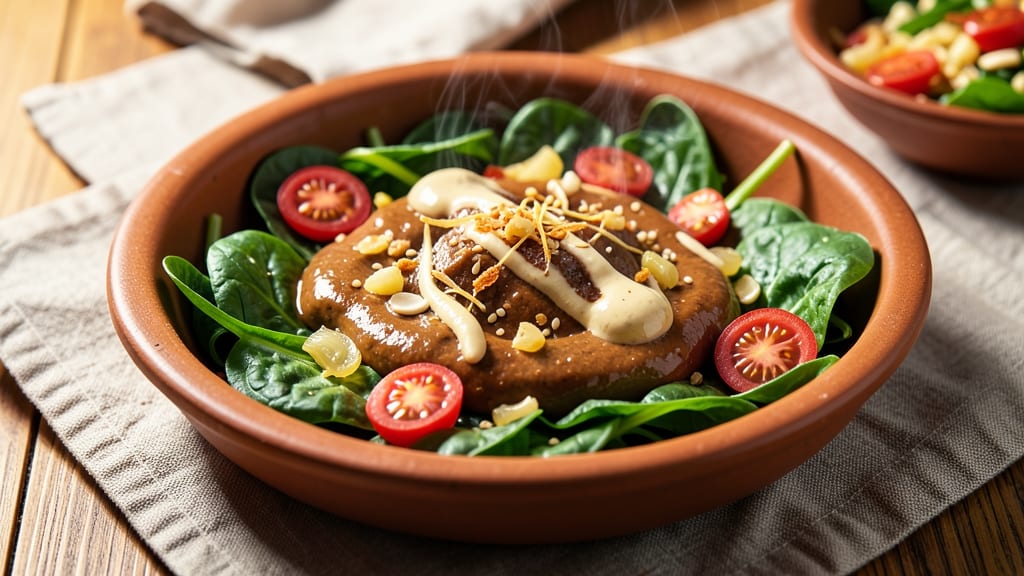
This West African-inspired African potato leaves recipe transforms humble greens into a rich, peanut-infused stew that carries the soul of Cameroon's kitchen tables.
The secret lies in slow-cooked tomatoes and onions that build a deep, savory base before the leaves wilt into velvety submission—each bite carries layers of earthy, nutty complexity.
I first discovered this dish during a visit to Douala, where it was served alongside grilled fish, and it quickly became my go-to for hearty, flavor-packed sides that feel like a hug in a bowl.
The beauty of this recipe is its versatility—it works as a standalone vegetarian dish or pairs perfectly with grilled meats, fish, or even plant-based proteins like chickpeas.
The peanut butter adds a signature depth that sets it apart from typical greens recipes, while the blend of spices (ginger, garlic, and a touch of cayenne) creates a warmth that lingers.
What makes this recipe truly special is how the leaves transform from bitter to tender, absorbing every layer of flavor like a sponge.
By the time you finish cooking, you'll have a restaurant-quality stew with vibrant green leaves floating in a thick, aromatic sauce that's both comforting and sophisticated.
The texture is where the magic happens—silky leaves with just enough bite, all clinging to a sauce that's creamy yet balanced by the bright acidity of tomatoes. This isn't just a side dish; it's a flavor experience that belongs at the center of your table.
Whether you're serving it alongside grilled tilapia, fried plantains, or even as a hearty lunch with crusty bread, this recipe delivers authentic West African flavors that are impossible to resist.
The best part? It's simple enough for weeknights but impressive enough for guests—proof that bold flavors don't require complicated techniques. Let's get cooking!
Ingredients for african potato leaves
Peanut butter meets West African greens in this hearty, restaurant-worthy stew.
| Ingredient | Amount | Notes |
|---|---|---|
| African Potato Leaves (Spinach) 🌿 | 10 oz | Fresh, stems removed |
| Peanut Butter 🥜 | ½ cup | Natural, unsweetened preferred |
| Canned Tomatoes 🍅 | 1 can | 14.5 oz, San Marzano if available |
| Yellow Onions 🧅 | 1 whole | Medium-sized, diced |
| Garlic Cloves 🧄 | 4 cloves | Fresh, minced |
| Fresh Ginger 🌿 | 1 tbsp | Grated, fresh preferred |
| Vegetable Oil 🫒 | 2 tbsp | For sautéing |
| Red Cayenne Pepper 🌶️ | ¼ tsp | Adjust for heat preference |
| Ground Black Pepper 🌶️ | ½ tsp | Freshly ground preferred |
| Salt 🧂 | 1 tsp | Kosher or sea salt |
| Water 💧 | 1 cup | For thinning sauce |
| Lemon Juice 🍋 | 1 tbsp | Freshly squeezed |
| Green Bell Pepper 🌶️ | ½ whole | Optional, sliced |
The peanut butter is non-negotiable here—natural, unsweetened gives the best depth. Trader Joe's or Whole Foods carry great brands in bulk. Skip the sweetened kind, which can overpower the dish. For the leaves, African potato leaves (also called spinach) are ideal, but regular baby spinach works in a pinch. Just make sure they're fresh—no wilted or yellowing leaves. The tomatoes? San Marzano if you want that sweet, rich flavor, but any good-quality canned tomatoes will do. The onions and garlic are your flavor anchors, so don't skimp on freshness—both should smell vibrant, not dull.
No peanut butter? Peanut powder at half the amount works, but the texture will be different. Fresh ginger too expensive? Ground ginger at one-third the amount gets you close, though fresh is worth the extra few bucks. The green bell pepper is optional, but if you add it, remove the seeds and ribs first—they can make the sauce bitter. For heat, cayenne powder is fine if you don't have flakes, but adjust to taste. The lemon juice brightens everything up, so don't skip it—fresh is best, but bottled works in a bind. Want more richness? Add a splash of coconut milk at the end.
This stew tastes even better the next day—make a double batch if you're feeding a crowd. Keeps in the fridge for 4-5 days, or freeze for 3 months. For freezing, let it cool completely first, then portion into airtight containers. Reheat gently on the stove with a splash of water to restore that silky texture. The leaves will wilt again, but that's normal—just stir until everything's warm. Serve with crusty bread or grilled plantains for the full experience.
Why You'll Love This Recipe
- Pantry Magic: I swear by this one—no fresh herbs, no fancy prep. The canned tomatoes and peanut butter give it that deep, rich base while the onions and garlic sizzle in minutes. Honestly, it’s the kind of dish where you’re done before the kids even realize dinner’s happening.
- Peanut Butter Power: That first spoonful of peanut butter into the pan? Instant flavor bomb. It’s not just sweet—it’s nutty, slightly bitter, and when it caramelizes with the tomatoes, it’s like a little party in your mouth. My daughter still sneaks bites from the pot.
- Weeknight Wonder: This is my go-to when I’m exhausted but need something hearty. Toss in the African potato leaves (wilted in 5 minutes) and you’ve got a meal that feels fancy but takes less time than ordering takeout. (Yes, even on a Tuesday night.)
- Budget-Friendly Staples: Canned tomatoes, onions, and peanut butter? Check. That’s three ingredients that last forever and cost pennies. The leaves add freshness without breaking the bank, and leftovers? They taste just as good reheated the next day—no sad, mushy greens here.
Step-by-step instructions for African potato leaves stew
This rich, flavorful stew brings West African comfort to your kitchen with just a few simple steps.
Prepare the Base with Onions and Aromatics
Heat the 2 tablespoons vegetable oil in a medium pot over medium heat. Add the diced 1 whole yellow onions and cook for 5-6 minutes until softened and translucent. Here's where the magic begins—you'll see the onions release their natural sweetness and turn a beautiful golden hue.
Add the minced 4 cloves garlic cloves and grated 1 tablespoon fresh ginger. Cook for another 1-2 minutes until fragrant. The garlic should smell pungent and the ginger should release its warm, citrusy aroma. This aromatic base forms the flavor foundation for your entire dish, so take your time here and don't rush the cooking process.
Build the Peanut Sauce
Reduce the heat to low and gradually whisk in the 0.5 cup peanut butter using a wooden spoon or silicone spatula. Start with small amounts to prevent clumping, and keep stirring until completely smooth. The sauce will thicken as it incorporates, creating a rich, nutty base that's characteristic of West African cuisine.
Add the 1 can canned tomatoes, breaking them up with your spoon as you pour. Stir in the 0.25 teaspoon red cayenne pepper, 0.5 teaspoon ground black pepper, and 1 teaspoon salt. Bring the mixture to a gentle simmer for 5 minutes, allowing all the flavors to meld together. You'll notice the sauce deepening in color and becoming more aromatic—this is when the true flavor profile develops.
Incorporate the Vegetables and Simmer
Add the 10 oz African potato leaves (spinach) to the pot. Stir gently to wilt the leaves slightly as they incorporate into the sauce. If using, add the sliced 0.5 whole green bell pepper at this stage. The spinach will continue to soften as it cooks, releasing its earthy flavor into the rich peanut base.
Pour in the 1 cup water and bring the mixture to a gentle simmer. Cover the pot and cook for 10-12 minutes until the spinach is tender but still vibrant in color. The sauce should thicken slightly as the liquid reduces, creating a perfect consistency that coats the back of a spoon. If it becomes too thick before the spinach is tender, add a splash of water to loosen it.
Finish with Lemon Juice and Adjust Seasoning
Remove the pot from heat and stir in the 1 tablespoon lemon juice. This bright citrus note cuts through the richness of the peanut butter and adds a refreshing contrast to the dish. Taste and adjust the seasoning if needed—you might want to add a pinch more salt or cayenne pepper to suit your taste preferences.
Let the stew sit covered for 5 minutes to allow the flavors to fully meld together. The lemon juice will infuse throughout, creating a harmonious balance of rich, spicy, and tangy flavors. This resting period is crucial for developing the depth of flavor that makes this dish so special.
Serve Warm with Your Favorite Sides
Ladle the stew into bowls and serve immediately while warm. The vibrant green of the African potato leaves will contrast beautifully with the rich peanut sauce. This dish pairs wonderfully with steamed rice, fufu, or yams to soak up the flavorful sauce. The combination of textures and flavors makes each bite satisfying and full of West African character.
Don't forget to taste as you go—this is where you can adjust the heat or richness to perfectly suit your palate. The beauty of this recipe lies in its flexibility, allowing you to create a dish that's both comforting and excitingly flavorful.
Pro Tips For Making African Potato Leaves
- Wilt Leaves Low and Slow: African potato leaves (spinach) release bitterness when overcooked—so simmer them on medium-low heat with just a splash of water, stirring every 30 seconds. I learned this the hard way after making my first batch taste like overcooked kale. Cover the pot for the last 2 minutes to soften them faster without wilting them to mush.
- Toast Peanut Butter First: Bloom the peanut butter in a dry pan for 30 seconds before adding other ingredients—it deepens the flavor and prevents that raw, chalky aftertaste. Skip this, and your sauce will taste like peanut butter was an afterthought. (Yes, even if you're impatient like me.)
- Blend Tomatoes Until Smooth: Rough chunks of canned tomatoes make the sauce look lazy—pulse them in a blender until completely smooth before adding to the pot. After burning three batches with uneven textures, I finally realized this is the thing that matters most for a velvety finish.
- Sauté Onions Until Golden: Cook the onions until they’re deep golden, not just translucent—this builds the base flavor that carries the whole dish. I was skeptical until I tried it; now I double-check for that caramelized color before moving on. (Your future self will notice the difference.)
Serving suggestions for this dish
West African Staples
Serve this stew alongside fufu—a staple in Cameroon and Nigeria made from cassava or plantains. The doughy, stretchy texture soaks up the peanut sauce beautifully. I always make a batch of fufu when preparing this dish, as it’s traditionally served together.
For a quicker option, steamed white rice works perfectly, especially if you’re short on time. 🌱
Protein Pairings
This dish shines when paired with grilled or fried proteins. Grilled tilapia or fried plantains are classic choices in West African cuisine. For a vegetarian option, black-eyed peas or tofu add hearty texture.
I’ve also served it with shredded chicken for a complete meal that feels restaurant-worthy. The peanut sauce complements all these proteins beautifully.
Bread and Sides
Crusty whole wheat bread or injera (Ethiopian sourdough flatbread) are fantastic for mopping up the rich sauce. If you’re feeling adventurous, try yams or sweet potatoes roasted alongside.
The natural sweetness of these root vegetables balances the earthy flavors of the stew. For a lighter touch, a simple mango salad adds freshness to the meal.
Drink Recommendations
A cold hibiscus tea (like Nigerian zobo) or mango ginger beer complements the dish’s spicy-sweet profile. For something lighter, sparkling water with lime keeps the palate clean. If you prefer alcohol, a light lager or dry white wine like Sauvignon Blanc cuts through the richness.
I always reach for a refreshing drink when serving this hearty stew. 🍹
Garnish for Freshness
Top your serving with chopped cilantro or scallions for a bright, fresh finish. A sprinkle of toasted peanut powder adds crunch and enhances the nutty flavor.
For heat lovers, a dash of crushed red pepper flakes on top keeps the spice alive. These garnishes elevate the dish without overpowering its natural flavors.
Meal Prep Tips
This stew tastes even better the next day, making it perfect for meal prep. Store leftovers in an airtight container in the fridge for up to 4 days. Reheat gently on the stove with a splash of water to restore the silky texture.
For freezing, portion into quart-sized containers and thaw overnight in the fridge before reheating. The flavors deepen over time, so it’s a great make-ahead dish for busy weeks. ✨
Nutrition facts
Frequently asked questions
Can I substitute African potato leaves with regular spinach?
Yes, you can use regular baby spinach in a pinch, but the flavor will be milder. African potato leaves have a distinct earthy taste that pairs perfectly with the peanut sauce. If using spinach, reduce the cooking time to 8-10 minutes since it wilts faster than African potato leaves.
What’s the best way to store leftovers?
Store in an airtight container in the fridge for up to 4 days. For freezing, portion into quart-sized containers and thaw overnight in the fridge. Reheat gently on the stove with a splash of water to restore the silky texture. The flavors actually deepen over time!
Can I make this recipe without peanut butter?
Yes, but the dish will lose its signature West African depth. Use peanut powder at half the amount or substitute with 1 tablespoon tahini or coconut milk for a similar richness. The sauce will be less creamy, but still flavorful.
How do I adjust the heat level?
Start with the 0.25 teaspoon cayenne pepper and adjust to taste. For more heat, add extra cayenne or crushed red pepper flakes. If you prefer mild heat, reduce or omit the cayenne entirely. The lemon juice also brightens the spice, balancing the flavors.
What’s the best way to serve this dish?
Pair it with fufu, steamed rice, or grilled fish for an authentic experience. The peanut sauce soaks perfectly into doughy sides like fufu, while rice or bread helps balance the richness. For a complete meal, add shredded chicken or black-eyed peas.