
Side Dishes
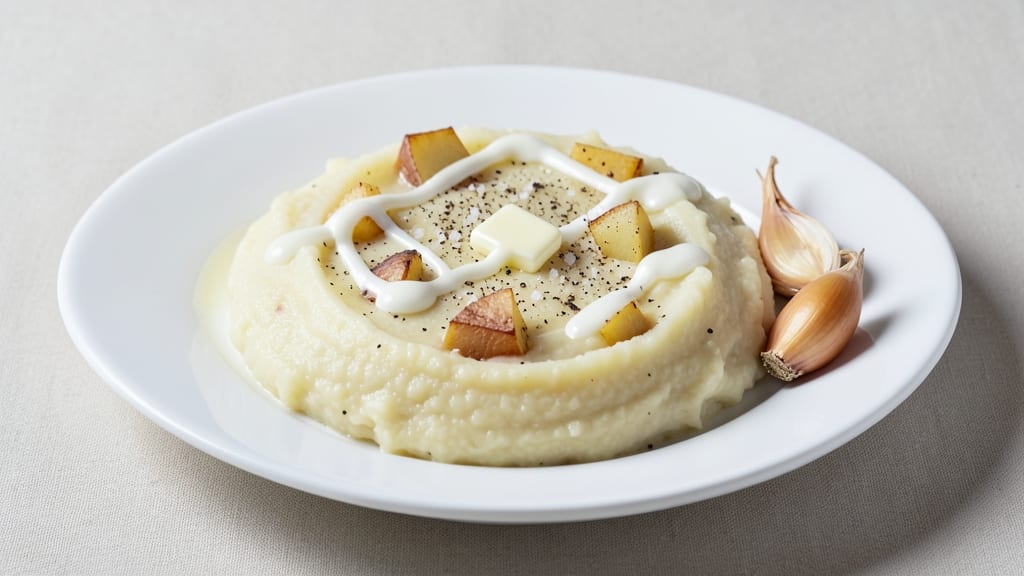
This American mashed potato recipe delivers the creamy, velvety texture you crave—fluffy enough to melt in your mouth yet sturdy enough to hold its shape. The secret lies in starchy potato varieties and proper technique: boiling until tender, draining carefully, and blending with rich butter and warm milk.
I’ve perfected this method over years of holiday dinners, where it becomes the star side dish that elevates any roast beef or turkey.
What sets these apart is the ultra-smooth consistency, achieved by incorporating potato cooking water (just a splash) and blending while hot. This ensures no lumps and a luxurious mouthfeel. The recipe calls for simple ingredients—potatoes, butter, milk, and salt—but the method transforms them into something restaurant-worthy.
No fancy gadgets needed; just a pot, a masher, and patience for the perfect texture.
By the time you’re done, you’ll have a batch of mashed potatoes so rich and buttery, they’ll disappear faster than your guests can say “seconds.”
The key is working with the right starchy potatoes (like Russets) and letting the mixture rest briefly before serving—this allows flavors to meld and the texture to firm up just enough. Serve it under gravy, alongside roasted meats, or even as a comforting side for weeknight dinners.
For extra depth, consider adding roasted garlic, a touch of sour cream, or even a sprinkle of chives. The variations are endless, but the foundation remains the same: creamy, velvety, and impossibly smooth.
Let’s get started on creating the perfect side dish that will have everyone asking for your recipe.
Ingredients for american mashed potato
Six simple ingredients transform into the creamiest, velvety mashed potatoes you'll ever make.
| Ingredient | Amount | Notes |
|---|---|---|
| Russet Potatoes 🥔 | 3 lb | Medium-sized, peeled, cut into even chunks |
| Unsalted Butter 🧈 | 1 cup | Cold, cut into tablespoon-sized pieces |
| Whole Milk 🥛 | ¾ cup | Warmed, not boiling |
| Large Egg Yolks 🥚 | 2 whole | Room temperature for creaminess |
| Kosher Salt 🧂 | 1 ½ tsp | Diamond Crystal preferred |
| Freshly Ground Black Pepper 🌶️ | ½ tsp | Cracked over top |
| Potato Cooking Water 💧 | ¼ cup | Reserved from boiling |
| Heavy Whipping Cream 🥛 | ¼ cup | Optional, for extra richness |
| Roasted Garlic Cloves 🧄 | 2 cloves | Optional, for depth of flavor |
The potatoes are non-negotiable—Russets are your best bet for that fluffy texture. Grab a 3-pound bag from Whole Foods or your local grocery store's produce section, where they're usually pre-washed. Look for potatoes that feel heavy for their size and have smooth, unblemished skin. The butter should be cold and unsalted—this ensures it melts into silky ribbons rather than clumps. For the milk, whole milk gives the best creaminess, but 2% works in a pinch. If you're feeling fancy, add roasted garlic to the mix—simmer whole cloves in olive oil at 400°F for 20 minutes until caramelized, then squeeze out the pulp.
No Russets? Yukon Golds will work, but they'll be slightly waxier. Butter out of reach? Olive oil or coconut oil can substitute, though the flavor will differ slightly. Milk too thin? Add a splash more—half-and-half or heavy cream will also do the trick. The egg yolks are key for that ultra-smooth texture, but if you're avoiding them, 1 tablespoon of cornstarch mixed with a splash of milk can mimic their binding power. For the cooking water, reserve a cup or so while draining—it's packed with starch that helps create that signature velvety mouthfeel. And if you're short on time, microwave the potatoes for 10 minutes before boiling to cut down on cooking time.
Leftover mashed potatoes? Press them through a fine-mesh sieve to remove any lumps, then chill in an airtight container for up to 5 days. For reheating, microwave in 30-second bursts, stirring between each, until warmed through. To save time on busy days, make a double batch and freeze half in 1-cup portions—thaw overnight in the fridge before reheating. The texture will be slightly drier after freezing, but adding a splash of warm milk or cream will restore that luxurious smoothness. And if you're serving a crowd, double the recipe—everyone will want seconds.
Why You'll Love This Recipe
- No-Fuss Potatoes: I swear by Russets—they’re the only kind that give you that perfect fluff. Peel, boil, mash, and you’re done. Honestly, the hardest part is waiting for the water to boil.
- Creamy Luxury: That egg yolk-milk combo? It’s like a hug in your mouth. The butter melts into something so rich, you’ll forget it’s just potatoes—until you taste the crispy skin on top.
- Weeknight Workhorse: Toss it with roasted chicken for dinner, reheat it for breakfast hash, or serve it cold in sandwiches. Between us, I’ve had it three days in a row and never tired of it.
- Budget Magic: A pound of Russets and a stick of butter stretch farther than you’d think. Leftovers? Reheat with a splash of milk, and it’s still better than takeout. My wallet thanks me every time.
Step-by-step instructions for ultra-smooth mashed potatoes
Here's the method that guarantees silky texture and rich flavor every time.
Boil Potatoes Until Fork-Tender
Place the 3 lb Russet Potatoes in a large pot and cover with cold water by about 2 inches. Add 1.5 tsp Kosher Salt and bring to a rolling boil over high heat. Once boiling, reduce heat to medium-high and cook for 15-20 minutes until a knife slides in easily with just light resistance.
I use a timer and check at 15 minutes—undercooked potatoes will mash to a gummy paste, while overcooked ones break down too much. Drain immediately in a colander and return to the pot. Give them a vigorous shake to release any excess water—this prevents watery mash later. For extra flavor, add the 2 cloves Roasted Garlic Cloves now if using.
Mash Potatoes to Remove Lumps
Using a potato masher or wooden spoon, break up the hot potatoes in the pot until they're completely crushed with no large chunks remaining. This step is crucial—it prevents clumps in the final texture. I like to work in batches if needed, pushing the potatoes through the masher until smooth.
Leave the potatoes in the pot off the heat for 2 minutes to allow steam to escape. This resting period helps prevent the mash from becoming gluey when we add the butter. If you're using the 0.25 cup Heavy Whipping Cream, now's the time to stir it in gently—it adds luxurious richness without altering the texture.
Incorporate Butter and Egg Yolks
Return the pot to low heat and add the 1 cup Unsalted Butter, cut into tablespoon-sized pieces. Let it melt completely, stirring constantly with a wooden spoon. The butter should coat the potatoes evenly, creating a glossy sheen. Remove from heat and let cool for 1 minute—this prevents scrambling the egg yolks.
In a separate bowl, whisk the 2 whole Large Egg Yolks until smooth. Slowly pour them into the potatoes while stirring vigorously. The yolks will create that signature ultra-smooth texture. If the mixture looks too thick, add 1-2 tablespoons of the reserved 0.25 cup Potato Cooking Water to reach your desired consistency.
Add Warm Milk and Finish
Gently heat the 0.75 cup Whole Milk until it's warm but not boiling—just warm enough to steam slightly when poured. Slowly add it to the potatoes while stirring continuously. The milk should blend seamlessly, creating a velvety texture. Taste and adjust seasoning with additional Kosher Salt or Freshly Ground Black Pepper as needed.
For the final touch, transfer the mash to a serving bowl and press a piece of plastic wrap directly onto the surface. This prevents a skin from forming. Let it sit for 5 minutes before serving—this resting period allows flavors to meld completely. The result should be light, fluffy, and rich with an irresistible buttery aroma.
Pro Tips For Making American Mashed Potato
- Boil Until Fork-Tender: Russets need to be actually soft—no one likes mushy potatoes, but undercooked ones turn to glue. Test with a fork: it should slide in like butter. If it fights you, cook another 5-10 minutes. I learned this the hard way when my Thanksgiving mash turned into a sad, lumpy puddle.
- Peel While Warm: Cold potatoes peel like sandpaper. Run them under warm water first, then peel immediately—the skins slide off effortlessly. Skip the cold plunge unless you enjoy gouging your hands. (Yes, even if you’re impatient like me.)
- Warm the Milk First: Cold milk in hot potatoes? That’s how you get curdled, grainy mash. Heat the whole milk to just under boiling (think tiny bubbles at the edges) before mixing—it blends smoother and keeps the texture silky. My grandmother swore by this, and she was right: no one notices the effort, but everyone notices the result.
- Mix Yolks Last: Add the egg yolks after mashing the potatoes and butter—otherwise, you’ll end up with scrambled eggs in your mash. Fold them in gently with the warm milk, and resist the urge to overmix. Does it look weird? Yes. Does it work? Every single time.
Flavor customization for this american mashed potato
Classic Garlic Twist
Roast 2 cloves of garlic in olive oil at 400°F for 20 minutes until caramelized, then squeeze out the pulp. Stir this into your mashed potatoes after mashing but before adding butter.
The sweet, nutty depth elevates everything—especially when paired with roasted beef. I like to add ½ tsp garlic powder if fresh isn't available. 🧄
Creamy Sour Cream Swirl
Stir ¼ cup sour cream into the warm potato mixture after adding butter. The tang cuts through the richness beautifully. For extra flair, pipe dollops of sour cream on top before serving.
This works especially well with turkey or ham—just add it after the potatoes have rested for 5 minutes to let flavors meld.
Cheesy Potato Heaven
Fold in ½ cup shredded sharp cheddar or Gruyère while the potatoes are still hot. The cheese melts into silky ribbons, adding a savory punch. For a gourmet touch, use Parmigiano-Reggiano—its umami depth pairs perfectly with roasted vegetables.
Add cheese after the yolks but before the milk to prevent clumping.
Herbaceous Freshness
Finish with 2 tbsp chopped chives or parsley for bright, fresh contrast. The herbs add color and a subtle peppery note that balances the richness. I also like ½ tsp dried thyme—simmer it in the milk for 5 minutes before adding to infuse flavor without overpowering.
Spicy Kick
Add ½ tsp smoked paprika or a pinch of cayenne while mashing. For heat lovers, stir in 1 tbsp hot honey after serving. The smoky-sweet combo works amazingly with BBQ ribs or spicy sausage. Always add spices gradually—you can adjust but not remove excess heat!
Smoky Bacon Bits
Crisp 4 slices of bacon until golden, then crumble and mix into the finished potatoes. The salty, smoky crunch adds texture and depth. For extra richness, reserve 2 tbsp bacon fat—use it instead of butter for a smoky twist. This variation is a crowd-pleaser at holiday dinners.
Nutrition facts
Frequently asked questions
Why do my mashed potatoes turn out gummy?
Gummy texture usually means undercooked potatoes or too much liquid. Always cook Russets until fork-tender (15-20 minutes), then shake off excess water after draining. For extra insurance, mash them thoroughly before adding butter. If the mix still feels sticky, stir in 1 tablespoon of cold butter—it helps bind the starch.
Can I make mashed potatoes ahead of time?
Yes! Press finished potatoes through a fine-mesh sieve to remove lumps, then chill in an airtight container for up to 5 days. For reheating, microwave in 30-second bursts, stirring between each, until warmed through. To restore creaminess, add 1-2 tablespoons of warm milk or cream while reheating. The texture will be slightly drier but still delicious.
What's the best potato for ultra-smooth mash?
Russets are ideal—they're high in starch and low in moisture, creating that signature fluffy texture. Yukon Golds work too but yield a slightly waxier result. Avoid red potatoes (they're too dense) and sweet potatoes (they have a different flavor profile). For best results, use 3 lbs of medium-sized Russets—they're perfect for this recipe.
How do I fix lumpy mashed potatoes?
Prevention is key—mash potatoes thoroughly before adding butter. If lumps appear, press the mash through a fine-mesh sieve or use an immersion blender. For stubborn lumps, stir in 1-2 tablespoons of warm milk or reserved potato water and blend again. Never overmix—this creates a gluey texture. The secret is patience: work in batches if needed.
Can I substitute butter with something else?
For a lighter option, use olive oil or coconut oil (though flavor will differ). For extra richness, swap butter with bacon fat or ghee. Just remember: butter's fat content creates that signature velvety mouthfeel. If using oil, you may need to add 1 extra tablespoon to compensate for lower fat.