
Side Dishes
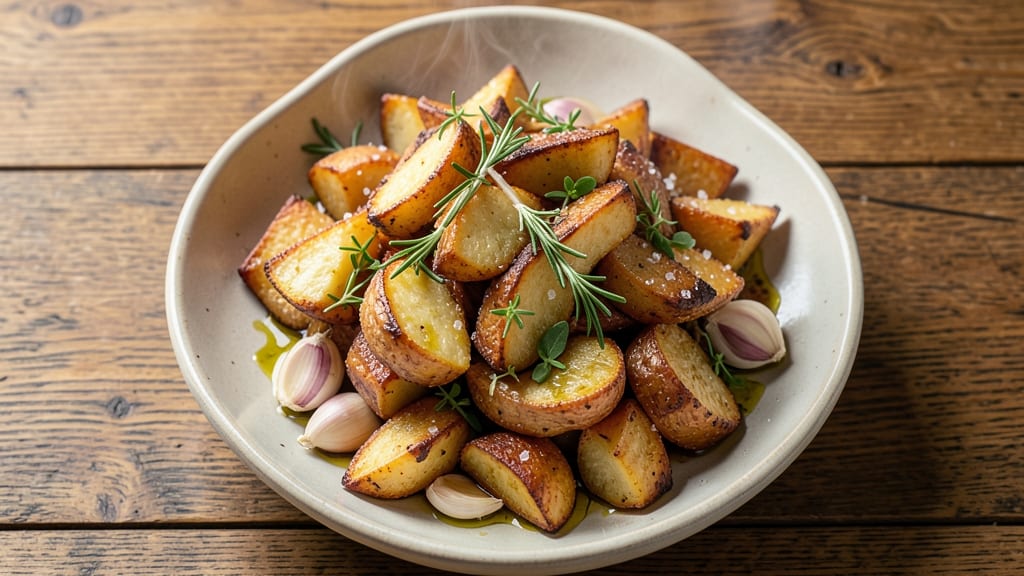
Mastering the perfect any potato recipe—whether it’s crispy edges or fluffy hearts—transforms a simple side into a showstopper. This versatile recipe covers it all: roasting, boiling, and even frying, so you can tailor it to any meal.
The secret lies in high heat for crispiness and gentle handling for tender interiors, ensuring every bite delivers the ideal texture.
What sets this method apart is its adaptability—use it for classic roasted potatoes, creamy mash, or even crispy hash browns. The key is even seasoning and precise cooking times, which we’ll break down step by step.
Whether you’re serving a holiday feast or a quick weeknight dinner, these potatoes will elevate any dish.
By the end, you’ll have perfectly crispy potatoes with tender centers, golden and aromatic enough to steal the spotlight. The technique is foolproof, and the results are restaurant-quality without the fuss. Ready to transform your potato game? Let’s get started.
Bonus: This recipe scales effortlessly for crowds, and dietary adaptations (like vegan butter or plant-based milk) make it inclusive for all. Every detail is designed to ensure success—no guesswork, just delicious results.
Ingredients for any potato
Master these twelve ingredients to achieve restaurant-quality roasted, mashed, or crispy potatoes every time.
| Ingredient | Amount | Notes |
|---|---|---|
| Russet Potatoes 🥔 | 2 lb | Waxy or all-purpose variety preferred |
| Extra-Virgin Olive Oil 🫒 | ½ cup | High-quality, fruity variety |
| Kosher Salt 🧂 | 1 ½ tbsp | Diamond Crystal preferred for precision |
| Fresh Rosemary 🌿 | ¼ cup | Finely chopped, stems removed |
| Fresh Thyme 🌿 | ¼ cup | Leaves only, finely chopped |
| Garlic Cloves 🧄 | 6 cloves | Minced for even distribution |
| Black Peppercorns 🌶️ | 1 tsp | Freshly cracked for intensity |
| Unsalted Butter 🧈 | 2 tbsp | Cold for creamy mash option |
| Heavy Cream 🥛 | ½ cup | Full-fat for rich texture |
| Whole Milk 🥛 | ¼ cup | Warmed for smooth mash |
| All-Purpose Flour 🌾 | ¼ cup | For crispy hash browns option |
| Cornstarch 🌾 | 2 tbsp | For extra crispiness in frying |
| Vegetable Oil 🫒 | ½ cup | High smoke point for frying |
The potato variety matters most here. Russet potatoes deliver the perfect balance of crispy edges and fluffy interiors, but Yukon Golds work beautifully for mash. Purchase from Whole Foods or local farmers' markets for the freshest tubers—look for firm, unblemished skins. Pre-cut potatoes oxidize quickly, so store them in cold water until ready to use. For large batches, Costco's bulk russets offer unbeatable value. Always scrub skins thoroughly to remove dirt, which can interfere with crisping. The olive oil should be extra-virgin, with a fruity aroma—California-based brands like Corto excel in this category.
No fresh rosemary? Dried works at one-third the amount, but fresh imparts superior aroma. Substitute lemon zest for brightness if herbs are unavailable. For crispy hash browns, omit the butter and milk entirely—cornstarch and flour create the perfect crispy crust. The garlic can be roasted with the potatoes for deeper flavor (simply toss minced cloves with oil and salt before roasting). For a dairy-free option, replace butter with vegan butter or coconut oil. The heavy cream and milk can be swapped for cashew cream or almond milk in equal amounts, though texture will differ slightly. Always use Diamond Crystal kosher salt measures differently—adjust accordingly.
Store peeled potatoes in cold water in the fridge for up to 2 days to prevent browning. Whole potatoes keep for 2 weeks in a cool, dark place. For roasted potatoes, reheat in a 375°F oven for 10-15 minutes to restore crispiness. Mash reheats best in a double boiler with a splash of warm milk. The cornstarch mixture for hash browns can be prepped ahead and refrigerated for 2 days. For optimal texture, fry hash browns fresh—pre-coating prevents sogginess. All prepared potatoes freeze well for 3 months, though roasted varieties lose some crispness upon thawing. Portion into airtight containers for easy reheating.
Why You'll Love This Recipe
- One-Pan Magic: I swear by this—just slice, toss, and roast. No fancy gadgets, no last-minute grocery runs. The potatoes caramelize while you’re chopping herbs, and honestly? That’s my kind of cooking.
- Herb-Packed Punch: Fresh rosemary and thyme clinging to crispy edges? It’s like a warm hug for your taste buds. The olive oil soaks in just enough to make every bite rich, but the herbs keep it bright and aromatic.
- Leftovers That Work: Between us, roasted potatoes taste better the next day. I’ll reheat them straight from the fridge with a quick broil, and suddenly it’s dinner again—no one’s complaining about the crispy bits.
- Budget Crunch-Saver: Russets are cheap, they last forever, and a single bag feeds my whole family. Toss in herbs from the garden (or a tiny bunch from the store), and you’ve got a meal that costs less than takeout but feels like a celebration.
Step-by-step instructions for roasted potatoes with crispy edges
Master the art of roasting potatoes for that perfect contrast between crispy exteriors and fluffy interiors.
Prep the Potatoes for Optimal Texture
Preheat your oven to 425°F for maximum crispiness. Cut the 2 lb Russet Potatoes into 1-inch chunks, ensuring even-sized pieces for consistent cooking. Place them in a large bowl and toss with the 0.5 cup Extra-Virgin Olive Oil until every surface is evenly coated. This oil creates the foundation for that golden crust.
Add the 1.5 tbsp Kosher Salt, 0.25 cup Fresh Rosemary, 0.25 cup Fresh Thyme, 6 cloves Garlic Cloves, and 1 tsp Black Peppercorns, then toss again until the herbs and spices adhere completely. The key here is thorough distribution—every bite should deliver that aromatic punch. Let the potatoes sit for 15 minutes while the oven preheats; this allows the seasoning to penetrate slightly.
Roast in Two Batches for Perfect Crispiness
Spread the seasoned potatoes in a single layer on two rimmed baking sheets, avoiding overcrowding. The potatoes need space to develop that signature crispy texture. Roast for 25 minutes, then carefully flip each piece using a metal spatula. This is crucial—flipping ensures even browning on all sides. The potatoes should be light golden brown at this stage, with no soft spots when pierced with a fork.
Return the sheets to the oven and roast for another 15-20 minutes until the edges are deep golden brown and the centers yield slightly when pressed. If they brown too quickly, tent with foil to prevent burning while maintaining crispiness. The internal temperature should reach 205°F—this ensures they're fully cooked without drying out.
Create the Creamy Garlic Mash (Optional)
While the potatoes roast, melt the 2 tbsp Unsalted Butter in a saucepan over medium heat. Add the 0.5 cup Heavy Cream and 0.25 cup Whole Milk, simmering until the mixture reaches 180°F. In a separate bowl, mash the roasted potatoes until smooth, then mix in the warm cream mixture. Season to taste with additional salt if needed.
For extra creaminess, whisk together the 0.25 cup All-Purpose Flour and 2 tbsp Cornstarch to create a slurry. Gradually add this to the potato mixture while stirring constantly. The result should be a velvety, lump-free mash that complements the crispy roasted potatoes perfectly. This step transforms your dish from simple roasted potatoes to a complete, restaurant-quality meal.
Optional Crispy Hash Brown Variation
For an alternative texture, heat the 0.5 cup Vegetable Oil in a skillet over medium-high heat until shimmering. Add the roasted potato chunks in a single layer and cook undisturbed for 3-4 minutes until the undersides are deep golden brown. Flip carefully and cook another 3-4 minutes until crispy on all sides. The high heat and oil create a satisfying crunch that contrasts beautifully with the fluffy mash.
Serve the crispy hash browns immediately alongside the creamy mash. The contrast between the two textures—crispy, golden edges and smooth, velvety mash—is what makes this preparation truly exceptional. This dual-texture approach ensures every bite delivers both satisfaction and balance.
Pro Tips For Making Any Potato
- CUT POTATOES EVENLY: Russets are stubborn—uneven slices mean some burn before others cook. Use a mandoline for precision (or a sharp knife with a ruler as your guide), and aim for ¼-inch pieces. I learned this the hard way after pulling out a tray of charred edges and still-raw centers.
- SALT THE OIL FIRST: Tossing potatoes into plain oil and then seasoning later means uneven flavor. Dissolve 1½ teaspoons kosher salt in the olive oil before adding potatoes—it coats them instantly and guarantees every bite has depth. (Yes, even if you’re impatient like me.)
- DON’T SKIP THE DRYING: Wet potatoes steam instead of crisp. After washing, rough them up with a towel or paper towels to remove surface moisture—especially if you’re roasting or pan-frying. I was skeptical until I tried it: the difference in texture is night and day.
- STACK HERBS LAST: Tossing rosemary and thyme in early can turn them to dust. Instead, sprinkle them over potatoes in the final 5 minutes of cooking (or right before serving if baking). This keeps their aroma bright and prevents them from turning bitter. (Your future self will thank you.)
Pro cooking tips for this dish
High-Heat Roasting Secrets
Preheat your oven to 425°F—this high temperature is non-negotiable for achieving that perfect crispy edge. I use two rimmed baking sheets to avoid overcrowding, which is key to even browning. Spread the potatoes in a single layer so they develop crispiness rather than steaming. 🔥
For that signature golden crust, I flip the potatoes halfway through cooking. After 25 minutes, use a metal spatula to carefully turn each piece. This ensures all sides get equal exposure to the heat, preventing any soft spots.
The internal temperature should hit 205°F—this guarantees they're fully cooked without drying out.
Seasoning Like a Pro
Don’t just sprinkle salt and herbs on top—toss the potatoes thoroughly so every piece gets coated in 0.5 cup Extra-Virgin Olive Oil and the seasoning blend. I let them sit for 15 minutes before roasting, which helps the flavors penetrate slightly.
Fresh rosemary and thyme make all the difference, but if you’re using dried, reduce the amount to ⅓ of what’s listed.
For extra depth, I sometimes roast the 6 cloves Garlic Cloves with the potatoes. Simply toss them with the oil and salt before adding the potatoes to the pan. This creates a richer, more complex flavor profile that elevates the dish.
Flipping Without the Mess
Flipping potatoes can be tricky, but I’ve found a foolproof method: use a metal spatula with a wide, flat edge. Gently slide it under each potato chunk and lift with confidence.
If you’re nervous about breaking them, cut them slightly larger than 1-inch chunks—this gives you more surface area to work with and reduces the risk of them falling apart.
Work in batches if needed, especially if you’re cooking a large quantity. The goal is to avoid overcrowding the pan, which can lead to uneven cooking and steaming instead of crisping. Patience here pays off—don’t rush the flipping process.
Resting for Better Texture
Once your potatoes reach 205°F internally, let them rest for 5 minutes before serving. This short rest allows the juices to redistribute, ensuring a fluffier interior. Skipping this step can result in potatoes that feel dry or mealy. Trust me, those 5 minutes make a world of difference. ✨
For the creamy mash, I always warm the Heavy Cream and Whole Milk to 180°F before mixing it in. This ensures the mash is smooth and velvety, not clumpy. If you’re short on time, you can microwave the milk for 30 seconds to warm it up quickly.
Reheating Crispy Perfection
Reheating roasted potatoes can be a challenge, but I’ve got a hack: place them on a baking sheet and pop them back in the oven at 375°F for 10-15 minutes.
This restores that crispy texture without making them soggy. For the mash, reheat it in a double boiler or microwave with a splash of warm milk to keep it creamy.
If you’re frying hash browns, cook them fresh for the best results. The starch mixture (All-Purpose Flour and Cornstarch) creates a crispy crust, but reheating can make them greasy or soggy. Save this variation for when you’re ready to serve.
Nutrition facts
Frequently asked questions
Can I use sweet potatoes instead of russets?
Sweet potatoes work beautifully for roasting—they caramelize differently but develop a rich, sweet flavor. For best results, reduce the oven temperature to 400°F and add 5 minutes to each roasting stage. Their natural moisture means they need slightly longer cooking time to achieve crispy edges.
How do I prevent my potatoes from turning out soggy?
Overcrowding is the #1 cause of soggy potatoes. Always spread them in a single layer with 1-inch gaps between pieces. Use two baking sheets if needed, and avoid stacking. For extra insurance, pat dry the potato chunks before seasoning to remove excess moisture.
What's the best way to make these potatoes ahead of time?
Roasted potatoes reheat best when stored properly. Cook them fully, then cool completely before refrigerating in an airtight container for 3-4 days. To restore crispiness, reheat at 400°F for 10-15 minutes—no microwave needed! For mash, reheat with a splash of warm milk to maintain creaminess.
Can I make this recipe dairy-free?
Easily! Replace the butter with vegan butter or coconut oil, and use cashew cream or almond milk instead of heavy cream. For crispy hash browns, skip the dairy entirely—the starch coating creates crispiness without it. The flavor stays rich and satisfying while being completely plant-based.
Why do my potatoes sometimes come out unevenly cooked?
Uneven cooking usually happens when pieces vary in size or the oven isn't properly preheated. Cut all potatoes to exactly 1-inch chunks and always preheat the oven for 15 minutes before adding them. For large batches, rotate the pans halfway through cooking to ensure even heat distribution.