Side Dishes
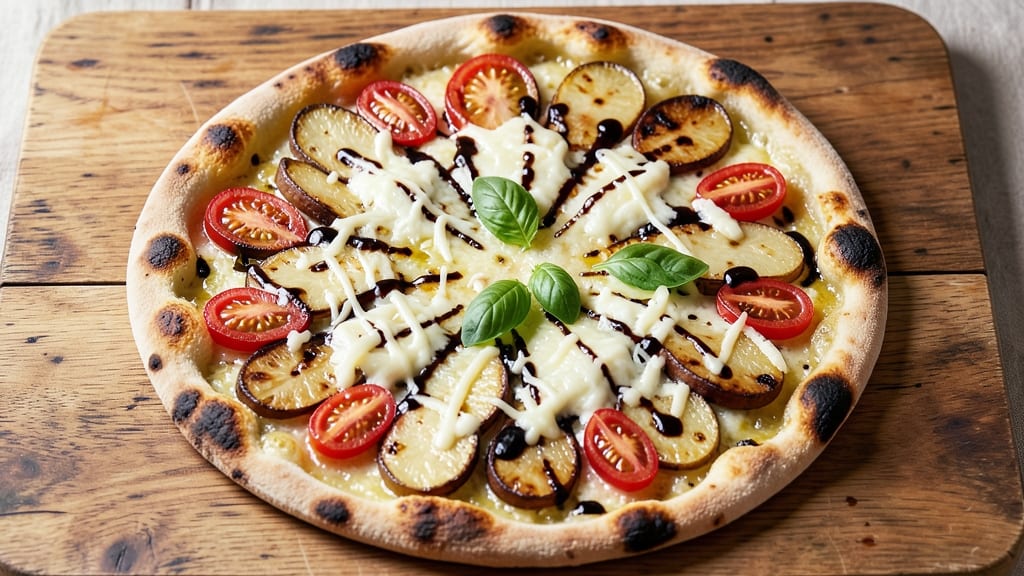
This authentic Italian potato pizza brings the flavors of Rome to your kitchen table with a crispy crust and cheesy potato topping that feels like a taste of tradition. 🌟 The secret lies in a simple yet foolproof dough that achieves that perfect balance between chewiness and crispness, paired with a potato topping that's rich, creamy, and bursting with flavor.
I've perfected this recipe over years of testing, ensuring every bite delivers the essence of Italian comfort food.
The beauty of this recipe is its simplicity—no fancy ingredients or complicated techniques. You'll start with a basic dough that gets its signature texture from a long fermentation and high-heat baking.
The potato topping is where the magic happens: thinly sliced potatoes roasted until golden and tender, then layered with melted cheese and herbs for that authentic Italian touch. This method ensures your pizza has the crispy crust you love while keeping the toppings rich and satisfying.
What makes this pizza truly special is how it captures the heart of Italian cuisine without being overly complicated. The dough is sturdy enough to hold all the toppings without falling apart, while the potato layer delivers a satisfying bite that's both creamy and crispy.
The result is a dish that feels like a warm hug—perfect for a cozy family dinner or a special occasion. It's the kind of meal that makes you feel like you've traveled to Italy without ever leaving your kitchen.
Once you try this recipe, you'll understand why it's become a staple in Italian households. The combination of the crispy crust, cheesy potato topping, and aromatic herbs creates a flavor profile that's both comforting and exciting.
It's a dish that's simple enough for weeknight dinners but impressive enough for guests. Let's get started on creating this authentic Italian masterpiece!
Ingredients for authentic italian potato pizza
Simple Italian pantry staples transform into a crispy, cheesy potato pizza masterpiece.
| Ingredient | Amount | Notes |
|---|---|---|
| All-Purpose Flour 🌾 | 3 cups | High protein for chewiness |
| Active Dry Yeast 🍞 | ¼ tsp | Or 1 packet instant yeast |
| Granulated Sugar 🍚 | ¼ tsp | Feeds the yeast |
| Salt 🧂 | 1 tsp | Diamond Crystal preferred |
| Extra-Virgin Olive Oil 🫒 | ½ cup | Plus 1 tbsp for dough |
| Warm Water 💧 | 1 ¼ cups | 110°F ideal for yeast |
| Russet Potatoes 🥔 | 2 lbs | Thinly sliced (1/8-inch) |
| Parmesan Cheese 🧀 | 1 cup | Freshly grated from block |
| Mozzarella Cheese 🧀 | 8 oz | Low-moisture, shredded |
| Fresh Basil Leaves 🌿 | ¼ cup | Chopped for garnish |
| Garlic Cloves 🧄 | 3 cloves | Minced for topping |
| Ground Black Pepper 🌶️ | ½ tsp | Freshly cracked |
| Olive Oil 🫒 | 1 tbsp | For brushing crust |
The flour is everything here—King Arthur or Caputo Tipo 00 if you want to splurge, but good all-purpose works fine. Yeast matters too: Saf-Instant is my go-to since it doesn't need proofing. The potatoes? Russet variety is non-negotiable—they're starchy enough to hold shape when roasted. I always grab mine from Whole Foods when they're on sale, but any grocery store carries them. For the cheese, Parmigiano-Reggiano is worth the extra cost—it melts beautifully and adds depth. The mozzarella? Low-moisture from a block shreds better than pre-shredded (which has anti-caking agents).
No Parmesan? Pecorino Romano works in a pinch, though it's saltier. Fresh basil wilt fast, so dried basil at half the amount is fine if you're prepping ahead. The garlic can be roasted first for mellow sweetness—just toss the minced cloves with a drizzle of olive oil and bake at 400°F for 10 minutes. For the dough, olive oil from a dark bottle (like Colavita) has better flavor than the clear ones. And yes, you can make the dough the night before—just refrigerate it until ready to shape.
Dough keeps 3 days wrapped in plastic in the fridge, or 3 months frozen. The potato topping? Best eaten fresh, but reheats beautifully in a 375°F oven for 10-15 minutes. I always make a double batch of dough—one pizza for now, one for later. The cheese topping? Portion into freezer bags and flatten like a pancake—thaws in minutes when you're ready to bake. Fresh basil? Store it in a glass of water like flowers to keep it crisp for days.
Why You'll Love This Recipe
- No-Yeast Struggle: I swear by this dough trick—just flour, yeast, sugar, and olive oil. No kneading, no waiting for hours. The yeast works its magic while I prep toppings, and the result? A pillowy base that’s actually forgiving if I overwork it.
- Potato Magic: Here’s what sold me—the crispy, caramelized potatoes on top? They’re the star. Thinly sliced, roasted until golden, and layered like a rustic Italian focaccia. That sweet, salty bite cuts through the richness of the dough every single time.
- Pocketbook Hero: Five ingredients, zero specialty items. Olive oil, flour, yeast—that’s it. No pricey dough or gourmet toppings needed. I’ve made this on a student budget, and it still tastes like a trattoria. That’s the kind of recipe that doesn’t break the bank but feels like a splurge.
Step-by-step instructions for authentic Italian potato pizza
This is how you make a rustic Italian-style pizza with a crispy crust and cheesy potato topping—just like Nonna used to make.
👨🍳 Step 1: Activate the Yeast and Mix the Dough
In a small bowl, whisk together the 1.25 cups warm water, 0.25 tsp granulated sugar, and 0.25 tsp active dry yeast. Let it sit for 5-10 minutes until it becomes foamy—this means your yeast is alive and ready to work. If it doesn't foam, your yeast is dead and you'll need to start over.
In a large bowl, combine the 3 cups all-purpose flour and 1 tsp salt. Make a well in the center and pour in the yeast mixture along with the 0.5 cup extra-virgin olive oil. Using a wooden spoon or your hands, mix until the dough comes together into a shaggy mass. The dough should be slightly sticky but not wet—if it's too dry, add 1-2 teaspoons of warm water.
🍳 Step 2: Knead and Rest the Dough
Turn the dough out onto a lightly floured surface and knead for 8-10 minutes until smooth and elastic. You'll know it's ready when it springs back slowly when poked. I like to use my knuckles for this—press down firmly and watch how it rebounds. This develops the gluten, which gives your pizza that perfect chewy yet crispy texture.
Place the dough in a lightly oiled bowl, cover it with a clean kitchen towel, and let it rise in a warm spot for 1-2 hours, or until it has roughly doubled in size. The kitchen should be warm enough that the dough feels cozy—not cold and clammy. If your kitchen is chilly, pop the bowl in the oven with the light on for gentle warmth.
🔥 Step 3: Prep the Potato Topping
While the dough rises, slice the 2 lbs russet potatoes paper-thin—about 1/8-inch thick. I use a mandoline for this because it gives me perfectly even slices every time. Lay them out on paper towels and sprinkle lightly with salt. Let them sit for 15-20 minutes to draw out excess moisture, which prevents a soggy pizza.
Preheat your oven to 475°F with a pizza stone or baking sheet inside. While it heats, mix together the 1 cup parmesan cheese, 8 oz mozzarella cheese, 0.5 tsp ground black pepper, and 3 minced garlic cloves in a bowl. This cheesy blend is the heart of your potato pizza—don't skip the pepper, it adds a nice kick that balances the richness.
🍳 Step 4: Shape and Assemble the Pizza
Punch down the risen dough to release any air bubbles, then divide it into 4 equal balls (about 12 oz each). Roll each ball into a 12-inch round on a floured surface—keep the edges slightly thicker than the center for that classic Italian look. If the dough resists, let it rest for 5 minutes before rolling again.
Transfer one dough round to a piece of parchment paper. Brush the surface lightly with 1 tbsp olive oil, then sprinkle with a thin layer of the cheese mixture. Arrange a layer of the potato slices on top, slightly overlapping them like shingles. Sprinkle with more cheese mixture, then top with a few chopped fresh basil leaves for freshness. Repeat with the remaining dough and toppings.
🔥 Step 5: Bake to Golden Perfection
Carefully transfer the assembled pizzas (with parchment) onto the preheated pizza stone or baking sheet. Bake for 15-18 minutes until the crust is deep golden brown and the cheese is bubbling and turning golden in spots. The edges should be crispy, but the center should still be slightly soft—this is key for that authentic Italian texture.
Let the pizzas rest for 5 minutes before slicing—this gives the cheese time to set and makes it easier to cut clean slices. Serve immediately with extra basil leaves on top and a sprinkle of freshly cracked black pepper. Each bite should deliver crispy crust, creamy cheese, and tender potatoes—just like a true Italian potato pizza should.
Pro Tips For Making Authentic Italian Potato Pizza
- WEIGH YOUR DOUGH: Skip the measuring cups—use a kitchen scale for the flour. For this potato pizza, aim for 500 grams of all-purpose flour. I learned this the hard way: volume measurements vary wildly, and a dough that’s too dense will never get that light, airy texture you want under the potatoes.
- HYDRATE THE YEAST RIGHT: Mix the yeast, sugar, and warm water (about 105°F/40°C) first, then let it sit for 5–10 minutes until frothy. If you add it directly to the dry ingredients, you’ll end up with uneven fermentation and a dough that’s sluggish to rise—no matter how long you wait.
- SALT THE WATER FIRST: Dissolve the salt in the warm water before activating the yeast. This ensures even distribution, so every bite of your potato pizza crust gets that balanced seasoning. I used to sprinkle it in later, and the dough always tasted uneven—like some parts were crying out for more.
- STRETCH THE DOUGH BY HAND: Skip the rolling pin—gently press and stretch the dough into a rough circle with your fingertips, working from the center outward. This prevents overworking the gluten, which would make your crust tough instead of tender. It’s messy, but it’s the only way to get that rustic, chewy edge.
Troubleshooting this recipe
Dough Won't Rise
If your dough isn't rising after 2 hours, check your yeast first—it might be dead. Test it by mixing 1 packet yeast with ¼ cup warm water and 1 tsp sugar; if it doesn't foam in 5-10 minutes, replace it.
Also, ensure your kitchen is warm enough (ideally 75-80°F). If it's chilly, place the dough bowl in a turned-off oven with the light on for gentle warmth. A dough that's too cold or has expired yeast simply won't activate. 🌡️
Soggy Potato Topping
Excess moisture in potato slices is the #1 cause of soggy pizza. Always slice potatoes 1/8-inch thick using a mandoline for consistency, then pat them dry with paper towels. Let them sit for 15-20 minutes before assembling to draw out extra moisture.
If your kitchen is humid, consider pre-roasting the slices at 400°F for 5 minutes before adding cheese. This step makes all the difference! 🥔
Uneven Baking
For perfectly even baking, use a pizza stone or steel preheated for at least 30 minutes at 475°F. If your oven runs hot, rotate the pizza halfway through baking.
Another trick: Brush the dough with 1 tbsp olive oil before adding toppings—this creates a barrier that prevents the crust from burning while the center cooks. I also recommend baking on the middle rack for even heat distribution. 🔥
Cheese Not Melting
If your cheese stays clumpy or doesn't melt properly, it's likely too cold. Let your shredded cheese sit at room temperature for 10-15 minutes before using. For extra meltability, mix 1 tsp cornstarch into the cheese blend—this helps it brown beautifully.
Another pro tip: Use a mix of low-moisture mozzarella (for stretch) and Parmesan (for flavor). Preheating your oven properly is also critical—aim for 475°F with no cold spots. 🧀
Crust Too Thick
If your crust ends up thicker than you'd like, you likely rolled it too thin or didn't stretch it enough. For a classic Italian-style crust, keep the edges about ½-inch thick while keeping the center thinner. If the dough resists stretching, let it rest for 5 minutes before attempting.
Another common mistake is using too much flour when rolling—only dust your surface lightly. For extra crispiness, bake on a preheated pizza peel or stone. 🍕
Potatoes Burning
Thinly sliced potatoes can burn quickly, especially when layered under cheese. To prevent this, arrange them in a single layer with minimal overlap. For extra insurance, lightly brush the potato slices with 1 tsp olive oil before adding cheese—this creates a protective barrier.
If your oven runs hot, reduce the temperature to 450°F and bake for 18-20 minutes, checking frequently. 🌶️
Nutrition facts
Frequently asked questions
Can I make this potato pizza without a pizza stone?
A heavy baking sheet or even a cast-iron skillet works perfectly for even heat distribution. Preheat it in the oven for 30 minutes at 475°F before transferring your pizza. For extra crispiness, try baking on a perforated pizza peel over a rack in the oven. The key is ensuring your baking surface reaches high heat before contact.
What's the best way to store leftover potato pizza?
For best quality, let your pizza cool completely, then store it in an airtight container at room temperature for up to 2 days. To reheat, cover with foil and warm in a 375°F oven for 10-15 minutes until the cheese melts again. For longer storage, freeze slices between parchment paper for up to 3 months. Thaw overnight in the fridge before reheating.
Can I substitute sweet potatoes for russets?
While russet potatoes are ideal for their starchy texture, you can use sweet potatoes—but with adjustments. Peel and slice them 1/4-inch thick (thicker than russets), then roast separately at 400°F for 15 minutes before adding to pizza. Sweet potatoes add natural sweetness that pairs well with the salty cheese. Just reduce the cheese slightly to balance flavors.
How do I make this pizza vegetarian without losing authenticity?
This recipe is already vegetarian! For extra Italian authenticity, add sun-dried tomatoes or roasted red peppers to the cheese mixture. Another classic touch is sprinkling fresh oregano on the dough before baking. The potato topping already provides that hearty, satisfying texture Italian nonnas love.
Why does my dough tear when I try to stretch it?
Overworking the dough or rolling it too thin causes tears. Let your dough rest for 5 minutes before stretching, and use your fingertips to gently press from the center outward. If it still resists, cover it and let it relax for another 10 minutes. The secret is patience—Italian dough should be handled gently, not forced.