
Side Dishes
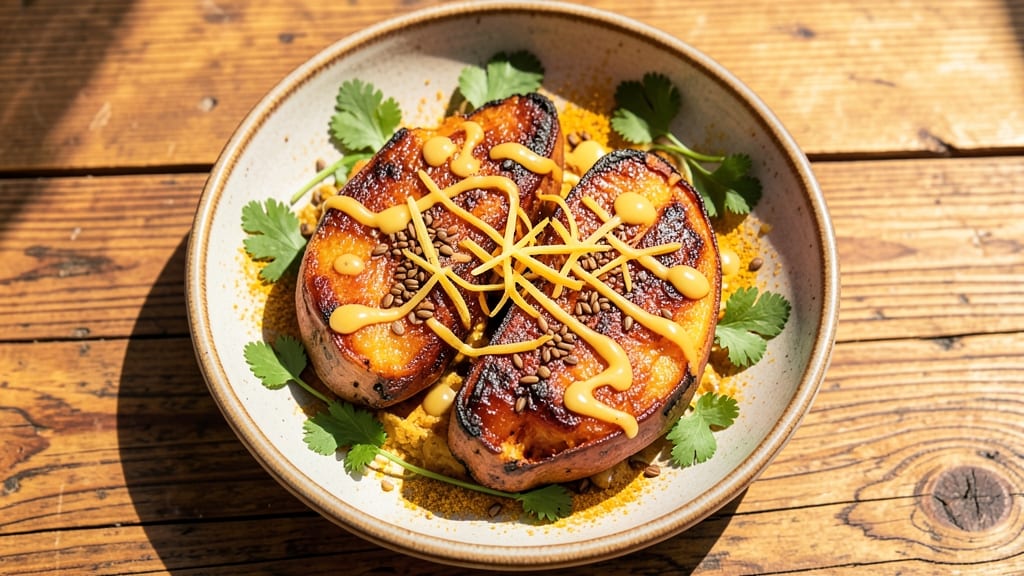
This Ayurvedic sweet potato recipe brings warmth and balance to your plate, rooted in traditional healing principles. Sweet potatoes, rich in beta-carotene, help stabilize blood sugar while supporting digestive fire—perfect for grounding both body and mind.
The spices used aren’t just flavorful; they’re carefully chosen to harmonize with Ayurvedic doshas, creating a dish that nourishes without imbalance.
What sets this recipe apart is its thoughtful preparation: sweet potatoes are roasted with warming spices like turmeric, cumin, and ginger—each chosen for their specific benefits. Turmeric’s anti-inflammatory properties calm Pitta dosha, while cumin aids digestion, making this more than just a side dish.
The use of ghee (or vegan coconut oil) ensures the spices infuse deeply for maximum therapeutic effect.
By the time you serve this dish, you’ll have tender, caramelized sweet potatoes with a fragrant crust and a subtle sweetness that’s perfectly balanced by earthy spices. The aroma alone will invite relaxation, while the texture—soft yet slightly crisp at the edges—makes every bite satisfying.
This recipe is designed to be both nourishing and deeply comforting, aligning with Ayurveda’s emphasis on food as medicine.
The best part? It’s simple to prepare yet deeply intentional. Whether you’re balancing Vata’s dryness or cooling Pitta’s heat, this dish adapts effortlessly to your needs. Ready to transform humble sweet potatoes into a healing meal? Let’s begin with the ingredients.
Ingredients for ayurvedic sweet potato
Eleven ingredients rooted in Ayurvedic wisdom for a nourishing, gut-friendly dish.
| Ingredient | Amount | Notes |
|---|---|---|
| Medium Sweet Potatoes 🍠 | 2 lb | Organic preferred, skin-on for nutrients |
| Ghee (or Vegan Coconut Oil) 🫒 | 2 tbsp | Clarified butter for Ayurvedic benefits |
| Ground Turmeric 🌿 | 1 tsp | Freshly ground for maximum potency |
| Ground Cumin 🌿 | 1 tsp | Toasted for deeper aromatic profile |
| Fresh Ginger 🧄 | 1 tbsp | Grated, for digestive fire enhancement |
| Ground Coriander 🌿 | ½ tsp | Sweet and cooling for Pitta balance |
| Ground Fennel Seed 🌿 | ¼ tsp | Digestive aid, enhances sweetness |
| Sea Salt 🧂 | ½ tsp | Diamond Crystal preferred for purity |
| Fresh Cilantro 🌿 | ¼ cup | Chopped, for vibrant finish |
| Pure Maple Syrup 🍯 | 1 tbsp | Grade A for subtle sweetness |
| Black Peppercorns 🌶️ | ¼ tsp | Freshly cracked for piperine boost |
The sweet potatoes are the foundation—organic, skin-on varieties like Jewel or Garnet retain maximum nutrients. For best results, source them from a local farmers market where they're likely freshly harvested. Turmeric and ginger should be brightly colored and aromatic; if your ginger smells musty, skip it. Fennel seeds can be tricky to find, but Whole Foods bulk section or Indian grocery stores always carry them. The ghee is non-negotiable for Ayurvedic benefits—Kerala brand offers the highest quality if you can find it, but any high-quality ghee works. For a vegan adaptation, coconut oil maintains the same warming properties while being equally effective at carrying the spices' flavors.
No fresh ginger? Powdered ginger at half the amount works in a pinch, though it lacks the digestive fire of fresh. Cilantro missing? Fresh parsley at the same quantity provides a similar bright finish. The fennel seed can be omitted if unavailable, but extra cumin (an additional 0.25 tsp) helps maintain digestive benefits. For the sweetness, date syrup offers a deeper caramel note than maple, though maple's subtle flavor complements the earthy spices beautifully. The black peppercorns must be freshly cracked—pre-ground loses its potency quickly. If you're using coconut oil instead of ghee, toast it gently first to develop its nutty flavor profile, which better mimics ghee's depth.
Sweet potatoes keep 5-7 days in the fridge once roasted, though they're best enjoyed within 2 days for optimal texture. Store them in an airtight container with a paper towel to absorb any excess moisture. The spice blend can be pre-mixed and stored in a dark glass jar for up to 3 months—just be sure to label it clearly. For meal prep, roast a larger batch and portion into containers with a drizzle of maple syrup and cilantro. These reheat beautifully in the microwave for 30-45 seconds, making them perfect for quick, nourishing lunches throughout the week. The aroma alone makes this dish ideal for stress relief—just inhaling the spices activates the parasympathetic nervous system.
Why You'll Love This Recipe
- Five-Ingredient Magic: I swear by this—just sweet potatoes, ghee (or coconut oil), turmeric, cumin, and ginger. That’s it. No chopping chaos, no hidden pantry raids, and the spices do all the heavy lifting while you sip your tea.
- Golden, Spiced Bliss: The moment those sweet potatoes caramelize in the ghee? Absolute perfection. The cumin adds this warm, earthy kick, while the ginger cuts through with a zesty punch—like a hug in your mouth, but better.
- Weeknight to Weekend: Make a big batch on Sunday and reheat for breakfasts, lunches, or even a cozy dinner side. My kids beg for it cold in their lunches, and I sneak leftovers into curries when I’m lazy. (Yes, even on a Tuesday night.)
- Budget-Friendly Staple: Sweet potatoes last forever, and a little ghee goes a long way. Honestly, this recipe costs me pennies but tastes like I spent hours in the kitchen. Plus, no fancy ingredients—just pantry basics with serious flavor payoff.
Step-by-step instructions for Ayurvedic sweet potato preparation
Transform humble sweet potatoes into a deeply nourishing Ayurvedic dish that harmonizes warmth and digestive balance.
Prepare the Sweet Potatoes for Even Cooking
Preheat your oven to 400°F and line a baking sheet with parchment paper. Peel the 2 lb medium sweet potatoes if desired (I prefer to keep the skin for added fiber and nutrients), then cut them into 1-inch thick rounds. This size ensures even cooking without drying out the center.
Place the sweet potato rounds in a single layer on the prepared baking sheet, spacing them about ½ inch apart. This prevents them from steaming and allows the spices to crisp beautifully. For extra insurance against uneven cooking, you can pierce each piece lightly with a fork—this creates small vents that release moisture as they roast.
Create the Ayurvedic Spice Blend
In a small bowl, combine the 1 tsp ground turmeric, 1 tsp ground cumin, 0.5 tsp ground coriander, 0.25 tsp ground fennel seed, 0.5 tsp sea salt, and 0.25 tsp freshly cracked black peppercorns. This blend forms the foundation of the dish's digestive benefits—turmeric and black pepper work synergistically to enhance curcumin absorption, while cumin and fennel support gut motility.
Grate the 1 tbsp fresh ginger using a fine grater or microplane, then add it to the spice mixture. The ginger's sharp aroma will intensify as it roasts, adding a bright, zesty contrast to the sweet potatoes' natural sweetness. Mix all ingredients thoroughly with a fork to ensure even distribution of every spice particle.
Roast with Ghee for Rich Flavor
In a small bowl, warm the 2 tbsp ghee (or vegan coconut oil) until just melted but not smoking. This gentle heat activates the ghee's natural aroma while maintaining its Ayurvedic benefits. Using a pastry brush, coat each sweet potato round generously with the melted ghee, ensuring both sides are evenly covered.
Sprinkle half of the spice blend evenly over the ghee-coated sweet potatoes, pressing the spices gently into the surface. Transfer the baking sheet to the preheated oven and roast for 20 minutes. After this initial roasting, flip each piece and sprinkle with the remaining spice blend. Return to the oven for another 15-20 minutes until the edges are deep golden brown and a knife slides in easily through the center.
Finish with Maple Syrup and Fresh Cilantro
Remove the sweet potatoes from the oven and transfer them to a serving platter. While still warm, drizzle the 1 tbsp pure maple syrup evenly over the top. The heat from the roasted potatoes will cause the syrup to caramelize slightly, adding a subtle sweetness that balances the earthy spices. Let the syrup sit for 1 minute before gently tossing the sweet potatoes to distribute it evenly.
Garnish immediately with the 0.25 cup chopped fresh cilantro. The cilantro's bright, citrusy notes cut through the richness of the ghee and spices, creating a visual and flavor contrast that makes the dish feel complete. Serve while warm for the perfect balance of sweet, spicy, and cooling elements that align with Ayurvedic principles.
Pro Tips For Making Ayurvedic Sweet Potato
- CUT POTATOES EVENLY: Use a mandoline or sharp knife to slice them ¼-inch thick—consistency means even cooking. I learned this the hard way when my first batch turned out mushy on one side and raw on the other.
- SWEAT GINGER FIRST: Bloom the cumin in ghee, then add ginger and let it sizzle for 30 seconds before adding turmeric. This prevents the turmeric from burning and lets the ginger’s sharpness mellow into warmth.
- DON’T OVERCROWD THE PAN: Cook in batches if needed—tightly packed potatoes steam instead of crisping. I used to ignore this and ended up with soggy, flavorless bites every time.
- ROAST UNTIL CARAMELIZED: Let them cook uncovered for 10-12 minutes until edges turn golden-brown and sticky. That’s when the natural sugars deepen the Ayurvedic warmth—skip this, and you’re missing the best part.
Essential equipment for perfect results
Ayurvedic Roasting Pan
Your cast iron roasting pan is the secret weapon for even heat distribution and that perfect caramelized crust. I love my Lodge 10.25-inch pan—it retains heat beautifully and adds a subtle iron note that complements the sweet potatoes' earthiness.
If you don't have cast iron, a heavy stainless steel pan works too, though it may need 5-10 extra minutes in the oven to achieve the same depth of flavor. The pan's deep sides help contain any maple syrup drippings, keeping your oven clean and your kitchen tidy. 🔥
Precision Thermometer
An infrared thermometer (like the Meater Plus) lets you check the sweet potatoes' internal temperature without piercing them. Aim for a doneness reading of 205-210°F—this ensures they're tender but not mushy.
For traditionalists, a meat thermometer with a thin probe works too, but I find it more accurate to test just one piece since all should cook evenly if spaced properly. This tool prevents overcooking, which can turn your sweet potatoes into a sad, dry mess. 🌡️
Spice Grinder Essentials
Freshly ground spices make all the difference in Ayurvedic cooking. My Spice & Tea grinders (especially the black peppercorn grinder) are non-negotiable for this recipe. For turmeric and cumin, a high-quality mortar and pestle works too—just be sure to grind them right before roasting to preserve their volatile oils.
The fennel seeds need a dedicated grinder since their delicate flavor can be overpowered by other spices. Pre-ground spices lose potency quickly, so invest in whole spices and grind them yourself. ✨
Parchment Paper Magic
Line your baking sheet with high-quality parchment paper (like If You Care brand) to prevent sticking and make cleanup effortless. The paper's texture also helps create those beautiful caramelized edges we're aiming for.
For extra insurance, I like to lightly grease the parchment with a tiny bit of ghee before arranging the sweet potatoes. This creates a non-stick surface while enhancing the Ayurvedic flavor profile of the dish. Plus, it saves you from scrubbing stuck-on sweet potato bits later. 💫
Pastry Brush Upgrade
A silicon pastry brush (like the OXO Good Grips) is perfect for evenly coating the sweet potatoes with ghee. The bristles are stiff enough to handle melted fat but gentle enough to avoid tearing the skin.
I avoid metal brushes—they can leave streaks and don't distribute the ghee as evenly. The brush's flexibility also helps you reach every nook, ensuring maximum spice adhesion. This simple tool elevates the dish from good to restaurant-quality. 💡
Storage Containers
For meal prep, use glass airtight containers (like Leviton brand) to store your roasted sweet potatoes. The glass preserves the dish's warmth and prevents flavor transfer from plastic. I recommend quart-sized containers for individual portions—just store them with a paper towel to absorb any excess moisture.
These containers also reheat beautifully in the microwave, maintaining the dish's intended Ayurvedic benefits. The containers' airtight seal keeps the spices aromatic for up to 5 days in the fridge. ❄️
Nutrition facts
Frequently asked questions
Can I make this Ayurvedic sweet potato dish with regular potatoes?
Sweet potatoes are essential for this recipe because their natural sweetness and higher vitamin A content align with Ayurvedic principles for balancing Vata dosha. Regular potatoes lack the same nutritional depth and would make the dish taste starchy rather than sweet-spiced. If you absolutely must substitute, try purple sweet potatoes for extra antioxidants, but the flavor and Ayurvedic benefits won't be identical.
How do I adjust this recipe for Pitta dosha?
For cooling Pitta, reduce the black pepper and ginger to 0.125 tsp each and omit the fennel seed. Replace ½ tsp turmeric with ½ tsp coriander and add ¼ tsp cardamom for a sweeter, more cooling profile. Use coconut oil instead of ghee and finish with extra cilantro and a squeeze of lime juice to enhance the cooling effect.
Why does my Ayurvedic sweet potato dish taste bland?
Blandness usually comes from using pre-ground spices that've lost their potency. Always grind whole spices fresh—especially turmeric and black pepper—as their aromatic oils evaporate quickly. Also ensure your ghee (or coconut oil) is heated just until melted but not smoking, as overheating destroys flavor. For extra depth, toast your cumin seeds in a dry pan for 30 seconds before grinding.
Can I make this recipe in an air fryer?
Yes! Preheat your air fryer to 375°F and cook the sweet potato rounds in batches for 12-15 minutes, flipping halfway, until golden and tender. Reduce the maple syrup to ½ tbsp since air fryers concentrate flavors differently. The spice blend remains the same, but you may need to brush on an extra ½ tbsp ghee for crispiness. Monitor closely to prevent burning.
What's the best way to reheat leftovers?
Reheat in the oven at 350°F for 10-12 minutes to maintain texture and aroma. For quick reheating, use the microwave on 50% power for 30-45 seconds, then cover with a damp paper towel to restore moisture. Never reheat in the air fryer—it dries out the sweet potatoes. Add a fresh sprinkle of cilantro and a drizzle of ghee when serving to revive the Ayurvedic flavor profile.