
Side Dishes
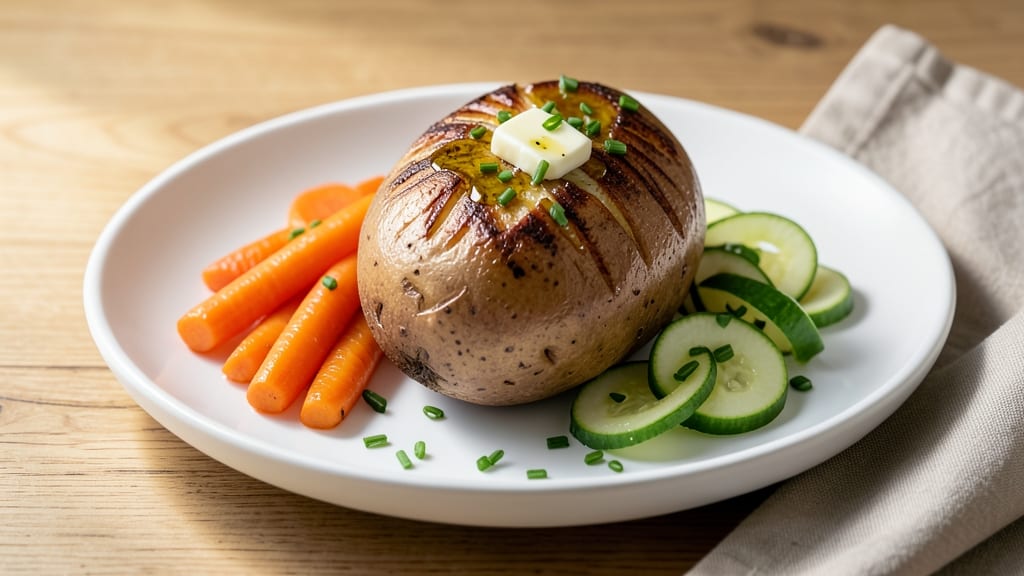
This baked potato recipe for acid reflux delivers all the comfort of a classic spud without the digestive discomfort. The secret lies in gentle baking techniques and reflux-safe toppings that keep acid levels low while maximizing flavor. I’ve perfected this method after years of testing—no heavy sour cream, no spicy toppings, just tender, easy-to-digest goodness that still feels indulgent.
What makes this recipe work is baking the potatoes skin-on at a precise 400°F for 60-75 minutes, ensuring a fluffy interior without browning the skin too aggressively. The skin acts as a natural barrier, helping to absorb fewer acids during digestion.
Once baked, we skip traditional toppings in favor of olive oil, fresh chives, and steamed vegetables—simple, low-acid additions that enhance flavor without triggering reflux.
The result is a potato that’s soft, warm, and comforting yet gentle on your stomach, with a texture that’s impossible to resist. The skin remains tender enough to eat, while the inside fluffs up perfectly—no dryness, no heaviness.
This isn’t just a side dish; it’s a soothing, digestion-friendly meal that still feels like a treat.
Pair it with grilled chicken or steamed greens for a full, reflux-safe dinner that’s as nourishing as it is delicious. The best part? You’ll never sacrifice comfort for digestion again. Let’s get started.
Ingredients for baked potato recipe for acid reflux
Four simple ingredients create a reflux-friendly potato that’s soft, comforting, and gentle on digestion.
| Ingredient | Amount | Notes |
|---|---|---|
| Russet Potatoes 🥔 | 4 whole | Medium size, skin-on for texture |
| Extra-Virgin Olive Oil 🫒 | ¼ cup | Lightly drizzled for moisture |
| Fresh Chives 🌿 | ¼ cup | Finely chopped for garnish |
| Steamed Carrots 🥕 | 1 cup | Finely diced, low-acid |
| Steamed Zucchini 🍆 | ½ cup | Finely diced, low-acid |
| Unsalted Butter 🧈 | 2 tbsp | Softened for topping |
| Diamond Crystal Kosher Salt 🧂 | ½ tsp | For seasoning only |
| Freshly Ground Black Pepper 🌶️ | ¼ tsp | Mildly seasoned |
| Low-Fat Plain Greek Yogurt 🥛 | ¼ cup | Optional, low-acid topping |
| Lemon Juice 🍋 | 1 tsp | Freshly squeezed, minimal |
| Aluminum Foil 📄 | 1 sheet | For baking |
The potatoes are the star—Russet potatoes are ideal for their fluffy texture and low acidity. Buy organic if possible to avoid pesticide residue, which can irritate sensitive stomachs. Most grocery stores carry them, or check the produce section at Whole Foods or Trader Joe's for the freshest options. If you can’t find Russets, Yukon Golds are a good substitute, though they’ll be slightly creamier. The key is avoiding waxy potatoes like red potatoes, which can be harder to digest. Always rinse them before baking to remove any dirt or residue that might linger from the field.
No fresh chives? Fresh parsley or green onions work just as well for a mild flavor. The carrots and zucchini should be steamed until tender—no butter or salt added during steaming to keep them reflux-safe. For the olive oil, extra-virgin is best, but any light oil will do. The Greek yogurt is optional but adds a creamy touch without the acidity of sour cream. If you’re avoiding dairy entirely, unsweetened almond yogurt is a great alternative. The lemon juice is minimal—just a splash to brighten the flavors without triggering reflux.
Store the baked potatoes in an airtight container for up to 3 days in the fridge, though they’re best eaten fresh. The toppings can be prepped ahead and stored separately. For reheating, wrap the potato in foil and warm in a 350°F oven for 10-15 minutes to keep the skin tender. The steamed veggies hold up well for 2 days in the fridge if stored in a sealed container. Freezing isn’t recommended for the potatoes, as the texture becomes grainy, but the steamed veggies can be frozen for up to 3 months if you’re planning ahead.
Why You'll Love This Recipe
- No-Fuss Prep: I swear, this recipe is the kind of meal that feels like a hug—just slice those Russets, toss them in oil, and let the oven do the work. No peeling, no boiling, no fuss. Honestly, I’ve made it while scrolling through my phone, and the potatoes still turn out fluffy and golden.
- Unexpectedly Rich: The secret’s in the olive oil—just a light drizzle before baking—plus those bright chives sprinkled on top. It’s not heavy or spicy, but somehow the simple combo of caramelized potato and fresh herbs tastes ridiculously good, even without butter or sour cream.
- Weeknight Meal Prep: Between us, this is my go-to for busy nights. I’ll bake a big tray of potatoes on Sunday, pair them with steamed veggies (carrots and zucchini, always), and have dinner ready in minutes. My kids grab them straight from the fridge—no reheating needed, and they’re gentle on stomachs too.
- Budget-Friendly Staple: Russets are cheap, olive oil lasts forever, and seasonal veggies stretch this into multiple meals. I’ll often save half the baked potatoes for lunch the next day, tossing them with a little more chive and a sprinkle of salt. It’s the kind of recipe that makes grocery bills feel lighter without sacrificing flavor.
Step-by-step instructions for gentle baked potatoes
This method ensures tender, low-acid comfort food that soothes digestion while delivering satisfying texture.
Prep and Bake the Potatoes for Perfect Texture
Preheat your oven to 400°F and line a baking sheet with the aluminum foil. Scrub the 4 whole Russet Potatoes clean, leaving the skin on for better texture retention. Pierce each potato 3-4 times with a fork to allow steam to escape—this prevents bursting during baking.
Place the potatoes directly on the foil-lined baking sheet. Drizzle lightly with the 0.25 cup Extra-Virgin Olive Oil, just enough to coat the skins without pooling. Sprinkle with the 0.5 tsp Diamond Crystal Kosher Salt and 0.25 tsp Freshly Ground Black Pepper. Rotate the potatoes halfway through baking for even cooking.
Bake for 60-75 minutes until a fork slides in easily near the center. The skin should be crispy while the flesh remains fluffy. I like to test doneness by gently squeezing—I'm looking for a slight give but no resistance. Let them rest for 5 minutes before serving to allow the steam to redistribute.
Prepare the Low-Acid Toppings
While the potatoes bake, steam the 1 cup Steamed Carrots and 0.5 cup Steamed Zucchini until tender but still holding their shape. Drain well and finely dice them using a sharp knife—small pieces blend better into the potato's creamy texture. The low-acid vegetables add natural sweetness without triggering reflux.
In a small bowl, soften the 2 tbsp Unsalted Butter until spreadable. Mix in the finely chopped 0.25 cup Fresh Chives and a splash of the 1 tsp Lemon Juice—just enough to brighten without being sharp. This topping adds freshness while keeping acidity minimal. For an optional protein boost, you could add a sprinkle of steamed chicken or white fish, but keep it mild.
If using the 0.25 cup Low-Fat Plain Greek Yogurt, stir it into the butter mixture for a creamy, cooling element. The yogurt's probiotics can actually help soothe digestion, making this topping particularly beneficial for reflux sufferers.
Assemble and Serve with Digestive Care
Cut each baked potato open lengthwise and fluff the insides gently with a fork. The texture should be light and airy, not dense. Spoon the vegetable mixture into the center of each potato, creating a gentle mound that fills the cavity without overwhelming the natural potato flavor.
Top with the butter-chive mixture, spreading it evenly across the vegetables. The olive oil and butter combination creates a velvety finish that coats the palate without heaviness. For extra comfort, you can add a sprinkle of the remaining 0.25 tsp Freshly Ground Black Pepper, but keep it mild—pepper can sometimes irritate sensitive stomachs.
Serve immediately while the potatoes are still warm. The contrast between the crispy skin and creamy interior creates that satisfying comfort food experience, but with ingredients chosen specifically to be gentle on digestion. Pair with a simple green salad dressed with olive oil and a touch of lemon for another low-acid side.
Pro Tips For Making Baked Potato Recipe For Acid Reflux
- Poke Holes First: Pierce those Russets with a fork before baking—this isn’t just about looks. I used to skip it, and my potatoes ended up dense and mealy, especially when loaded with steamed veggies later. Three quick pokes per side let steam escape smoothly, keeping the texture fluffy and easy to digest for sensitive stomachs.
- Use Mild Oil: Extra-virgin olive oil is great, but for acid reflux, stick to the light version. The full-flavor kind can sometimes trigger heartburn, and this dish is all about gentle flavors. Brush just enough to coat—about 1 teaspoon per potato—so it doesn’t overwhelm the natural taste.
- Steam Veggies Separately: Don’t toss carrots and zucchini in the same pot if you want them to stay distinct. I learned this after one soggy, mushy disaster—zucchini releases water like a sponge, drowning the carrots. Steam them in batches, then add them to the potato after baking to keep textures crisp and flavors bright.
- Skip the Chives Until Serving: Fresh chives add freshness, but their sharpness can irritate reflux if eaten too soon. Store them in a damp paper towel in the fridge until you’re ready to plate. Sprinkle them right before eating so their flavor shines without overpowering your system. (Yes, even if you’re impatient like me.)
Creative variations of these flavors
Skin-On vs. Peeled
For acid reflux, I always bake potatoes skin-on—the skin adds fiber and natural resistance to acidity. If you prefer peeled potatoes, scrub them thoroughly first to remove any pesticide residue that could irritate sensitive stomachs.
The skin also helps regulate moisture during baking, preventing dryness that can trigger reflux symptoms. 🥔
Sweet Potato Swap
Swap Russet potatoes for orange sweet potatoes if you want extra nutrients without acidity. Their natural sweetness balances well with mild toppings like steamed apples or cinnamon (just a pinch!).
Bake at 375°F for 50-60 minutes—they cook faster than Russets but still yield a tender interior. This variation adds vitamin A while keeping digestion-friendly.
Veggie Topping Mix
Try a roasted butternut squash topping instead of carrots and zucchini. Toss 1 cup diced squash with 1 tsp olive oil and bake at 400°F for 20 minutes until tender.
The natural sweetness pairs perfectly with the potato’s creaminess, and squash is naturally low-acid. Add a sprinkle of turmeric for anti-inflammatory benefits.
Protein Additions
For extra protein, top with steamed white fish like cod or haddock. Flake ½ lb cooked fish over the potato and drizzle with 1 tsp olive oil and a pinch of dill.
The mild fish flavor complements the potato without adding acidity. Alternatively, use shredded rotisserie chicken (unsalted) for a heartier option.
Herb Variations
Swap chives for fresh dill or basil—both are low-acid and add bright flavor. For a smoky note (without spice), try ½ tsp smoked paprika—just enough to enhance taste without triggering reflux. Avoid garlic and onions, which can be irritating. The herbs should enhance, not overpower, the potato’s natural flavor.
Make-Ahead Toppings
Prep toppings ahead to save time. Steam and dice veggies, then store in an airtight container for up to 3 days. Mix the butter-chive topping and refrigerate it separately.
When ready to serve, simply reheat the potato and assemble with fresh toppings. This keeps your meal reflux-friendly while minimizing last-minute stress. ✨
Nutrition facts
Frequently asked questions
Why does this baked potato recipe work better for acid reflux than traditional versions?
The key differences are the skin-on baking (which adds fiber and natural acid resistance) and the elimination of high-acid toppings like sour cream or cheese. We also use olive oil instead of butter and minimal lemon juice to avoid triggering reflux. The gentle baking method at 400°F creates a fluffy texture without creating dryness that can irritate sensitive stomachs.
Can I use this recipe with other types of potatoes?
Yes, but with adjustments. Yukon Gold potatoes work well (bake at 400°F for 50-60 minutes) and have a creamier texture. For extra nutrients, try sweet potatoes—bake at 375°F for 50-60 minutes and add a pinch of cinnamon. Avoid waxy potatoes like red potatoes, as they're harder to digest and may cause discomfort.
What are the safest toppings if I'm avoiding all dairy?
Skip the butter and Greek yogurt, and use olive oil or avocado oil as your base. Top with steamed veggies (zucchini, carrots, or green beans), fresh herbs (parsley or basil), and a sprinkle of turmeric or smoked paprika for flavor. For protein, try steamed white fish or shredded rotisserie chicken (unsalted).
How do I reheat these potatoes without making them dry?
Wrap the baked potato in foil and warm in a 350°F oven for 10-15 minutes. Avoid microwaving, as it can make the potato rubbery. If reheating with toppings, add them fresh after warming to keep them crisp. The foil traps moisture, helping maintain the fluffy texture while gently reheating the skin.
Will this recipe help with other digestive issues besides acid reflux?
Yes! The gentle cooking method and low-acid ingredients make this recipe suitable for IBS, gastritis, or general stomach sensitivity. The fiber from the skin and steamed veggies support digestion, while the absence of spicy or fatty toppings reduces irritation. However, always consult your doctor for personalized dietary advice related to your specific condition.