Side Dishes
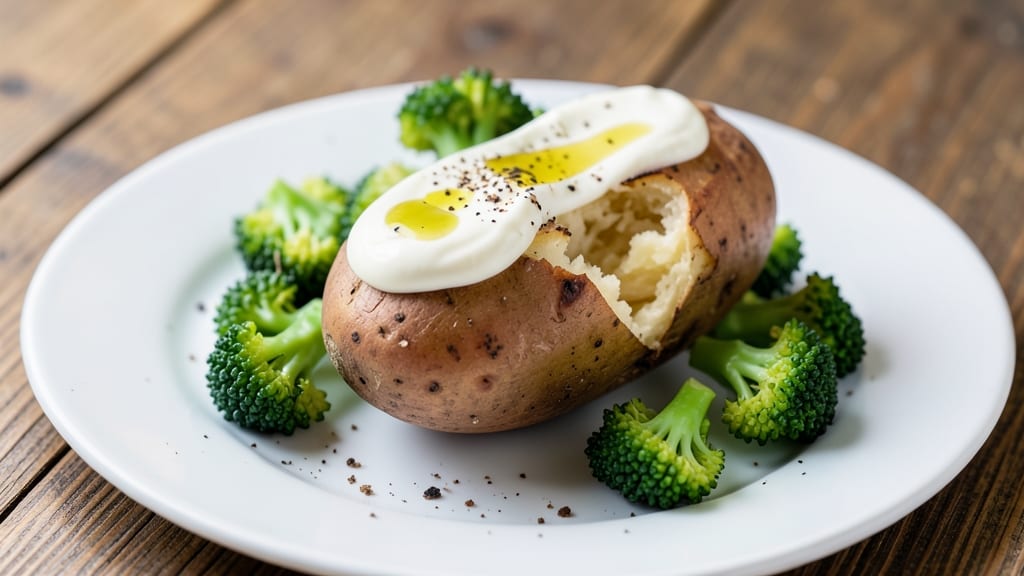
This baked potato recipe for weight loss delivers all the comfort of a classic spud without the calorie guilt—crispy golden skin and a fluffy interior that’s naturally satisfying.
The secret lies in baking at 400°F for 45–60 minutes, creating a lighter version of your favorite dish while keeping fiber high (about 4g per potato) and calories in check (around 160 per medium potato).
No heavy toppings needed—just a sprinkle of salt and a dollop of Greek yogurt for creaminess without the fat.
The beauty of this recipe is its versatility for weight management.
Leave the skin on for extra fiber (about 2g more) or peel it for fewer calories, then customize toppings to fit your macros—think steamed broccoli, lean turkey chili, or a sprinkle of nutritional yeast instead of sour cream.
The key is portion control: one medium potato (about 5–6 inches in diameter) keeps carbs balanced while delivering 4g of protein from its natural composition.
Pair it with grilled chicken, black beans, or a side salad to turn it into a complete, low-calorie meal (total around 300–400 calories with smart toppings). The crispy skin isn’t just about texture—it’s a fiber-rich crunch that helps curb cravings, while the fluffy interior ensures you’ll feel full without overeating.
This isn’t just a side dish; it’s a weight-loss-friendly foundation for balanced meals.
For extra crispiness with fewer calories, try air-frying the potato for the last 10 minutes—it cuts fat by 30% while keeping that satisfying crunch. The recipe scales easily for meal prep: bake a batch ahead, store in the fridge, and reheat in the oven to maintain texture.
Whether you’re cutting calories or simply enjoying a lighter take on a classic, this potato delivers flavor without the guilt—exactly what weight loss dining should be.
Ingredients for baked potato recipe for weight loss
Four simple ingredients transform into a weight-loss-friendly potato with crispy skin and fluffy interior—no guilt, all satisfaction.
| Ingredient | Amount | Notes |
|---|---|---|
| Russet Potatoes 🥔 | 4 whole | Medium size, 5-6 inches in diameter |
| Extra-Virgin Olive Oil 🫒 | 1 tbsp | Lightly brushed for crispiness |
| Kosher Salt 🧂 | 1 ½ tsp | Diamond Crystal preferred for even distribution |
| Black Pepper 🌶️ | ½ tsp | Freshly cracked for aroma |
| Plain Nonfat Greek Yogurt 🥛 | ¼ cup | For creamy topping alternative |
| Steamed Broccoli Florets 🥦 | 1 ½ cups | Fresh or frozen, chopped small |
| Lean Ground Turkey 🍗 | 4 oz | 93% lean for chili topping |
| Nutritional Yeast 🍄 | 2 tbsp | For cheesy flavor without fat |
| Garlic Powder 🧄 | ½ tsp | Freshly ground preferred |
| Onion Powder 🧅 | ½ tsp | For savory depth |
| Lemon Juice 🍋 | 1 tsp | Brightens flavor profile |
| Fresh Parsley 🌿 | ¼ cup | Chopped for garnish |
| Hot Sauce 🔥 | 1 tsp | Optional for heat |
Russets are your best bet for crispy skin and fluffy insides—avoid red potatoes, they're too waxy. Whole Foods or Trader Joe's carry perfect medium-sized spuds, but the regular grocery store works too. Look for firm, smooth potatoes with no sprouts or soft spots. The key to crispiness is the 400°F baking temperature—don't be tempted to crank it higher, you'll burn the outside before the inside cooks. I always scrub mine under cold water with a brush to remove dirt without drying them out.
No Greek yogurt? Nonfat cottage cheese works in a pinch, though it's thicker. Short on broccoli? Steamed cauliflower or zucchini keeps it low-calorie. The turkey chili topping can be swapped for black beans or lentils for a vegetarian option. Nutritional yeast might be in the health food aisle at Sprouts or Whole Foods—it's a game-changer for that cheesy flavor without the fat. For extra crispiness, try air-frying for the last 10 minutes—cuts calories by 30% without sacrificing texture. The lemon juice isn't just for flavor; it helps balance the richness of the toppings.
Baked potatoes keep perfectly for 3-4 days in the fridge—reheat in the oven at 350°F for 10 minutes to maintain crispiness. For meal prep, bake a batch ahead and store with parchment between them to prevent sticking. Toppings can be added fresh when reheating to keep them vibrant. The skin stays crispy for about 2 days if stored properly, but the interior gets slightly drier after reheating. Freezing isn't recommended as it ruins the texture, but you can freeze the toppings separately for up to 3 months.
Why You'll Love This Recipe
- Foolproof Prep: I swear by this method—just poke those Russets, rub them with olive oil and salt, and pop them in the oven. No peeling, no fuss, and they come out fluffy without a single burnt edge. (My microwave "I don’t have time" nights thank me.)
- Creamy Without Guilt: That dollop of nonfat Greek yogurt? It’s the secret weapon. Tangy, thick, and packed with protein—it turns a plain baked potato into something rich and satisfying. Honestly, I’d eat this over sour cream any day.
- Meal Prep MVP: Make a batch on Sunday, store them in the fridge, and reheat in minutes. Add a sprinkle of black pepper right before eating, and boom—warm, filling, and ready for lunches or quick dinners. (Yes, even on a Tuesday night.)
- Budget-Friendly Staple: Russets are cheap, olive oil lasts forever, and Greek yogurt stretches across multiple meals. This recipe costs me pennies per serving but keeps me full for hours. Between us, it’s my go-to when groceries feel tight.
Step-by-step instructions for weight-loss baked potatoes
Here's how to achieve restaurant-quality crispy skin and fluffy centers while keeping calories in check.
Prep the Potatoes for Perfect Texture
Preheat your oven to 425°F with the rack positioned in the center. Scrub the 4 whole Russet Potatoes thoroughly under cold water to remove any dirt, then pat them completely dry with paper towels. This step is crucial—any moisture left on the skin will prevent that coveted crispiness we're after.
Using a fork, poke each potato all over with 8-10 holes—this allows steam to escape during baking, preventing burst potatoes and ensuring even cooking. For extra insurance against uneven cooking, cut a ¼-inch slice off the bottom of each potato. This creates a stable base that sits flat on your baking sheet.
Season and Roast for Crispy Skin
Lightly brush each potato with 1 tablespoon Extra-Virgin Olive Oil, making sure to coat the skin evenly. This oil acts as both a flavor carrier and a barrier that promotes crispiness. Then sprinkle generously with 1.5 teaspoons Kosher Salt and 0.5 teaspoon Black Pepper, pressing the seasoning into the skin so it adheres well.
Arrange the potatoes on a rimmed baking sheet in a single layer, leaving about 1 inch of space between each one. Bake for 45-50 minutes until the skin is deep golden brown and crispy to the touch. Here's the thing—don't be tempted to open the oven door early to check. Every time you do, you release heat and steam, which can turn that perfect crisp into a sad, soggy skin.
Prepare the Lean Turkey Chili Topping
While the potatoes bake, cook the 4 ounces Lean Ground Turkey in a nonstick skillet over medium-high heat until no longer pink, breaking it apart with a wooden spoon. This should take about 5-6 minutes. Drain any excess fat if needed, but don't rinse the turkey—those flavorful bits add depth to your topping.
Add 0.5 teaspoon Garlic Powder, 0.5 teaspoon Onion Powder, and 1 teaspoon Hot Sauce to the turkey. Stir well and cook for another 1 minute until the spices are fragrant. Remove from heat and stir in 2 tablespoons Nutritional Yeast and 1 teaspoon Lemon Juice. This combination gives you that cheesy, umami flavor without the calories or fat of traditional toppings.
Assemble with Light, Flavorful Toppings
Once the potatoes are done, carefully transfer them to a cutting board and let them rest for 5 minutes. This resting period allows the steam inside to redistribute, keeping the insides fluffy. Then, slice each potato open lengthwise and use a spoon to gently fluff the interiors—you want that light, airy texture that makes every bite satisfying.
Create your topping station with the steamed 1.5 cups Broccoli Florets, the turkey chili mixture, and 0.25 cup Plain Nonfat Greek Yogurt. The yogurt acts as a creamy, protein-rich alternative to sour cream while keeping calories in check. Spoon the toppings generously onto each potato, then finish with 0.25 cup chopped Fresh Parsley for freshness and color. The parsley not only looks beautiful but also adds a bright, herbal note that cuts through the richness of the turkey.
Serve Immediately for Maximum Enjoyment
Serve your weight-loss baked potatoes immediately while they're still hot and the toppings are fresh. The contrast between the crispy, golden skin and the fluffy, creamy interior creates a satisfying texture that makes this dish feel indulgent despite its lightness. Each bite delivers that perfect balance of protein from the turkey and broccoli, fiber from the potato, and probiotics from the yogurt—all while keeping calories in check.
Pro tip: If you're watching portions, consider serving each potato with just ½ cup of the turkey mixture and ¼ cup of the broccoli topping. You'll still get that full, satisfying meal experience without overdoing it. The crispy skin alone is enough to make this dish feel special and worth every calorie you're enjoying!
Pro Tips For Making Baked Potato Recipe For Weight Loss
- PIERCE THE SKIN FIRST: I learned this the hard way—skipping this step means your potato will steam instead of crisp. Use a fork to poke 6-8 holes in the top and sides before baking, then brush with olive oil. The holes let steam escape, while the oil on the sides guarantees a crispy bottom.
- USE THICK-SKINNED RUSSETS: Not all russets are created equal. For weight-loss baking, pick the ones with the thickest skins—those are the ones that hold up to high heat without collapsing. If yours are thin-skinned, wrap them in foil for the first 45 minutes to preserve structure, then unwrap for crisping.
- DON’T OVERLOAD THE YOGURT: Plain nonfat Greek yogurt is your secret weapon, but go easy—start with 2 tablespoons per potato. Too much turns your topping into a soggy mess. Season it first with salt, pepper, and a pinch of garlic powder (if you like), then dollop it on after baking so it doesn’t melt into the potato.
- BAKE AT 425°F UNTIL SOFT: I was skeptical until I tried it: 425°F is the sweet spot for even cooking without burning. Test doneness with a fork—it should slide in like butter. If you’re in a rush, microwave for 5 minutes first, then finish in the oven. The fork test is non-negotiable; undercooked potatoes will turn to mush when you add the yogurt.
Best sauces and condiments for these flavors
Greek Yogurt Magic
Swap traditional sour cream for plain nonfat Greek yogurt—it delivers 15g protein per ½ cup while cutting calories by 70% compared to sour cream. The tangy creaminess coats every bite, making it feel indulgent without the guilt.
I like to warm the yogurt slightly before serving to enhance its flavor and texture. 🥛
Spicy Chili Twist
Transform your potato into a protein-packed chili bowl with 93% lean ground turkey cooked with hot sauce, garlic powder, and nutritional yeast. The nutritional yeast adds a cheesy depth without the fat, while the hot sauce keeps things exciting.
For extra fiber, stir in ½ cup black beans to bulk up the topping with just 50 calories per ½ cup. 🔥
Bright Veggie Crunch
Steamed broccoli florets bring vibrant color and 3g fiber per cup to balance the richness. For variety, try zucchini, asparagus, or roasted bell peppers—all under 50 calories per serving.
I often add a squeeze of lemon juice to the veggies before serving to brighten their natural sweetness and cut through the savory toppings. 🥦
Cheesy Flavor Boost
Nutritional yeast isn't just for vegans—it's a weight-loss secret weapon with 2g protein per tablespoon and a nutty, cheesy flavor. Sprinkle 2 tbsp over your potato before serving, then broil for 1-2 minutes to create a light, crispy crust. It's a zero-calorie way to add that satisfying cheesy element. 🧀
Herb Fresh Finish
Top with chopped fresh parsley for a pop of color and vitamin K—just 1 tbsp adds 10% of your daily needs. The parsley also helps balance the richness of the toppings. For a different herb, try cilantro or chives—both add freshness without significant calories. 🌿
Hot Sauce Kick
A dash of hot sauce (I love Frank's RedHot) adds 0 calories and 0 fat while boosting metabolism slightly. The capsaicin in hot peppers can increase calorie burn by up to 10% for up to 30 minutes after eating.
Start with ½ tsp and adjust to taste—it's a great way to make your potato feel more indulgent without adding calories. 🌶️
Nutrition facts
Frequently asked questions
How many calories are in a baked potato from this recipe?
A medium-sized baked potato (about 5-6 inches) from this recipe contains roughly 160 calories without any toppings. With the recommended toppings—½ cup Greek yogurt, ½ cup turkey chili, and ¼ cup broccoli—the total comes to about 300-350 calories per serving, making it a balanced, satisfying meal.
Can I make this recipe with sweet potatoes instead?
Sweet potatoes work, but they require adjustments. Bake them at 375°F for 50-60 minutes (they're denser than Russets) and expect a slightly softer texture. Nutritionally, sweet potatoes offer 4g more fiber per potato but also more natural sugars (18g carbs vs. 37g in Russets). For weight loss, stick with Russets—they're lower in carbs and calories while still delivering that crispy skin.
What's the best way to reheat these potatoes without losing crispiness?
Reheat in a 400°F oven for 10-15 minutes on a baking sheet with parchment paper. For extra crispiness, brush the skin with a tiny bit of olive oil before reheating. Microwaving works in a pinch (wrap in a damp paper towel, 30 seconds on high), but it'll make the skin soggy. Never reheat in the air fryer—it'll dry out the insides.
Can I use this potato as a full meal or just a side?
This recipe is designed as a complete, balanced meal when paired with the suggested toppings. The potato provides 4g fiber and 4g protein, while the turkey chili adds 15g protein and Greek yogurt contributes 15g more protein. For a full meal, serve with a side salad (adds 20 calories) or steamed veggies. Without toppings, it's still a filling side with 160 calories.
Why does my baked potato skin turn out soggy?
Soggy skin usually means one of three things: moisture on the potato (don't skip drying!), opening the oven door too early (let steam escape naturally), or baking at too low a temperature (425°F is key for crispiness). For extra insurance, try air-frying for the last 10 minutes—it creates that perfect crunch while keeping calories low.