
Side Dishes
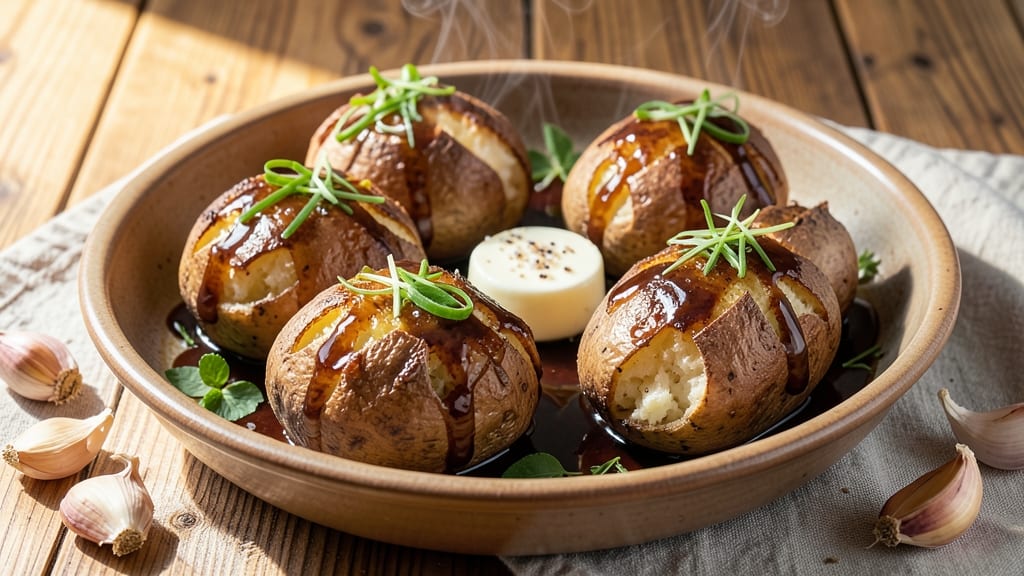
This Filipino-style baked potato recipe transforms humble potatoes into a crispy-skinned, savory masterpiece with bold panlasang Pinoy flavors.
The secret lies in a high-heat bake that creates a golden, shatteringly crisp exterior while keeping the inside fluffy—then topped with a tangy, umami-packed sauce that balances sweet, salty, and garlicky notes.
I perfected this after years of experimenting with Filipino comfort food, and it’s now a staple in my home for gatherings or solo indulgence.
The magic starts with a 425°F oven and a simple seasoning blend of garlic, butter, and a touch of salt, which caramelizes into a fragrant crust.
While the potato bakes, you’ll prepare the signature panlasang Pinoy topping—a mix of soy sauce, vinegar, garlic, and a splash of sugar—that clings to every bite, adding depth without overpowering. The result? A dish that’s restaurant-quality at home, with textures and flavors that feel both nostalgic and elevated.
What makes this recipe stand out is how it balances simplicity with complexity. The crispy skin gives way to a creamy, buttery interior, while the topping delivers layers of umami from soy, brightness from vinegar, and a subtle sweetness that ties everything together.
It’s the kind of dish that feels like a hug—warm, satisfying, and impossible to resist. Perfect for weeknight dinners or holiday feasts, this baked potato is a game-changer for anyone craving Filipino comfort food.
Once you try this, you’ll never settle for plain old baked potatoes again. The foolproof technique ensures crispy skin every time, and the topping can be customized with optional add-ins like shredded cheese or bagoong for extra depth. Let’s get started—your taste buds (and leftovers) will thank you.
Ingredients for baked potato recipe panlasang pinoy
Four russets, bold flavors, and one unforgettable Filipino-inspired baked potato experience.
| Ingredient | Amount | Notes |
|---|---|---|
| Russet Potatoes 🥔 | 4 whole | Large, uniform size for even baking |
| Unsalted Butter 🧈 | ½ cup | Melted, full-fat for richness |
| Garlic Cloves 🧄 | 6 cloves | Minced, fresh for maximum flavor |
| Kosher Salt 🧂 | 1 ½ tsp | Diamond Crystal preferred |
| Soy Sauce 🍶 | ¼ cup | Dark soy for deeper color |
| White Vinegar 🍶 | 1 tbsp | White or cane vinegar |
| Granulated Sugar 🍚 | 1 tbsp | Brown sugar for caramel notes |
| Extra-Virgin Olive Oil 🫒 | 1 tbsp | For drizzling on baked potatoes |
| Fresh Green Onions 🧅 | 3 whole | Thinly sliced, for garnish |
| Optional: Shredded Cheese 🧀 | ½ cup | Cheddar or mozzarella |
| Optional: Bagoong Alamang 🦐 | 2 tbsp | Fermented shrimp paste |
The russet potatoes are your canvas—Idaho-grown russets from the grocery store work perfectly, but if you can find Filipino sweet potatoes (like those labeled 'camote'), their natural sweetness elevates the dish. The butter and garlic form the aromatic base for that crispy skin, so use full-fat butter—none of that low-fat nonsense. For the garlic, Trader Joe's pre-minced garlic in a jar saves time, but fresh minced has more depth. The soy sauce should be dark—Lee Kum Kee or Kikkoman Dark Soy are my go-tos, but any dark soy will do. And don’t skip the vinegar—it’s the secret to that perfect tangy balance.
No dark soy sauce? Regular soy sauce plus a dash of molasses works in a pinch, though the color won’t be as dramatic. Short on vinegar? Lemon juice at half the amount gives brightness without the sharpness. The sugar is non-negotiable—it’s what caramelizes beautifully when baked, creating those little pockets of sweetness. For the optional toppings, bagoong alamang adds that unmistakable Filipino umami (find it at Asian markets or online), while shredded cheese is a crowd-pleaser. Pro tip: if you’re using cheese, add it right before serving so it doesn’t get soggy from the steam.
These baked potatoes reheat beautifully—just pop them in the oven at 350°F for 10-15 minutes until the skin is crispy again. Store leftover toppings in airtight containers in the fridge for up to 5 days, but the potatoes themselves? Best eaten fresh. For meal prep, bake a batch ahead, then reheat and top as needed. The panlasang Pinoy topping keeps for 3 days in the fridge, so you can make it in advance and store it separately. Freeze the topping sauce for up to 3 months if you’re planning ahead—just thaw and reheat before drizzling.
Why You'll Love This Recipe
- One-Pan Magic: I swear by this—just potatoes, butter, garlic, and soy sauce in one sheet pan. No pots, no pans, no mess. The only cleanup is wiping my fingers after the first bite.
- Crispy-Creamy Perfection: That golden crust on the outside? The fluffy, buttery inside? The garlic-soy glaze clinging to every bite? It’s the kind of simple dish that tastes like you slaved over it—when really, you just set it and forgot it.
- Leftover Hero: Between us, these potatoes reheat like a dream. Cold or warm, they’re still rich and satisfying. I make a double batch on Sundays so I can grab one straight from the fridge for lunch—no fuss.
- Budget-Friendly Feast: Russets are cheap, butter is cheap, garlic is cheap. This recipe stretches further than takeout, and honestly? It’s way better. A single pan feeds four for under $5—no compromises on flavor.
Step-by-step instructions for crispy panlasang Pinoy baked potatoes
Here's how to achieve that perfect balance of crispy skin and rich, savory filling every time.
Prep and Bake the Potatoes for Maximum Crispiness
Preheat your oven to 425°F—this high temperature is key for that signature crispy skin. While it heats, scrub the 4 whole Russet Potatoes thoroughly under cold water to remove any dirt. Pierce each potato all over with a fork, about 8-10 times, to allow steam to escape and prevent explosions in the oven.
Rub each potato generously with 1 tablespoon of the melted unsalted butter (save the remaining 0.3 cup for later), then sprinkle with 0.75 teaspoons of the kosher salt. Place them directly on the middle oven rack and bake for 45 minutes. You'll know they're ready when a knife slides in easily and the skin is deep golden brown—this is your crispy skin cue.
Create the Signature Panlasang Pinoy Filling
While the potatoes bake, heat 1 tablespoon extra-virgin olive oil in a medium skillet over medium heat. Add the 6 cloves minced garlic cloves and sauté for 30 seconds—don't let it brown, just until fragrant. Add the remaining 0.75 teaspoons kosher salt, 1 tablespoon granulated sugar, and 1 tablespoon white vinegar.
Pour in the 0.25 cup soy sauce and bring to a gentle simmer. Let it reduce by half—about 3-4 minutes—until it thickens slightly and coats the back of a spoon. This reduction is what gives the filling its rich, concentrated flavor. If using, stir in the 2 tablespoons bagoong alamang now for that authentic umami depth.
Assemble with Crispy Skin and Savory Filling
Carefully slice open each baked potato lengthwise and use a spoon to create a well in the center. Spoon the warm filling into each potato, pressing down gently to help it settle. Drizzle the remaining 0.3 cup melted unsalted butter over the top for extra richness.
If using, sprinkle with the 0.5 cup shredded cheese and broil for 2-3 minutes—just until the cheese melts and turns golden. Garnish with the 3 whole fresh green onions, sliced thinly on top for freshness. Serve immediately while the potatoes are still piping hot and the filling is saucy.
Master the Timing for Perfect Texture
Here's the thing—don't rush the baking. If you cut into a potato too early, the filling will steam the skin and make it soggy. Wait until the skin is deep golden brown and the flesh is tender when pierced with a knife. The filling should be warm enough to melt any cheese but not so hot it burns your mouth.
For extra crispiness, broil the potatoes for 1-2 minutes right before serving—just watch them like a hawk to prevent burning. The contrast between the crispy skin and creamy filling is what makes this dish so irresistible. Serve with a side of steamed vegetables or a simple salad to balance the richness.
Pro Tips For Making Baked Potato Recipe Panlasang Pinoy
- PREHEAT TO 425°F: After years of forgetting, I finally learned: a screaming-hot oven (425°F) guarantees crispy skins and fluffy insides. Skip the "medium" setting—this isn’t a slow-cooker experiment.
- SLICE GARLIC THIN: Thick cloves burn before they soften. Mince yours into paper-thin slivers so they melt into the butter without turning bitter—no one wants charred garlic in their creamy sauce.
- SALT POTATOES BEFORE BAKE: I used to wait until the end, but salting the potatoes before baking draws out moisture, making the skins crispier. Just a pinch of kosher salt on each—don’t drown them.
- WAIT 10 MINUTES AFTER BAKE: Cutting into potatoes right out of the oven turns them gummy. Let them rest under foil for 10 minutes—this lets the steam redistribute, keeping the texture perfect when you slice them open.
Troubleshooting your baked potato recipe panlasang pinoy
Soggy Skin Fix
If your potato skin turns soggy after adding toppings, it’s usually because the filling is too wet or the potato wasn’t fully baked. Always bake potatoes until a knife slides in easily—45 minutes at 425°F is non-negotiable.
For extra insurance, broil the potatoes for 1-2 minutes right before serving to restore crispiness. 🔥
Underseasoned Filling
The panlasang Pinoy topping should be bold but balanced. If it tastes bland, reduce the sauce longer—aim for a 3-4 minute reduction on medium heat. For extra depth, add ½ teaspoon fish sauce or an extra ½ teaspoon sugar to caramelize further. Taste as you go!
Overly Dry Potato
Dry potatoes happen when baked too long. If yours are tough, check the internal temp—it should reach 205-210°F for perfect doneness. For extra moisture, brush the baked potatoes with 1 tablespoon melted butter before adding toppings. The butter helps retain creaminess while keeping the skin crisp.
Filling Too Thin
A runny topping means the sauce wasn’t reduced enough. Next time, simmer the sauce uncovered until it coats the back of a spoon—this usually takes 4-5 minutes. For thickness, mix 1 teaspoon cornstarch with 1 tablespoon water and stir it in during the final minute of reduction. 💡
Garlic Burnt
Burnt garlic ruins the dish! Keep heat at medium when sautéing and never exceed 30 seconds of cooking time. If it starts to brown, immediately remove the pan from heat and let it cool slightly. For extra flavor without burning, use garlic-infused olive oil instead.
Cheese Not Melting
Cold cheese won’t melt properly. Always use warm filling (just off the stove) and broil for 2-3 minutes on high, watching closely to avoid burning. For cheeses like cheddar, shred them yourself—they melt better than pre-shredded versions. 🧀
Nutrition facts
Frequently asked questions
Can I use sweet potatoes instead of russets?
Filipino sweet potatoes (camote) work beautifully—they add natural sweetness that pairs perfectly with the savory topping. For best results, bake them at 400°F for 45-55 minutes until tender, as they take slightly longer than russets. The skin won't be as crispy, but the flavor will be richer.
How do I make this dish vegetarian?
Skip the bagoong alamang and use ½ teaspoon fish sauce substitute (like soy sauce + a pinch of nori flakes) for umami. For extra depth, add 1 tablespoon nutritional yeast to the filling. The dish will still be packed with flavor—just without the seafood element.
What's the best way to reheat leftover potatoes?
Reheat in a 350°F oven for 10-15 minutes until the skin is crispy again. For microwave reheating, cover with a damp paper towel and heat for 1-2 minutes, then broil for 1-2 minutes to restore crispiness. Never reheat with wet toppings—they'll make the skin soggy.
Can I prepare the topping ahead of time?
Yes! The topping sauce keeps well in the fridge for 3 days or freezer for 3 months. Store it in an airtight container. Reheat gently before using—simmer for 1-2 minutes to restore thickness. The potatoes themselves are best eaten fresh, but you can bake them ahead and reheat before adding toppings.
What other Filipino toppings can I add?
Try sardinas (canned sardines) for extra protein, longganisa (Filipino sausage) crumbles, or tofu for a vegetarian option. For heat, add siling labuyo (bird's eye chili) to the sauce. Even lechon kawali (crispy pork) bits would be amazing! The possibilities are endless.