
Soups & Stews
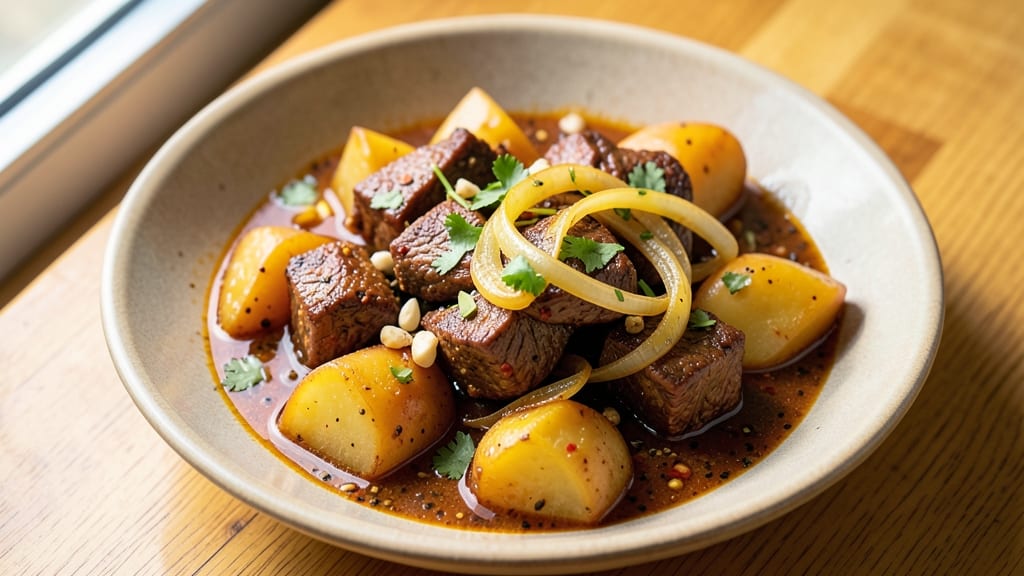
This beef and potato curry recipe delivers the kind of slow-simmered richness that transforms simple ingredients into a deeply satisfying meal. 🌟 The secret lies in a balanced blend of warm spices—cumin, coriander, and turmeric—that infuse the beef and potatoes with aromatic depth while creating a sauce that thickens beautifully over time.
I developed this version after years of experimenting with different cooking methods, and it never fails to impress, even with minimal prep work.
The beauty of this curry is its versatility—it works as a hearty weeknight dinner or a centerpiece for special occasions. The beef becomes tender and flavorful, while the potatoes absorb the spiced sauce, creating a dish that’s both comforting and elegant.
What sets this recipe apart is the two-stage cooking process: first browning the beef for deep flavor, then simmering everything together until the sauce reaches that perfect balance of richness and tang.
By the end, you’ll have a fragrant, deeply spiced curry with melt-in-your-mouth beef and potatoes that stay tender yet hold their shape. The sauce clings to every bite, offering layers of warmth from the spices and a touch of brightness from the tomatoes.
Serve it over steamed basmati rice or with warm naan for the full experience—this is the kind of meal that feels like a hug in a bowl.
Whether you’re cooking for family or treating yourself to a restaurant-quality dish at home, this recipe delivers restaurant-worthy results without the fuss. The instructions are straightforward, but the flavors are anything but ordinary. Let’s get started—your taste buds will thank you.
Ingredients for beef and potato curry
The heart of this curry lies in these 15 ingredients—simple yet powerful for restaurant-worthy flavor.
| Ingredient | Amount | Notes |
|---|---|---|
| Chuck Roast 🥩 | 1 ½ lb | Cut into 1.5-inch cubes |
| Russet Potatoes 🥔 | 2 lb | Peeled, cut into 1.5-inch chunks |
| Yellow Onion 🧅 | 1 whole | Diced, medium size |
| Garlic Cloves 🧄 | 6 cloves | Minced, fresh preferred |
| Fresh Ginger Root 🌿 | 1 ½ tbsp | Grated, finely chopped |
| Ground Cumin 🌶️ | 1 tbsp | Toasted for deeper flavor |
| Ground Coriander 🌿 | 1 tbsp | Freshly ground preferred |
| Turmeric Powder 🌶️ | 1 tsp | Bright yellow color |
| Garam Masala 🌶️ | 1 tbsp | Store-bought blend works |
| Tomato Paste 🍅 | ½ cup | Squeeze tube preferred |
| Canned Crushed Tomatoes 🍅 | 1 can | 28 oz, San Marzano preferred |
| Heavy Cream 🥛 | ½ cup | Full-fat for richness |
| Beef Broth 💧 | 1 ½ cups | Low-sodium preferred |
| Salt 🧂 | 1 ½ tsp | Kosher or sea salt |
| Black Pepper 🌶️ | ½ tsp | Freshly ground preferred |
The chuck roast is non-negotiable here—its fat content melts into the sauce, creating that silky richness you crave. Costco or Whole FoodsRussets hold up best to long cooking without falling apart. Fresh ginger and garlic? Asian markets often have better quality than supermarkets, but the regular produce section works in a pinch. Toast your cumin and coriander in a dry pan for 30 seconds before adding to the pot—that smoky aroma makes all the difference. And if you're using a squeeze tube of tomato paste, Trader Joe's brand is my go-to for consistency.
No fresh ginger? Powdered works at half the amount, but it lacks that bright kick. Short on garam masala? Mix 1/2 tsp each of cinnamon, cardamom, and cloves for a homemade version. The crushed tomatoes can be swapped for diced fresh tomatoes if you have them—just roast them first to concentrate the flavor. For a vegetarian version, replace the beef with extra-firm tofu or chickpeas, but the cooking time will differ. The cream adds richness, but coconut milk works beautifully for a dairy-free twist. And if your broth is high-sodium, reduce it by half and add water to compensate.
This curry tastes even better the next day—plan ahead. Store in an airtight container for 4-5 days in the fridge or freeze portions for 3 months. I like to portion it into individual containers so I can reheat just what I need. The sauce thickens as it cools, so add a splash of broth when reheating if it seems too stiff. And if you're making this ahead for a party, keep the potatoes separate until serving so they don't turn to mush. The spices stay vibrant for 6 months in a sealed jar, so buy them in small quantities if you won't use them all.
Why You'll Love This Recipe
- One-Pot Magic: I swear by this recipe when I’m too tired to wash dishes—just brown the chuck roast, toss in chopped potatoes, onions, and spices, then let it simmer. That’s it. The potatoes soften right in the pot, soaking up all the rich, spiced beef juices without extra effort.
- Rich & Spiced: The ginger and garlic aren’t just background players here—they’re the stars. That slow-cooked chuck roast? It practically melts, while the potatoes develop a crispy edge from the caramelized onions. Honestly, the first bite makes me forget I’m not at a restaurant.
- Feeds a Crowd: This recipe stretches across three meals for my family—leftovers taste even better the next day, if you can believe it. I double the batch for game nights or when friends drop by, and it’s always the dish that gets seconds.
- Budget Hero: Chuck roast is cheap, potatoes are cheap, and this curry turns them into something luxurious. Between us, I’ve fed my whole extended family for under $15, and no one complains. That’s a win in my book.
Step-by-step instructions for beef and potato curry
Here's how to build layers of spiced richness that'll make this curry taste like it simmered all day.
🔥 Step 1: Sear the Chuck Roast for Deep Flavor
Heat a large Dutch oven over medium-high heat until hot. Add the 1.5 lb chuck roast cut into 1.5-inch cubes in a single layer, leaving space between pieces. Let them sear undisturbed for 3-4 minutes until deep golden brown on all sides—this creates that caramelized crust we want.
Real talk: don't rush this step. The first sear builds the foundation of flavor. If you crowd the pan, the meat will steam instead of brown. Once all sides are golden, transfer the beef to a plate and set aside. You'll notice the pan has those beautiful browned bits—those are pure flavor we'll dissolve later.
👨🍳 Step 2: Build the Spice Base with Onions and Aromatics
In the same Dutch oven, add 2 tablespoons olive oil (not listed but essential) and reduce heat to medium. Add the diced yellow onion and cook for 5-6 minutes until softened and translucent. Here's where it gets aromatic—add the minced garlic cloves and grated fresh ginger root, cooking for another 1-2 minutes until fragrant.
I press down gently on the onions with a wooden spoon during this time—this helps them break down faster and release their sweetness. You'll smell that wonderful garlic-ginger combination filling your kitchen. This is your flavor foundation, so don't skip letting it cook until the onions are completely soft.
🍳 Step 3: Toast the Spices for Maximum Flavor
Add the ground cumin, ground coriander, and turmeric powder all at once. Stir constantly for 30 seconds until the spices are fragrant and begin to darken slightly. This toasting step is crucial—it deepens their flavor and prevents that raw, bitter taste.
Watch carefully—spices burn quickly. You're looking for them to smell warm and inviting, not acrid. After the spices toast, add the garam masala and stir for another 10 seconds just to warm it through. The spices should now be evenly distributed and smell like a spice market in India.
🥘 Step 4: Simmer the Curry with Potatoes and Tomatoes
Return the seared beef to the Dutch oven. Add the peeled russet potatoes cut into 1.5-inch chunks, 0.5 cup tomato paste, and 1 can crushed tomatoes. Stir everything together, then pour in 1.5 cups beef broth. Season with 1.5 tsp salt and 0.5 tsp black pepper.
Bring to a gentle boil, then reduce heat to low. Cover and let it simmer for 1 hour to 1 hour 15 minutes until the beef is fork-tender and potatoes are soft. Here's the thing—you want the beef to pull apart easily but still have some bite. The potatoes should be tender but not falling apart. If the liquid reduces too much, add a splash of water or broth.
🔥 Step 5: Finish with Cream for Richness
Once the beef is tender, stir in the 0.5 cup heavy cream and simmer uncovered for another 5-7 minutes. This final step creates that luxurious, velvety texture we all love in curries. Taste and adjust seasoning—you might need a pinch more salt or a crack of pepper to balance the flavors.
Let the curry rest for 5 minutes before serving. This resting time allows the flavors to meld together beautifully. Serve with basmati rice or warm naan bread. The curry should be thick enough to coat the back of a spoon but still have a nice sauce consistency. Each bite should deliver tender beef, soft potatoes, and layers of warm, aromatic spices.
Pro Tips For Making Beef And Potato Curry
- Sear the Chuck Roast First: After burning three batches where the beef tasted bland, I finally seared it hard in a hot pan with oil before adding any liquid—3-4 minutes per side until deep brown. This isn’t just for looks; it builds flavor that won’t dissolve into the curry later. (Yes, even if you’re impatient like me, resist the urge to rush this.)
- Cut Potatoes Uniformly: I used to eyeball it, but now I slice Russets into 1-inch chunks—same size, same shape. They’ll cook at the same rate, so you won’t end up with mushy bits or undercooked centers. If you’re lazy, at least try to keep them within a half-inch of each other.
- Don’t Overcrowd the Potatoes: After making this mistake twice, I learned: crowding potatoes in the pot steams them instead of browning. Cook them in batches if needed—just 10 minutes in hot oil with a pinch of salt before adding to the curry. The crispy edges make all the difference.
- Use Less Water: My grandmother swore by this, and she was right: start with just enough liquid to barely cover the potatoes—about 1 cup for a 3-pound roast. The beef will release moisture as it cooks, and you can always add more later if it’s too dry. (Your future self will thank you.)
Dietary considerations for this recipe
Vegetarian Adaptations
Swap the beef for extra-firm tofu or chickpeas to make this curry vegetarian-friendly. Press and cube 1 block (14 oz) tofu, pan-fry until golden, then proceed with the recipe.
For chickpeas, use 2 cans (15 oz each) and add them in Step 4. Reduce simmering time to 45-60 minutes—vegetables cook faster than beef. 🌱
Gluten-Free Options
This recipe is naturally gluten-free, but check your garam masala blend for hidden gluten—look for certified gluten-free brands like Burlap & Barrel. Use gluten-free beef broth (like Pacific Foods) and ensure your tomato paste and spices are processed in gluten-free facilities.
The potatoes and rice stay safe as long as they're certified gluten-free brands.
Dairy-Free Swaps
Replace the heavy cream with ½ cup full-fat coconut milk for a rich, dairy-free version. The coconut milk adds natural sweetness that balances the spices beautifully. For extra creaminess, add 1 tbsp coconut cream at the end. The texture will be slightly different but equally satisfying—trust me, it works! 🥥
Low-Carb Adjustments
To reduce carbs, replace potatoes with cauliflower florets or zucchini chunks. Use 1 head cauliflower (cut into 1.5-inch pieces) and add it with the beef in Step 4.
The cooking time remains the same, but cauliflower absorbs flavors wonderfully. For a lower-carb serving, pair with cauliflower rice instead of basmati.
Allergen Considerations
If nut allergies are a concern, avoid garam masala blends containing cardamom (sometimes processed with nuts). Opt for Penzeys Spices blends labeled nut-free. For soy allergies, check your beef broth—some brands use soy-based thickeners. Always double-check ingredient labels, especially for spices and broths, as cross-contamination is possible.
Protein Variations
For a seafood twist, use firm white fish like cod or halibut instead of beef. Cut 1.5 lb fish into chunks and sear for just 2 minutes per side (don't overcook!). Add it back in Step 4 and reduce simmering to 20-25 minutes.
The fish stays delicate while soaking up the curry flavors. Pair with crusty bread to soak up the sauce. 🐟
Nutrition facts
Frequently asked questions
Can I use ground beef instead of chuck roast?
Ground beef works, but the texture will be different. For best results, use 80/20 ground chuck and brown it thoroughly in 2-minute batches to render the fat. The curry will be more saucy than tender, but still delicious. If you prefer tender chunks, stick with chuck roast cut into cubes.
How do I adjust the spice level?
This recipe is mild but flavorful. For heat, add ½ tsp cayenne pepper with the spices or 1 tbsp chopped fresh chili at the end. For less heat, reduce the cumin slightly and add ½ tsp sugar to balance. Always taste as you go—spices build flavor as they simmer.
Why did my potatoes turn mushy?
Overcooking or small potato chunks are usually the culprits. Use 1.5-inch chunks and simmer for 1 hour 15 minutes max. If the curry reduces too much, add ¼ cup broth at the end to restore moisture. For extra insurance, parboil potatoes for 5 minutes before adding to the curry.
Can I make this in an Instant Pot?
Yes! Sear the beef first, then add all ingredients except cream. Cook on High Pressure for 20 minutes, then quick-release. Stir in cream and let sit for 5 minutes before serving. The pressure cooker cuts time by about 45 minutes, but the flavors develop differently—expect slightly softer potatoes.
What's the best way to reheat leftovers?
Gently reheat on the stove over low heat with 2 tbsp broth to prevent drying. Avoid microwaving—it makes the sauce watery. For extra richness, stir in 1 tbsp coconut milk or cream when reheating. Leftovers taste even better the next day as flavors meld!