
Soups & Stews
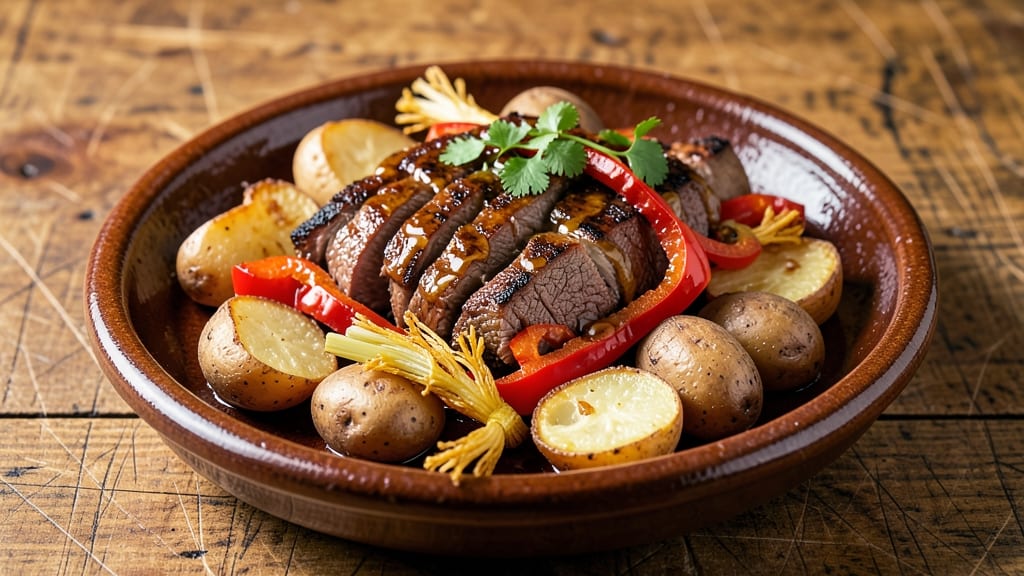
This beef giniling with potato recipe brings a taste of Filipino comfort food to your table with its signature crispy celery crown and tender beef. The traditional giniling method—pounding beef with garlic and spices—creates a rich, aromatic base that transforms simple ingredients into a hearty stew.
What makes this dish special is the balance of textures: crispy fried celery crowns add crunch, while potatoes soak up the savory broth.
The secret to achieving that perfect crispy celery crown lies in frying the celery stalks until golden brown, creating a delicate yet satisfying crunch that contrasts beautifully with the tender beef and soft potatoes.
This dish is more than just a meal—it’s a celebration of Filipino home cooking, where every bite carries the warmth of family gatherings and shared traditions.
By the time you serve this stew, you’ll have a bowl of rich, flavorful beef simmered with garlic, vinegar, and spices, topped with crispy celery crowns and fluffy potatoes. The aroma alone will draw everyone to the table, promising a meal that’s both comforting and unforgettable.
Perfect for family dinners or special occasions, this recipe delivers restaurant-quality results with minimal effort. Let’s get started on creating this beloved Filipino classic in your own kitchen.
Ingredients for beef giniling with potato
Filipino pantry staples meet tender beef and crispy celery crowns in this hearty stew.
| Ingredient | Amount | Notes |
|---|---|---|
| Beef Chuck Roast 🥩 | 3 lb | Cut into 1-inch cubes |
| Yellow Onions 🧅 | 3 whole | Medium-sized, sliced |
| Garlic Cloves 🧄 | 12 cloves | Peeled, minced |
| Russet Potatoes 🥔 | 3 lb | Peeled, cut into chunks |
| Celery Stalks 🧅 | 6 whole | For crispy crowns, cut into 3-inch pieces |
| Canola Oil 🫒 | 4 tbsp | For frying celery crowns |
| White Vinegar 🍶 | ½ cup | Distilled preferred |
| Soy Sauce 🍶 | ½ cup | Regular or light |
| Ground Black Pepper 🌶️ | 1 tbsp | Freshly ground |
| Salt 🧂 | 1 ½ tsp | Diamond Crystal preferred |
| Bay Leaves 🍃 | 2 whole | Dried, for simmering |
| Green Bell Pepper 🌶️ | 1 whole | Sliced, optional garnish |
| Fresh Parsley 🌿 | ¼ cup | Chopped, for garnish |
The beef is the foundation—chuck roast delivers that signature tender, fall-apart texture after hours of simmering. Look for well-marbled cuts at your local butcher or Costco for bulk savings. The celery crowns require patience: fry them in canola oil at 350°F until golden brown, then drain on paper towels. For the garlic, 12 cloves might seem excessive, but they're essential for that authentic giniling flavor. Freshly minced garlic releases more aroma than pre-minced, so take the extra minute to peel and chop them yourself.
No canola oil? Vegetable or peanut oil works just as well for frying. Short on soy sauce? Coconut aminos or fish sauce (if vegetarian isn't required) can substitute, though the flavor profile will shift slightly. The potatoes should be Russet—their waxy texture holds up best to long simmering. For extra depth, add 1 tsp of sugar to the stew to balance the vinegar's acidity. The bay leaves are non-negotiable; they infuse that subtle herbal note that makes this dish truly Filipino. If you can't find fresh parsley, dried oregano at half the amount works in a pinch.
This stew tastes even better the next day as flavors meld. Store leftovers in an airtight container in the fridge for up to 5 days, or freeze portions for 3 months. The crispy celery crowns lose their crunch after 24 hours, so fry them fresh before serving. For meal prep, assemble the stew without the celery crowns, then fry them separately when ready to eat. Garnish with sliced green bell pepper and chopped parsley just before serving to keep the colors vibrant.
Why You'll Love This Recipe
- One-Pot Magic: I swear by this—no chopping like a maniac, no separate pans. Just toss the beef, potatoes, onions, and celery into one deep pot, add water, and let it simmer. The potatoes soften right in the broth, soaking up all that rich beef flavor without extra effort.
- Deep Umami Bomb: That slow-cooked beef chuck? It practically melts in your mouth, tender enough to cut with a fork. The garlic and onions caramelize into the broth, giving every bite this warm, savory punch that makes you reach for seconds.
- Lunchbox Hero: Between us, this is my secret weapon for meal prep. The leftovers taste even better the next day—just reheat and serve. Pack it in containers for work lunches, or bring it to potlucks where it disappears faster than the chips.
- Budget Feast: A whole roast and potatoes for less than takeout? Yes, please. The beef stretches across multiple servings, and the potatoes bulk it up without breaking the bank. Honestly, it’s the kind of dish that makes grocery day feel like a win.
Step-by-step instructions for beef giniling with potato stew
This rich, savory stew delivers tender beef and crispy celery crowns in perfect harmony.
Prepare the Crispy Celery Crowns
Cut the 6 whole celery stalks into 3-inch pieces, leaving the leafy tops intact. Heat 4 tablespoons canola oil in a large skillet over medium-high heat until shimmering. Add the celery crowns in a single layer and fry for 3-4 minutes until the edges turn golden brown and crispy.
Real talk: don't overcrowd the pan or they'll steam instead of crisp. Transfer the fried celery to a paper towel-lined plate to drain excess oil. Set aside—these crispy crowns add incredible texture contrast to the stew.
Sear the Beef Chuck Roast
Cut the 3 lb beef chuck roast into 1-inch cubes and pat them dry with paper towels. Heat the same skillet over medium-high heat (no additional oil needed) and sear the beef in batches for 2-3 minutes per side until deeply browned. The beef should develop a rich crust—this builds the stew's foundation flavor.
If the beef releases easily from the pan, it's ready. Remove and set aside, but leave the browned bits in the pan—they're packed with flavor. Work in batches if needed to avoid overcrowding.
Build the Flavor Base
Add the 3 whole yellow onions (sliced) to the same skillet and cook over medium heat for 5-6 minutes until softened and slightly caramelized. Stir in the 12 cloves garlic cloves (minced) and cook for 30 seconds until fragrant. This aromatic base forms the heart of your stew.
Here's where it gets good—pour in the 0.5 cup soy sauce and 0.5 cup white vinegar, scraping up all those browned bits from the bottom. Let it simmer for 2 minutes to meld the flavors. This combination creates the signature tangy-savory balance of giniling.
Simmer the Stew
Return the seared beef to the skillet and add 3 lb russet potatoes (peeled and cut into chunks), the 2 whole bay leaves, 1.5 teaspoons salt, and 1 tablespoon ground black pepper. Pour in enough water to just cover the ingredients—about 6 cups. Bring to a boil, then reduce heat to low and simmer uncovered for 1.5 hours until the beef is fork-tender.
Stir occasionally to prevent sticking, but avoid breaking up the beef pieces. The potatoes should be tender and the beef should pull apart easily. This slow cooking transforms tough cuts into melt-in-your-mouth tenderness.
Finish and Serve
Discard the bay leaves and adjust seasoning if needed. Stir in the crispy celery crowns and let them warm through for 1-2 minutes. Garnish with 0.25 cup chopped fresh parsley and sliced green bell pepper if using. Serve immediately with steamed rice to soak up every rich, savory bite.
The crispy celery crowns should maintain their texture while adding a delightful crunch contrast to the creamy stew. This dish tastes even better the next day as flavors deepen—just reheat gently to preserve the celery's crispness.
Pro Tips For Making Beef Giniling With Potato
- Sear the Chuck Roast First: I learned this the hard way—skipping the sear means flavorless beef. Pat the roast dry, then hit it with high heat in your Dutch oven until it’s deep brown on all sides. That crust locks in juices and adds depth the slow cooking can’t match.
- Cut Potatoes into Even Slices: Uneven potatoes mean some mushy, some undercooked. Aim for ½-inch thick slices—thinner ones cook faster, so layer them with the beef’s fattier sides up. No one wants a pot of sad, waterlogged spuds.
- Don’t Overcrowd the Pot: Tossing everything in at once just steams the beef. Start with onions, garlic, and celery in the pot, then add the beef and potatoes in stages. Crowding turns your rich broth into a sad, watery mess.
- Use Cold Potatoes for Even Cooking: Sounds weird, but it works—tossing in cold potato slices ensures they cook through without turning to mush. If you’re impatient, at least soak them in cold water first to remove excess starch. Your future self will thank you.
Wine and beer pairings for this beef giniling with potato
Filipino White Wine
For this rich, savory stew, I always reach for a dry white wine with enough body to stand up to the beef and soy sauce flavors. A Filipino-inspired wine like Petronas Chardonnay from the Philippines is perfect—its citrus notes and subtle oak complement the garlic and vinegar beautifully.
If you can't find a Filipino wine, Sauvignon Blanc from New Zealand offers a crisp, zesty contrast that brightens the dish. 🍷
Red Wine Alternatives
If you prefer red, go for a light-bodied Pinot Noir like Meiomi—its red fruit notes pair surprisingly well with the soy and vinegar. Avoid heavy reds like Cabernet, which can overpower the delicate flavors.
I've also had great success with Gamay from France, especially if you want to highlight the stew's earthy undertones.
Local Filipino Beer
For beer lovers, San Miguel Pale Pilsen is the ultimate match—its clean, crisp profile balances the stew's richness without competing. The light malt sweetness complements the crispy celery crowns beautifully. If you're in the US, Heineken works as a solid alternative, though it's slightly heavier. 🍺
Non-Alcoholic Options
Don't skip the pairing just because you're not drinking! A ginger beer like Fever-Tree adds a refreshing zing that mirrors the vinegar in the stew.
For something more traditional, try San Miguel Pure Gold (a Filipino non-alcoholic beer) or even a sparkling lime soda—the effervescence cuts through the richness perfectly.
Serving Temperature
Serve your wine or beer slightly cooler than room temperature—around 50-55°F for whites and 55-60°F for reds. This enhances the crispness and prevents the alcohol from overwhelming the dish's delicate flavors. I like to chill my glass for 10-15 minutes in the fridge before serving.
Nutrition facts
Frequently asked questions
What makes the celery crowns crispy in this beef giniling recipe?
The secret is frying them in 4 tablespoons canola oil at medium-high heat (350°F) for exactly 3-4 minutes without overcrowding. Fry in a single layer so they get golden brown edges while staying tender inside. Drain on paper towels immediately to remove excess oil.
Can I substitute beef chuck roast with another cut?
Yes, but choose a similarly tender cut like beef short ribs or chuck shoulder. Avoid lean cuts like sirloin—they won't become as tender during the 1.5-hour simmer. If using ribs, cut them into 1-inch pieces to ensure even cooking.
Why does the recipe call for so much garlic (12 cloves)?
That's the traditional giniling method! The garlic gets pounded (or minced finely) and releases maximum flavor when cooked with the beef. Freshly minced garlic creates more aroma than pre-minced. For a milder taste, reduce to 8 cloves, but you'll miss that authentic Filipino depth.
How do I fix the stew if it's too salty?
Add 1-2 potatoes cut into chunks and simmer for 20-30 minutes—the starches absorb excess salt. For a quicker fix, stir in 1/4 cup milk or coconut milk to dilute the saltiness. Never add more liquid, as it'll dilute the flavors.
Can I make this recipe in an Instant Pot?
Yes! Sear the beef first, then add all ingredients except celery crowns. Cook on high pressure for 30 minutes, then release pressure naturally. Add crispy celery crowns at the end.