
Side Dishes
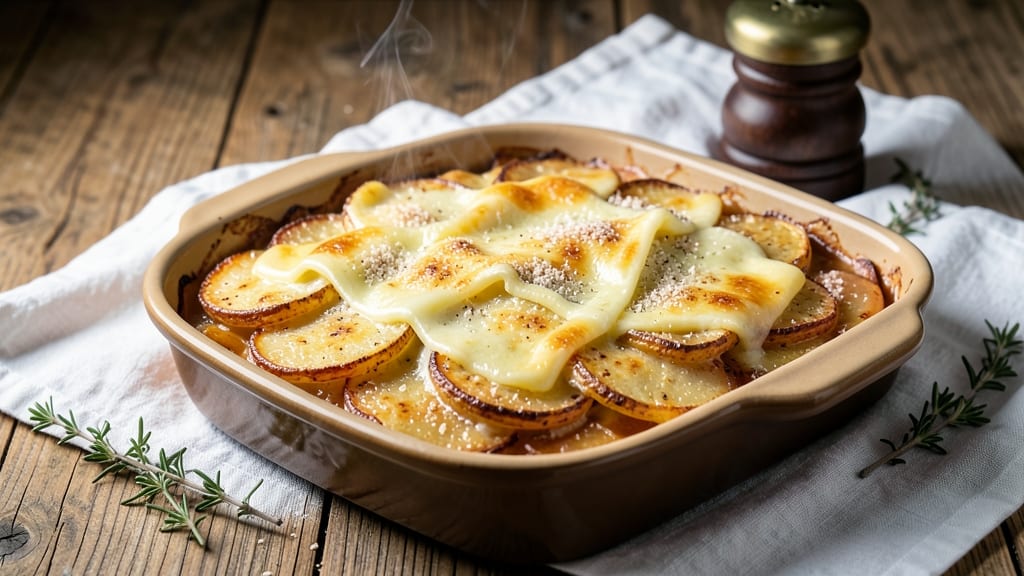
This best ever potato gratin recipe transforms humble potatoes into a golden, crisp-topped masterpiece that rivals restaurant versions. The secret lies in thinly sliced layers, a nutmeg-kissed cream sauce, and the perfect baking time to achieve that coveted caramelized crust while keeping the interior silky smooth.
I've perfected this dish over years of testing, and it never fails to impress—whether served as a side for holiday dinners or as a rich, satisfying main course.
What sets this gratin apart is the balance of techniques: traditional thin-slicing for even cooking and a modern shortcut using pre-sliced potatoes when time is tight. The key to success is baking at 375°F (190°C) for 45–60 minutes, ensuring the top crisps while the layers remain creamy.
A sprinkle of nutmeg and Gruyère cheese adds depth, while a final broil under the oven's heat gun transforms the surface into a luxurious golden crust.
By the time it emerges from the oven, you'll have a dish that's restaurant-quality—rich, creamy, and impossibly crispy on top. The aroma alone will have everyone gathering around the table, and the first bite delivers that perfect contrast of textures: tender potatoes, velvety sauce, and a shatteringly crisp exterior.
This is the kind of comfort food that feels like a hug in edible form.
Serve it warm with a fresh green salad or roasted vegetables to balance its richness, or enjoy it as a standalone dish with a drizzle of truffle oil for extra decadence.
The beauty of this recipe is its versatility—it works for special occasions or weeknight dinners, and leftovers reheat beautifully, making it a true crowd-pleaser.
Ingredients for best ever potato gratin
Thinly sliced potatoes, velvety cream sauce, and golden Gruyère—this is your ultimate gratin game-changer.
| Ingredient | Amount | Notes |
|---|---|---|
| Russet Potatoes 🥔 | 3 lb | Thinly sliced (1/8-inch), peeled |
| Heavy Cream 🥛 | 2 cups | Full-fat for richness |
| Whole Milk 🥛 | 1 cup | Warmed for smooth sauce |
| Gruyère Cheese 🧀 | 2 cups | Freshly grated (block preferred) |
| Sharp White Cheddar 🧀 | 1 cup | Shredded, for depth |
| Fresh Nutmeg 🌿 | ¼ tsp | Finely grated, essential |
| Garlic Cloves 🧄 | 4 cloves | Minced, aromatic base |
| Shallots 🧅 | 2 whole | Thinly sliced, for sweetness |
| Unsalted Butter 🧈 | 4 tbsp | Cold, for crisp topping |
| Diamond Crystal Kosher Salt 🧂 | 1 ½ tsp | Adjust to taste |
| Fresh Thyme Leaves 🌿 | ½ tsp | Or 1 tsp dried |
| Black Peppercorns 🌶️ | ½ tsp | Freshly cracked |
| All-Purpose Flour 🌾 | 1 tbsp | For sauce thickening |
The potatoes make or break this dish. Russets are ideal—their starchiness creates that perfect creamy texture, but Yukon Golds work too if you prefer a slightly waxier bite. For the classic look, slice them 1/8-inch thick by hand (a mandoline speeds this up), but pre-sliced potatoes from the grocery store save time without sacrificing texture. If you're feeling fancy, peel them first—though I often skip this step for extra rustic charm. The key is even thickness so every layer cooks at the same rate. Pro tip: Soak the slices in cold water for 10 minutes before layering to remove excess starch—this keeps the sauce silky instead of gluey.
No Gruyère? Comté or sharp white cheddar work in a pinch, though the flavor won't be identical. The nutmeg is non-negotiable—it's what gives this gratin that signature depth. If you're out, a pinch of cinnamon can mimic some of that warmth, but it won't be the same. For the cream sauce, heavy cream and whole milk create the perfect balance of richness and lightness. Want to make it even creamier? Add 2 tbsp sour cream to the sauce. The butter topping? Don't skip it—it's what creates that restaurant-quality crisp on top. If you're short on time, butter-flavored cooking spray works in a bind, though it won't be as golden.
This gratin tastes even better the next day—leftovers reheat beautifully straight from the fridge (just cover with foil and bake at 350°F for 20 minutes). For make-ahead prep, assemble the dish up to 24 hours ahead and refrigerate uncovered so the top dries slightly—this helps with browning later. Store any leftovers in an airtight container for 4 days in the fridge. Freezing isn't recommended as the texture can get gummy, but if you must, freeze for up to 2 months and reheat gently. The best part? This dish doubles as a main course—just add a simple green salad and crusty bread to make it a full meal.
Why You'll Love This Recipe
- One-Pan Magic: I swear by this for nights when I’d rather not wash a million dishes. Peel and slice the Russets, layer them with the creamy milk mixture, and top with that melty Gruyère—then boom, done. The oven does all the work while I pretend I’m not actually cooking.
- Melty Perfection: That crispy top with the creamy, cheesy center? It’s the kind of texture combo that makes you close your eyes and sigh. The sharp cheddar cuts through the richness, and the Gruyère adds this nutty depth that turns it from "dinner" to "I’d eat this for breakfast."
- Leftovers? No Problem: Between us, this is the only gratin I make because it begs for seconds—and thirds. The next day, I just reheat slices in the oven until bubbly, and it’s like eating it fresh. Honestly, I’ve fed a crowd with one big pan and still had enough for lunch.
- Budget-Friendly Luxury: Russets are cheap, milk is cheap, and a block of cheddar stretches farther than you’d think. But here’s the twist: the Gruyère makes it feel fancy without breaking the bank. It’s the kind of dish that tastes expensive but costs less than takeout. (Yes, even on a Tuesday night.)
Step-by-step instructions for layered potato gratin Perfection
This method delivers restaurant-quality texture with a crispy nutmeg-kissed top every time.
Prep the Potatoes for Even Cooking
Peel the 3 lb Russet Potatoes using a vegetable peeler for smooth surfaces, then slice them into ⅛-inch thick rounds. I use a mandoline for precision, but a sharp chef's knife works too—just keep your fingers tucked safely. Soak the slices in cold water for 10 minutes to remove excess starch, which prevents gummy layers. Drain thoroughly before using.
Here's the thing—thin, even slices ensure consistent cooking. If some slices are thicker than others, they'll cook unevenly and create soft spots in your otherwise perfect gratin. Pat them completely dry with paper towels after draining, as any moisture will steam the potatoes instead of creating that golden crust we're after.
Build the Flavor Base in the Baking Dish
Preheat your oven to 375°F. In a 9x13-inch baking dish, melt 2 tbsp of the unsalted butter over medium heat until foaming. Add the 2 whole Shallots and 4 cloves Garlic Cloves, cooking until softened (3-4 minutes). Stir in 1 tbsp All-Purpose Flour and cook for 1 minute to remove the raw taste.
Pour in the 2 cups Heavy Cream and 1 cup Whole Milk, scraping up any browned bits from the bottom. Add 1.5 tsp Diamond Crystal Kosher Salt, 0.5 tsp Fresh Thyme Leaves, 0.5 tsp Black Peppercorns, and 0.25 tsp Fresh Nutmeg, stirring until smooth. This aromatic base will infuse every layer of your gratin with depth.
Layer Potatoes Like a Pro
Arrange ⅓ of the potato slices in a single layer in the baking dish, slightly overlapping them. Sprinkle with ⅓ of the 2 cups Gruyère Cheese and ⅓ of the 1 cup Sharp White Cheddar. Repeat this layering process twice more, finishing with a final layer of potatoes. Press down gently on each layer to ensure even contact with the sauce below.
Don't skip the layering sequence—this creates the signature texture contrast of creamy sauce and crispy potatoes. The cheese should peek through between the slices, melting into a luxurious blanket. If you notice any gaps, add a spoonful of the cream mixture to fill them before proceeding.
Create the Signature Crispy Topping
In a small bowl, combine the remaining 2 tbsp unsalted butter with ½ cup of the 2 cups Gruyère Cheese and ½ cup of the 1 cup Sharp White Cheddar. Cut this mixture into small pieces and scatter them evenly over the top layer of potatoes. The butter will melt and create that coveted crispy crust while the cheese adds richness.
Here's where the magic happens: the butter melts during baking, creating a golden, crackly top while the cheese browns beautifully. For extra crispiness, I like to sprinkle a pinch more Diamond Crystal Kosher Salt and a tiny bit of Fresh Nutmeg over the top before baking. This is the moment that matters—don't rush it.
Bake to Golden Perfection
Cover the baking dish tightly with heavy-duty aluminum foil and bake for 45 minutes. Remove the foil and increase the oven temperature to 400°F. Bake uncovered for 15-20 minutes until the top is deep golden brown and the edges are bubbling. You'll see the cheese pulling away from the sides—that's your signal it's ready.
Let the gratin rest for 10 minutes before serving. This resting period allows the layers to set and makes slicing much easier. The internal temperature should reach 190°F—probe the center to check. Serve warm with a simple green salad or crusty bread to soak up every last bit of that creamy, nutmeg-infused sauce.
Pro Tips For Making Best Ever Potato Gratin
- SOAK THE POTATOES: Russets are starchy butterscotch bombs waiting to happen—unless they turn to glue. Toss peeled slices in cold water for 10 minutes before layering. I learned this the hard way after a gratin that looked like a sad, wet pancake instead of a golden masterpiece.
- SAUTE THE SLICES: Skip the raw potato layers—sear the slices in butter for 2-3 minutes per side until golden. The caramelized edges add depth, and they won’t turn to mush later. (Yes, even if you’re impatient like me.)
- LAYER CHEESE STRATEGICALLY: Gruyère melts like a dream, but cheddar adds punch. Sprinkle most of the Gruyère between layers, then finish with cheddar on top—it crisps better and balances the richness. I used to dump it all in, and the top always came out flat.
- BAKE UNTIL CRUSTY: That golden crust isn’t optional—it’s the soul of the dish. Cover with foil for the first 45 minutes, then uncover and crank the broiler for 3-5 minutes until bubbling and browned. (Your future self will thank you.)
Essential equipment for this recipe
Essential Baking Dish
A 9x13-inch baking dish is your best friend for this recipe—it provides enough surface area for even cooking while allowing the edges to crisp beautifully. I recommend using Owens Corning Pyrex for its even heat distribution and durability.
If you don’t have one, a ceramic or stainless steel dish works too, but watch for browning differences. Avoid dark-colored dishes—they can make the gratin cook faster on the bottom. 🔥
Mandoline Slicer
Thin, even slices are the secret to perfect gratin, and a mandoline slicer makes this task effortless. My go-to is the OXO Good Grips Mandoline—it’s safe, precise, and handles potatoes beautifully.
If you’re slicing by hand, use a sharp chef’s knife and work carefully (I’ve seen too many fingers get in the way!). For extra safety, use the thick guard that comes with most mandolines. 💡
Heavy-Duty Aluminum Foil
You’ll need heavy-duty aluminum foil (like Reynolds Wrap Heavy Duty) to cover your gratin during the initial baking phase. Regular foil tears easily when you lift it later, and you don’t want to disturb that perfect layering.
I like to double-wrap the dish for extra security—it ensures the gratin steams evenly without losing shape. Keep a roll nearby for easy access during baking. ❄️
Measuring Tools
Precision matters in gratin-making, so invest in a stainless steel measuring cup set (like OXO Good Grips) for accurate measurements of cream, milk, and cheese. A microplane is essential for grating fresh nutmeg and Gruyère—it yields finer, more flavorful results than a box grater.
For the butter topping, a small mixing bowl helps combine it evenly with cheese before scattering. 🌟
Oven Thermometer
Ovens run hot or cold, and a baking thermometer (like Thermoworks Oven Thermometer) ensures your 375°F setting is accurate. I’ve seen gratin turn out unevenly because the oven wasn’t at the right temperature.
Place the thermometer near the baking dish before preheating—this small tool prevents guesswork and guarantees consistent results every time. 🌡️
Optional: Heat Gun
For that restaurant-quality crispy top, a heat gun (like the Master Appliance MAH-G100) is a game-changer. After baking, hold it 6-8 inches away for 30-60 seconds to melt the cheese into a glossy, golden crust.
If you don’t have one, a broiler works too—just watch closely to avoid burning. This step elevates your gratin from homemade to showstopper. ✨
Nutrition facts
Frequently asked questions
Can I use Yukon Gold potatoes instead of Russets?
Yukon Golds work beautifully—they create a slightly creamier texture with a touch of waxiness. For best results, slice them ⅛-inch thick like Russets and soak them in cold water for 10 minutes to remove excess starch. The flavor difference is subtle, but the texture contrast adds a lovely dimension to your gratin.
How do I fix a soggy gratin?
If your gratin turns out too wet, it’s usually from uneven cooking or too much moisture. First, check your oven temperature—it should be 375°F (190°C) for the initial baking. If the potatoes absorbed too much cream, try reducing the sauce by 2 tablespoons next time. For a quick fix, broil the top for 2-3 minutes to crisp it up, or sprinkle with extra cheese and broil until golden.
Can I make this gratin ahead of time?
Yes! Assemble the gratin up to 24 hours ahead and refrigerate it uncovered. This dries the top slightly, helping it brown better later. When ready to bake, cover with foil and cook at 375°F (190°C) for 50-60 minutes (the extra time accounts for the cold start). Leftovers reheat well—just cover with foil and bake at 350°F (175°C) for 20 minutes.
What’s the secret to that perfect crispy top?
The crispy top comes from a mix of butter and cheese on the final layer. Use cold butter mixed with cheese—it melts during baking to create a golden crust. For extra crispiness, broil the gratin for 2-3 minutes at the end (watch closely!) or use a heat gun for a restaurant-style finish. Don’t skip the final sprinkle of nutmeg and salt—it enhances browning.
Can I substitute Gruyère with another cheese?
Gruyère is ideal for its nutty, melty qualities, but you can use Comté or sharp white cheddar in a pinch. For a dairy-free option, try nutritional yeast or vegan mozzarella, though the texture won’t be identical. If using cheddar, add ½ teaspoon of mustard powder to mimic Gruyère’s tang. Always grate your own cheese—pre-shredded varieties contain anti-caking agents that prevent proper melting.