
Side Dishes
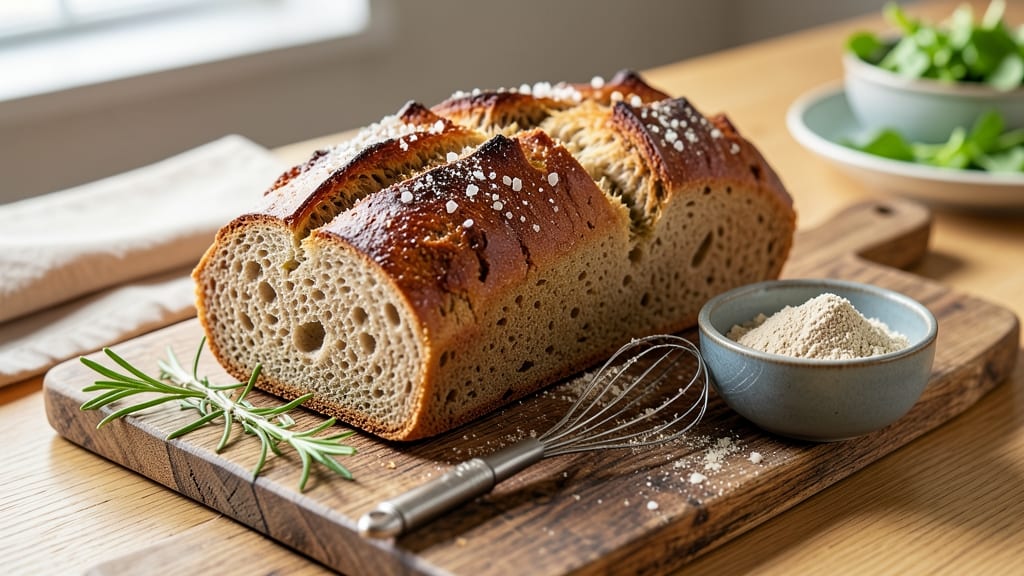
This gluten-free potato bread recipe transforms humble potato flour into a loaf with earthy depth and a tender crumb that rivals traditional bread—no gluten, no compromise. 💛 The secret lies in balancing potato flour's natural moisture with precise hydration and a touch of xanthan gum to mimic gluten's structure, creating a loaf that's both sturdy and delicate. I developed this recipe after years of adapting Italian baking techniques for gluten-free diets, ensuring every slice delivers that satisfying pull-apart texture and nutty potato flavor.
What sets this recipe apart is the method: combining wet and dry ingredients separately prevents gluten-free flour from absorbing too much liquid at once, which guarantees a fluffy, even crumb rather than a dense one.
The dough rests for 30 minutes to relax the starches, a critical step I learned from my nonna's Italian bread-making wisdom—patience pays off in texture. Baking at 375°F creates a golden crust with just the right crispness, while the interior stays moist and tender.
By the time this loaf emerges from your oven, you'll have a restaurant-quality side that pairs perfectly with soups, stews, or even as a base for open-faced sandwiches. The potato flour adds a subtle sweetness and hearty texture that makes it feel indulgent, not restrictive.
Best of all, it stays fresh for 4 days at room temperature or freezes beautifully for up to 3 months, making it ideal for meal prep.
The key to success lies in the potato flour itself—choose a fine, light variety for the best texture, and measure your ingredients by weight for consistency.
This recipe is designed to be your new go-to for gluten-free baking, proving that even without gluten, you can achieve a loaf that's worth slicing into. Let's get baking!
Ingredients for gluten free potato bread recipe with potato flour
Eight ingredients, Italian-inspired technique, gluten-free magic that rivals traditional bread.
| Ingredient | Amount | Notes |
|---|---|---|
| Potato Flour (fine, light variety) 🥔 | 3 cups | Light and finely milled for best texture |
| All-Purpose Gluten-Free Flour Blend 🌾 | 1 ½ cups | Bob's Red Mill 1:1 preferred |
| Xanthan Gum 🧪 | ¼ tsp | Critical for gluten-free structure |
| Instant Yeast 🍞 | 2 ¼ tsp | Active dry yeast works too |
| Granulated Sugar 🍚 | 1 ½ tbsp | White or brown sugar |
| Salt 🧂 | 1 ½ tsp | Diamond Crystal preferred |
| Large Eggs 🥚 | 2 whole | Room temperature for best rise |
| Unsalted Butter 🧈 | ½ cup | Softened to room temperature |
| Warm Water 💧 | 1 ¼ cups | 110°F (43°C) ideal |
| Apple Cider Vinegar 🍎 | 1 tbsp | For tangy depth |
| Olive Oil 🫒 | 2 tbsp | Extra-virgin for richness |
Potato flour is non-negotiable here—Bob's Red Mill or Anthony's Goods are my go-tos, and you'll want the light, fine variety for that tender crumb. The gluten-free flour blend should contain xanthan gum (like Bob's Red Mill 1:1), but we're adding an extra pinch of xanthan gum separately to really mimic gluten's structure. If you're buying potato flour in bulk, check for yellow or russet varieties—they yield the most flavorful, nutty loaves. For the yeast, make sure it's fresh—if it's been sitting in your pantry for months, test it with warm water and sugar first.
No xanthan gum? Psyllium husk powder at half the amount works in a pinch, but the texture won't be identical. Out of apple cider vinegar? White vinegar or lemon juice does the trick, but you might need an extra pinch of salt to balance. The butter should be softened but not melted—microwave it for 40 seconds if needed. For the eggs, room temperature is key; cold eggs won't rise as well. If you're making this ahead, you can prep the dough up to 24 hours early and let it rise in the fridge for a slower, more controlled proof.
This loaf keeps beautifully—4 days at room temperature wrapped in a clean kitchen towel, or 3 months frozen for those lazy weeknights. To reheat, wrap slices in foil and warm in a 350°F oven for 5-7 minutes. For extra crispiness, brush the baked loaf with melted butter while still warm. Store leftovers in an airtight container, but honestly? It's so good you'll probably eat it all at once. The crust gets softer as it cools, so slice it while it's still warm if you want that perfect pull-apart texture.
Why You'll Love This Recipe
- No Yeast Fuss: I swear by this recipe because it actually rises right—no waiting hours for dough to proof. The instant yeast and xanthan gum work together like a dream, giving you a light, airy loaf in under an hour. (Yes, even on a Tuesday night.)
- Potato-Powered Richness: That fine potato flour? It’s the secret weapon here—it adds a subtle, earthy sweetness that makes this bread taste way more indulgent than your average gluten-free loaf. Honestly, I’ve had people ask if it’s brioche.
- Breakfast to Dinner: This bread is my go-to for toast, sandwiches, or even a quick French dip. The structure holds up perfectly when grilled, and the mild sweetness balances savory fillings like nothing else. (My kids fight over the last slice.)
- Pantry Staple Magic: Between us, I’ve made this at least 20 times—it’s my gluten-free insurance policy. The ingredients are cheap, the dough keeps well in the fridge for days, and a single batch feeds my family for weeks. No waste, just satisfaction.
Step-by-step instructions for gluten-free potato bread
Here's how to make a light, airy loaf that stays moist and flavorful—no gluten, no compromise.
👨🍳 Step 1: Mix the Wet Ingredients to a Smooth Batter
In a large mixing bowl, whisk together the 2 whole large eggs until they're fully combined. Add the 0.5 cup unsalted butter (softened) and 2 tbsp olive oil, whisking until smooth and creamy. The mixture should be homogenous with no visible butter chunks.
Next, stir in the 1.25 cups warm water (about 110°F) and 1 tbsp apple cider vinegar. The vinegar will react with the yeast later, but it also adds a subtle tang that enhances the potato flavor. I like to mix this part by hand with a wooden spoon—it gives me better control over the texture.
👨🍳 Step 2: Combine Dry Ingredients for Perfect Structure
In a separate medium bowl, sift together the 3 cups potato flour (light and finely milled), 1.5 cups all-purpose gluten-free flour blend, 0.25 tsp xanthan gum, 2.25 tsp instant yeast, 1.5 tbsp granulated sugar, and 1.5 tsp salt. The xanthan gum is critical here—it mimics gluten's binding properties and gives the bread its signature chew.
Use a whisk to break up any lumps in the dry ingredients, then gradually pour the dry mixture into the wet ingredients. Mix with a wooden spoon or rubber spatula until just combined—you should still see some flour streaks. Overmixing develops gluten-like proteins in gluten-free flours, which can make the bread dense. Stop mixing as soon as everything comes together.
⏰ Step 3: Let the Dough Rest and Rise
Cover the bowl with a damp kitchen towel and let the dough rest at room temperature for 30 minutes. This initial rest period allows the xanthan gum to fully hydrate and the flour to absorb the liquid, creating a more cohesive dough. The mixture should become slightly thicker and more elastic during this time.
After the rest, check the consistency—it should be like thick pancake batter but still pourable. If it's too stiff, add 1-2 teaspoons of warm water to loosen it. The potato flour absorbs moisture differently than wheat flour, so don't be afraid to adjust. This is where the magic happens—the potato flour gives the bread its signature moist, slightly sweet flavor.
🔥 Step 4: Shape and Bake for Maximum Fluffiness
Preheat your oven to 375°F and lightly grease a 9x5-inch loaf pan with olive oil or butter. Pour the batter into the prepared pan and smooth the top with a wet spatula. The batter will be thick but should flow easily—tap the pan gently on the counter to release any air bubbles.
Bake for 45-50 minutes until the top is golden brown and a toothpick inserted in the center comes out clean. The bread will rise slightly in the oven, but it won't double in size like wheat bread. I like to tent the loaf with aluminum foil after 30 minutes to prevent over-browning while ensuring it cooks through evenly.
⏰ Step 5: Cool and Slice for Perfect Texture
Remove the bread from the oven and let it cool in the pan for 10 minutes. Then transfer it to a wire rack to cool completely. This cooling period is crucial—it allows the bread to set properly and prevents it from becoming gummy when sliced. The potato bread will be slightly denser than wheat bread but still light and moist.
Slice the bread while it's still warm for the best texture—each slice should have a tender crumb with a subtle sweetness from the potato flour. Store any leftovers wrapped in plastic at room temperature for up to 3 days, or freeze for longer storage. The bread reheats beautifully in the oven or toaster, making it perfect for breakfast sandwiches or toast.
Pro Tips For Making Gluten Free Potato Bread Recipe With Potato Flour
- Mix the Dough Cold: Potato flour gets gummy fast—work it in a chilled bowl or even the fridge for 10 minutes before shaping. I learned this after a dough that stuck to my hands like glue and collapsed in the oven. Cold hands make a difference too; wet your fingers if needed.
- Weigh the Flours Precisely: Gluten-free blends and potato flour are sneaky—1 cup isn’t always 1 cup. Use a kitchen scale for the GF blend and potato flour; even a 5-gram difference throws off the crumb. My first attempts were dense because I eyeballed it.
- Don’t Overproof the Dough: Gluten-free dough rises slower and weaker—stop when it’s just puffed, not doubled. Overproofing turns your bread into a sad, flat pancake. Press two fingers gently into the dough; if it springs back slowly, it’s ready.
- Add Eggs Last: Whisk eggs separately and fold them in at the very end—this keeps the dough from deflating. I used to mix them in early, and the bread always turned out dense. The eggs add structure, but timing matters more than you’d think.
Creative variations of this recipe
Savory Herb Twist
Transform this loaf into a herb-infused version by adding 1 tbsp fresh rosemary and 1 tbsp fresh thyme to the dry ingredients. The herbs pair beautifully with the earthy potato flavor, creating a rustic bread perfect for serving with roasted meats or hearty soups.
I like to finely chop the herbs and mix them directly into the dry flour blend before combining with wet ingredients. 🌿
Sweet Potato Fusion
Swap 1 cup of the potato flour for sweet potato flour to create a loaf with a subtle caramelized sweetness. The color will deepen to a warm amber, and the flavor becomes more complex—think of a cross between bread and cake.
This variation works especially well with breakfast sandwiches or as a side for savory dishes like chili. Use the same baking instructions, but expect a slightly denser texture due to the higher moisture content in sweet potato flour.
Garlic & Parmesan Boost
For a cheesy, garlicky variation, stir ½ cup grated Parmesan cheese and 2 minced garlic cloves into the wet ingredients. The garlic adds depth, while the Parmesan enhances the bread's richness. This version is perfect for open-faced sandwiches or as a base for garlic bread.
I recommend adding the cheese and garlic just before pouring the batter into the pan to preserve their freshness. 🧀
Seeded Crunch Option
Add texture and nutrition by sprinkling 2 tbsp sesame seeds, 2 tbsp sunflower seeds, or 1 tbsp flaxseeds on top of the batter before baking. Press them gently into the surface for a decorative, crunchy crust.
These seeds not only add visual appeal but also provide a satisfying contrast to the soft interior. Toast the seeds in a dry pan for 2-3 minutes before sprinkling to enhance their flavor.
Dinner Roll Adaptation
Divide the batter into 8 equal portions and shape them into small balls for gluten-free potato dinner rolls. Bake in a greased muffin tin at 375°F for 18-20 minutes until golden. These rolls are perfect for serving with soups, stews, or holiday meals.
For extra flavor, brush the tops with melted butter and sprinkle with coarse sea salt before baking. The smaller size ensures even cooking and a tender crumb throughout.
Cinnamon Swirl Version
For a sweet twist, mix 1 tsp cinnamon and 2 tbsp brown sugar into the dry ingredients, then swirl in 2 tbsp softened butter before baking. This creates a bread with subtle sweetness and warm spice notes, ideal for breakfast or dessert.
After baking, let the loaf cool slightly before slicing to reveal the beautiful cinnamon swirls. Pair it with a smear of cream cheese for an elevated breakfast treat. 🍯
Nutrition facts
Frequently asked questions
Can I substitute regular flour for the potato flour in this recipe?
The potato flour is essential for that authentic earthy flavor and tender crumb. Regular flour would make the bread dense and lack the subtle sweetness from potatoes. If you're out of potato flour, try a mix of 1 cup gluten-free oat flour and 2 cups all-purpose gluten-free flour, but expect a slightly different texture. The potato flour gives this bread its signature moisture and heartiness.
Why does my gluten-free potato bread turn out dense instead of fluffy?
Overmixing or skipping the 30-minute rest are the most common culprits. The potato flour absorbs liquid differently, so mix just until combined and let the dough rest to hydrate properly. Also, ensure your yeast is fresh—old yeast won't activate well. A 375°F oven and proper cooling time are key for that light texture too.
Can I make this bread without xanthan gum?
Yes, but the texture will be crumbly. Replace the 0.25 tsp xanthan gum with 0.5 tsp psyllium husk powder for better binding. If you're using a gluten-free flour blend that already contains xanthan gum, you may skip it entirely—but expect a slightly less elastic crumb. The potato flour helps compensate, but xanthan gum mimics gluten's structure best.
How do I store this bread to keep it fresh longer?
Wrap the cooled loaf in a clean kitchen towel or airtight container and store at room temperature for up to 4 days. For longer storage, freeze slices in a ziplock bag for up to 3 months. To reheat, wrap slices in foil and warm in a 350°F oven for 5-7 minutes for that fresh-baked texture. The potato flour keeps it moist, so it won't dry out quickly!
Can I use this bread for sandwiches or does it crumble too easily?
This bread holds up well for sandwiches once fully cooled. For extra sturdiness, toast slices lightly before assembling. The potato flour gives it a slight chewiness that works perfectly with fillings like grilled chicken, avocado, or cream cheese. If it feels too soft, chill the slices for 10 minutes before using to firm them up.