
Side Dishes
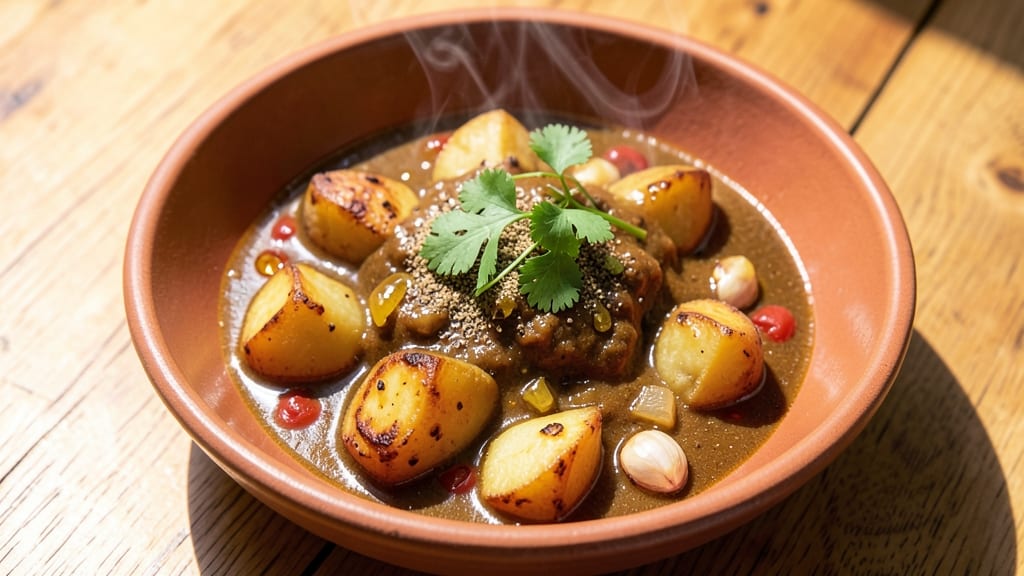
This spicy vegan potato curry delivers the bold heat and creamy richness you crave without a single drop of dairy or meat. The secret lies in balancing fiery spices with coconut milk’s velvety embrace—creating a dish that’s both comforting and exciting.
I’ve perfected this recipe over years of testing, ensuring every bite delivers layers of flavor that linger long after the last spoonful.
The foundation begins with aromatic spices—cumin, coriander, and mustard seeds—that toast to perfection before potatoes absorb their warmth. Coconut milk transforms the dish into a luscious, velvety base, while a touch of tomato paste adds depth.
For protein, I recommend adding chickpeas or tofu, which soak up the spicy-sweet sauce beautifully. The result? A curry that’s hearty enough for a main dish but flexible enough to pair with rice or naan.
What makes this recipe stand out is its balance—spicy without being overwhelming, creamy without being heavy. The potatoes emerge tender yet firm, coated in a sauce that’s rich yet light, with just the right kick from cayenne or chili flakes.
Garnish with fresh cilantro and a squeeze of lime to brighten the flavors, and you’ve got a dish that’s restaurant-quality yet simple enough for weeknight dinners.
Perfect for feeding a crowd or meal prepping, this curry reheats beautifully while staying true to its vibrant flavors. Whether you’re a seasoned vegan cook or just exploring plant-based meals, this recipe proves spicy, creamy, and satisfying can all exist in one pot. Let’s get cooking!
Ingredients for spicy vegan potato curry
Creamy coconut milk meets fiery spices—just 16 ingredients for bold vegan flavor.
| Ingredient | Amount | Notes |
|---|---|---|
| Yellow Onions 🧅 | 2 whole | Diced into small pieces |
| Garlic Cloves 🧄 | 6 cloves | Minced finely for aroma |
| Russet Potatoes 🥔 | 3 lbs | Cut into 1-inch cubes |
| Coconut Milk 🥥 | 2 cans | Full-fat for creaminess (13.5 oz each) |
| Tomato Paste 🍅 | ½ cup | Smooth, no sugar added |
| Ground Cumin 🌿 | 1 ½ tbsp | Toasted for deeper flavor |
| Ground Coriander 🌿 | 1 tbsp | Freshly ground preferred |
| Mustard Seeds 🌶️ | 1 tbsp | Whole, yellow preferred |
| Turmeric Powder 🌿 | 1 tsp | Bright orange color |
| Garam Masala 🌶️ | 1 tsp | For aromatic finish |
| Cayenne Pepper 🔥 | ½ tsp | Adjust for heat preference |
| Salt 🧂 | 1 ½ tsp | Kosher or sea salt |
| Vegetable Oil 🫒 | ¼ cup | For sautéing onions |
| Chickpeas 🥜 | 1 ½ cups | Canned, drained and rinsed |
| Fresh Cilantro 🌿 | ¼ cup | Chopped for garnish |
| Lime Juice 🍋 | 2 tbsp | Freshly squeezed |
The spices are where the magic happens. Toast the whole mustard seeds and cumin in oil until they sizzle—this releases their full aroma. For the best flavor, grab Penzeys or Spicewalla spices if you're near a specialty store, but the regular grocery store stuff works fine if it's fresh. Look for vibrant colors: bright yellow mustard seeds, deep orange turmeric, and cumin with a rich earthy tone. The garlic and onions should be fresh—no rubbery garlic or watery onions here. If you're using canned chickpeas, rinse them well to cut down on sodium, and Trader Joe's or Whole Foods have great low-sodium options.
No garam masala? Mix equal parts cinnamon, cardamom, and cloves—it's not identical but works in a pinch. Short on coconut milk? Full-fat cashew cream (blend soaked cashews with water) gives a similar richness. The cayenne can be swapped for red pepper flakes at half the amount, but trust me on the cayenne—it dissolves better into the sauce. For the potatoes, Russets or Yukon Golds—they hold their shape while soaking up flavor. If you're meal prepping, cook the potatoes slightly underdone (they'll finish in the sauce) so they don't turn to mush when reheated.
This curry tastes even better the next day as the flavors meld. Store in an airtight container in the fridge for 4-5 days, or freeze portions for 3 months. I like to portion it into meal prep containers with a side of rice—just reheat with a splash of water or coconut milk to restore creaminess. The cilantro and lime should be added fresh right before serving, otherwise they'll wilt and turn the dish bitter. If you make a double batch, freeze half immediately—perfect for lazy weeknights.
Why You'll Love This Recipe
- One-Pot Magic: I swear by this recipe when I’m too tired to wash extra bowls—just chop the onions and potatoes, toss everything in one pot, and let it simmer. The russets break down into fluffy, creamy bites while the coconut milk thickens into that velvety sauce without a single strainer in sight.
- Spice That Stays: That first bite of heat from the tomato paste and garlic? It lingers in the best way—warm, smoky, and just enough to wake up your taste buds. Honestly, the slow caramelization of the onions makes this curry taste like it’s been simmering for hours, even if I’m out the door in 30 minutes.
- Meal Prep MVP: This curry is my lunchbox hero—packs perfectly for work and reheats like a dream. I’ll be real: my kids even ask for it the next day, which never happens. The potatoes hold up surprisingly well, and the coconut milk keeps it rich without getting soggy.
- Budget-Friendly Feast: Russets and onions are cheap staples, and coconut milk stretches further than you’d think when paired with tomato paste. Between us, this feeds four for under $10 and still feels like a restaurant-worthy dish. Not the prettiest, but the taste makes up for it every time.
Step-by-step instructions for spicy vegan potato curry
Here's how to create a rich, aromatic curry that balances bold spices with velvety coconut creaminess.
Prepare the Spice Base
Heat the 0.25 cup vegetable oil in a large pot over medium heat. Add the 1 tablespoon mustard seeds and let them sizzle for 30 seconds until they begin to pop—this is when their nutty aroma really wakes up. Immediately add the 2 whole yellow onions (diced) and cook for 5 minutes until they soften and turn translucent.
Next, stir in the 6 cloves garlic cloves (minced) and cook for another 1 minute until fragrant. Here's where the magic happens: add the 1.5 tablespoons ground cumin, 1 tablespoon ground coriander, 1 teaspoon turmeric powder, and 0.5 teaspoon cayenne pepper. Stir constantly for 30 seconds—you'll smell that earthy, spicy symphony developing. This spice blend is the heart of your curry's flavor profile.
Build the Curry Foundation
Pour in the 0.5 cup tomato paste and stir vigorously to combine with the spices. Cook for 3-4 minutes until the raw tomato flavor mellows and the mixture darkens slightly. This step develops the curry's depth—don't rush it or you'll miss that caramelized flavor.
Add 1.5 teaspoons salt and 1 teaspoon garam masala, then pour in 1 cup of the 2 cans coconut milk (reserve the other can for later). Stir well and let the mixture simmer for 5 minutes until it thickens slightly. You'll see the spices bloom and create a rich, aromatic paste that will carry all the flavors.
Add Potatoes and Chickpeas
Add the 3 lbs russet potatoes (cut into 1-inch cubes) and 1.5 cups chickpeas to the pot. Stir gently to coat everything with the spiced coconut sauce. Pour in the remaining 1 can coconut milk until the potatoes are just submerged—you want enough liquid to cook them through but not so much that the curry becomes watery.
Bring to a gentle boil, then reduce heat to medium-low and let it simmer uncovered for 20-25 minutes, stirring occasionally. The potatoes should be tender when pierced with a fork, and the sauce should thicken into a luscious consistency. If the sauce reduces too quickly, add 2-3 tablespoons water to maintain the right balance.
Finish with Fresh Aromatics
Once the potatoes are fork-tender, remove the pot from heat. Stir in the 2 tablespoons lime juice—this brightens all the flavors and cuts through the richness of the coconut. Taste and adjust seasoning if needed, adding more salt or cayenne to your preference. Let the curry sit off heat for 5 minutes to allow the flavors to meld.
Garnish with the 0.25 cup fresh cilantro (chopped) just before serving. The fresh herbs add a vibrant contrast to the warm, spicy curry. Serve immediately with steamed basmati rice or warm naan bread to soak up every last bit of that creamy, spicy goodness.
Pro Tips For Making Spicy Vegan Potato Curry
- CHAR THE ONIONS: Get them deep golden, almost caramelized—this is where the flavor builds. I used to rush this step, and the curry tasted flat. Take your time; 8-10 minutes on medium heat with a splash of water if they stick. (Yes, even if you’re impatient like me.)
- CUT POTATOES UNIFORM: Big chunks stay tough; tiny bits turn to mush. Aim for 1.5-inch cubes—big enough to hold shape but small enough to cook through. I learned this the hard way when my curry ended up with a mushy bottom and crunchy middle. (A mandoline helps, but a sharp knife works too.)
- SIMMER, DON’T BOIL: Once the coconut milk hits, keep it at a gentle simmer—not a rolling boil. I used to crank the heat, and the curry would split, turning greasy and unappetizing. A low, steady simmer keeps the potatoes tender and the sauce velvety. (Your future self will thank you.)
- TOAST THE SPICES FIRST: If you’re adding whole spices (like cumin or mustard seeds), dry-toast them in oil for 30 seconds before adding onions. This wakes up their flavor—something I skipped for years until I realized my curry lacked depth. (Sounds weird, but it works.)
Troubleshooting this dish
Spices Too Strong?
If your curry tastes overwhelmingly spicy, reduce the cayenne pepper by ¼ teaspoon next time. For immediate balance, stir in 1 tablespoon maple syrup or 1 teaspoon coconut sugar while simmering—it mellows the heat without altering the flavor profile.
I’ve also found that adding ½ cup plain coconut yogurt at the end smooths out the spice beautifully. 🌶️
Sauce Too Thin?
If your sauce is watery, simmer the curry uncovered for an extra 5-10 minutes to reduce it naturally. For a quicker fix, mix 1 tablespoon cornstarch with 2 tablespoons cold water, then stir it into the sauce.
Let it simmer for 2-3 minutes until thickened. Avoid adding too much tomato paste later—it can make the sauce overly acidic.
Potatoes Overcooked?
Potatoes turning mushy? Start by cutting them into slightly larger cubes (1.25-inch instead of 1-inch) and reducing simmering time to 18-20 minutes. For extra insurance, parboil them for 3-4 minutes before adding to the curry.
I also recommend using Yukon Gold potatoes—they hold up better than Russets in long simmering dishes.
Not Spicy Enough?
Want more heat? Add ½ teaspoon cayenne or 1 teaspoon red pepper flakes at the end. For smoky depth, stir in ½ teaspoon smoked paprika. If you love fresh heat, top with 2-3 thinly sliced jalapeños or a sprinkle of chili crisp.
Just remember—build heat gradually to avoid overwhelming the dish. 🔥
Coconut Milk Separating?
If your sauce looks curdled, whisk in 1 tablespoon arrowroot powder mixed with 2 tablespoons water and simmer for 2 minutes. This binds the coconut milk back together. To prevent separation in the first place, always use full-fat coconut milk and stir gently when adding it to the pot.
Avoid high heat during this stage—keep it at medium-low to maintain emulsion.
Lacking Depth?
For richer flavor, add 1 teaspoon fish sauce (yes, it’s vegan-friendly!) or 1 teaspoon soy sauce—both add umami depth. Another trick: sauté 1 tablespoon grated ginger with the onions for an extra layer of complexity.
If you’re using store-bought garam masala, toast it lightly in a dry pan for 30 seconds before adding to intensify its aroma. ✨
Nutrition facts
Frequently asked questions
Can I make this curry without coconut milk?
For a dairy-free alternative, blend 1 cup soaked cashews with 1 cup water for a creamy base. Or use ½ cup silken tofu blended with ½ cup water—both work beautifully. Just reduce the liquid by ¼ cup since these alternatives are thicker than coconut milk.
How do I adjust the heat level for kids or sensitive eaters?
For mild heat, reduce cayenne to ¼ teaspoon and omit red pepper flakes entirely. Add 1 extra teaspoon of tomato paste—it naturally mellows the spice. For extra safety, set aside ½ cup sauce before adding cayenne, then mix it back in at the end if needed.
What's the best way to reheat leftovers?
Reheat gently in a pot with 2-3 tablespoons water or coconut milk over low heat for 5-7 minutes. Never microwave—it makes potatoes gummy. For best results, add a splash of lime juice when reheating to revive freshness. Store leftovers for 4-5 days in an airtight container.
Can I substitute chickpeas with another protein?
Try 1 cup cooked lentils (brown or green), 1 cup crumbled tofu (pan-fried first), or 1 cup chopped cauliflower for a veggie option. If using tofu, add it 5 minutes before serving to prevent sogginess. For extra richness, stir in ½ cup cashew butter at the end.
Why does my curry taste flat after sitting overnight?
Flavor develops overnight! Reheat with 1 teaspoon maple syrup or ½ teaspoon smoked paprika to boost depth. Fresh cilantro and lime juice are essential—add them just before serving. For extra punch, stir in 1 tablespoon nutritional yeast when reheating.