
Side Dishes
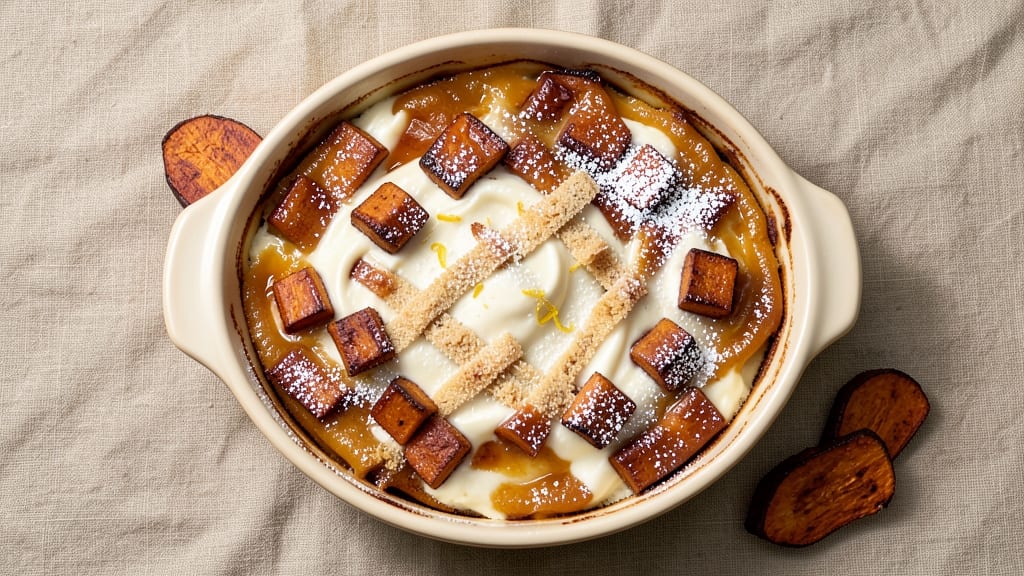
This St. Vincent sweet potato pudding recipe delivers the perfect balance of velvety sweet potato filling and a buttery, cinnamon-spiced crisp topping—inspired by Caribbean traditions where warm spices transform humble ingredients into something extraordinary.
The secret lies in slow-cooked sweet potatoes blended into a rich, custard-like mixture, then topped with a crunchy, golden layer that crackles with every bite.
I first discovered this dish at a family gathering in St. Vincent, where it was served alongside roasted meats and became the star of the meal.
The recipe begins with steaming sweet potatoes until tender, then blending them with warm spices like nutmeg, cinnamon, and a touch of vanilla for depth. A simple streusel topping made with flour, brown sugar, and melted butter creates that signature crisp texture that contrasts beautifully with the soft filling.
What makes this dish special is how the flavors develop during baking—caramelized edges on the topping and a silky, spiced center that feels both comforting and celebratory.
By the time it emerges from the oven, you’ll have a dessert that’s rich yet balanced, sweet without being cloying, and perfectly portioned for sharing. The aroma alone—warm spices mingling with caramelized sugar—will fill your kitchen, making it impossible to resist.
This is the kind of recipe that feels like a hug in food form, ideal for holiday tables or cozy family dinners.
Serve warm with a dollop of whipped cream or a scoop of vanilla ice cream to enhance the flavors, and you’ll understand why this dish holds a special place in Caribbean culinary traditions.
The best part? It’s easier to make than it looks, with simple ingredients and a foolproof method that guarantees success every time.
Ingredients for st vincent sweet potato pudding
Sixteen ingredients transform into a Caribbean-inspired dessert that feels like a warm embrace.
| Ingredient | Amount | Notes |
|---|---|---|
| Medium Sweet Potatoes 🍠 | 2 lb | Organic preferred, peeled and cubed |
| Large Eggs 🥚 | 4 whole | Room temperature for blending |
| Granulated Sugar 🍚 | 1 ½ cups | Light brown sugar for depth |
| Unsalted Butter 🧈 | 1 cup | Melted, full-fat for richness |
| All-Purpose Flour 🌾 | 1 ½ cups | Sifted for smooth texture |
| Packed Brown Sugar 🍚 | ½ cup | For streusel topping |
| Ground Cinnamon 🌿 | 2 tbsp | Ceylon preferred for authentic flavor |
| Ground Nutmeg 🌶️ | 1 tsp | Freshly grated for potency |
| Pure Vanilla Extract 🍯 | 1 tbsp | Bourbon or Madagascar preferred |
| Salt 🧂 | ½ tsp | Diamond Crystal preferred |
| Heavy Cream 🥛 | 1 cup | Whole milk for lighter version |
| Rolled Oats 🌾 | ½ cup | Old-fashioned, blended fine |
| Whole Milk 🥛 | ½ cup | For blending consistency |
| Dark Rum (optional) 🍹 | 2 tbsp | For Caribbean flair |
Sweet potatoes are the heart of this dish, so prioritize organic or vine-ripened varieties—they're sweeter and creamier. Whole Foods or local Caribbean markets often carry the best quality. If you can't find them, regular sweet potatoes work, but you might need to add 1-2 tbsp extra sugar. The cinnamon and nutmeg should be freshly ground if possible—Penzeys Spices sells pre-ground blends that stay potent longer. For the vanilla, Madagascar Bourbon adds a rich depth that complements the sweet potatoes beautifully. If you're using dark rum, grab a good-quality Caribbean blend like Appleton Estate—it adds an authentic touch without overpowering.
No brown sugar? Light brown sugar plus 1 tsp molasses gets you close. Running low on vanilla? Vanilla bean paste at half the amount works in a pinch. The heavy cream can be swapped for half-and-half or coconut milk for a lighter version (though texture will differ slightly). If you're avoiding dairy, full-fat coconut cream replaces both the butter and heavy cream. For the oats, if you don't have rolled, quick oats blended into a powder work fine. The rum is optional but recommended—any dark rum will do, but Caribbean rum adds that special touch. For the flour, King Arthur brand is ideal for baking, but any all-purpose will work.
Prepped ingredients keep for 3 days in the fridge—store the filling and topping separately in airtight containers. The sweet potatoes can be peeled and cubed ahead, then refrigerated in water for 24 hours. For the streusel topping, mix the dry ingredients first, then cut in the cold butter until crumbly—this keeps it from turning into a paste. Leftovers reheat beautifully in the microwave for 20-30 seconds, or bake at 350°F until warmed through. This dessert freezes surprisingly well—portion before freezing for easy single servings later.
Why You'll Love This Recipe
- Sweet Potato Magic: This pudding transforms humble sweet potatoes into something silky and golden—no fancy techniques, just boiled, mashed, and baked. I swear, even my picky husband doesn’t complain about the texture.
- Pantry Staple Power: Five ingredients, zero specialty items. You’re probably already staring at this stuff in your fridge and cabinets right now. That butter-sweet potato combo? It’s like dessert and dinner had a baby.
- Weeknight Hug: I’ve served this warm after a long day, cold for breakfast, and even reheated leftovers for lunch—no one ever knows the difference. The sugar caramelizes just enough to make it feel special, even when you’re too tired to care.
- Budget-Friendly Luxury: Sweet potatoes stretch farther than you’d think, and the eggs add richness without breaking the bank. A single batch feeds four, and the leftovers? Still delicious enough to trick you into thinking you made it fresh.
Step-by-step instructions for St. vincent sweet potato pudding
This Caribbean-inspired dessert combines velvety sweet potato custard with a buttery, spiced oat topping.
Prepare the Sweet Potato Base
Preheat your oven to 375°F and line a 9x13-inch baking dish with parchment paper. Peel and cube the 2 lb medium sweet potatoes, then place them in a microwave-safe bowl. Cover with plastic wrap and microwave for 8-10 minutes until fork-tender. The potatoes should collapse easily when pierced with a fork.
Drain any excess liquid, then transfer the warm potatoes to a food processor. Add the 4 whole large eggs, 1.5 cups granulated sugar, 1 cup melted unsalted butter, 1 cup heavy cream, 1 tbsp pure vanilla extract, and 0.5 tsp salt. Process until completely smooth, scraping down the sides as needed. This creates the silky custard base that defines the pudding's texture.
Make the Spiced Oat Topping
In a separate bowl, combine the 0.5 cup rolled oats, 1.5 cups all-purpose flour, 0.5 cup packed brown sugar, 2 tbsp ground cinnamon, 1 tsp ground nutmeg, and the 2 tbsp dark rum (optional). Stir in the 0.5 cup whole milk until the mixture forms a thick, crumbly dough. The oats should be evenly distributed and the mixture should hold together when pressed.
This topping is what gives the pudding its signature crunchy texture. The spices and rum infuse the topping with warm Caribbean flavors that complement the sweet potato perfectly. If using rum, add it gradually to prevent the mixture from becoming too wet.
Assemble and Bake the Pudding
Pour the sweet potato mixture into the prepared baking dish and spread it evenly. Sprinkle the oat topping evenly over the custard, pressing down lightly with your fingers to ensure good contact. This helps create that perfect crispy layer on top that contrasts beautifully with the soft custard below.
Bake for 35-40 minutes until the edges are golden brown and the center is just set. The pudding should be slightly jiggly in the middle—it will continue to firm up as it cools. A toothpick inserted in the center should come out clean or with just a few moist crumbs clinging to it. If the topping browns too quickly, tent the dish with aluminum foil after 20 minutes.
Cool and Serve
Remove the pudding from the oven and let it cool completely at room temperature. This cooling process allows the flavors to meld and the texture to set properly. Once cooled, refrigerate for at least 2 hours to firm up the custard. The contrast between the warm spices in the topping and the cool, creamy custard makes this dessert truly special.
To serve, cut into squares and garnish with a dusting of cinnamon or a dollop of whipped cream. The pudding should be rich and velvety with a perfect balance of sweetness from the sugar and warmth from the spices. The oat topping should be crispy on the outside and slightly soft on the inside, providing a delightful textural contrast with every bite.
Pro Tips For Making St Vincent Sweet Potato Pudding
- Boil Potatoes Until Fork-Tender: Sweet potatoes should collapse like butter when pierced with a fork—no crunch left. I learned this the hard way after serving a batch where one stubborn tuber stayed firm; trust the clock, not the look.
- Whisk Eggs Until Ribbon-Thin: Overmixed eggs make pudding tough, but underwhisked ones won’t bind properly. Beat just until the yolks and whites blend into a smooth, ribbon-like stream—no streaks, no lumps.
- Melt Butter Slowly: Dumping cold butter into the hot mixture causes lumps that ruin texture. Warm the butter first, then drizzle it in while stirring constantly—like you’re painting a fence, not dumping glue.
- Bake at 350°F, Not Higher: Cranking the oven to 375°F dries out the pudding before the center sets. Stick to 350°F and check for doneness at 45 minutes—if it’s golden but still jiggly, it’s perfect.
Troubleshooting your st vincent sweet potato pudding
Undercooked Center
If your pudding emerges from the oven with a jiggly center that doesn’t set properly, it’s likely underbaked. The sweet potato filling should be just set—think of it like a thick custard that’s still slightly wobbly when you insert a toothpick.
To fix this, bake for an additional 5-10 minutes at 350°F until the center firms up. If it’s still too soft, try increasing the oven temperature to 375°F for the final 5 minutes to help it set without over-browning the topping. 🔥
Dense or Grainy Texture
A grainy or dense pudding usually happens when the sweet potatoes aren’t cooked long enough or the mixture isn’t blended smoothly. First, ensure your sweet potatoes are fork-tender before blending.
If the texture is still off, blend the mixture again for an additional 1-2 minutes, scraping down the sides of the food processor to ensure everything is fully incorporated. For extra smoothness, strain the mixture through a fine-mesh sieve before pouring it into the baking dish. 🥄
Topping Too Crumbly or Dry
If your oat topping is too dry or crumbly, the issue is likely with the moisture balance. Add 1-2 tablespoons of melted butter or milk to the topping mixture and stir until just combined.
If the topping is too wet and turns into a paste, add 1-2 tablespoons of flour and mix until it forms a crumbly consistency. Press the topping down firmly before baking to ensure even contact with the custard, which helps create that perfect crispy layer. 🍪
Pudding Too Sweet or Overpowering
If the dessert tastes overly sweet, it’s likely because the natural sweetness of the sweet potatoes combined with the added sugar is too intense. To balance the flavors, reduce the granulated sugar by 2-3 tablespoons in future batches.
You can also enhance the depth of flavor by adding ½ teaspoon of ground allspice or a pinch of cloves to the filling. These spices add warmth without adding sweetness, helping to round out the taste. 🌶️
Topping Burns Too Quickly
If the topping browns or burns before the pudding is fully baked, cover the dish loosely with aluminum foil after 20 minutes of baking. This traps heat while allowing the pudding to continue cooking.
Alternatively, you can bake the pudding at a slightly lower temperature—325°F instead of 350°F—for an extended 10-15 minutes to ensure even cooking without burning the topping. 🍂
Pudding Sticks to the Pan
If your pudding sticks to the baking dish, it’s usually due to insufficient greasing or using a non-stick pan without parchment paper. Always line your baking dish with parchment paper or grease it thoroughly with butter or baking spray before adding the mixture.
For extra insurance, lightly grease the parchment paper as well. If the pudding still sticks, try baking it in a well-seasoned cast-iron skillet for a naturally non-stick surface. 🧈
Nutrition facts
Frequently asked questions
Can I make this pudding without sweet potatoes?
While sweet potatoes are essential for the authentic Caribbean flavor, you can substitute with 2 cups mashed regular potatoes or 2 cups pumpkin puree if needed. The texture will be slightly different—potatoes make it denser, while pumpkin adds natural sweetness. Reduce the sugar by 2 tbsp if using pumpkin.
How do I know when the pudding is fully baked?
The pudding is done when the edges are golden and a toothpick inserted in the center comes out with just a few moist crumbs. The center should be slightly jiggly but set—it will firm up as it cools. If unsure, bake 5 more minutes at 350°F. Overbaking can make the topping too dry.
Can I prepare this pudding ahead of time?
Yes! Assemble the pudding up to 24 hours ahead and refrigerate uncovered. Bake straight from the fridge, adding 10-15 minutes to the baking time. For best texture, let it sit at room temperature for 30 minutes before baking. The flavors actually improve overnight.
What's the best way to store leftovers?
Store in an airtight container in the fridge for up to 4 days. Reheat individual portions in the microwave for 20-30 seconds or bake at 350°F until warmed through. For longer storage, freeze portions wrapped tightly in plastic wrap for up to 3 months. Thaw overnight in the fridge.
Can I make this gluten-free?
Replace the 1.5 cups all-purpose flour with 1.5 cups gluten-free 1:1 baking flour and ensure your oats are certified gluten-free. The texture may be slightly denser, but the flavor remains rich and spiced.