
Side Dishes
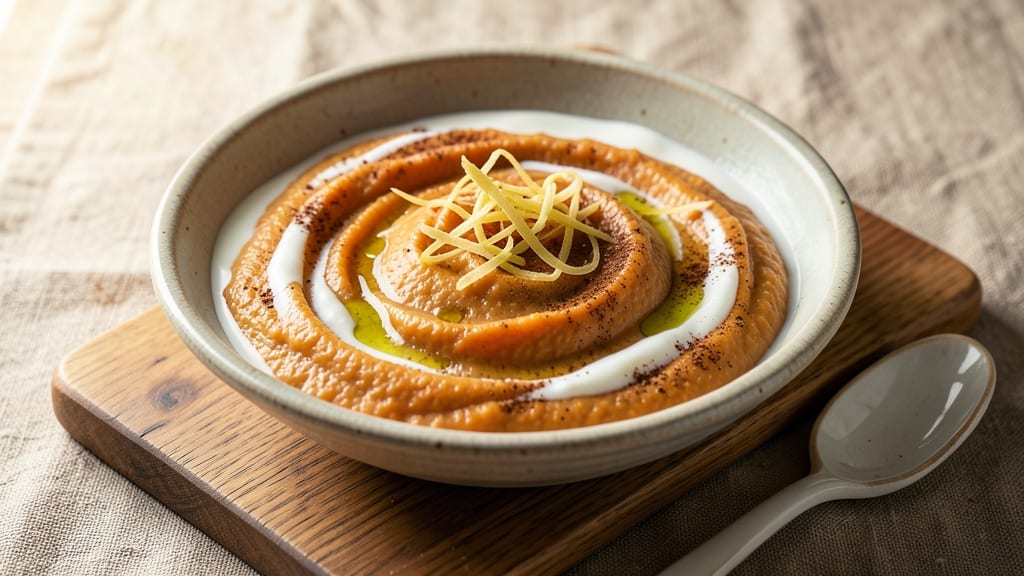
This sweet potato and carrot puree recipe transforms humble root vegetables into a velvety, cinnamon-kissed side that elevates any meal. The secret lies in roasting the vegetables first—this caramelizes their natural sugars, creating a depth of flavor that steaming or boiling simply can’t match.
What begins as a simple combination of sweet potatoes and carrots becomes a smooth, golden puree with a warmth that lingers long after the first bite.
The process is straightforward but precise: roast until tender, steam to perfection, then blend until silky.
A touch of coconut milk or olive oil adds richness without overpowering the vegetables' natural sweetness, while a pinch of cinnamon and nutmeg infuses the puree with comforting spice that pairs beautifully with savory dishes.
This isn’t just a side—it’s a flavor foundation that works as a dip, a soup base, or a standalone vegan dish.
What makes this puree truly versatile is its texture—adjust the blending time for a velvety finish or leave it slightly chunky for added visual appeal. Serve it alongside curries, grilled meats, or even as a topping for toasted bread with a drizzle of maple syrup.
The possibilities are endless, but the technique remains foolproof: roast, steam, blend, and taste the difference.
For those watching their calories or looking for a nutrient boost, this puree is packed with fiber, vitamins A and C, and natural sweetness that satisfies without guilt.
It’s the kind of dish that proves simple ingredients can deliver restaurant-quality results with just a little attention to detail. Ready to transform your side dishes?
Ingredients for sweet potato and carrot puree
Roasted sweet potatoes and carrots transform into velvety puree with just these 11 simple ingredients.
| Ingredient | Amount | Notes |
|---|---|---|
| Sweet Potatoes 🍠 | 2 lbs | Organic preferred, peeled and cubed |
| Carrots 🥕 | 1 ½ lbs | Baby carrots or whole, peeled and chopped |
| Fresh Ginger 🌿 | 1 tbsp | Finely grated, aromatic |
| Extra-Virgin Olive Oil 🫒 | ½ cup | For roasting and blending |
| Full-Fat Coconut Milk 🥥 | ¼ cup | Canned, for creaminess |
| Ground Cinnamon 🌶️ | 1 tsp | Ceylon cinnamon preferred |
| Ground Nutmeg 🌶️ | ¼ tsp | Freshly grated preferred |
| Sea Salt 🧂 | ½ tsp | Diamond Crystal preferred |
| Fresh Lemon Juice 🍋 | 1 tbsp | Brightens flavor profile |
| Water 💧 | ½ cup | For steaming and blending |
| Maple Syrup 🍯 | 1 tbsp | Grade B for depth of flavor |
The sweet potatoes and carrots are the heart of this dish—organic varieties from the produce section at Whole Foods or your local farmers market deliver the best flavor. Look for sweet potatoes with vibrant orange flesh (not pale) and carrots with firm texture. Peeling is optional, but I always do it for a smoother puree. Costco often carries pre-peeled carrots in the organic section if you're short on time. The ginger should smell sharp and zesty—none of that dusty stuff from the back of your spice rack. For the coconut milk, Aroy-D brand is my go-to for that perfect balance of creaminess and fat content.
No full-fat coconut milk? Substitute with cashew cream (soak 1/2 cup cashews, blend with 1/4 cup water) or even extra olive oil for richness. Fresh ginger too pungent? Powdered ginger at half the amount works in a pinch, though it lacks the same depth. The maple syrup can be swapped for agave, but Grade B maple has that caramelized flavor that makes this puree sing. For the cinnamon, Ceylon cinnamon is gentler than regular, but if that's not available, stick to ground cassia—just don't overdo it. The lemon juice is non-negotiable for brightness, but if you're out, a splash of apple cider vinegar works too.
This puree keeps beautifully in the fridge for 5 days—just store it in an airtight container with a thin layer of olive oil on top to preserve freshness. For longer storage, freeze in ice cube trays and transfer to a bag for up to 3 months. I always make extra because it reheats perfectly—just warm in a saucepan with a splash of water or coconut milk. The texture changes slightly when reheated, so blend again briefly if you want that silky finish. Perfect for meal prep: portion into small containers for quick sides all week.
Why You'll Love This Recipe
- No-Fuss Ingredients: I swear by this combo—just five things from your pantry and fridge. No specialty items, no hunting for obscure spices. The ginger adds that zing without overpowering, and the coconut milk? It turns this puree into something velvety smooth without tasting like a health food store ad.
- Warm Spice Hug: That fresh ginger and olive oil base? It’s like a hug for your taste buds. The sweetness of the carrot and sweet potato gets this cozy, almost dessert-like richness, but with a savory edge that makes it work for breakfast, lunch, or dinner. Honestly, I’ve used it as a soup base, a toast spread, and even a side—it’s that versatile.
- Double-Duty Magic: Between us, this puree is my secret weapon for lazy days. Make a big batch on Sunday, and you’ve got instant mash for roasted veggies, a creamy sauce for curries, or a spread for sandwiches all week. (Yes, even on a Tuesday night when you’re too tired to think.)
- Budget Booster: Sweet potatoes and carrots are cheap, and this recipe stretches them far. The coconut milk makes it feel fancy, but it’s still a steal—especially when you’re feeding a crowd or just trying to make your groceries last. Plus, leftovers? They keep for days in the fridge, so no wasted food here.
Step-by-step instructions for sweet potato and carrot puree
Transform humble vegetables into velvety, fragrant puree with this foolproof method.
🍳 Step 1: Roast Vegetables Until Tender
Preheat your oven to 400°F. Line a large baking sheet with parchment paper and arrange the 2 lbs sweet potatoes and 1.5 lbs carrots in a single layer. Drizzle evenly with the 0.5 cup extra-virgin olive oil and toss gently to coat—you want every piece lightly oiled but not swimming in fat.
Spread the vegetables evenly on the baking sheet, leaving ½-inch space between pieces. Roast for 30-40 minutes, stirring once halfway through, until the sweet potatoes are fork-tender with slightly caramelized edges and the carrots are soft when pierced with a knife. The aroma should be sweet and earthy—this is your cue they're perfectly cooked.
👨🍳 Step 2: Steam and Blend for Ultra-Smooth Texture
Transfer the roasted vegetables to a large pot and add the 0.5 cup water. Bring to a gentle simmer over medium heat for 5 minutes, which helps break down the fibers for an impossibly smooth puree. Meanwhile, grate the 1 tbsp fresh ginger using a fine grater or microplane—you want a paste-like consistency.
Drain any excess liquid from the pot, then transfer the vegetables to a blender or food processor. Add the grated ginger and blend until completely smooth, scraping down the sides as needed. If the mixture is too thick, add 1-2 tablespoons water at a time until you reach a pourable consistency. The puree should be velvety with no visible texture—this is where the magic happens.
🥘 Step 3: Infuse with Warm Spices and Creamy Elements
Return the puree to the pot and stir in the 0.25 cup full-fat coconut milk, 1 tbsp maple syrup, 1 tbsp fresh lemon juice, 1 tsp ground cinnamon, 0.25 tsp ground nutmeg, and 0.5 tsp sea salt. Warm the mixture over low heat for 3-4 minutes, stirring constantly, until everything is fully incorporated and the spices are fragrant.
The coconut milk adds luxurious creaminess while the maple syrup and lemon juice brighten the natural sweetness. Taste and adjust seasoning—you might need an extra pinch of salt or cinnamon to balance the flavors. The puree should be rich, aromatic, and perfectly seasoned, with a subtle warmth from the spices that lingers on your palate.
⏰ Step 4: Serve Warm or Store Properly
For immediate serving, ladle the puree into bowls and garnish with an extra sprinkle of cinnamon or a drizzle of maple syrup. If storing, transfer to airtight containers and refrigerate for up to 5 days or freeze for 3 months. To reheat, warm gently in a saucepan over low heat, stirring occasionally and adding a splash of water if it thickens too much.
This puree makes an excellent side dish, breakfast bowl base, or even a filling for stuffed vegetables. The roasting develops deep caramel notes while the spices add complexity—each spoonful delivers both comfort and sophistication. Serve with a dollop of Greek yogurt or a sprinkle of toasted nuts for added texture contrast.
Pro Tips For Making Sweet Potato And Carrot Puree
- Peel After Cooking: Sweet potatoes and carrots release more flavor when cooked whole—peeling them afterward preserves their natural sweetness. I learned this the hard way when I peeled first and ended up with a bland, watery mess.
- Roast First, Puree Second: Toss chopped sweet potatoes and carrots in olive oil, salt, and a pinch of ginger before roasting at 400°F (200°C) for 20-25 minutes until caramelized. This adds depth that steaming or boiling can’t match—trust me, your puree will taste like it’s from a restaurant.
- Strain Twice for Smoothness: Use a fine-mesh sieve first to catch fibrous bits, then press through a nut milk bag or cheesecloth for ultra-silky texture. Skipping this step leaves your puree grainy, and no one wants to deal with that when coconut milk is involved.
- Balance the Ginger: Fresh ginger is bold—start with 1 teaspoon, grate it finely, and taste before blending. Too much overpowers the sweetness; too little makes the coconut milk taste one-dimensional. Adjust in small increments, because you can’t fix it later.
Health benefits of this sweet potato and carrot puree
Vitamin A Powerhouse
Sweet potatoes and carrots are packed with vitamin A, with just ½ cup of this puree delivering over 200% of your daily needs! This nutrient supports vision health, immune function, and skin regeneration.
The roasting process enhances vitamin A bioavailability, making it easier for your body to absorb. I always make extra because this puree is like a vitamin supplement disguised as comfort food. 💪
Fiber-Rich Comfort
With 5 grams of fiber per serving, this puree helps regulate digestion and keeps you feeling full longer. The combination of sweet potatoes and carrots provides both soluble and insoluble fiber, promoting gut health.
Unlike processed sides, this puree has no artificial additives—just natural fiber that supports your microbiome. It's the kind of side that actually works for you.
Natural Sweetness Control
This puree satisfies sweet cravings without refined sugar. The maple syrup and caramelized vegetables provide 12 grams of natural sugars per serving, with no blood sugar spikes. The cinnamon and nutmeg also help regulate glucose metabolism.
I often serve it as a dessert alternative with a sprinkle of cinnamon—it's like eating a healthy version of apple pie.
Antioxidant Protection
Both sweet potatoes and carrots contain beta-carotene, which converts to vitamin A in your body. This puree also contains lutein and zeaxanthin, antioxidants that protect your eyes from harmful blue light.
The roasting process actually increases antioxidant levels compared to raw or boiled versions. It's one of those rare foods where cooking makes it healthier for you.
Vegan Protein Booster
While not a complete protein source, this puree pairs perfectly with plant-based proteins like tofu or lentils to create a balanced meal. The coconut milk adds healthy fats that help your body absorb the fat-soluble vitamins.
I love serving it with chickpea curry for a complete protein punch. It's a simple way to make vegetarian meals more nutritious without sacrificing flavor.
Digestive Health Support
The combination of soluble fiber and natural enzymes from the ginger makes this puree gentle on digestion while promoting regularity. The ginger also helps reduce inflammation in the digestive tract.
I've found it particularly helpful after heavy meals—it's like a digestive reset in puree form. The warmth from the spices adds to this soothing effect.
Nutrition facts
Frequently asked questions
Can I make this puree without coconut milk?
For a lighter version, replace the coconut milk with 2 tablespoons olive oil or ¼ cup cashew cream (blend soaked cashews with water). If you prefer dairy, use ¼ cup whole milk or Greek yogurt for a tangy twist. The key is maintaining creaminess—just adjust the liquid until you reach your desired consistency.
How do I adjust the sweetness for kids or picky eaters?
Reduce the maple syrup to ½ tablespoon and add a pinch of vanilla extract for natural sweetness. For extra kid appeal, blend in ¼ cup unsweetened applesauce or a splash of orange juice. The roasted vegetables already provide natural sweetness, so you won't need much extra. Taste as you go—this puree is naturally mild!
What's the best way to reheat this puree?
Gently reheat in a saucepan over low heat with 1-2 tablespoons water or coconut milk to prevent drying. Stir constantly until warmed through (3-4 minutes). For microwave reheating, use 20-second intervals on low power, stirring between each. The texture will thicken slightly—just blend briefly with a splash of liquid to restore smoothness.
Can I use this puree as a soup base?
Yes! This puree makes an excellent base for creamy soups. Simmer 1 cup puree with 2 cups vegetable broth and your choice of protein (like chickpeas or tofu). For extra depth, add a pinch of turmeric or smoked paprika. The roasted flavors will shine in any broth-based soup—just adjust seasoning to taste.
Why does my puree turn out grainy?
Graininess usually means the vegetables weren't soft enough before blending. Ensure they're fork-tender after roasting and steam them 5 minutes to break down fibers. For extra smoothness, strain through a fine-mesh sieve after blending. If using an immersion blender, blend in short bursts** while submerged. Patience pays off for that silky texture!