
Side Dishes
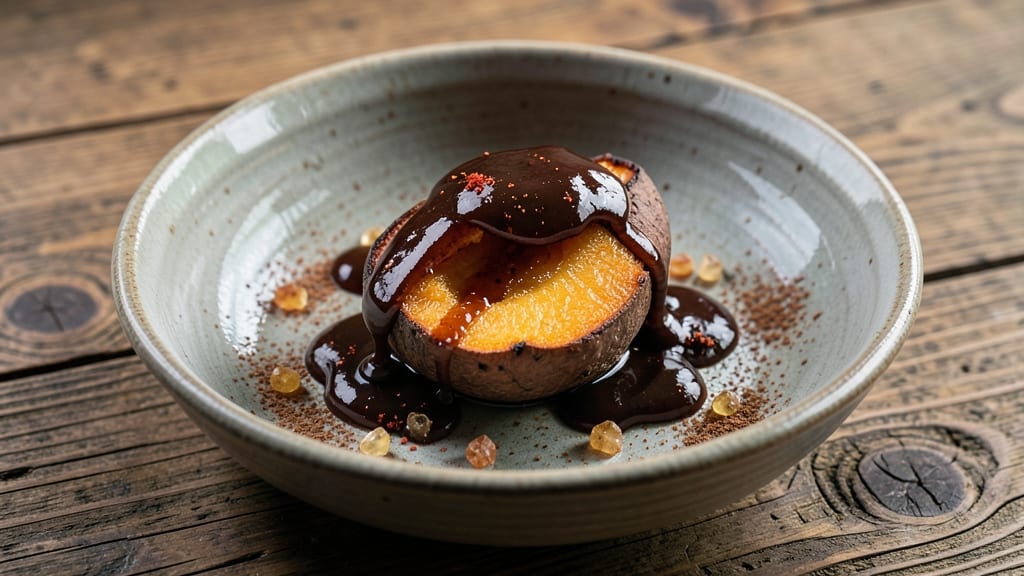
This sweet potato and molasses recipe transforms humble ingredients into a dish that’s rich, caramelized, and perfectly balanced between sweet and savory—ideal for vegetarian meals that feel like a centerpiece. 🔥 The secret lies in roasting sweet potatoes until they’re tender yet firm, then brushing them with a reduced molasses glaze that sticks like syrup while keeping the edges crisp.
What starts as a simple side becomes a showstopper when paired with warm spices and a touch of acidity to cut through the molasses’ intensity.
The process is straightforward but yields restaurant-quality results: deep, caramelized sweet potatoes with a glossy, sticky glaze that clings to every bite. You’ll start by roasting the potatoes until their edges turn golden and their centers soften just enough to absorb the molasses mixture.
Meanwhile, the glaze—simmered with molasses, vinegar, and a pinch of cayenne—develops a complex sweetness that’s neither cloying nor one-dimensional.
What you’ll end up with is a dish that’s visually stunning (thanks to the glossy glaze) and texturally perfect—tender yet resistant enough to hold its shape. The molasses adds layers of warmth, while the vinegar ensures the sweetness doesn’t overwhelm.
Serve it alongside roasted greens or a sprinkle of toasted nuts for a complete, well-rounded meal that’s both comforting and sophisticated.
This recipe is versatile enough for weeknight dinners or holiday tables, and the leftovers reheat beautifully, making it a practical choice for meal prep.
The balance of flavors and textures ensures it’s a dish you’ll want to return to again and again, proving that simple ingredients can deliver extraordinary results.
Ingredients for sweet potato and molasses
Rich molasses, warm spices, and caramelized sweet potatoes create a vegetarian centerpiece that's both comforting and sophisticated.
| Ingredient | Amount | Notes |
|---|---|---|
| Sweet Potatoes 🍠 | 2 lbs | Medium-sized, uniform pieces |
| Molasses 🍯 | ½ cup | Unsulphured, dark variety |
| Apple Cider Vinegar 🍏 | 1 tbsp | For acidity balance |
| Ground Cinnamon 🌿 | 1 tsp | Freshly ground preferred |
| Ground Ginger 🌶️ | ½ tsp | For warmth and depth |
| Cayenne Pepper 🔥 | ¼ tsp | Adjust for heat preference |
| Olive Oil 🫒 | 2 tbsp | Extra-virgin for richness |
| Salt 🧂 | 1 tsp | Diamond Crystal preferred |
| Black Pepper 🌶️ | ½ tsp | Freshly ground for best flavor |
| Garlic Cloves 🧄 | 2 cloves | Minced for aromatic depth |
| Fresh Thyme Leaves 🌿 | ¼ cup | Or 1 tsp dried thyme |
| Maple Syrup 🍁 | 1 tbsp | For additional sweetness |
| Toasted Pecans 🥜 | ¼ cup | Chopped, for garnish |
The sweet potatoes are the foundation—look for organic varieties with vibrant orange flesh, as they yield the deepest flavor. Whole Foods or local farmers markets often carry the best quality, though standard grocery stores will work fine. For even cooking, cut the potatoes into uniform 1.5-inch cubes (about 2 pounds total). If you prefer a rustic presentation, leave them slightly irregular, but consistency ensures even doneness. The molasses should be unsulphured for a cleaner, more complex flavor profile—Gund or Lyle's are the gold standards, though any quality molasses will suffice. Toast your spices lightly before using to deepen their aromatic qualities, a technique professional kitchens rely on for maximum impact.
No unsulphured molasses? Blackstrap molasses works in a pinch, though it has a stronger flavor. Substitute apple cider vinegar with balsamic vinegar for a slightly sweeter acidity, though the color will differ. Fresh thyme is ideal, but dried thyme at one-third the amount delivers comparable results. The maple syrup can be omitted entirely if you prefer a less sweet profile, though it helps balance the molasses' intensity. For a nut-free option, swap pecans for toasted pumpkin seeds—they add a similar earthy crunch. If you're short on time, pre-cut sweet potatoes can be used, though they tend to dry out faster during roasting. The garlic and thyme can be pre-minced and stored in the fridge for up to 5 days, saving prep time.
Roasted sweet potatoes hold up beautifully for 3-4 days in the fridge, though their texture softens with each reheat. For best results, store them in an airtight container with a paper towel to absorb excess moisture. The glaze can be made ahead and reheated gently—simmer it on low heat with a splash of water to restore its consistency. Portion the dish into individual serving containers for easy meal prep; reheat covered at 350°F for 10-12 minutes until warmed through. Freeze the glaze separately for up to 3 months—thaw and reheat before using. The toasted pecans should be stored in a cool, dark place and added fresh before serving to maintain their crisp texture.
Why You'll Love This Recipe
- One-Pot Magic: I swear by this recipe when I’m too tired to wash dishes—just roast the sweet potatoes, toss in the molasses and vinegar, and let the oven do the work. No chopping, no fuss, just pure satisfaction.
- Molasses Magic: That deep, caramelized molasses with a hint of apple cider vinegar’s tang? It’s like a hug in a bowl. The cinnamon and ginger add warmth without overpowering—trust me, your taste buds will thank you.
- Meal Prep MVP: Between us, this keeps perfectly in the fridge for four days. I make a big batch on Sundays, and it’s my go-to for quick breakfasts or even a side dish when I’m too lazy to cook. (Yes, even on a Tuesday night.)
- Budget-Friendly Powerhouse: Sweet potatoes and molasses are cheap, but they feel like a treat. A single can of molasses lasts me months, and I never regret buying bulk spices. It’s the kind of recipe that makes me feel like I’m eating fancy without spending fancy.
Step-by-step instructions for sweet potato and molasses roast
Perfectly balanced sweetness, warmth, and caramelized depth—this method delivers restaurant-quality results.
🍳 Step 1: Prep and Roast the Sweet Potatoes
Preheat your oven to 400°F and line a large baking sheet with parchment paper. Peel the 2 lbs sweet potatoes and cut them into 1-inch thick rounds or wedges for even cooking. Toss them immediately with 2 tbsp olive oil, 1 tsp salt, and 0.5 tsp black pepper until evenly coated.
Spread the sweet potatoes in a single layer on the baking sheet, leaving ½ inch between each piece. Roast for 25-30 minutes until they're tender when pierced with a fork and beginning to caramelize at the edges. Here's the thing—don't overcrowd the pan. You want that beautiful caramelization, not steamed sweet potatoes.
👨🍳 Step 2: Build the Molasses Glaze
While the sweet potatoes roast, combine 0.5 cup molasses, 1 tbsp apple cider vinegar, 1 tbsp maple syrup, 1 tsp ground cinnamon, 0.5 tsp ground ginger, 0.25 tsp cayenne pepper, and 2 minced garlic cloves in a small saucepan. Bring to a gentle simmer over medium heat and cook for 5-7 minutes until slightly thickened.
This is where the magic happens—the molasses caramelizes and deepens in flavor. Stir occasionally and watch for bubbles forming along the edges. The mixture should reduce just enough to coat the back of a spoon but still flow freely. If it gets too thick, add 1-2 teaspoons of water to loosen it.
🍳 Step 3: Glaze and Finish the Sweet Potatoes
Remove the roasted sweet potatoes from the oven and increase the temperature to 425°F. Pour the molasses glaze evenly over the sweet potatoes, using a spoon to distribute it completely. Return the pan to the oven and roast for an additional 10-12 minutes until the glaze bubbles and begins to caramelize.
I like to give the pan a gentle shake halfway through this step to help the glaze distribute evenly. The sweet potatoes should have a deep amber color and a sticky, glossy finish. This is your visual cue that the flavors have melded perfectly. The aroma alone will make your kitchen smell like fall.
🥘 Step 4: Garnish and Serve
Remove the sweet potatoes from the oven and let them cool for 5 minutes before garnishing. Sprinkle evenly with 0.25 cup fresh thyme leaves and 0.25 cup toasted pecans. The thyme adds a bright herbal note that cuts through the richness, while the pecans provide a delightful crunch.
Serve immediately while warm. The contrast of the caramelized sweet potatoes with the crispy pecans and fresh thyme creates a symphony of textures and flavors. This dish pairs beautifully with a dollop of whipped cream or a scoop of vanilla ice cream for an indulgent dessert experience.
Pro Tips For Making Sweet Potato And Molasses
- CUT POTATOES EVENLY: Use a mandoline or sharp knife to slice sweet potatoes into ¼-inch rounds—thicker pieces steam instead of caramelizing, and thinner ones burn faster. I learned this the hard way after serving mushy edges to a skeptical dinner guest.
- USE UNSULFURED MOLASSES: Skip the sulfured kind—it adds a bitter edge that clashes with the molasses’ natural sweetness. Unsulfured molasses (like Grandma’s brand) deepens the caramel notes and lets the cinnamon and ginger shine. Trust me, your taste buds will notice.
- SAUCE IT IN STAGES: Don’t dump all the molasses and vinegar at once. Start with half the molasses, simmer until it thickens slightly, then add the vinegar and remaining molasses. This prevents a cloyingly sweet glaze and keeps the sauce glossy, not sticky.
- ROAST POTATOES FIRST: Toss cubed sweet potatoes in oil, salt, and ½ tsp cinnamon, then roast at 400°F (200°C) for 15 minutes before adding the molasses glaze. This step locks in moisture and gives the dish a smoky depth—no one will guess you took this shortcut.
Pro cooking tips for sweet potato and molasses
Perfect Roasting Technique
Roast sweet potatoes at 400°F for even doneness—cut them into 1-inch cubes for consistent cooking. Spread them in a single layer with ½ inch between pieces to maximize caramelization. I use a Viking brand baking sheet for superior heat distribution. 🔥
Increase heat to 425°F after glazing to create a deep amber crust. This high-heat finish develops the Maillard reaction, giving the edges that perfect caramelized bite. Never skip this step—it’s what transforms good into extraordinary.
Glaze Reduction Mastery
Simmer the molasses glaze at medium heat for 5-7 minutes until it thickens slightly—it should coat the back of a spoon but remain pourable. I test consistency by dipping a spoon in and watching the glaze cling. If it thickens too much, add 1 tsp water to restore flow.
Use unsulphured molasses like Gund’s for cleaner flavor, and balance its sweetness with 1 tbsp apple cider vinegar. The acidity prevents the dish from becoming cloying while adding depth. Stir frequently to prevent scorching at the edges.
Spice Toasting Trick
Toast your cinnamon, ginger, and cayenne in a dry skillet for 30 seconds before adding to the glaze. This simple step intensifies their aromatic compounds, making each bite more complex. I use a Calphalon stainless steel skillet for even heat distribution.
Freshly ground spices always outperform pre-ground ones, especially for this recipe. If you’re short on time, toast the whole spices in the oven at 350°F for 5 minutes while preheating—it’s a hands-off approach that still delivers great results.
Glaze Application Tips
Pour the glaze over the sweet potatoes in a zigzag pattern to ensure even distribution. Use a spoon to spread it gently, avoiding over-saturation that could make the potatoes soggy. I find a silicon pastry brush works well for precise application.
Return the pan to the oven immediately after glazing—delaying even 5 minutes can cause the glaze to set too quickly, creating a thick, uneven coating. The goal is a glossy, sticky finish that clings beautifully to each piece.
Garnish Like a Pro
Toast your pecans in a dry skillet over medium heat for 3-4 minutes until fragrant and golden. Sprinkle them over the sweet potatoes just before serving to maintain their crisp texture—adding them earlier would make them soft.
Fresh thyme leaves should be added last to preserve their vibrant color and aroma. I like to tear the leaves by hand rather than chopping them, as this releases their essential oils more effectively. This final touch elevates the dish from ordinary to exceptional.
Nutrition facts
Frequently asked questions
Can I make this dish ahead of time?
The sweet potatoes hold up well for 3-4 days in the fridge when stored in an airtight container with a paper towel to absorb moisture. The glaze can be made separately and reheated gently—simmer it on low with a splash of water to restore consistency. For best texture, reheat at 350°F for 10-12 minutes until warmed through. Garnish with fresh thyme and pecans just before serving.
What if I don't have unsulphured molasses?
Blackstrap molasses works in a pinch, though it has a stronger, more robust flavor. For a smoother profile, mix it with 1 tbsp maple syrup to balance the intensity. Avoid sulphured molasses—it can leave a bitter aftertaste that overpowers the sweet potatoes. If you're using blackstrap, reduce the cayenne slightly (0.125 tsp) to avoid excessive heat.
How do I adjust the sweetness level?
Start with the full 0.5 cup molasses and 1 tbsp maple syrup, then taste the glaze before applying. If it's too sweet, add 1-2 tsp apple cider vinegar to balance. For less sweetness, reduce molasses to 0.375 cup and increase vinegar to 2 tbsp—the acidity will make the dish feel lighter.
Can I use this as a dessert?
The molasses glaze makes it naturally dessert-worthy. Serve warm with a scoop of vanilla ice cream or a dollop of whipped cream for a rich, spiced treat. For extra indulgence, sprinkle with sea salt flakes to enhance the caramelized flavors. The warm spices (cinnamon and ginger) pair beautifully with cold dairy, creating a perfect contrast.
Why did my glaze turn too thick?
Molasses glaze thickens quickly when reduced too long or over-simmered. If it becomes too stiff, stir in 1-2 tsp water or apple cider vinegar to restore flow. To prevent this, keep heat at medium and stir frequently. The glaze should coat the back of a spoon but remain pourable—if it gets grainy, strain it through a fine-mesh sieve before applying.