Side Dishes
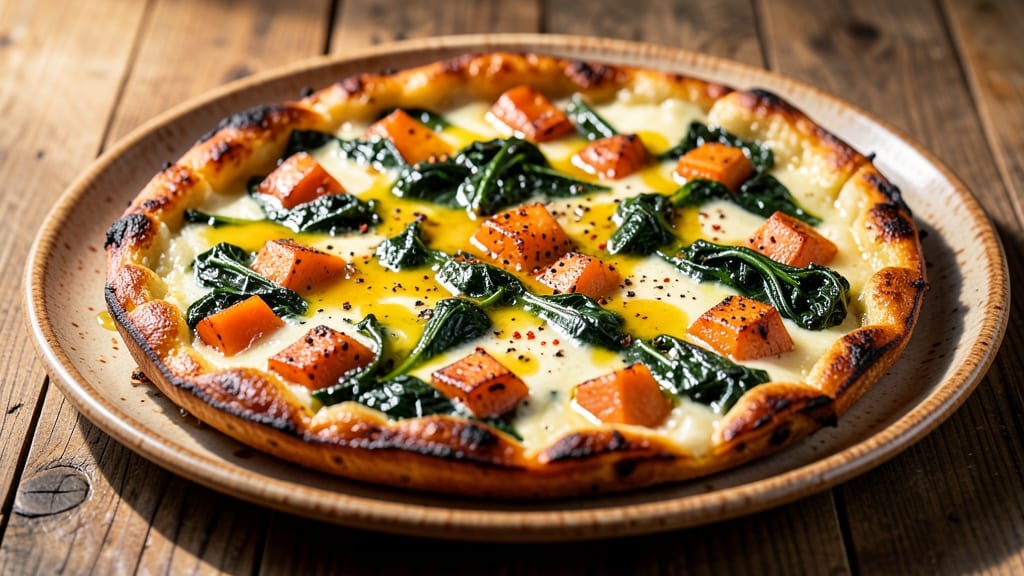
This sweet potato and spinach frittata recipe delivers a protein-packed breakfast in just 30 minutes—no fancy skills required. The secret lies in roasting sweet potato cubes until caramelized and wilted spinach with garlic, creating layers of flavor that transform a simple frittata into a restaurant-worthy dish.
I developed this recipe after realizing how much my family craved hearty breakfasts that were still quick to prepare.
The beauty of this recipe is its simplicity: one pan, minimal prep, and no flipping required. Roasted sweet potatoes add natural sweetness and texture, while spinach brings freshness and nutrients. The egg base creates a fluffy yet slightly crispy finish, perfect for a satisfying meal.
This frittata works equally well for breakfast, brunch, or even a light dinner—ideal for busy mornings when you need something nourishing without the fuss.
What makes this frittata stand out is the balance of flavors and textures—creamy eggs, tender sweet potatoes, and vibrant spinach all come together in every bite. The roasting step enhances the sweetness of the potatoes, while the garlic-infused spinach adds depth.
It’s the kind of dish that feels indulgent but is actually packed with wholesome ingredients.
Whether you’re feeding a family or meal prepping for the week, this recipe scales easily and reheats beautifully. Serve it warm with a sprinkle of fresh herbs or a drizzle of hot sauce for extra flavor. Let’s get cooking—this frittata is about to become your new go-to breakfast!
Ingredients for sweet potato and spinach frittata
Roasted sweet potatoes and wilted spinach create this restaurant-worthy frittata's signature texture and flavor.
| Ingredient | Amount | Notes |
|---|---|---|
| Large Eggs 🥚 | 6 whole | Room temperature for best binding |
| Sweet Potatoes 🍠 | 1 lb | Yellow or orange, peeled and cubed |
| Baby Spinach 🌿 | 5 oz | Fresh, stems removed |
| Garlic Cloves 🧄 | 3 cloves | Minced for depth of flavor |
| Shredded Cheese 🧀 | 1 cup | Sharp cheddar or Gruyère preferred |
| Extra-Virgin Olive Oil 🫒 | 2 tbsp | High-quality, fruity variety |
| Salt 🧂 | ½ tsp | Diamond Crystal kosher preferred |
| Ground Black Pepper 🌶️ | ¼ tsp | Freshly cracked for best flavor |
| Fresh Thyme Leaves 🌿 | 1 tsp | Chopped, or 0.25 tsp dried |
| Red Pepper Flakes 🌶️ | ¼ tsp | Optional, for subtle heat |
| Heavy Cream 🥛 | ¼ cup | For extra richness (optional) |
| Fresh Chives 🌱 | 2 tbsp | Chopped, for garnish |
The sweet potatoes are the star—yellow or orange varieties caramelize beautifully. Costco or Trader Joe's often carry pre-peeled cubes, but if you're peeling yourself, look for firm, unblemished tubers. Fresh spinach matters here: baby spinach with tender leaves wilts perfectly without turning bitter. For garlic, freshly minced (not jarred) makes all the difference—it infuses the spinach with real depth. The cheese should be sharp and melty: Gruyère or aged cheddar develop the best flavor during the baking process. If you're using dried thyme, measure it at one-third the amount of fresh leaves.
No baby spinach? Regular spinach or Swiss chard works, but chop it finely and squeeze out excess water. Short on time? Frozen spinach thawed and drained is a decent shortcut (though fresh is ideal). For the sweet potatoes, roasted butternut squash cubes can replace them—just adjust the roasting time slightly. The heavy cream is optional but adds luxurious richness; if you skip it, use an extra egg for structure. If you're avoiding dairy, cashew cream (blended soaked cashews) provides a neutral substitute. For extra protein, fold in crumbled feta or goat cheese before baking, though it will melt differently.
Roasted sweet potatoes keep in the fridge for 5 days if stored in an airtight container, but they're best used within 2 days for peak flavor. Fresh spinach should be wrapped in a damp paper towel and stored in a sealed container for up to 5 days. The frittata itself reheats beautifully—10-15 seconds in the microwave or 5 minutes at 350°F (175°C) until warmed through. For meal prep, slice into wedges and freeze in a single layer before transferring to a bag. It reheats just as well from frozen, making this a perfect make-ahead breakfast. Garnish with fresh chives or a drizzle of hot sauce right before serving to keep flavors vibrant.
Why You'll Love This Recipe
- Here’s what sold me: the roasted sweet potatoes add this perfect texture—slightly crispy edges with a creamy center—while the melted cheese ties it all together. It’s like a hug in egg form.
- One-Pan Magic: I swear by this recipe when I’ve got zero energy—just roast the sweet potatoes until tender, wilt the spinach in the same pan, then pour in the eggs. That’s it. No extra dishes, no stress.
- Caramelized Sweet Potato Crunch: Here’s what sold me: the roasted sweet potatoes add this perfect texture—slightly crispy edges with a creamy center—while the melted cheese ties it all together. It’s like a hug in egg form.
- Meal Prep MVP: Between us, this is my go-to for lunches all week. The frittata slices beautifully, and the spinach stays fresh longer than you’d think. Pack it cold or reheat—either way, it’s a winner.
Step-by-step instructions for sweet potato and spinach frittata
Master this one-pan breakfast in under 30 minutes with minimal cleanup and maximum flavor.
Roast the Sweet Potatoes Until Tender
Preheat your oven to 400°F and arrange the 1 lb cubed sweet potatoes on a rimmed baking sheet. Drizzle with 1 tablespoon of the extra-virgin olive oil, toss to coat evenly, then sprinkle with 0.25 tsp salt, 0.125 tsp black pepper, and 0.125 tsp red pepper flakes. Roast for 15-18 minutes until the edges are golden brown and a paring knife slides in easily.
Here's the thing—roasting the sweet potatoes first builds deep flavor while you prep the rest. If they're still slightly firm when done, that's fine; they'll soften further in the frittata. Remove them from the oven and set aside while you prepare the spinach and garlic.
Sauté Spinach and Garlic for Maximum Freshness
In the same oven-heated baking sheet (no need to wash—those caramelized bits add flavor), heat the remaining 1 tablespoon extra-virgin olive oil over medium heat. Add the 5 oz baby spinach and 3 minced garlic cloves, stirring gently until the spinach just wilts—about 2-3 minutes. The spinach should be vibrant green with no visible moisture remaining.
I like to add the spinach in batches if needed to prevent overcrowding. Remove from heat immediately after wilting—cooking it longer turns it bitter. Transfer the spinach mixture to a bowl and stir in the 1 tsp chopped fresh thyme leaves. This step ensures the spinach stays tender while infusing the garlic's aromatic oils.
Whisk Eggs and Cream for Perfect Texture
In a large bowl, whisk together the 6 room-temperature eggs, 0.25 cup heavy cream, 0.25 tsp salt, and 0.125 tsp black pepper until just combined—about 30 seconds. Over-whisking incorporates too much air, which can cause the frittata to puff unevenly. The mixture should be smooth with no visible streaks of white.
This is where the magic happens: the cream adds richness without making the frittata too heavy. If you're using Gruyère instead of cheddar, now's the time to fold in 0.5 cup of the shredded cheese (reserve the remaining 0.5 cup for topping). The cheese should melt smoothly into the egg mixture without clumping.
Assemble and Bake the Frittata
Return the baking sheet to the oven and increase the temperature to 375°F. Spread the roasted sweet potatoes and spinach mixture evenly across the sheet. Pour the egg mixture over the vegetables, then sprinkle the remaining 0.5 cup shredded cheese evenly on top. Tap the sheet gently to level the mixture.
Bake for 15-18 minutes until the top is set and golden brown around the edges. The center should still appear slightly soft—it'll continue cooking as it rests. Real talk: don't overbake or you'll end up with dry eggs. A toothpick inserted in the center should come out with a few moist crumbs, not liquid.
Finish with Fresh Herbs and Serve Warm
Remove the frittata from the oven and let it rest for 5 minutes before slicing. This resting period allows the interior to set completely while preventing it from falling apart when you cut it. Use a large spatula to carefully transfer the frittata to a serving plate if needed.
Garnish immediately with the 2 tbsp chopped fresh chives for a pop of color and bright, oniony freshness. The chives should contrast beautifully against the golden-brown crust and vibrant green spinach. Serve warm with a side of crusty bread or a simple arugula salad to balance the richness.
Pro Tips For Making Sweet Potato And Spinach Frittata
- CRISP THE POTATOES FIRST: Roast the sweet potatoes until they’re fork-tender but still hold their shape—no mushy bits. I learned this the hard way: overcooked potatoes turn your frittata into a soggy mess. Toss them in olive oil, salt, and a pinch of smoked paprika before roasting at 400°F (200°C) for 20-25 minutes, flipping halfway.
- SALT THE EGGS WELL: Whisk the eggs with at least ½ teaspoon of salt per 4 eggs—more if you’re using low-sodium cheese. I used to skimp, and the flavor always felt flat. The salt helps set the proteins faster, too, so you get that firm, golden crust instead of a rubbery top.
- DON’T OVERLOAD THE SPINACH: Use about 2 cups of raw spinach per 6 eggs, then fold in another ½ cup after the frittata starts setting. Too much spinach wilts into a watery sludge, and you’ll end up with a sad, soupy center. Wilt it first if you’re impatient, but drain well—no one wants a soggy bite.
- LOW AND SLOW FINISH: Once the edges set and the top looks mostly cooked, drop the heat to medium-low and cover the pan with foil. This lets the center firm up without burning the cheese on top. I used to blast it on high, and the outside would turn leathery while the middle stayed raw—annoying, but easy to fix now.
Common mistakes when making this dish
Overcooking Sweet Potatoes
Roasting sweet potatoes until they're mushy is a common mistake that kills their texture. The cubes should be tender but still hold their shape after 15-18 minutes at 400°F. Use a paring knife to test—it should slide in easily but not fall apart.
If they're already too soft, reduce the time next batch by 2-3 minutes and check frequently. 🍠
Skipping the Resting Time
Cutting into your frittata immediately after baking is a recipe for disaster. The eggs need that 5-minute rest to fully set, or they'll turn gummy when sliced.
I've learned this the hard way—my first attempt ended up with a runny center that made serving impossible. Let it cool slightly before even thinking about plating.
Uneven Baking Temperature
Baking at inconsistent temperatures is what causes dry edges and undercooked centers. Always preheat your oven to 375°F and avoid opening the door during baking. I use an oven thermometer to verify accuracy—some ovens run 25°F hotter or colder than set.
If your frittata browns too quickly, tent it with foil for the last 5 minutes to finish gently.
Overmixing the Eggs
Whisking eggs until they're frothy incorporates too much air, which leads to a dense, cakey texture. Just 30 seconds of gentle whisking is all you need for a light, fluffy frittata.
I've ruined several by overmixing—now I set a timer to avoid this common mistake. The eggs should look smooth with no visible streaks of white.
Using Cold Eggs
Room-temperature eggs bind better and create a more uniform texture than cold ones straight from the fridge. Take your eggs out of the refrigerator 15-20 minutes before starting.
I keep mine on the counter while I prep the vegetables. Cold eggs can cause the frittata to set unevenly, leading to a rubbery texture.
Ignoring Spinach Moisture
Fresh spinach releases water when cooked, which can make your frittata soggy. Always squeeze out excess moisture before mixing it with the eggs. I use a clean kitchen towel to gently press the spinach—this simple step makes all the difference.
If you're using frozen spinach, thaw and drain it thoroughly before using. 🌿
Nutrition facts
Frequently asked questions
Can I make this frittata ahead of time?
Yes! This frittata reheats beautifully for breakfast prep. Assemble it completely, then refrigerate for up to 2 days before baking. To reheat, bake at 350°F (175°C) for 10-15 minutes until warmed through. For freezing, slice into wedges and freeze in a single layer before transferring to a bag—reheat directly from frozen at 375°F (190°C) for 15-20 minutes. The texture stays perfect when reheated properly!
What if I don't have heavy cream?
No problem! Skip it entirely or substitute with 2 tablespoons milk or water per egg to maintain moisture. For extra richness without dairy, try 2 tablespoons cashew cream (blended soaked cashews with water). The frittata will still be delicious—just slightly lighter. The key is keeping the egg mixture smooth and not over-whisking to maintain that fluffy texture.
How do I adjust the recipe for fewer servings?
For 2 servings, use 4 eggs, ½ lb sweet potatoes, 2.5 oz spinach, and reduce all other ingredients by half. Keep the same baking time but use a 9-inch oven-safe skillet instead of a baking sheet. The proportions maintain perfect balance—just scale everything down evenly. This makes it perfect for a single-serving breakfast or light lunch!
Can I add meat to this vegetarian frittata?
For a meat version, add ½ cup cooked breakfast sausage or ¼ lb crumbled bacon to the spinach mixture before baking. Cook the meat separately until crispy, then drain well to avoid making the frittata soggy. The sweet potatoes and spinach will still be the star, but the meat adds satisfying heartiness. Just be sure to drain any excess grease from the meat first.
Why did my frittata turn out rubbery?
Rubbery texture usually means overmixing the eggs or using cold eggs. Whisk just until combined (30 seconds) and always use room-temperature eggs. Another common cause is overbaking—remove the frittata when the center still looks slightly soft (15-18 minutes at 375°F). Let it rest 5 minutes before slicing to allow the proteins to fully set. If it's still rubbery, try adding a splash of cream next time for extra tenderness.