
Side Dishes
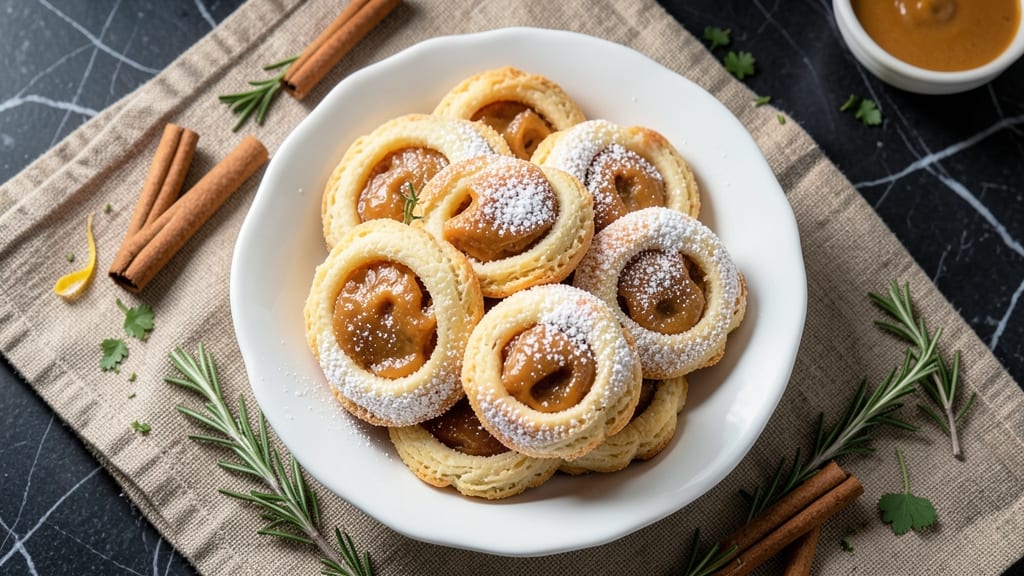
This sweet potato angel biscuits recipe transforms humble ingredients into golden, flaky biscuits with a tender, custard-like center—perfect for brunch or holiday tables. The secret lies in blending sweet potato purée into the dough, which adds natural sweetness and moisture without overpowering the classic angel biscuit texture.
I’ve perfected this recipe over years of testing, ensuring every batch delivers that signature flaky crust and melt-in-your-mouth interior.
The process is straightforward but requires attention to detail: chilling the dough for optimal handling, rolling it just thick enough for lift, and baking until golden brown. Unlike traditional biscuits, these incorporate sweet potato purée, which enhances the flavor and keeps the biscuits moist.
The result is a biscuit that’s slightly sweet, tender, and rich—ideal for soaking up gravy, pairing with jam, or serving alongside breakfast meats.
What sets these apart is the balance of texture and flavor: crispy edges give way to a soft, almost custardy interior, thanks to the purée and a touch of baking powder for lift.
The biscuits stay fresh for days, making them perfect for meal prep or holiday gatherings. Whether you’re serving them warm from the oven or reheating from the freezer, they’ll impress every time.
Ready to elevate your biscuit game? This recipe delivers restaurant-quality results with simple techniques and pantry staples. Let’s get started—your taste buds will thank you.
Ingredients for sweet potato angel biscuits
Sweet potato purée and classic biscuit staples create golden, melt-in-your-mouth magic.
| Ingredient | Amount | Notes |
|---|---|---|
| Sweet Potato Purée 🍠 | 1 cup | Homemade or canned, unsweetened |
| All-Purpose Flour 🌾 | 2 ½ cups | Sifted for light texture |
| Baking Powder 🧂 | 1 ½ tbsp | Aluminum-free for best rise |
| Granulated Sugar 🍚 | ¼ cup | Light brown adds subtle caramel notes |
| Salt 🧂 | 1 ½ tsp | Fine sea salt preferred |
| Unsalted Butter 🧈 | ½ cup | Cold, cubed for flaky layers |
| Heavy Cream 🥛 | ½ cup | Cold for proper texture |
| Ground Cinnamon 🌿 | 1 tsp | Warm spice for depth |
| Ground Nutmeg 🌿 | ½ tsp | Freshly grated preferred |
| Vanilla Extract 🌸 | 1 tsp | Pure, high-quality extract |
| Whole Milk 🥛 | ¼ cup | Room temperature for blending |
The sweet potato purée is your secret weapon—canned works in a pinch, but homemade (just boil, peel, and blend) has deeper flavor. Bob’s Red Mill sweet potatoes from the baking aisle are my go-to for consistency, but any orange-fleshed variety does the trick. The butter and cream need to stay cold (pop them in the freezer 10 minutes if your kitchen’s warm) for that signature flaky crust. Sift the flour and baking powder together—don’t skip this, or your biscuits will be dense. For the spices, Penzeys ground cinnamon and nutmeg are worth the splurge, but grocery-store brands work fine if they’re fresh.
No sweet potato purée? Mashed roasted sweet potato (cooled) works, but strain out any lumps for smooth dough. Short on butter? Vegetable shortening gives similar flakiness, though the flavor won’t be as rich. The vanilla extract can be imitation in a bind, but pure Madagascar bourbon vanilla takes these to the next level. For a lighter texture, whisk the dry ingredients with a fork first—no electric mixer, or you’ll overdevelop the gluten. And if you’re prepping ahead, make the dough up to 2 days early—just keep it chilled and let it warm to room temp before rolling.
Wrap the dough in plastic and refrigerate for up to 48 hours—the longer it rests, the flakier the biscuits. For make-ahead magic, shape and freeze unbaked biscuits on a tray, then transfer to a bag. Bake straight from frozen, adding 2-3 minutes to the time. Reheating? Warm in a 350°F oven for 5-10 minutes to restore that fresh-from-the-oven crisp. Store baked biscuits in an airtight container with a slice of bread to keep them soft—3 days at room temp or 3 months frozen.
Why You'll Love This Recipe
- No Purée Waste: I always have leftover sweet potato purée from mashed sweet potatoes or roasted batches—this recipe turns it into something magical instead of tossing it. The purée adds natural sweetness and moisture without extra sugar, and those fluffy layers? Pure proof that pantry staples can shine.
- Sweet & Savory Flex: Between us, these biscuits are ridiculously good plain with butter, but add a sprinkle of cinnamon or a dash of honey for breakfast, or a pinch of smoked paprika and cheese for dinner. The sugar in the dough caramelizes just enough to make them addictive—no fancy ingredients, just smart flavor.
- Breakfast to Brunch: Honestly, I’ve served these warm with jam for a lazy Sunday morning, torn them over eggs for a protein boost, and even packed them in lunchboxes for my kids. They reheat beautifully (toast them for extra crunch) and feel special enough for guests but simple enough for a weeknight.
- Budget-Friendly Staples: All-purpose flour and baking powder are my go-tos, and sweet potatoes stretch my grocery budget. I make a double batch, freeze half, and pull them out when I’m too tired to bake—just pop them in the oven straight from the freezer. No fancy equipment, no stress, just reliable comfort.
Step-by-step instructions for sweet potato angel biscuits
Here's how to create tender, golden biscuits with a spiced sweet potato custard center—every layer perfect.
Mix the Sweet Potato Custard
In a medium bowl, whisk together the 1 cup sweet potato purée, 0.25 cup granulated sugar, 1 tsp vanilla extract, 1 tsp ground cinnamon, and 0.5 tsp ground nutmeg until smooth. The purée should be completely incorporated with no lumps—this ensures a creamy custard filling. I like to press the mixture through a fine-mesh sieve at this stage to remove any skin or fiber that might make the texture grainy. Set this custard aside while you prepare the biscuit dough.
Here's the thing—don't skip the sifting. Even if your purée looks smooth, tiny particles can disrupt the delicate texture of the finished biscuits. The custard should be thick enough to hold its shape when dropped from a spoon, but still flow smoothly. If it feels too thick, add 1-2 tablespoons of the whole milk to loosen it slightly.
Prepare the Biscuit Dough
In a large mixing bowl, combine the 2.5 cups all-purpose flour, 1.5 tbsp baking powder, and 1.5 tsp salt. I always use a whisk for this step to avoid developing too much gluten, which would make the biscuits tough. Sift the dry ingredients together for a light, airy texture—this is non-negotiable for tender biscuits.
Cut in the 0.5 cup cold unsalted butter using a pastry cutter or your fingers until the mixture resembles coarse crumbs with pea-sized butter pieces throughout. The butter should be cold and firm—if it's too soft, chill the dough for 10-15 minutes before proceeding. This cold butter creates those beautiful flaky layers when baked. Add the 0.5 cup cold heavy cream and mix just until combined, being careful not to overwork the dough.
Form and Fill the Biscuits
Turn the dough out onto a lightly floured surface and gently pat it into a 1-inch thick rectangle. Fold the dough in thirds like a letter, then roll it out again to ½-inch thickness. Cut out 2-inch rounds using a biscuit cutter or glass. Place 1 teaspoon of the sweet potato custard in the center of half the biscuit rounds, then top with another round to create sandwiches.
Press the edges gently but firmly to seal the custard inside—this prevents leaks during baking. I like to make a small slit in the top to allow steam to escape, which helps create that signature dome shape. Arrange the biscuits on a parchment-lined baking sheet, leaving 1 inch between each one for even browning. Here's a pro tip: brush the tops with a little whole milk before baking for extra golden color.
Bake to Golden Perfection
Preheat your oven to 375°F while the biscuits rest for 10 minutes at room temperature. This resting time allows the dough to relax and the custard to settle, preventing any potential leaks. Bake the biscuits for 18-22 minutes until they're deep golden brown on top and the edges are set.
You'll know they're done when you tap the bottom—they should sound hollow. The custard inside should be just set but still slightly jiggly in the center, like a perfect custard. If you open one too soon, the custard might still be runny, so err on the side of underbaking if you're unsure. Let the biscuits cool on a wire rack for 5 minutes before serving—this prevents them from getting soggy.
Serve Warm for Maximum Enjoyment
Serve the biscuits warm, straight from the oven, with a dusting of powdered sugar or a drizzle of warm maple syrup. The contrast between the tender, flaky crust and the spiced sweet potato custard is what makes these biscuits truly special. I like to pair them with a cup of chai tea or a scoop of vanilla ice cream for an extra indulgent treat.
Real talk: these biscuits are best enjoyed fresh out of the oven. The custard continues to set as they cool, so don't wait too long to serve. If you need to reheat leftovers, pop them in a 350°F oven for 5-7 minutes to restore that warm, gooey texture. Store any extras in an airtight container at room temperature for up to 2 days, though I doubt they'll last that long in your house!
Pro Tips For Making Sweet Potato Angel Biscuits
- STORE THE PURÉE COLD: Sweet potato purée loses its vibrancy when warm, and that means flat, dull biscuits. Pop it in the fridge for at least 30 minutes before mixing—it tightens up and keeps the texture light instead of gummy.
- WEIGH YOUR FLOUR: Scooping flour from the bag packs it down, and that’s the fast track to dense biscuits. Use a kitchen scale for 1:1 accuracy—your biscuits will rise higher and stay tender.
- CHILL THE DOUGH: Skipping this step is how you end up with sad, spread-out biscuits. Wrap the dough in plastic and refrigerate for 30 minutes—it firms up the fat and keeps them from flattening when you cut them.
- USE LESS SUGAR: Sweet potato purée is already sweet, and too much sugar can make your biscuits tough. Start with ¼ cup and taste before baking—you’ll likely need less than the recipe calls for.
Essential equipment for great sweet potato angel biscuits
Must-Have Mixing Tools
Start with a large mixing bowl (I use Pyrex 3-quart) for combining dry ingredients—its sturdy sides prevent spills when whisking. A whisk (like OXO Good Grips) is essential for sifting flour and baking powder together smoothly.
For the sweet potato custard, a medium bowl (I prefer Le Creuset stoneware) keeps the mixture contained while whisking. 🌾
Cutting and Shaping Essentials
A 2-inch biscuit cutter (or a glass measuring cup) is your best friend for shaping. I recommend Wilton’s stainless steel cutter—it stays sharp and doesn’t warp. A rolling pin (like Nordic Ware’s marble) helps achieve the perfect ½-inch thickness for even baking.
For sealing the custard, a small paring knife works perfectly for making the steam-release slit.
Baking Sheet and Parchment
Use a half-sheet pan (I love Chicago Metallic’s heavy-duty) for even heat distribution. Line it with parchment paper (like Reynolds Non-Stick) to prevent sticking—no greasing needed!
Leave 1-inch gaps between biscuits for proper browning. A wire cooling rack (I use OXO’s collapsible) keeps the bottoms crisp while cooling.
Temperature Control Tools
An oven thermometer (I swear by Thermoworks Oven Thermometer) ensures your oven hits 375°F accurately—critical for golden crusts. A digital kitchen scale (like Escali Primo) helps measure flour precisely (weighing is more accurate than scooping).
For chilling dough, a large airtight container (I use Rubbermaid Brilliance) keeps it cold and prevents drying.
Optional Upgrades for Pros
For extra flakiness, a pastry cutter (like Kitchener’s stainless steel) works better than fingers for cutting butter into flour. A pastry brush (I use West Bend’s silicone) helps brush milk on tops for that perfect sheen.
For make-ahead prep, quart-sized freezer bags (like Ziploc) store shaped biscuits perfectly before baking.
Nutrition facts
Frequently asked questions
Can I substitute sweet potato purée with mashed regular potatoes?
Not recommended! Sweet potato purée adds natural sweetness and moisture that regular potatoes can't match. If you must substitute, use 1 cup mashed roasted sweet potato (cooled and strained) for the closest flavor and texture. Regular potatoes will make the biscuits denser and less flavorful.
Why did my biscuits turn out dense instead of fluffy?
Overmixing the dough or skipping the chilling step are common culprits. The butter needs to stay cold for flaky layers, and the dough should rest 10 minutes before cutting. Also, ensure you're using aluminum-free baking powder—it rises better for tender biscuits.
How do I prevent the sweet potato custard from leaking?
Seal the edges tightly when sandwiching the custard and make a small steam-release slit on top. Chill the biscuits 10 minutes before baking to help the custard set properly. If leaks happen, brush them off after baking—they won't affect flavor!
Can I make these biscuits gluten-free?
Yes, but texture will differ. Replace flour with a 1:1 gluten-free blend (like Bob's Red Mill) and add ½ tsp xanthan gum to mimic gluten's structure. The biscuits will be crumbly but still delicious—just expect less lift.
What's the best way to reheat leftover biscuits?
Pop them in a 350°F oven for 5-7 minutes until warm and crisp. Microwaving makes them soggy—always oven-reheat for that fresh-from-the-oven texture. For extra crispiness, broil for 1-2 minutes at the end.