
Side Dishes
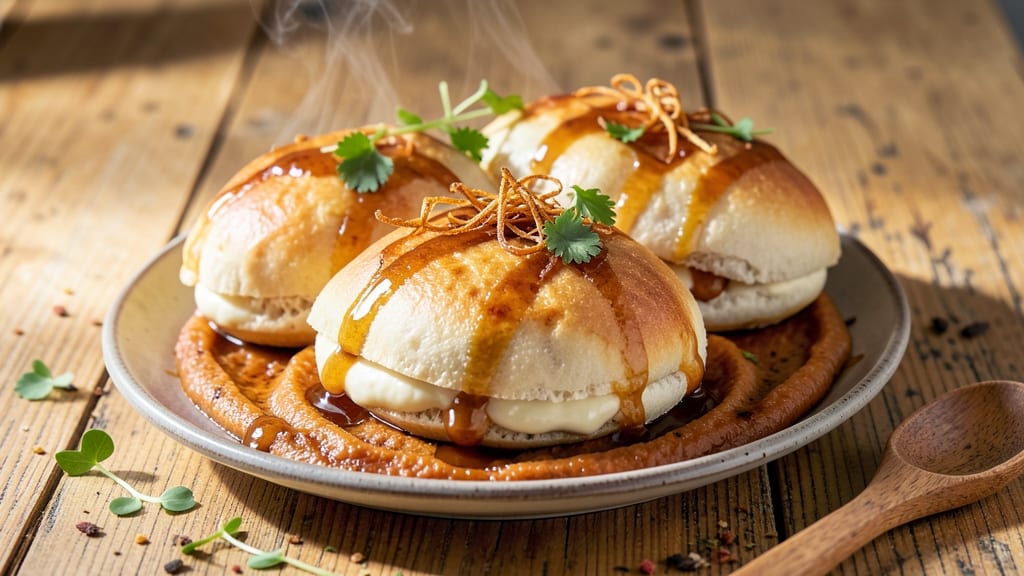
This sweet potato bao recipe transforms humble ingredients into delicate, pillowy buns filled with velvety spiced sweet potato—each bite delivers a perfect contrast of soft dough and rich, aromatic filling. 🌟 The secret lies in a high-hydration dough that steams into airy perfection, while the filling's caramelized sweetness and warm spices create a harmony that's both comforting and sophisticated.
What sets this apart is the balance: tender enough to melt in your mouth, yet sturdy enough to hold its shape when filled.
The dough begins with a simple mix of flour, water, and a touch of sugar, but it's the steaming process that elevates it to restaurant-quality texture.
Meanwhile, the filling combines roasted sweet potatoes with cinnamon, ginger, and a hint of brown sugar for depth—roasting the potatoes first intensifies their natural sweetness while developing caramelized edges. This method ensures every bao delivers both visual appeal and complex flavor in one perfect package.
What you'll end up with is a tray of golden-brown bao, their crisp edges giving way to pillowy interiors that yield slightly with each bite. The filling peeks through delicate slits, its vibrant orange hue contrasting beautifully with the dough's soft sheen.
Serve them warm with a drizzle of soy glaze and a sprinkle of sesame seeds, or pair with chili oil for a modern twist on a classic comfort food.
Perfect for brunch, lunch, or even as a unique dessert option, these bao are versatile enough to adapt to any meal. The recipe scales easily, making it ideal for gatherings or meal prep—just store filled bao in the fridge for up to 24 hours before steaming.
Here's how to create them from scratch.
Ingredients for sweet potato bao
Twelve ingredients that transform into golden bao with crisp edges and pillowy centers.
| Ingredient | Amount | Notes |
|---|---|---|
| All-Purpose Flour 🌾 | 3 ½ cups | High-protein for chewiness |
| Unsalted Butter 🧈 | ¼ cup | Cold, cubed for dough |
| Granulated Sugar 🍚 | ⅛ cup | For dough tenderness |
| Instant Yeast 🍞 | 0.03 oz | Or 1 packet active dry |
| Sweet Potatoes 🍠 | 2 lbs | Organic, skin-on preferred |
| Brown Sugar 🍯 | ¼ cup | Packed, for caramelization |
| Ground Cinnamon 🌿 | 1 ½ tbsp | Ceylon preferred for warmth |
| Ground Ginger 🌶️ | 1 tbsp | Freshly ground preferred |
| Salt 🧂 | ½ tsp | Diamond Crystal preferred |
| Sesame Seeds 🌰 | 2 tbsp | Toasted for garnish |
| Light Soy Sauce 🍶 | ¼ cup | For glaze, low-sodium |
| Water 💧 | ½ cup | Warm, 110°F |
Sweet potatoes make or break this recipe—organic, skin-on varieties like Beauregard hold their shape best. Whole Foods or Trader Joe's carry the best quality, but any grocery store's organic section works. Roast them until caramelized (about 45 minutes at 400°F), then mash while warm for that velvety texture. The cinnamon and ginger should be freshly ground if possible—pre-ground loses punch fast. I always double the batch and freeze extras since they reheat beautifully. For the dough, King Arthur flour is my go-to—high protein gives that perfect chew.
No instant yeast? Active dry works too—just let it bloom in warm water for 5 minutes first. Short on sesame seeds? Toasted sunflower seeds give a similar crunch. The butter must be cold for flaky layers—don't skip chilling the dough between folds. For the filling, if you can't find Ceylon cinnamon, regular ground cinnamon works fine. The soy glaze can be made ahead and reheated—just add a splash of water to thin it out. Want extra richness? Mix in 1 tbsp of honey with the glaze. Storage tip: Keep unsteamed bao dough wrapped in plastic in the fridge for up to 24 hours before steaming.
Steamed bao keep for 2 days in an airtight container, but they're best eaten fresh. Freeze unsteamed dough balls for up to 3 months—thaw overnight in the fridge before steaming. The filling can be prepped ahead and stored separately for 3 days. For meal prep, assemble filled bao, freeze on a tray, then transfer to a bag. Steam directly from frozen—just add 2-3 extra minutes. Pro move: Brush warm bao with extra glaze right after steaming for that restaurant-quality shine.
Why You'll Love This Recipe
- Sweet Potato Swap: I keep a bag of flour and a jar of yeast on hand just for these—no fancy starters or waiting around. Roast the sweet potatoes ahead (they taste better the next day anyway), then mix in the dough like you’re making biscuits. That’s it.
- Buttery-Sweet Magic: The sugar in the dough caramelizes just enough when steamed, giving these bao that golden crust you can’t resist. And don’t skip the butter—it melts into the sweet potato filling, making every bite taste like a hug from a bakery.
- Breakfast to Brunch: Honestly, I’ve eaten these cold for breakfast with peanut butter, reheated as a snack with miso butter, and even stuffed them with leftover pulled pork for dinner. The dough’s neutral flavor soaks up anything, so get creative—your pantry’s the limit.
- Zero-Waste Win: Use up that lumpy sweet potato from last week’s roast or the one you forgot in the crisper. The dough’s forgiving, and these bao keep for days in the fridge—freeze the extras too. My wallet and my lunchbox thank me every time.
Step-by-step instructions for sweet potato bao
Here's how to make these irresistible bao with fluffy, pillowy dough and a spiced sweet potato filling that'll have everyone asking for seconds.
👨🍳 Step 1: Prepare the Sweet Potato Filling
Preheat your oven to 375°F and line a baking sheet with parchment paper. Peel the 2 lbs sweet potatoes and cut them into 1-inch chunks. Toss them with 2 tablespoons of light soy sauce to prevent browning while they cook.
Spread the sweet potato chunks on the prepared baking sheet in a single layer. Roast for 25-30 minutes until they're fork-tender and deep golden brown around the edges. Here's the thing—you want them caramelized but not mushy, so keep an eye on them after the 20-minute mark.
Once roasted, transfer the sweet potatoes to a food processor and add 0.25 cup brown sugar, 1.5 tablespoons ground cinnamon, 1 tablespoon ground ginger, and 0.5 teaspoon salt. Pulse until you get a chunky, spiced mash—think of it like a sweet potato hummus. Taste and adjust seasoning if needed, then set aside to cool completely.
👨🍳 Step 2: Make the Bao Dough
In the bowl of a stand mixer fitted with the dough hook attachment, combine 3.5 cups all-purpose flour, 0.125 cup granulated sugar, and 0.03 oz instant yeast. Mix on low speed for 30 seconds to combine the dry ingredients evenly.
Add the 0.25 cup cold cubed unsalted butter and mix on low speed for 2 minutes until the butter is fully incorporated and the mixture resembles coarse crumbs. This cold butter creates those signature flaky layers in your bao.
With the mixer running on low speed, gradually add the 0.5 cup warm water (about 110°F) until the dough comes together. It'll be shaggy at first, but don't panic—keep mixing for another 3-4 minutes until it forms a smooth, elastic ball that pulls away from the sides of the bowl.
🥘 Step 3: Knead and First Rise
Transfer the dough to a lightly floured surface and knead it gently for 2-3 minutes until it's smooth and elastic. Here's where it gets fun—fold the dough over itself like a letter, then rotate the bowl and repeat. Do this 4-5 times to develop the gluten without overworking it.
Place the dough in a lightly greased bowl, cover it with a damp towel, and let it rise in a warm place for 1-2 hours until it has nearly doubled in size. You'll know it's ready when you poke it gently and it springs back slowly. This first rise builds the structure for those airy bao.
🍳 Step 4: Shape and Second Rise
Once the dough has risen, punch it down to release the air and divide it into 12 equal pieces (about 3 ounces each). Roll each piece into a 6-inch log and set them on a parchment-lined baking sheet, leaving 2 inches of space between them.
Cover the shaped bao with a damp towel and let them rise again for 30-45 minutes until they've puffed up noticeably. Here's the trick—I like to work with them in batches so they don't dry out while I'm shaping. Keep the remaining dough covered while you work with each piece.
🔪 Step 5: Assemble and Steam
Preheat your steamer with 1 inch of water simmering gently (don't let it boil vigorously). While the steamer heats up, take one of the risen dough logs and gently press it down to flatten slightly. Place 1 tablespoon of the sweet potato filling in the center, then pinch the dough together to seal it completely, forming a smooth ball.
Place the assembled bao on a steamer basket lined with parchment paper, leaving 1 inch of space between them. Steam for 10-12 minutes until the bao are puffed and golden brown on top. Don't peek—the steam will escape and your bao might not rise properly!
Once steamed, transfer the bao to a wire rack to cool slightly. While still warm, brush them with a little more of the light soy sauce mixed with a pinch of sugar, then sprinkle with 2 tablespoons toasted sesame seeds. Serve warm with extra soy sauce for dipping—these are best enjoyed fresh out of the steamer!
Pro Tips For Making Sweet Potato Bao
- STEAM THE POTATOES FIRST: I learned this the hard way—raw sweet potatoes in dough make the bao dense and gummy. Roast them until fork-tender (internal temp 200°F), then mash while still warm. The starch breaks down better, and you’ll avoid that sad, heavy texture. (Yes, even if you’re impatient like me.)
- WEIGH YOUR FLOUR LIKE A PRO: Scooping flour from the bag packs in air, and your bao dough will turn out tough. Use a kitchen scale for precise measurements—1 cup of all-purpose flour isn’t always 120g. The dough needs consistency, or your steamed bao will collapse like a sad soufflé.
- DON’T SKIP THE COLD PROOF: After shaping, refrigerate the bao for 30 minutes before steaming. The cold slows yeast activity just enough to keep them from overproofing during the 15-minute steam. Trust me, your bao will hold their shape—and your sanity—better when they’re not racing to rise.
- UPGRADE WITH BROWNED BUTTER: Swap plain butter for browned butter in the dough. The nutty depth cuts through the sweetness of the potatoes, and the extra richness makes the bao taste like a bakery’s, not a home kitchen’s. (I know, I know—it’s one more pot to clean, but it’s worth it.)
Essential equipment for sweet potato bao
Steamer Essentials
You'll need a bamboo or metal steamer basket that fits snugly inside a pot with a tight-fitting lid—I swear by the OXO Good Grips brand for its durability and even heat distribution.
The pot should hold at least 3 quarts of water to create consistent steam. Line the basket with parchment paper (cut to size) to prevent bao from sticking. 🌿
Dough Tools
A stand mixer with dough hook (like the KitchenAid Artisan) saves time and ensures even gluten development. For hand-kneading, use a lightly floured surface and a dough scraper to keep things tidy.
A digital kitchen scale (I love the OXO Good Grips) helps divide dough into precise 3-ounce pieces for consistent size.
Filling Prep Gear
Roast sweet potatoes in a rimmed baking sheet with parchment paper for easy transfer. A food processor (like the Ninja) makes quick work of mashing, but a potato masher works too.
For precise measurements, use a small mixing bowl to portion filling—1 tablespoon per bao—using a cookie scoop for uniformity.
Optional Upgrades
Want restaurant-quality results? A thermometer (like the Thermoworks Smoke) ensures your steamer stays at 212°F—boiling water creates better steam. For extra crispiness, pan-fry steamed bao in a nonstick skillet with 1 tablespoon neutral oil (like avocado oil) for 1-2 minutes per side after steaming.
A fine-mesh sieve helps toast sesame seeds evenly in a dry pan.
Budget-Friendly Swaps
No stand mixer? Use a wooden spoon for mixing dough by hand—just add 1 extra tablespoon of water to compensate. A large pot with a lid works for steaming if you don’t have a dedicated basket.
Substitute light soy sauce with low-sodium tamari for gluten-free options. For cinnamon, cassia cinnamon is widely available and budget-friendly.
Nutrition facts
Frequently asked questions
Can I make sweet potato bao without a steamer?
Use a large pot with a lid and a metal colander or heatproof plate. Fill the pot with 1 inch of water and bring to a gentle simmer before placing the bao on the rack. Cover tightly and steam for 10-12 minutes. For extra crispiness, finish with 1-2 minutes in a nonstick skillet after steaming.
How do I store leftover sweet potato bao?
Store filled bao in an airtight container at room temperature for 1 day. For longer storage, refrigerate for up to 3 days or freeze unsteamed dough balls for 3 months. To reheat, steam from frozen (add 2-3 extra minutes) or warm in a 350°F oven for 10 minutes.
Can I substitute regular potatoes for sweet potatoes?
Not recommended! Sweet potatoes add natural sweetness and a velvety texture that regular potatoes lack. If you must substitute, use yams (similar texture) or purple potatoes for color, but expect less sweetness. For flavor, add 1 extra tablespoon of brown sugar and ½ teaspoon more cinnamon to compensate.
Why did my bao dough not rise properly?
Most likely, your yeast was too old, the water wasn't warm enough (110°F ideal), or the room was too cold. Check the yeast by mixing ¼ tsp with ¼ cup warm water and 1 tsp sugar—it should foam in 5 minutes. For future bakes, place dough in a warm oven (50°F) with a bowl of hot water to create a proofing environment.
What's the best way to serve sweet potato bao?
Warm bao taste best fresh out of the steamer! Drizzle with soy glaze (mix ¼ cup soy sauce + 1 tbsp honey), sprinkle with toasted sesame seeds, or serve with chili oil for heat. Pair with miso soup or a simple cucumber salad for balance. For dessert, dust with powdered sugar and serve with vanilla ice cream.