
Side Dishes
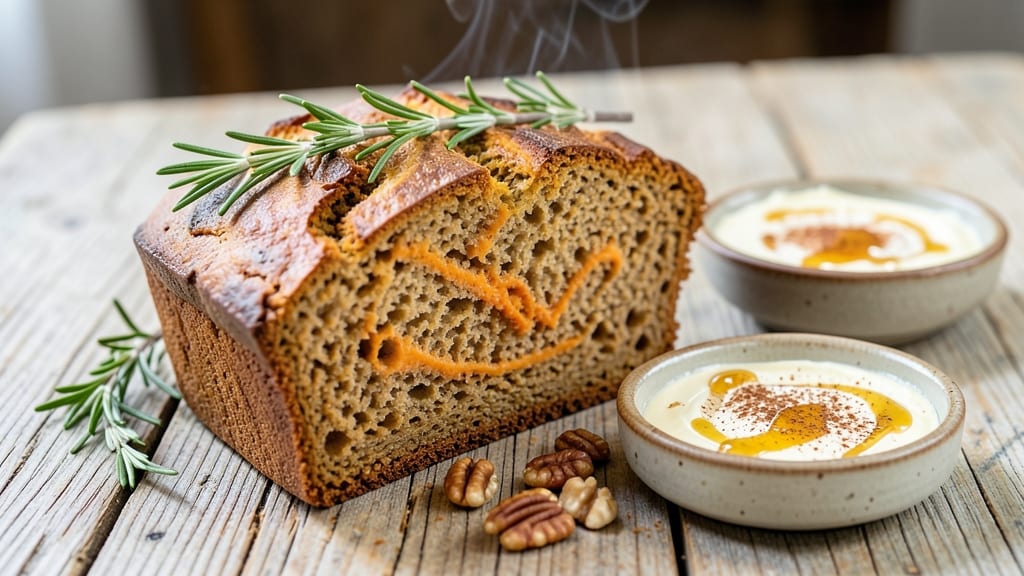
This sweet potato bread recipe no sugar transforms humble ingredients into a moist, spiced loaf that rivals traditional sweet breads—without refined sugar. The secret lies in roasted sweet potatoes, which naturally sweeten the dough while adding moisture and depth.
I developed this version after realizing how easily sweet potatoes could replace sugar while keeping that comforting, spiced flavor we all love.
The dough comes together with simple pantry staples: flour, eggs, and a touch of cinnamon, creating a tender crumb with a subtle sweetness from the potatoes. No special equipment is needed—just a mixing bowl and a loaf pan.
The warm spices (cinnamon, nutmeg, and ginger) infuse every bite, making it perfect for breakfast or an afternoon snack.
By the time it emerges from the oven, you’ll have a golden-brown loaf with a soft, pillowy interior and a crisp crust. The sweet potatoes ensure moisture without heaviness, while the spices create a cozy aroma that fills your kitchen.
This bread is naturally sweetened, making it ideal for those watching sugar intake or looking for healthier baked goods.
Optional add-ins like chopped nuts or seeds can be mixed into the dough for extra texture, while a swirl of spiced sweet potato puree creates beautiful marbling. Perfect for meal prep or gifting, this recipe delivers restaurant-quality results at home. Let’s get baking!
Ingredients for sweet potato bread recipe no sugar
Sweet potatoes, warm spices, and pantry staples make this bread naturally sweet and moist without refined sugar.
| Ingredient | Amount | Notes |
|---|---|---|
| Medium Sweet Potatoes 🍠 | 2 whole | Roasted until tender, peeled |
| All-Purpose Flour 🌾 | 3 ½ cups | Spooned and leveled |
| Large Eggs 🥚 | 2 whole | Room temperature |
| Unsalted Butter 🧈 | ½ cup | Melted, cooled slightly |
| Granulated Sugar Substitute 🍯 | ¼ cup | Monk fruit sweetener or erythritol |
| Ground Cinnamon 🌿 | 2 tsp | Freshly ground preferred |
| Ground Nutmeg 🌿 | ½ tsp | Finely ground |
| Ground Ginger 🌿 | 1 tsp | Freshly grated better |
| Baking Powder 🧂 | 1 ½ tsp | Aluminum-free preferred |
| Salt 🧂 | ½ tsp | Kosher or sea salt |
| Vanilla Extract 🌸 | 1 tsp | Pure vanilla preferred |
| Plain Greek Yogurt 🥛 | ½ cup | Full-fat for moisture |
| Walnuts (optional) 🥜 | ½ cup | Chopped, toasted |
Sweet potatoes are the star here—organic or heirloom varieties have richer flavor, but any medium-sized orange sweet potato works. Roast them until fork-tender (about 45 minutes at 400°F), then peel and mash. Trader Joe's and Whole Foods carry great organic options, but the regular grocery store stuff is fine too. Pro tip: Roast extra and freeze for smoothies later. The spices? Penzeys has the best ground spices, but your local spice aisle works too—just make sure they smell fresh, not dusty.
No monk fruit sweetener? Erythritol or stevia blend works 1:1, but taste first—some brands can be bitter. Short on yogurt? Applesauce or mashed banana adds moisture (use half the amount). Want extra crunch? Pecans or sunflower seeds swap for walnuts. The butter matters—full-fat, unsalted gives the best texture. If you're watching fat, use coconut oil instead (same amount). For the sweet potato puree swirl, blend roasted sweet potatoes with a splash of vanilla and cinnamon—about 0.5 cup puree does the trick.
This dough keeps in the fridge for 3 days covered, or freeze the shaped loaf for 3 months. For extra flavor, brush warm bread with melted butter and sprinkle with cinnamon-sugar mix (equal parts cinnamon and monk fruit sweetener). Slice when fully cooled—it's delicate! Store wrapped at room temp for 2 days or freeze slices for toast later. The aroma while baking? Worth every minute.
Why You'll Love This Recipe
- No Sugar, No Stress: The steamed sweet potatoes blend into the batter so smoothly—no grating, no peeling fuss. Just mash, mix, and let the oven do the work while you sip coffee or scroll through your phone.
- Warm Spice Hug: That buttery, caramelized sweetness from roasted potatoes paired with a whisper of sugar substitute? It’s like dessert for breakfast—moist, slightly dense, and just sweet enough to satisfy without the crash.
- Breakfast or Snack Hero: Serve it toasted with almond butter for a quick grab-and-go, or slice it into thick wedges for a cozy weekend brunch. My kids even ask for it cold with peanut butter—proof it works anytime.
- Budget-Friendly Staple: Sweet potatoes and flour stretch this loaf into multiple meals: toast, French toast, or even breadcrumbs for meatballs. One batch feeds my family for days, and the sugar substitute keeps costs low without sacrificing flavor.
Step-by-step instructions for sweet potato bread without refined sugar
Here's how to bake this moist, spiced bread that delivers natural sweetness without a single teaspoon of sugar.
Roast the Sweet Potatoes Until Silky
Preheat your oven to 400°F and pierce the 2 whole medium sweet potatoes with a fork in several places. Place them directly on the middle rack and roast for 45-55 minutes until completely tender when pierced with a knife. The skin should be slightly charred in spots—this adds depth of flavor.
Once cool enough to handle, peel the sweet potatoes and transfer them to a food processor or large bowl. Mash until completely smooth, with no lumps remaining. You should have about 1 cup of purée—this is your natural sweetener and moisture source. Let it cool completely before using; warm purée can make your batter too thin.
Mix Wet Ingredients for Perfect Texture
In a large mixing bowl, combine the 1 cup sweet potato purée, 0.5 cup melted and slightly cooled unsalted butter, 0.5 cup plain Greek yogurt, 0.25 cup granulated sugar substitute, 1 teaspoon vanilla extract, and 1 teaspoon ground ginger. Whisk until completely smooth—this mixture should be thick but pourable.
Here's the thing—this wet ingredient blend creates the bread's signature moistness. The yogurt adds tenderness while the ginger provides warmth. If your mixture looks too thick, add 1 tablespoon of water at a time until it reaches a pudding-like consistency. The sweet potato purée will naturally thicken as it cools, so don't overcompensate.
Combine Dry Ingredients and Create the Swirl
In a separate bowl, whisk together the 3.5 cups all-purpose flour, 1.5 teaspoons baking powder, 0.5 teaspoon salt, 2 teaspoons ground cinnamon, and 0.5 teaspoon ground nutmeg. Gently fold these dry ingredients into your wet mixture using a spatula, mixing just until combined—overmixing develops gluten and makes the bread dense.
For the signature swirl, divide the batter in half. In one half, fold in the 0.5 cup chopped walnuts (if using). Spread half of the plain batter in a greased 9x5-inch loaf pan, then sprinkle with about 1 teaspoon of the cinnamon-nutmeg mixture. Add the walnut batter, then top with remaining plain batter and another sprinkle of spices. This creates beautiful swirls when baked.
Bake Until Golden and Springy
Bake at 350°F for 50-60 minutes until the top is golden brown and a toothpick inserted in the center comes out clean. The bread is done when it springs back slightly when pressed in the center—this indicates proper doneness. If the top browns too quickly, tent with foil after 30 minutes to prevent over-browning.
Let the bread cool in the pan for 10 minutes before transferring to a wire rack. This resting period prevents it from falling apart when sliced. The interior should be moist with visible swirls of spice and walnut, while the exterior has that perfect golden crust. Slice when completely cool for clean cuts and maximum moisture retention.
Pro Tips For Making Sweet Potato Bread Recipe No Sugar
- Boil Sweet Potatoes Until Fork-Tender: I learned this the hard way—undercooked sweet potatoes turn your bread dense and gummy. Cut them into even 1-inch chunks and boil until they collapse easily when pierced (about 12-15 minutes). Overcooking? No, you won’t—this is the thing that matters most for texture.
- Use Cold Butter for Layers: Skip the melted butter shortcut. Cut your unsalted butter into tiny cubes and fold them into the dough last—this creates flaky, buttery pockets instead of a greasy mess. (Yes, even if you’re impatient like me, resist the urge to rush this.)
- Measure Flour by Weight: That "1 cup" of flour in your measuring cup? It’s probably more like 1.25 cups when packed. Weigh it instead—250g for accuracy. This prevents dry, crumbly bread or a sticky, gummy disaster. (Your future self will thank you.)
- Let Dough Rest Before Baking: Don’t rush the rise. Let the dough sit covered for at least 30 minutes after mixing—this relaxes the gluten and helps the bread bake evenly. I skip this when I’m lazy, but the difference in crumb is noticeable. (Your oven’s not a microwave.)
Flavor customization for these flavors
Spice Variations
Swap the classic cinnamon-nutmeg combo for pumpkin pie spice—just 1.5 teaspoons—for a cozy autumn twist. Or try cardamom and clove (½ teaspoon each) for a Middle Eastern-inspired warmth.
For a citrus kick, add 1 teaspoon orange zest to the wet ingredients and reduce nutmeg to ¼ teaspoon.
Sweetener Swaps
If monk fruit sweetener isn’t available, erythritol or stevia blend works 1:1, but taste first—some brands can taste bitter. For a natural option, use ½ cup unsweetened applesauce (replace yogurt) and reduce sweetener to ¼ cup. For a caramel-like depth, add 1 tablespoon molasses to the wet mix.
Texture Add-Ins
For extra crunch, fold in ½ cup toasted pecans or sunflower seeds instead of walnuts. For a chewy texture, stir in ¼ cup chopped dried cranberries (soaked in warm water for 10 minutes first).
For a savory twist, skip sweetener entirely and add 1 teaspoon smoked paprika and ½ teaspoon onion powder to the dry mix.
Gluten-Free Option
Replace all-purpose flour with a 1:1 gluten-free baking blend (like Bob’s Red Mill). Add ½ teaspoon xanthan gum to the dry ingredients for better structure. Reduce baking powder to 1 teaspoon—gluten-free doughs often need less leavening. Expect a slightly denser but still moist crumb.
Extra Moisture Boost
For a softer loaf, stir in ¼ cup unsweetened almond milk to the wet ingredients. Or add 2 tablespoons sour cream to the yogurt for extra richness. If your kitchen is dry, brush the baked loaf with 1 tablespoon melted butter while still warm for a tender crust.
Sweet Potato Swirl
For a showstopping swirl, blend ½ cup roasted sweet potato purée with 1 teaspoon vanilla and ½ teaspoon cinnamon. Spread half the batter in your pan, then add the purée mixture, followed by the remaining batter. Bake as directed—this creates stunning marbling and doubles the sweet potato flavor. 🍠✨
Nutrition facts
Frequently asked questions
Can I use regular potatoes instead of sweet potatoes?
Not recommended! Sweet potatoes add natural sweetness and moisture that regular potatoes lack. If you must substitute, use 1 cup mashed regular potato plus 1 tablespoon honey or maple syrup to mimic the sweetness, but the texture won't be as tender.
Why does my bread turn out dense instead of light?
Overmixing the dough develops too much gluten, making it dense. Mix just until combined—stop when small streaks of flour remain. Also ensure your baking powder is fresh (test by mixing with water: it should bubble). Underbaking can also cause density—check with a toothpick at 50 minutes.
How can I make this bread more flavorful?
Boost the spices! Try adding ½ teaspoon orange zest to the wet mix or 1 tablespoon molasses for deeper flavor. For extra richness, brush warm bread with melted butter and sprinkle with cinnamon-monk fruit mix. A sweet potato swirl (blend ½ cup purée + 1 tsp vanilla) adds stunning marbling!
Can I make this bread without eggs?
Yes! Replace the 2 eggs with ½ cup unsweetened applesauce + 1 teaspoon baking soda (add to dry ingredients). Or use ½ cup plain yogurt + 1 teaspoon vinegar—both work well for moisture and structure. The texture will be slightly denser but still delicious.
How long will this bread stay fresh?
Wrap cooled bread tightly in plastic or foil and store at room temperature for 3-4 days. For longer storage, freeze slices (up to 3 months). Toast frozen slices directly—no thawing needed! The spices actually enhance over time, making it perfect for meal prep.