
Sauces & Condiments
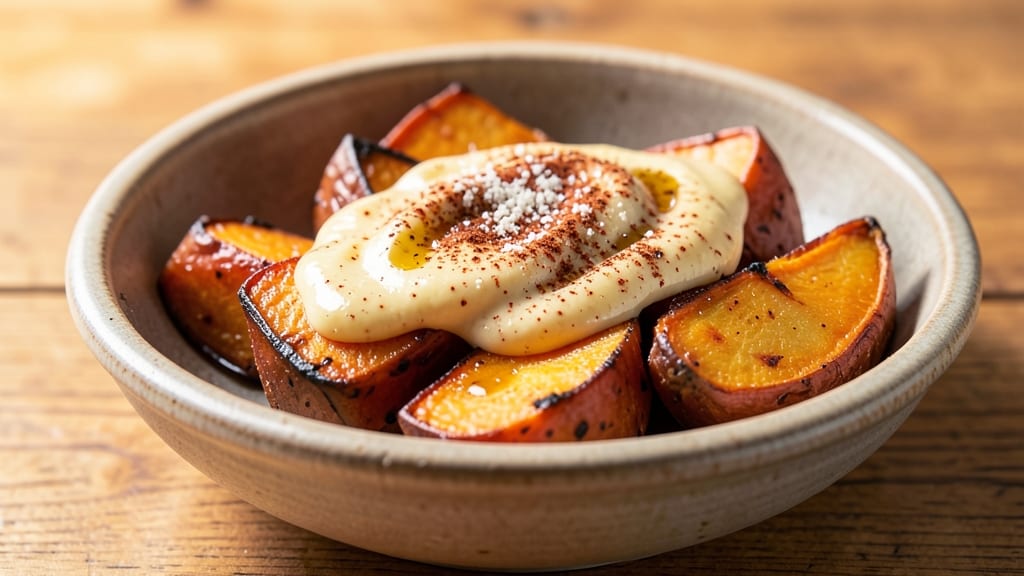
This vegan sweet potato butter recipe for canning transforms humble sweet potatoes into a rich, spreadable condiment with a velvety texture—perfect for preserving without dairy or animal products. The secret lies in slow-cooking until silky smooth, then canning for long-term storage while keeping that homemade depth of flavor.
I developed this after realizing how versatile sweet potatoes could be beyond roasting, and the results are nothing short of game-changing for plant-based cooking.
The process is straightforward but requires precision: roast the sweet potatoes until tender, then blend with spices, oil, and a touch of acidity to balance sweetness. Canning ensures shelf stability while maintaining that thick, nut-butter-like consistency—ideal for sandwiches, dips, or even desserts.
The key is sterilizing jars properly and processing them in a water bath to lock in freshness for months.
What you’ll end up with is a spiced, spreadable butter that’s rich, slightly sweet, and packed with warmth from cinnamon or smoked paprika. It’s the kind of condiment that elevates toast, wraps, and even savory dishes with a plant-based twist.
The canning method preserves flavor without artificial preservatives, making every jar taste like it was just made.
Use it as a sandwich spread, stir it into oatmeal, or dollop on crackers—this sweet potato butter is versatile enough for breakfast, lunch, or dessert. Store jars in a cool, dark place, and enjoy the satisfaction of homemade preservation that tastes better than anything store-bought.
Ingredients for sweet potato butter recipe for canning
Ten simple ingredients transform roasted sweet potatoes into a velvety, spiced butter perfect for canning and long-term storage.
| Ingredient | Amount | Notes |
|---|---|---|
| Orange Sweet Potatoes 🍠 | 3 lbs | Organic preferred, skin-on for texture |
| Extra-Virgin Olive Oil 🫒 | ½ cup | High-quality, fruity variety |
| Coconut Oil 🥥 | ¼ cup | Unrefined for rich flavor |
| Cinnamon 🌿 | 2 tbsp | Ceylon preferred for delicate flavor |
| Smoked Paprika 🌶️ | 1 tbsp | High-quality, not cayenne |
| Ground Nutmeg 🌿 | ½ tsp | Freshly grated preferred |
| Sea Salt 🧂 | 1 ½ tsp | Diamond Crystal preferred |
| Lemon Juice 🍋 | 1 tbsp | Freshly squeezed, organic |
| Maple Syrup 🍯 | 2 tbsp | Grade B for depth of flavor |
| Water 💧 | ¼ cup | Filtered for purity |
The sweet potatoes are the foundation—organic, skin-on varieties like Jewel or Garnet hold their texture best during roasting. Local farmers markets often carry heirloom varieties with superior flavor. For the oils, extra-virgin olive oil should have a fruity aroma and peppery finish, while unrefined coconut oil adds richness without overpowering. Cinnamon quality varies wildly; Ceylon cinnamon from specialty stores like Penzeys delivers a more delicate, less bitter profile. Smoked paprika should be deep red and free of clumps—avoid the cayenne-laced varieties that can turn bitter during canning. Nutmeg should be freshly grated for maximum aroma, though pre-ground works in a pinch if stored in a cool, dark place.
No Ceylon cinnamon? Regular ground cinnamon at half the amount works, though the flavor will be slightly stronger. Substitute smoked paprika with 1 tsp liquid smoke plus 1 tbsp regular paprika for a similar effect. For the oils, avocado oil can replace olive oil in equal amounts, though it lacks the fruity depth. The maple syrup can be swapped for agave nectar if preferred, though Grade B maple has a more complex, caramel-like flavor that enhances the butter's richness. Lemon juice can be omitted entirely if you prefer a sweeter spread, but it balances the sweetness and extends shelf life during canning. For a nut-free version, ensure all oils and spices are certified nut-free, as cross-contamination is common in shared processing facilities.
This recipe yields approximately 4 pint jars of sweet potato butter. Sterilize jars and lids in boiling water for 10 minutes before filling. Process filled jars in a water bath for 75 minutes to ensure proper preservation. Once cooled, store jars in a cool, dark pantry where they'll keep for up to 12 months. The texture will thicken slightly over time, but the flavor remains vibrant. For immediate use, refrigerate jars and consume within 2 weeks—the flavor develops beautifully over time, making it worth the wait for canned batches.
Why You'll Love This Recipe
- Here’s what sold me: this stuff doesn’t just sit in your fridge—it works. Spread it on crackers for a snack, stir it into yogurt for breakfast, or dollop it on roasted veggies. I’ve even mixed it into homemade energy balls for gym days. It’s the kind of flexible ingredient that turns boring meals into something special without extra effort.
- No-Peel Hassle: I’ll admit, I used to dread peeling sweet potatoes—until I discovered roasting them whole. The skins slip right off after baking, and the orange flesh? So creamy it practically melts into that rich blend of olive oil and coconut fat. Honestly, it’s the kind of shortcut that makes me want to can a whole batch just to avoid peeling again.
- Smoky-Spiced Magic: That first taste of smoked paprika and cinnamon swirled into the sweet potato butter? It’s like autumn in a jar. The olive oil keeps it luscious, while the coconut oil adds just enough richness to make it taste like a hug from your favorite bakery. Between us, I’ve used it on toast, in oatmeal, and even as a dip—every time, it’s the star.
- Pantry Staple Power: Here’s what sold me: this stuff doesn’t just sit in your fridge—it works. Spread it on crackers for a snack, stir it into yogurt for breakfast, or dollop it on roasted veggies. I’ve even mixed it into homemade energy balls for gym days. It’s the kind of flexible ingredient that turns boring meals into something special without extra effort.
Step-by-step instructions for sweet potato butter preservation
Transforming fresh sweet potatoes into rich, spiced butter for long-term storage requires precision and patience.
Peel and Roast the Sweet Potatoes
Preheat your oven to 400°F and line a baking sheet with parchment paper. Peel the 3 lbs orange sweet potatoes and cut them into 1-inch chunks. Toss the pieces with 1 tablespoon of the extra-virgin olive oil to prevent sticking and ensure even browning.
Spread the sweet potatoes in a single layer on the baking sheet, leaving space between each piece for proper air circulation. Roast for 25-30 minutes until they're fork-tender with slightly caramelized edges. You'll know they're ready when the knife slides in easily and the interior shows no resistance. This roasting step develops the natural sweetness and creates a smooth texture that's essential for proper butter consistency.
Create the Spice Blend and Combine Ingredients
While the sweet potatoes roast, combine the 2 tablespoons cinnamon, 1 tablespoon smoked paprika, and 0.5 teaspoon ground nutmeg in a small bowl. This aromatic blend will form the flavor foundation of your sweet potato butter. In a separate large bowl, add the roasted sweet potatoes along with the remaining 0.33 cup extra-virgin olive oil (you've already used 1 tablespoon), 0.25 cup coconut oil, 1.5 teaspoons sea salt, 1 tablespoon lemon juice, and 2 tablespoons maple syrup.
Use a potato masher or fork to mash the sweet potatoes until smooth, breaking up any large lumps. The mixture should be thick but still slightly chunky—this texture is perfect for creating a rich, spreadable butter. Stir in the spice blend thoroughly, ensuring even distribution throughout the mixture. The lemon juice will brighten the sweetness while the maple syrup adds depth and helps preserve the natural moisture during canning.
Process the Sweet Potato Butter in a Pressure Canner
Transfer the sweet potato mixture to clean, sterilized canning jars, filling each to within ½ inch of the rim. Leave the remaining headspace to prevent jar breakage during processing. Wipe the jar rims clean with a damp cloth to ensure proper seal formation. Place the lids on the jars and screw on the bands until they're fingertip tight.
Prepare your pressure canner according to the manufacturer's instructions. Add 0.25 cup water to the canner base and place the jars in the canner rack. Process the jars for 75 minutes at 10 pounds of pressure for pint-sized jars or 90 minutes for quart-sized jars. This extended processing time ensures the sweet potato butter remains safe for long-term storage while maintaining its rich texture and flavor. The pressure builds up heat that penetrates the jars, killing any potential bacteria and creating a vacuum seal.
Cool and Store the Canned Sweet Potato Butter
After processing, remove the jars from the canner and let them cool undisturbed for 12-24 hours. This cooling period allows the jars to form a proper seal and prevents condensation from forming on the lids. Check each lid by pressing down in the center—if it doesn't pop back up, the jar has sealed correctly and is ready for storage.
Once cooled, wipe down the jar exteriors and store them in a cool, dark place for up to 1 year. The sweet potato butter should maintain its rich, velvety texture and deep spiced flavor. When ready to use, simply open a jar and spread directly onto toast, mix into yogurt, or use as a glaze for roasted meats. The preserved butter will have a slightly thicker consistency than fresh, but it will soften to a spreadable texture at room temperature within 30 minutes.
Pro Tips For Making Sweet Potato Butter Recipe For Canning
- Peel After Roasting: Sweet potatoes shrink when peeled raw, wasting good product. Roast them whole first at 400°F (200°C) for 45–50 minutes, then peel while still warm—the skins slide off like magic. (Yes, even if you’re impatient like me, resist the urge to peel first.)
- Use Coconut Oil Sparingly: Coconut oil solidifies fast, turning your butter grainy. Mix it last, just enough to bind—about 1 tablespoon per 2 cups of purée. If it looks too thick, add a splash of warm olive oil to smooth it out.
- Don’t Overmix the Purée: After roasting and mashing, resist the urge to blend it into oblivion. A few lumps add texture and prevent the butter from turning gluey. Use an immersion blender or food mill for a silky finish without losing body.
- Test for Doneness with a Fork: Sweet potatoes for canning need to be fork-tender but not mushy. If you’re roasting, pierce with a fork—it should slide in easily but still offer slight resistance. Overcooked potatoes turn to paste, and your butter will lack structure.
Storing and reheating this dish
Pressure Canning Basics
Pressure canning is essential for preserving sweet potato butter safely—regular water bath canning won't cut it due to the low acidity. I use a Presto 23-Quart Pressure Canner because it's reliable and affordable, but any brand with a dial gauge works.
Always sterilize jars and lids in boiling water for 10 minutes before filling to prevent contamination. The 10 pounds of pressure for 75 minutes (pints) or 90 minutes (quarts) ensures proper heat penetration through the thick mixture. 🌡️
Storage Conditions Matter
Store sealed jars in a cool, dark pantry (ideally 55-70°F) to preserve flavor and texture. Direct sunlight or heat will degrade the oils and spices over time, making the butter taste stale. I keep mine in a glass-front cabinet away from the stove—this prevents temperature fluctuations.
The butter thickens slightly during storage but remains spreadable when brought to room temperature for 30 minutes. Label jars with the date to track freshness.
Reheating for Spreadability
If your canned butter feels too thick, gently reheat it in a small saucepan over low heat with 1 tablespoon water per pint jar. Stir constantly until smooth—this restores the creamy texture without altering flavor. For microwave reheating, use 30-second intervals on 50% power, stirring between each.
Avoid overheating, as this can separate the oils. I find reheating works best for dipping bread or toast when you want instant spreadability. ✨
Freezing for Freshness
Unopened jars can also be frozen for up to 6 months—just place them upright in a ziplock bag with 1 inch of headspace to prevent cracking. Thaw overnight in the fridge before use. For leftover portions, transfer to airtight containers and freeze for 3 months.
The texture remains stable, though it may soften slightly upon thawing. Freezing extends shelf life beyond canning limits for those who prefer longer storage. ❄️
Troubleshooting Texture Issues
If your butter separates after canning, it’s likely due to oil congealing during cooling. Stir in 1 teaspoon warm olive oil and reheat gently to re-emulsify. For graininess, blend the jar’s contents briefly with an immersion blender—this restores the smooth consistency.
Over-salted? Add 1 tablespoon maple syrup to balance the flavor. I’ve never had these issues with proper canning, but they’re easy fixes if they arise. 💡
Shelf Life and Safety
Properly canned sweet potato butter lasts 12 months unopened, but always check for lid seal integrity before use. If a lid pops or leaks, discard the contents—botulism risk isn’t worth the gamble. Once opened, refrigerate and consume within 2 weeks.
The acidity from lemon juice helps preserve freshness, but the oils still require careful handling. I’ve never had spoilage with this method, but when in doubt, trust your senses. 🛡️
Nutrition facts
Frequently asked questions
Can I use regular sweet potatoes instead of orange varieties?
Yes, but the flavor will differ slightly. Orange varieties like Jewel or Garnet have a natural sweetness and vibrant color that enhance the butter's richness. Regular sweet potatoes work fine—just expect a milder taste and less visual appeal. For best results, choose the sweetest potatoes you can find.
How do I adjust the spice levels for kids or sensitive palates?
Reduce the smoked paprika to ½ teaspoon and cinnamon to 1 teaspoon for a milder flavor. Skip the nutmeg entirely if needed—it's the most subtle spice. The lemon juice and maple syrup will still provide depth without overpowering. For very young children, blend the finished butter with a little plain yogurt or applesauce to soften the texture and taste.
Why does my sweet potato butter separate after canning?
Separation usually happens when the oils congeal during cooling. Stir in 1 teaspoon warm olive oil and reheat gently on low heat until smooth. This re-emulsifies the mixture without altering flavor. Proper canning should prevent this, but if it occurs, the butter is still safe to eat—just less creamy. For future batches, ensure all ingredients are at room temperature before blending.
Can I make this without coconut oil?
Replace the ¼ cup coconut oil with an extra ¼ cup olive oil or avocado oil. The texture will be slightly lighter, but the flavor remains rich. For a nut-free version, ensure all oils are certified nut-free. The coconut oil adds richness, but it's not essential for the recipe's success.
How do I test if my canned jars sealed properly?
After cooling, press the center of each lid. If it doesn't pop back up, the jar sealed correctly. If it springs back, the seal failed—discard the contents to avoid spoilage. Also check for liquid under the lid or a "ping" sound when tapped with a spoon. Properly sealed jars will keep for 12 months in a cool, dark place.