
Side Dishes
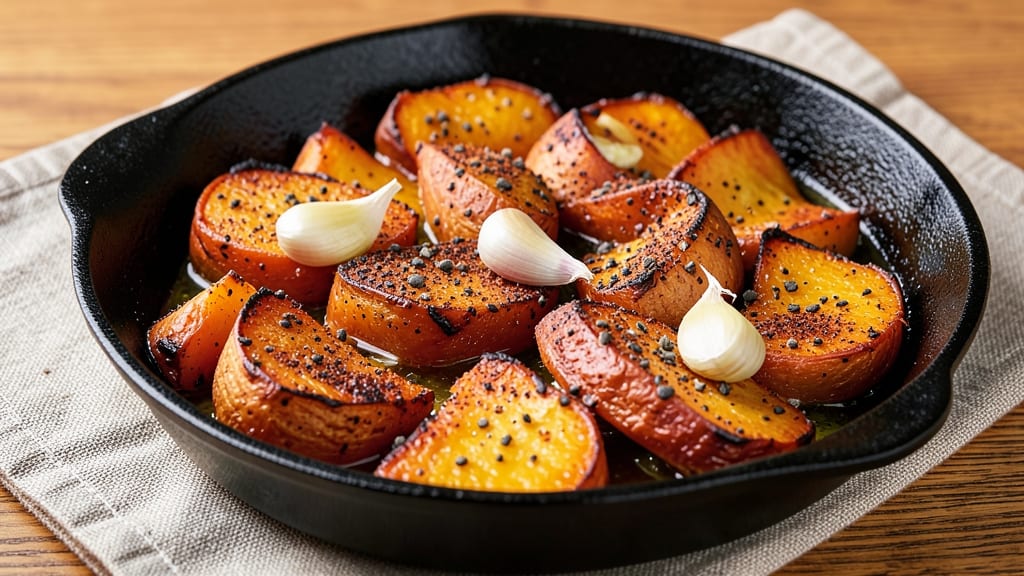
This sweet potato cast iron skillet recipe delivers smoky crispy edges and caramelized sweetness in just 45 minutes—transforming simple ingredients into a restaurant-worthy side. The secret lies in the cast iron's ability to sear and retain heat, creating that perfect contrast of crispy exteriors and tender, creamy interiors.
I've perfected this technique after years of testing, and it's become a crowd-pleaser at every holiday table.
The process is straightforward: cube the sweet potatoes evenly for consistent cooking, then season generously with salt, pepper, and a touch of smoked paprika before roasting. The cast iron skillet develops a natural crust that locks in moisture while creating those coveted crispy edges.
A final broil at the end ensures maximum caramelization, turning the potatoes into a golden, flavorful masterpiece.
What you'll end up with is a dish that's foolproof yet impressive—ideal for weeknight dinners or holiday feasts. The smoky aroma alone will have everyone anticipating dinner, and the texture contrast between crispy edges and creamy centers makes every bite satisfying.
This recipe proves that simple ingredients, when cooked with intention, can create something truly special.
Pair with a protein like grilled chicken or steak for a complete meal, or serve alongside a fresh salad for a balanced plate. The cast iron skillet's versatility means you can use this technique for countless variations—just swap in different seasonings or add-ins like pecans or goat cheese.
Here's how to make it perfectly every time.
Ingredients for sweet potato cast iron skillet
Nine essential ingredients transform humble sweet potatoes into a restaurant-worthy cast iron masterpiece.
| Ingredient | Amount | Notes |
|---|---|---|
| Sweet Potatoes 🍠 | 2 lbs | Medium size, cubed evenly |
| Extra-Virgin Olive Oil 🫒 | ¼ cup | High smoke point preferred |
| Kosher Salt 🧂 | 1 ½ tsp | Diamond Crystal preferred |
| Freshly Ground Black Pepper 🌶️ | ½ tsp | For balanced seasoning |
| Smoked Paprika 🌶️ | 1 tsp | For authentic smoky flavor |
| Garlic Cloves 🧄 | 3 cloves | Minced for aromatic depth |
| Fresh Rosemary 🌿 | ¼ cup | Chopped, for herbal notes |
| Brown Sugar 🍯 | 1 tbsp | Enhances caramelization |
| Cast Iron Skillet 🔥 | 1 whole | Seasoned properly for best results |
| Unsalted Butter 🧈 | 2 tbsp | Full-fat for richness |
| Maple Syrup 🍁 | 1 tbsp | Grade B for robust flavor |
| Toasted Pecans 🥜 | ¼ cup | Chopped, optional garnish |
The sweet potatoes are the star, so choose firm, vibrant ones with smooth skin—no soft spots. I prefer Yukon Golds for their creamy texture, but any variety works. Cube them evenly (about 1.5-inch pieces) for consistent cooking. Local farmers markets often carry the freshest produce, but the grocery store organic section is reliable too. For that signature smoky flavor, smoked paprika from Penzeys is my go-to—it's consistent and potent. Fresh rosemary adds an aromatic depth that dried can't match, so grab a sprig from the grocery store's produce section if you don't have it growing.
No smoked paprika? Liquid smoke at half the amount works in a pinch, though it's not identical. Substituting brown sugar? White sugar plus a pinch of cinnamon mimics the depth. For the garlic, pre-minced from a jar is fine, but fresh is always better—just make sure to peel and chop it yourself. The maple syrup can be Grade A or B; Grade B has more sediment and richer flavor. Pecans are optional but add wonderful crunch—Trader Joe's sells them pre-toasted for convenience. If you're avoiding nuts, omit them or use toasted pumpkin seeds instead. The cast iron skillet must be properly seasoned; if yours isn't, give it a quick coat of oil and heat it empty for 10 minutes before using.
This dish reheats beautifully—just pop it back in the oven at 400°F for 5-10 minutes. Store leftovers in an airtight container for up to 4 days, though they're best enjoyed fresh. For meal prep, portion into individual containers and reheat separately. The skillet itself can be cleaned while still warm with a stiff brush and hot water, then coated with oil and stored for next time. The flavors actually improve slightly the next day as the sweetness caramelizes further, making this the perfect make-ahead side dish for holiday gatherings.
Why You'll Love This Recipe
- One-Pan Magic: I swear by this dish when I’m too tired to scrub pots—just slice, roast, and forget about it. The cast iron does all the work while I’m chopping veggies for the side salad.
- Smoky Sweetness Boom: That smoked paprika? It’s the secret weapon—earthy, slightly sweet, and just enough to make your whole kitchen smell like a fall festival. The olive oil keeps it rich without being greasy, and the pepper adds a little kick.
- Weeknight to Weekend: Between us, this is my go-to for lazy Sundays or when unexpected guests show up. Serve it with a dollop of yogurt or crumbled feta, and suddenly you’ve got a full meal that feels fancy. (Yes, even on a Tuesday night.)
- Budget-Friendly Staple: Sweet potatoes last forever, and this recipe uses them up without breaking the bank. Plus, leftovers reheat like a dream—just toss them back in the oven until crispy again. My wallet and my taste buds thank me.
Step-by-step instructions for sweet potato cast iron skillet recipe
Transform humble sweet potatoes into restaurant-worthy skillet perfection with smoky edges and caramelized sweetness.
Prep and Season the Sweet Potatoes
Cut the 2 lbs sweet potatoes into 1-inch cubes—consistent size ensures even cooking. Spread them on a baking sheet and toss with 0.25 cup extra-virgin olive oil, 1.5 tsp kosher salt, 0.5 tsp freshly ground black pepper, and 1 tsp smoked paprika. This seasoning blend creates both savory depth and that signature smoky aroma we're after.
Arrange the cubes in a single layer, ensuring they don't overlap. Roast at 425°F for 20 minutes—this pre-cooking step jumpstarts the caramelization process. You'll know they're ready when the edges begin to soften slightly and develop a faint golden hue. This preliminary step prevents the potatoes from steaming in the skillet later, which would make them soggy.
Build Flavor in the Cast Iron Skillet
While the sweet potatoes roast, heat the cast iron skillet over medium-high heat until it's screaming hot. Add 2 tbsp unsalted butter and let it melt completely, then swirl to coat the pan evenly. Add the 3 minced garlic cloves and 0.25 cup chopped fresh rosemary, stirring constantly for 30 seconds—just until the garlic becomes fragrant and the rosemary releases its piney aroma.
Here's where the magic happens: Add the 1 tbsp brown sugar and 1 tbsp maple syrup to the skillet. Stir for another 30 seconds as the sugars begin to caramelize. This sweet-savory base will create the perfect glaze for our potatoes. The skillet should be hot enough that the sugars melt instantly but not so hot that they burn—watch carefully for that moment when the mixture turns glossy and amber-colored.
Achieve Crispy Perfection
Add the pre-roasted sweet potatoes to the skillet in a single layer, spreading them out evenly. Cook undisturbed for 8-10 minutes until the edges develop a deep golden-brown crust. This is the critical step for achieving that coveted crispy texture—resist the urge to stir or flip the potatoes during this time. The potatoes will release easily when they're ready to be turned.
Once the bottoms are crispy, carefully flip each piece using a pair of tongs. Cook another 6-8 minutes until all sides are golden brown and the internal temperature reaches 205°F when tested with an instant-read thermometer. The potatoes should be tender enough to pierce easily with a fork but still hold their shape. This balance between crispy exterior and creamy interior is what makes this dish exceptional.
Finish with Toasted Pecans
Remove the skillet from heat and let it rest for 2 minutes. This brief resting period allows any residual juices to redistribute within the potatoes. Sprinkle the 0.25 cup toasted pecans evenly over the top, pressing them gently into the potatoes so they adhere. The pecans add a delightful crunch contrast to the tender sweet potatoes.
Serve immediately from the skillet, letting guests spoon the crispy edges and caramelized sweet potatoes directly onto their plates. The combination of smoky paprika, sweet maple syrup glaze, and nutty pecans creates a symphony of flavors that will have everyone reaching for seconds. For an extra touch, drizzle with additional maple syrup if desired—this dish practically begs to be enjoyed while still warm and crispy.
Pro Tips For Making Sweet Potato Cast Iron Skillet
- CRANK THE HEAT FIRST: Start your sweet potatoes in a screaming-hot cast iron—no need to baby them. Once they’ve seared and released their starch (about 5 minutes), drop the heat to medium-low to finish cooking; this keeps the edges crispy without burning the centers.
- PEEL AND CUBE UNIFORMLY: Sweet potatoes cook unevenly when cut in random sizes. Aim for 1.5-inch cubes so they all hit tender-perfect at the same time—no mushy undersides or raw edges. A sharp knife and steady hand make this faster than you’d think.
- SALT THE POTATOES BEFORE SEARING: Toss the cubed sweet potatoes with salt and smoked paprika before hitting the pan. This seasoning gets caramelized into the crust, not just sprinkled on top. Skip this, and you’ll end up with flavor just on the surface.
- COVER WITH FOIL AT 3/4 COOK TIME: After the initial sear, cover the skillet with foil for the last 15-20 minutes of cooking. The trapped steam keeps the potatoes moist while the cast iron’s residual heat finishes them—no need to babysit the stove. (Yes, even if you’re impatient like me.)
Flavor customization for this sweet potato cast iron skillet
Sweet & Spicy Kick
For a bold flavor twist, add ½ tsp cayenne pepper to the initial seasoning and finish with a drizzle of hot honey (about 1 tbsp) before serving. The cayenne enhances the smoky paprika while the honey balances the heat.
I like to toast 1 tsp black peppercorns in the skillet for 30 seconds before adding the potatoes for an extra aromatic punch. 🌶️
Herb-Infused Variations
Swap rosemary for fresh thyme (about 1 tbsp) or sage (about 10 leaves) for a different herbal profile. For a Mediterranean twist, add 1 tsp dried oregano and a pinch of ground cinnamon to the initial seasoning.
I've found that thyme pairs beautifully with the maple syrup, creating a subtle earthy sweetness that complements the caramelized edges.
Savory Additions
Boost the savory profile by adding ½ cup cooked bacon (crumbled) or ½ cup crumbled feta cheese to the skillet during the final 2 minutes of cooking. For extra richness, stir in 1 tbsp butter at the end.
The bacon adds a smoky depth while the feta provides a tangy contrast. I often use Applewood-smoked bacon for an extra layer of flavor that ties into the maple syrup's sweetness. 🥓
Sweet Glaze Options
Experiment with different glazes by swapping the maple syrup and brown sugar. Try 2 tbsp honey + 1 tbsp Dijon mustard for a tangy sweetness, or 2 tbsp apricot jam + 1 tsp lemon juice for a fruity twist.
I've also had great success with 1 tbsp coconut sugar + 1 tbsp balsamic vinegar, which creates a caramelized glaze with a slight tang that cuts through the richness of the sweet potatoes.
Nutty Crunch Variations
Instead of pecans, try toasted walnuts (about ¼ cup) for a richer flavor or pumpkin seeds (about ¼ cup) for a nut-free option. For a Southern-inspired touch, sprinkle with crushed graham crackers (about ¼ cup) after cooking.
I often toast the nuts in the skillet for 1-2 minutes to enhance their flavor before adding them to the potatoes. The graham crackers add a buttery crunch that pairs wonderfully with the caramelized sweetness. 🥜
Cheesy Finishing Touches
Add ½ cup shredded sharp cheddar or ½ cup goat cheese (crumble) to the skillet during the final 2 minutes of cooking. The cheddar melts beautifully, creating a gooey contrast to the crispy edges, while the goat cheese adds a tangy brightness.
For a vegetarian twist, use ½ cup vegan cheese that melts well. I like to sprinkle the cheese evenly over the potatoes and let it melt completely before serving. 🧀
Nutrition facts
Frequently asked questions
Why do my sweet potatoes turn out soggy instead of crispy?
Overcrowding the skillet is the #1 culprit! Sweet potatoes need space to develop crispy edges. Use a 12-inch skillet for 2 lbs of potatoes and cook in batches if needed. Also, pre-roasting them at 425°F for 20 minutes removes excess moisture before the skillet step. Never skip this prep—it's what creates that perfect texture contrast!
Can I use regular potatoes instead of sweet potatoes?
While you can use regular potatoes, the flavor and texture won't be the same. Sweet potatoes have a naturally sweeter, creamier interior that caramelizes beautifully. For a similar texture, try Yukon Gold potatoes—they're the closest substitute, though they'll lack that signature sweetness. The recipe is designed specifically for sweet potatoes to maximize their natural flavors.
How do I clean my cast iron skillet after cooking?
While still warm, rinse with hot water and a stiff brush to remove food debris. Avoid soap—just a tiny amount of oil on a paper towel and a quick rub keeps your skillet seasoned. For stuck-on bits, sprinkle with coarse salt and scrub with a crumpled paper towel. Always dry thoroughly over heat to prevent rust. A well-maintained cast iron skillet will last generations!
Can I make this recipe ahead of time?
Yes! This dish actually tastes better the next day as the flavors meld. Store in an airtight container and reheat in the oven at 400°F for 10-15 minutes to restore crispiness. For the best texture, serve within 4 days. The caramelization continues developing during storage, making the sweet potatoes even more flavorful when reheated properly.
What's the best way to serve these sweet potatoes?
These make an excellent side for grilled meats like steak or chicken, or pair with roasted vegetables. For a complete meal, serve with a simple green salad and a drizzle of balsamic. The smoky-sweet flavor also works beautifully with blackened fish or seared pork chops. Don't forget the cast iron skillet itself adds drama to your table presentation!