
Side Dishes
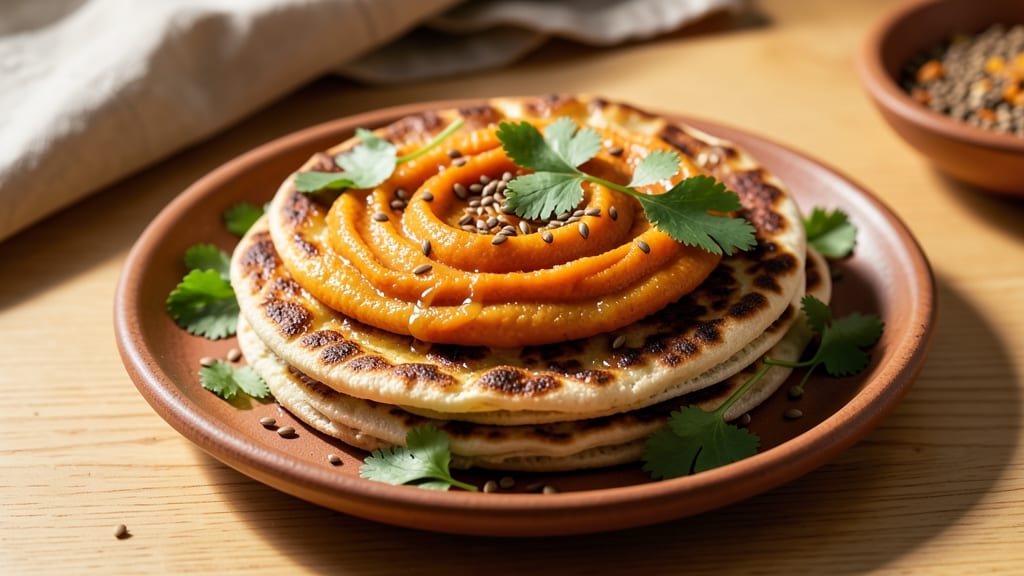
This sweet potato chapati recipe transforms traditional flatbread into a pillowy, naturally sweet masterpiece that pairs perfectly with curries or standalone. The secret lies in blending roasted sweet potato mash into the dough, creating a tender texture with subtle earthy sweetness that elevates every bite.
I developed this version after years of experimenting with Indian flatbreads—balancing the natural moisture of sweet potatoes with the right flour ratio to prevent cracking during cooking.
The dough comes together with just five ingredients, including whole wheat flour and a touch of yogurt for elasticity. What sets these apart is the roasted sweet potato purée, which infuses each chapati with a caramelized depth while keeping them soft and pliable.
Unlike regular chapatis, these hold their shape beautifully on the tawa (griddle) and develop a delicate golden flecking without drying out.
By the time you flip the last chapati, you’ll have a stack of light, airy rounds with a subtle sweetness that complements spicy dishes or stands alone with butter and honey. The texture is what makes them unforgettable—tender yet sturdy enough to hold fillings if you choose.
This recipe delivers restaurant-quality results with minimal effort, perfect for meal prep or serving warm from the tawa.
For extra flavor, try adding a pinch of cumin or fresh cilantro to the dough, or brush the cooked chapatis with garlic butter for a gourmet touch. The possibilities are endless, but the foundation remains the same: a foolproof method for achieving perfectly balanced sweetness and texture every time.
Ingredients for sweet potato chapati
Five core ingredients plus roasted sweet potatoes create pillowy chapatis with natural sweetness.
| Ingredient | Amount | Notes |
|---|---|---|
| Medium Sweet Potatoes 🍠 | 2 whole | Peeled and cubed, roasted until tender |
| Whole Wheat Flour 🌾 | 3 cups | Plus 1 cup extra for dusting |
| Plain Yogurt 🥛 | ½ cup | Full-fat for best elasticity |
| Salt 🧂 | 1 tsp | Fine sea salt preferred |
| Ground Cumin 🌿 | ½ tsp | Toasted for deeper aroma |
| Fresh Cilantro 🌿 | ¼ cup | Chopped, stems removed |
| Unsalted Butter 🧈 | 2 tbsp | For brushing cooked chapatis |
| Ghee or Vegetable Oil 🫒 | 2 tbsp | For cooking on tawa |
| Water 💧 | ½ cup | As needed for dough consistency |
The sweet potatoes are non-negotiable—orange-fleshed varieties like Jewel or Beauregard work best. Roast them until caramelized (about 25 minutes at 400°F) for that deep, earthy sweetness. Whole Foods or local markets often carry ideal varieties. For the flour, King Arthur whole wheat is my go-to—it balances protein and moisture perfectly. If your dough feels too dry, add water 1 tbsp at a time until pliable. The yogurt should be room temperature to prevent dough from tightening up during kneading.
No whole wheat flour? All-purpose plus 1 tbsp vital wheat gluten mimics the texture. Skip the cumin if you dislike its flavor, but it’s worth the half teaspoon for that authentic depth. Fresh cilantro adds brightness, but dried oregano at 1/4 tsp works in a pinch. The butter for brushing? European-style melts cleaner than American brands. For extra richness, swap 1 tbsp of the yogurt for Greek yogurt—it adds protein without altering texture. And if you’re short on time, microwave the sweet potatoes for 8-10 minutes before roasting to speed up prep.
Store the dough wrapped in a damp towel for up to 24 hours in the fridge—bring to room temp before rolling. Cooked chapatis keep 3 days in an airtight container, but reheat gently over low heat to restore their softness. For meal prep, stack them with parchment between layers to prevent sticking. Freeze extras by wrapping individually in foil—they’ll crisp up perfectly when reheated. Pro tip: Brush with melted ghee before freezing for extra flavor.
Why You'll Love This Recipe
- No Peel, No Stress: I swear by these sweet potatoes—just scrub, roast whole, and the flesh slides out like butter. No peeling, no mess, and the natural sweetness stays intact.
- Cumin-Kissed Magic: That toasted cumin in the dough? It’s the secret weapon—warm, earthy, and just a whisper of spice that makes every bite feel like a hug. The yogurt keeps it tender, too.
- Lunchbox Hero: Pack these for work or school—they’re sturdy enough to hold fillings (think mashed beans, paneer, or just butter and sugar) but still soft enough to eat cold. My kids actually take them.
- Pantry Staple Power: Sweet potatoes last forever, flour’s cheap, and yogurt’s a basic. When I’m broke or lazy, this is my go-to—no fancy ingredients, just reliable, satisfying comfort.
Step-by-step instructions for sweet potato chapatis
Transform simple ingredients into pillowy, naturally sweet chapatis with this precise method.
Prepare the Roasted Sweet Potato Base
Preheat your oven to 400°F and line a baking sheet with parchment paper. Peel the 2 whole medium sweet potatoes and cut them into ½-inch cubes. Spread them evenly on the baking sheet in a single layer, ensuring they don't overlap. Roast for 25-30 minutes until tender and golden brown, stirring halfway through.
You'll know they're done when a knife slides in easily and the edges are caramelized. Let them cool completely before processing—this prevents excess moisture in your dough. Once cool, transfer the roasted sweet potatoes to a food processor and pulse until they form a smooth, thick puree. You should have about 1 cup of puree, which will add natural sweetness and moisture to your chapatis.
Mix the Dough Ingredients
In a large mixing bowl, combine the 3 cups whole wheat flour, 1 teaspoon salt, and ½ teaspoon ground cumin. Mix thoroughly to distribute the spices evenly. Create a well in the center and pour in the ½ cup plain yogurt and ½ cup sweet potato puree. Gradually incorporate the liquids into the flour mixture using a fork or your fingers.
Add the ½ cup water as needed to form a smooth, pliable dough. The dough should be soft but not sticky—if it feels too dry, add water 1 tablespoon at a time; if too sticky, sprinkle in 1 tablespoon flour at a time. Knead the dough for 8-10 minutes until it becomes elastic and smooth. Cover the bowl with a damp towel and let the dough rest for 30 minutes at room temperature.
Divide and Roll the Dough
After resting, divide the dough into 6 equal portions (about 3 ounces each). Roll each portion between your palms to form smooth, round balls. Dust your work surface with the 1 cup extra flour reserved for dusting to prevent sticking. Use a rolling pin to roll each ball into a ⅛-inch thick circle, about 6 inches in diameter.
Real talk: consistency matters here. If the chapati develops cracks or tears while rolling, gently patch it with extra flour and continue rolling. The goal is an even, smooth surface—this ensures even cooking and perfect pillowy texture. Keep the rolled chapatis covered with a clean kitchen towel to prevent drying.
Cook the Chapatis on Medium Heat
Heat a tawa (or cast-iron skillet) over medium heat and add 2 tablespoons ghee or vegetable oil. Place one rolled chapati on the hot surface and cook for 30-45 seconds until small bubbles form on the surface and the edges start to lift. Flip the chapati using a clean cloth or spatula and cook the other side for another 30-45 seconds.
Here's where it gets fun—press down gently on the chapati during the first minute of cooking to help it puff up. Watch closely: the chapati should inflate like a balloon, then deflate slightly as it cooks. It's done when both sides are golden brown with slight char marks. Remove from heat and brush with 2 tablespoons melted unsalted butter while still warm. Repeat with remaining chapatis, keeping them covered with a towel to stay soft.
Garnish and Serve Warm
Once all chapatis are cooked, transfer them to a serving platter. Sprinkle generously with the ¼ cup chopped fresh cilantro while still warm. The cilantro adds freshness that balances the earthy sweetness of the sweet potatoes. Serve immediately with your favorite accompaniments like yogurt, pickle, or chutney.
Each chapati should be soft, slightly chewy, and infused with natural sweetness from the roasted sweet potatoes. The butter brushing adds richness, while the cilantro provides a bright finish. Store any leftovers in an airtight container for up to 2 days, but they're best enjoyed fresh and warm.
Pro Tips For Making Sweet Potato Chapati
- Boil Sweet Potatoes Tender: I learned this the hard way—overcooked sweet potatoes turn to mush, and undercooked ones make the dough gummy. Aim for a fork-tender center (no resistance) but still holding its shape. Drain immediately and let them cool completely before mashing—hot potatoes release too much moisture, making the dough sticky and impossible to handle.
- Use Warm Yogurt Only: Cold yogurt tightens the dough, and you’ll end up fighting it. Warm it slightly (just until it’s lukewarm to the touch) before mixing with the flour—this relaxes the gluten and makes rolling the chapati effortless. Trust me, your arms will thank you later.
- Press, Don’t Roll: Skip the rolling pin for the first few presses—your hands work better. Gently press the dough from the center outward with your palms, then flip and repeat. This creates thin, even layers without tearing. (Yes, it looks messy at first, but the texture is worth it.)
- Toast the Cumin First: Ground cumin loses its aroma fast, especially when mixed with wet ingredients. Dry-toast it in a small pan for 30 seconds until fragrant before adding to the dough. The difference in flavor is subtle but noticeable—like the upgrade from black-and-white to color TV.
Wine and beer pairings for this dish
Earthy Red Wine
Pair these sweet potato chapatis with a medium-bodied red wine like Pinot Noir or Grenache to complement their caramelized sweetness. The Pinot Noir from Oregon or Grenache from Spain brings subtle fruit notes that harmonize with the roasted sweet potato flavor without overpowering the delicate spices.
I love a glass of La Crema Pinot Noir—its bright acidity cuts through the richness while enhancing the earthy undertones. 🍷
Crisp White Options
For a refreshing contrast, try a dry Riesling or Sauvignon Blanc with noticeable minerality. The crisp acidity in Dr. Loosen Blue Slate Riesling from Germany balances the natural sweetness beautifully, creating a refreshing balance.
If you prefer whites with more body, Viognier from California offers floral notes that pair wonderfully with the cumin and cilantro in the chapatis.
Light Beer Pairings
A wheat beer or pilsner works surprisingly well with these chapatis. The hopeful bitterness in a Sierra Nevada Pale Ale or Weihenstephaner Hefeweissbier cleanses the palate between bites, while the effervescence keeps the meal lively.
For a more robust option, try a Belgian witbier like Stella Artois—its citrusy notes mirror the fresh cilantro garnish. 🍺
Spiced Cocktail Pairings
For a festive touch, serve with a ginger-mule or cucumber-mint mojito to highlight the chapatis' natural sweetness. The ginger in a Smoky Old Fashioned with firewater maple syrup enhances the caramelized sweet potato notes, while the mint in a mojito echoes the cilantro garnish.
These cocktails add a playful, refreshing contrast to the warm, earthy flavors of the chapatis.
Non-Alcoholic Refreshers
For a non-alcoholic option, try a sparkling rosé lemonade or hibiscus iced tea. The tartness of San Pellegrino Aranciata with a splash of lime juice brightens the meal, while the floral notes in hibiscus tea complement the cumin and sweet potato.
These drinks keep the palate clean and the experience refreshing without overpowering the chapatis' natural flavors. ✨
Nutrition facts
Frequently asked questions
Why do my sweet potato chapatis crack or tear when rolling?
The dough might be too dry or the resting time too short. Try adding 1 tablespoon water if the dough feels crumbly, and let it rest for the full 30 minutes before rolling. Keep your work surface well-floured and roll gently in one direction to prevent tearing. If cracks appear, patch them with extra flour and continue rolling.
Can I substitute sweet potatoes with regular potatoes?
Regular potatoes won't work—they lack the natural sweetness and moisture that sweet potatoes provide. For a similar texture, try roasting butternut squash or beets instead, but expect a different flavor profile. The sweet potato's caramelization during roasting is key to the chapati's signature taste.
How do I prevent my chapatis from sticking to the tawa?
Ensure your tawa is properly heated before placing the chapati, and use enough ghee or oil (about 2 tablespoons). Dust the rolled chapati lightly with flour before placing it on the tawa, and use a clean cloth or spatula to flip it—never a metal utensil. Keep extra chapatis covered with a damp towel while cooking.
Can I make these chapatis gluten-free?
Yes, but you'll need a 1:1 gluten-free flour blend with xanthan gum. Replace the whole wheat flour with 3 cups gluten-free flour blend and add ½ teaspoon xanthan gum to improve elasticity. The dough may require more water (2-3 tablespoons extra) and a longer resting time (45 minutes) to develop proper texture.
What's the best way to reheat leftover sweet potato chapatis?
Warm them gently on a dry tawa over low heat for 20-30 seconds per side or wrap them in a damp paper towel and microwave for 10-15 seconds. Avoid high heat—it makes them rubbery. For extra crispiness, brush with melted butter after reheating. Store in an airtight container between parchment paper.