
Side Dishes
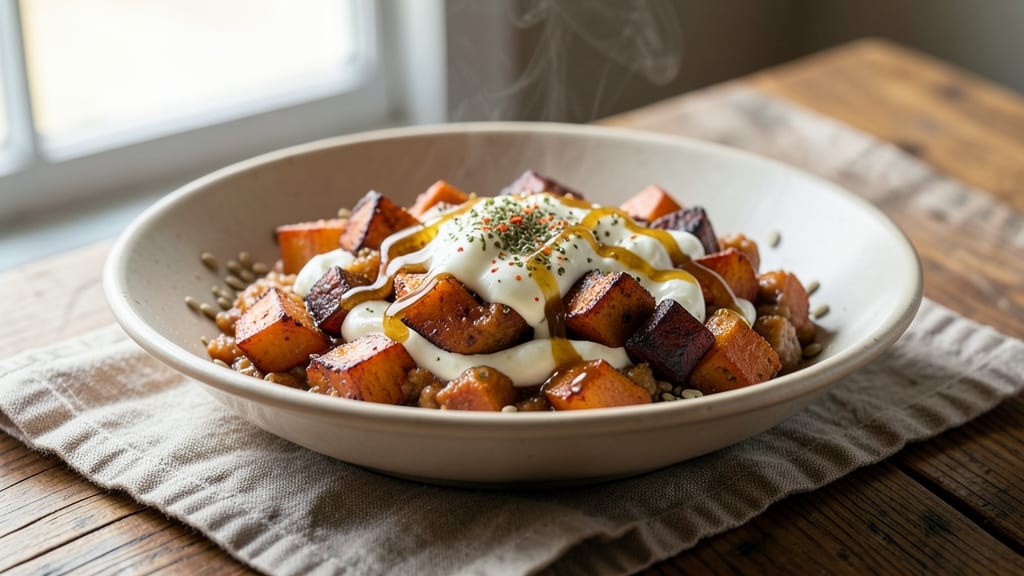
This sweet potato chutney recipe transforms humble ingredients into a vibrant, tangy-spiced condiment that elevates everything from sandwiches to curries. The secret lies in roasting sweet potatoes until caramelized—deepening their natural sweetness—before blending them with aromatic spices, a touch of vinegar for brightness, and a splash of yogurt for creaminess.
What starts as a simple mash becomes a complex, spreadable chutney with layers of flavor that linger long after the first bite.
The beauty of this recipe is its versatility—it works as a bold dip for grilled meats, a tangy topping for flatbreads, or even a vibrant addition to grain bowls.
The spices (cumin, coriander, and a hint of cayenne) build warmth without overpowering, while the vinegar and lemon juice cut through the richness, creating balance. Unlike store-bought versions, this chutney develops richer flavors the longer it sits, making it perfect for meal prep or gifting.
With just 10 ingredients and 30 minutes of active time, you’ll end up with a chutney that’s thick enough to spread but light enough to drizzle.
The texture is smooth yet slightly rustic, thanks to the roasted sweet potatoes, which add a subtle earthiness that pairs beautifully with sharp cheeses, crusty bread, or even as a marinade for proteins. This isn’t just a side—it’s the star of the plate.
Store it in an airtight container for up to 5 days in the fridge, where its flavors deepen over time. For extra richness, stir in a spoonful of tahini or a drizzle of olive oil before serving.
Whether you’re hosting a dinner or craving a quick snack, this chutney delivers restaurant-quality flavor with minimal effort.
Ingredients for sweet potato chutney
Roasted sweet potatoes meet aromatic spices and tangy brighteners for a chutney that transforms simple meals.
| Ingredient | Amount | Notes |
|---|---|---|
| Sweet Potatoes 🍠 | 2 lbs | Medium, peeled and cubed |
| Plain Yogurt 🥛 | ½ cup | Unflavored, full-fat preferred |
| Apple Cider Vinegar 🍏 | ¼ cup | Raw, unfiltered for tang |
| Ground Cumin 🌿 | 1 tbsp | Toasted for depth of flavor |
| Ground Coriander 🌿 | 1 tbsp | Freshly ground preferred |
| Cayenne Pepper 🔥 | ½ tsp | Adjust for heat preference |
| Fresh Ginger 🌿 | 2 tbsp | Grated, for zing |
| Lemon Juice 🍋 | ¼ cup | Freshly squeezed |
| Olive Oil 🫒 | ¼ cup | Extra-virgin for richness |
| Salt 🧂 | 1 tsp | Diamond Crystal preferred |
The sweet potatoes are the foundation—orange-fleshed varieties like Jewel or Beauregard roast to perfect caramelization. Whole Foods or local farmers markets often carry these, or check the produce section of any grocery store. For the yogurt, full-fat Greek yogurt adds creaminess without thinning the chutney too much. If you can't find plain yogurt, unsweetened almond yogurt works in a pinch, though the texture will be slightly lighter. The vinegar matters too—raw, unfiltered apple cider vinegar has more complexity than regular white vinegar, but any vinegar will work if you're in a hurry.
No cumin? Ground coriander alone at double the amount mimics its earthy notes, though the warmth will be less pronounced. Fresh ginger is ideal, but powdered ginger at half the amount works if you're short on time. For extra richness, stir in 2 tbsp tahini when blending, or drizzle with olive oil before serving. The lemon juice can be swapped for lime juice at the same amount, though it'll be slightly more tart. If your chutney ends up too thick, thin with warm water or broth one tablespoon at a time.
Store in an airtight container with a thin layer of olive oil on top to preserve freshness for up to 5 days in the fridge. For longer storage, freeze in ice cube trays—thaw and stir before using. The flavors actually deepen over time, so this chutney tastes even better the next day. If making ahead, roast the sweet potatoes first and store separately until ready to blend, which simplifies prep.
Why You'll Love This Recipe
- No-Fuss Blend: I swear by this recipe because it’s literally a food processor away from done. Peel and chop sweet potatoes once, toss in yogurt and spices, and let the machine do the work—no stirring, no straining, no fuss. Honestly, I’ve made it while scrolling through emails.
- Tangy Warmth Combo: That apple cider vinegar cut through the sweetness like a knife, but the cumin and coriander? They turn it into something ridiculously good—earthy, bright, and just a little funky. The yogurt keeps it creamy without being heavy, and the texture? Perfectly smooth with a subtle bite.
- Every Meal’s Sidekick: Spread it on toast when you’re lazy, dollop it over grilled chicken for a quick dinner, or serve it with dosa for a weekend treat. It’s my go-to for when I need something fast but still feels special—no one ever guesses how little effort went into it.
- Lasts All Week: A single batch feeds my family for days—breakfast, lunch, or snack time—and it actually improves after sitting overnight. (Yes, even on a Tuesday night.) Plus, sweet potatoes and yogurt are cheap staples, so it’s my budget-friendly secret for keeping meals interesting without breaking the bank.
Step-by-step instructions for sweet potato chutney
Transform simple ingredients into a vibrant, tangy-spiced chutney perfect for curries or sandwiches.
Roast the Sweet Potatoes Until Caramelized
Preheat your oven to 400°F. Toss the 2 lbs cubed sweet potatoes with 1 tablespoon olive oil and ½ teaspoon salt on a baking sheet. Spread them in a single layer, ensuring they don't overlap—this prevents steaming and promotes even browning.
Roast for 25-30 minutes, stirring once halfway through, until the edges are deep golden brown and the cubes soften when pierced with a fork. The sweet potatoes should smell caramelized and develop a crispy exterior. Let them cool slightly before processing—this prevents a watery chutney later.
Blend the Roasted Sweet Potatoes with Aromatics
Transfer the cooled sweet potatoes to a food processor. Add the 2 tablespoons grated fresh ginger, 1 tablespoon ground cumin, 1 tablespoon ground coriander, and ½ teaspoon cayenne pepper. Pulse until the mixture becomes a coarse, chunky texture—you want some visible pieces for texture, not a smooth puree.
This step builds the chutney's depth. The spices should be evenly distributed, but don't over-blend or you'll lose the rustic appeal. If the mixture feels dry, add 1-2 tablespoons water to help with processing, but keep it minimal to maintain thickness.
Incorporate the Tangy Base Ingredients
With the food processor running, slowly drizzle in the 0.25 cup apple cider vinegar and 0.25 cup lemon juice. Scrape down the sides as needed to ensure everything combines smoothly. The mixture will become noticeably more liquid—this is normal as the acids break down the sweet potato fibers.
Next, add the 0.5 cup plain yogurt and 0.25 cup olive oil in a steady stream. Pulse until fully incorporated, but avoid over-processing. The chutney should have a thick, spreadable consistency—if it's too thick, add 1 teaspoon water at a time until it reaches your desired texture.
Adjust Seasoning and Let It Rest
Taste the chutney and adjust the seasoning. You may need more salt (up to ½ teaspoon) or cayenne pepper (up to ¼ teaspoon) to balance the sweetness and tang. The chutney should be vibrant, with a bright acidity cutting through the sweetness of the roasted potatoes.
Transfer the chutney to a clean jar and let it rest at room temperature for at least 30 minutes before serving. This allows the flavors to meld and the texture to thicken slightly. For best results, refrigerate any leftovers and use within 5-7 days—the flavors only improve with time.
Pro Tips For Making Sweet Potato Chutney
- Roast the Sweet Potatoes: Don’t boil or microwave them—roast whole sweet potatoes at 400°F (200°C) for 45-50 minutes until fork-tender. The caramelized edges and concentrated sweetness make all the difference, especially when blended with yogurt and vinegar. (Yes, even if you’re impatient like me, resist the urge to cut them early.)
- Strain the Yogurt First: Drain your yogurt through a fine-mesh sieve or cheesecloth for at least 15 minutes before mixing. The thicker, tangier consistency prevents a watery chutney, and it balances the sweetness of the roasted potatoes better. I learned this the hard way—thin yogurt just doesn’t hold up.
- Toast the Spices Together: Dry-toast ground cumin and coriander in a small pan over medium-low heat for 30 seconds before adding them to the yogurt mixture. This wakes up their flavors and prevents a bitter aftertaste. Skip this, and the spices just sit there like dull spectators instead of stars.
- Balance Acid Gradually: Start with half the apple cider vinegar called for, taste, then add the rest. The vinegar cuts through the sweetness, but too much upfront turns the chutney harsh. I was skeptical until I tried it—now I adjust in ½-teaspoon increments until it’s bright, not sour. (Your future self will thank you.)
Pro cooking tips for great sweet potato chutney
Roasting Perfection
Roasting sweet potatoes at 400°F until caramelized is the secret to rich, deep flavor. I like to spread them in a single layer on the baking sheet—this ensures even browning and prevents steaming, which keeps them crispy on the edges.
Stir once halfway through cooking to promote consistent color development. The cubes should be deep golden brown with slightly crispy edges when done. Let them cool for 10 minutes before processing to avoid a watery chutney. 🌟
Spice Toasting
Toast your ground cumin and ground coriander in a dry skillet over medium heat for 30 seconds before adding to the food processor. This simple step enhances their aromatic qualities dramatically.
The toasted spices will release more complex flavors into the chutney, giving it that professional depth. I always do this step—it makes a noticeable difference in the final product. ✨
Acid Balance
The vinegar and lemon juice are crucial for cutting through the sweetness of the roasted potatoes. I recommend using raw, unfiltered apple cider vinegar for its complexity, but any vinegar will work. When blending, add the acids slowly while the processor is running to prevent splattering.
This gradual incorporation helps control the texture and prevents the chutney from becoming too thin. Taste as you go—you want that bright, tangy note to shine through. 🍋
Texture Control
For the perfect spreadable consistency, pulse the sweet potatoes with spices until you achieve a coarse, chunky texture. Avoid over-processing or you'll lose the rustic appeal. If the mixture feels dry during blending, add 1-2 tablespoons water to help it combine smoothly.
The final chutney should be thick enough to spread but still have a slight sheen from the olive oil. If it's too thick, thin with water or broth one teaspoon at a time. 💫
Resting Matters
Never skip the 30-minute rest at room temperature before serving. This allows the flavors to meld and the texture to thicken slightly. I often make this chutney the night before to give it even more time to develop.
The resting period also helps the spices infuse fully, resulting in a more cohesive flavor profile. Store leftovers in an airtight container in the fridge for up to 5 days—the flavors actually improve over time. 💡
Equipment Essentials
You don't need fancy tools, but a few basics make this process easier. A food processor is ideal for blending, though a high-powered blender works too. For roasting, a rimmed baking sheet prevents spills, and I recommend using a light-colored sheet to monitor browning.
A fine-mesh strainer can help remove any large chunks if you prefer a smoother texture. Keep these tools handy for the best results. 🔥
Nutrition facts
Frequently asked questions
Can I substitute regular potatoes for sweet potatoes in this chutney?
While you can use regular potatoes, the flavor and texture will be completely different. Sweet potatoes provide natural sweetness and a deeper, caramelized depth when roasted that regular potatoes can't match. If you must substitute, try purple potatoes—they'll give you a slightly earthier flavor, though the texture will be less creamy. For best results, stick with sweet potatoes.
How do I adjust the spice level for kids or sensitive eaters?
Simply reduce or omit the cayenne pepper entirely—it's the only heat source in this recipe. For extra mildness, you can also swap the cayenne for an additional ½ teaspoon of ground coriander, which adds warmth without heat. Always taste as you go and adjust to your preference. The other spices are mild enough that this chutney is naturally kid-friendly when the cayenne is removed.
Can I make this chutney without a food processor?
Yes! You'll need a sturdy blender or a potato masher. For the best texture, roast the sweet potatoes thoroughly until very soft, then mash them with a fork before adding other ingredients. Blend the wet ingredients (vinegar, lemon, yogurt, oil) separately and mix everything together by hand. The texture will be slightly chunkier but still delicious.
What are the best ways to use this chutney beyond sandwiches?
This versatile chutney works as a marinade for grilled meats, a topping for tacos or nachos, or a dip for veggie sticks and crackers. Try swirling it into hummus or mixing it into mashed potatoes for extra depth. It also pairs beautifully with Indian flatbreads like naan or roti, or as a glaze for roasted vegetables. The possibilities are endless—get creative!
Why did my chutney turn out too thin?
This usually happens when sweet potatoes aren't fully cooled before blending or when too much liquid (vinegar, lemon, or yogurt) is added. Always let roasted sweet potatoes cool completely before processing. If the chutney is too thin, let it sit uncovered in the fridge for 1-2 hours—the moisture will evaporate and thicken it naturally. For immediate results, simmer the chutney gently in a saucepan for 5-10 minutes to reduce the liquid.