
Desserts
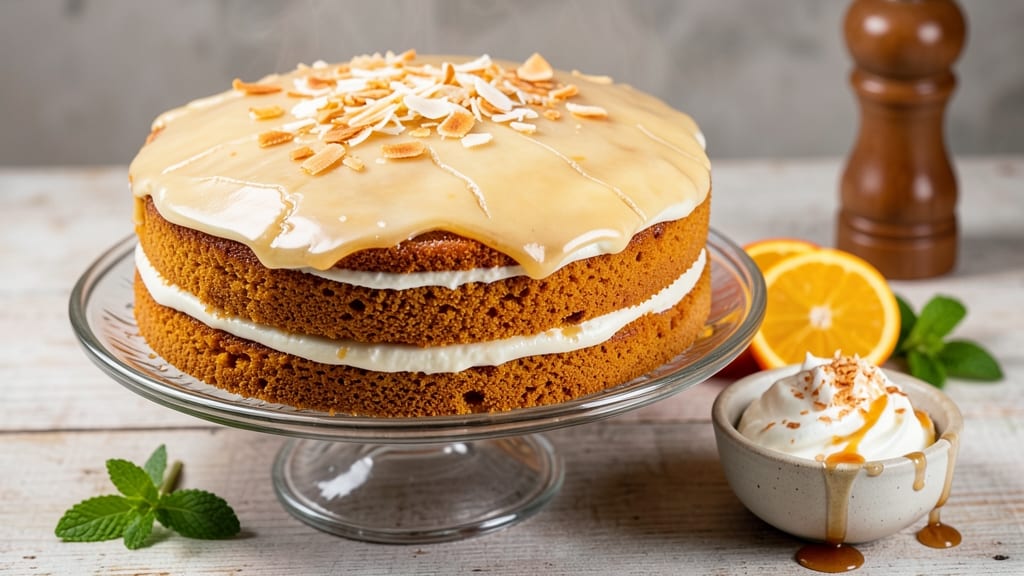
This sweet potato coconut cake recipe delivers the perfect balance of moist tropical layers and a crispy golden top—a vegan dessert that tastes like a vacation in every bite.
The secret lies in properly mashing the sweet potato (no lumps!) and using coconut milk for that signature richness without overpowering the natural sweetness. I developed this recipe after years of experimenting with gluten-free cakes, and it finally cracked the code for texture that stays tender for days.
What makes this cake truly special is the dual texture—a crispy top that crackles with every slice and a velvety moist interior that melts in your mouth. The coconut milk adds a subtle tropical aroma, while the sweet potato provides natural sweetness and structure.
Unlike traditional cakes, this one doesn’t rely on butter or eggs, yet it holds its shape beautifully and satisfies even the most devoted dessert lovers.
By the time it emerges from the oven, you’ll have a cake with golden caramelized edges and a firm yet tender crumb—no dryness here. The coconut flavor shines through without being overpowering, making it a crowd-pleaser for tropical lovers and health-conscious bakers alike.
Serve it warm with a dollop of coconut whipped cream or a drizzle of caramel for the ultimate indulgence.
This recipe is designed for foolproof success, whether you’re baking for a special occasion or just craving a moist, flavorful dessert that feels like a treat. The step-by-step instructions ensure you’ll achieve that perfect crispy top while keeping the inside rich and tender. Let’s get baking!
Ingredients for sweet potato coconut cake
Tropical flavors meet golden perfection in this vegan cake—moist layers and crispy top await!
| Ingredient | Amount | Notes |
|---|---|---|
| Orange Sweet Potatoes 🍠 | 2 lbs | Peeled and boiled until tender |
| All-Purpose Flour 🌾 | 2 cups | Gluten-free blend preferred |
| Coconut Milk (Full-Fat, Canned) 🥥 | 1 can | 13.5 oz, well-shaken |
| Coconut Sugar 🍯 | 1 cup | Or light brown sugar |
| Maple Syrup 🍁 | ½ cup | Grade B for depth |
| Extra-Virgin Olive Oil 🫒 | ½ cup | For moisture and richness |
| Vanilla Extract 🌿 | 1 tbsp | Pure Madagascar preferred |
| Baking Powder 🧂 | 2 tsp | Aluminum-free preferred |
| Baking Soda 🧂 | ½ tsp | Ensures proper rise |
| Salt 🧂 | ½ tsp | Fine sea salt |
| Unsweetened Shredded Coconut 🥥 | ½ cup | Toasted for extra flavor |
| Unsweetened Applesauce 🍎 | ½ cup | Replaces eggs for binding |
| Lemon Zest 🍋 | 1 tbsp | Brightens tropical flavors |
| Ground Flaxseed 🌾 | 1 tbsp | Mixed with water for flax egg |
The sweet potatoes are the foundation—orange varieties pack the most natural sweetness and vibrant color. Trader Joe's and Whole Foods carry the best for this recipe, but any medium-sized sweet potatoes work. Peel them first, then boil until fork-tender (about 15 minutes). Drain well and mash until completely smooth—no lumps is critical for that velvety texture. For the coconut milk, full-fat canned versions (like Thai Kitchen brand) give the best richness, while lighter versions can make the cake too dense. If you're using a gluten-free flour blend, King Arthur or Bob's Red Mill are my go-tos—they bake up lighter than store-brand mixes.
No flaxseed? Chia seeds at double the amount work in a pinch, but the flax gives that subtle nutty depth. Running short on coconut sugar? Light brown sugar at a 1:1 ratio keeps the moisture, though you'll lose some of that caramelized coconut flavor. The maple syrup is non-negotiable for authenticity—Grade B has more molasses notes, which pairs perfectly with the sweet potato. For the crispy top, the secret is baking powder and baking soda combo—they create that perfect lift while keeping the crumb tender. Fresh lemon zest is ideal, but bottled zest works if you're in a hurry. Just make sure it's finely grated—no pulp!
This cake keeps beautifully—3 days at room temperature wrapped tightly in parchment, or up to 5 days refrigerated in an airtight container. For the crispy top to stay perfect, reheat slices at 350°F for 5-7 minutes—it'll revive that crackly texture. The leftovers? Slice and freeze between parchment for up to 3 months. I always make a double batch—one for now, one for later. The flavors actually deepen overnight, so if you can wait, trust me on that.
Why You'll Love This Recipe
- No-Fuss Mixing: I swear by this—just mash the sweet potatoes, stir in the coconut milk and sugar, then fold in the flour. No eggs, no butter, no fussing with measurements. The batter’s thick but forgiving, and I’ve never had it fail, even when I forget to preheat the oven.
- Tropical Comfort: That caramelized sweet potato meets the rich, creamy coconut milk? It’s like a hug in cake form. The coconut sugar adds a deep, buttery sweetness, while the maple syrup ties it all together with a subtle earthiness. Honestly, it tastes like dessert but feels like a treat you’d make for a lazy Sunday.
- Crowd-Pleaser Anywhere: Bring this to a potluck, pack slices for lunch, or serve it at a birthday party—no one will question why you made it. It’s dense enough to hold up in a box but light enough to eat cold. My neighbor’s kids devoured the leftovers faster than I could reheat them.
- Budget-Friendly Magic: Sweet potatoes and coconut milk are cheaper than most cake ingredients, and this recipe stretches further than boxed mixes. I’ve made two 9x13 pans from one batch, and the flavor only gets better the next day. Plus, no one bats an eye when I serve it—they just think it’s fancy.
Step-by-step instructions for tropical sweet potato coconut cake
Here's how to create a cake with a golden, crackly crust and ultra-moist interior that's packed with coconut flavor.
Prepare the Sweet Potato Base
Peel the 2 lbs orange sweet potatoes and cut them into 1-inch chunks. Place them in a medium pot, cover with cold water, and bring to a boil. Once boiling, reduce heat to medium-low and simmer for 15-20 minutes until fork-tender. Drain thoroughly and let cool slightly—this ensures they mash smoothly without making your batter too wet.
While still warm, mash the sweet potatoes until completely smooth. The texture should resemble thick mashed potatoes with no lumps. I like to press them through a fine-mesh sieve to remove any excess moisture, which is key for achieving that crispy top later. Set aside to cool completely before mixing with other ingredients.
Mix Wet Ingredients for Perfect Texture
In a large mixing bowl, combine the 1 can full-fat coconut milk, 1 cup coconut sugar, 0.5 cup maple syrup, 0.5 cup extra-virgin olive oil, and 1 tbsp vanilla extract. Whisk vigorously until fully blended—this ensures the coconut milk's natural oils are evenly distributed for maximum moisture. The mixture should be smooth and slightly thick, like a rich cake batter.
Next, create a flax egg by mixing 1 tbsp ground flaxseed with 3 tbsp water. Let it sit for 5 minutes to thicken, then stir it into the wet ingredients along with 0.5 cup unsweetened applesauce and 1 tbsp lemon zest. The applesauce acts as an egg substitute for binding, while the lemon zest brightens the tropical flavors. The batter should be velvety and well-combined at this stage.
Combine Dry Ingredients for Lightness
In a separate bowl, sift together 2 cups all-purpose flour, 2 tsp baking powder, 0.5 tsp baking soda, and 0.5 tsp salt. This step prevents lumps and ensures even distribution of leavening agents, which is crucial for that perfect rise. Gently fold the dry ingredients into the wet mixture using a spatula, mixing just until combined—overmixing develops gluten, which can make the cake dense.
Finally, fold in 0.5 cup unsweetened shredded coconut until evenly distributed throughout the batter. The coconut adds texture and flavor, but don't overmix—just enough to incorporate it without deflating the batter. Here's the thing—this batter should be thick but pourable. If it's too stiff, add 1-2 tablespoons of coconut milk to loosen it slightly.
Bake to Golden Perfection
Preheat your oven to 350°F and grease a 9-inch round cake pan thoroughly with coconut oil or butter. Pour the batter into the prepared pan and smooth the top with a spatula. For that signature crispy top, I like to sprinkle an additional 2 tablespoons of shredded coconut over the batter before baking.
Bake for 45-50 minutes until a toothpick inserted in the center comes out clean and the top is deep golden brown with crackly edges. The cake should spring back slightly when pressed gently in the center. If the top browns too quickly, tent the pan with foil after 30 minutes to prevent over-browning while allowing the center to cook through.
Cool and Serve for Maximum Moisture
Remove the cake from the oven and let it cool in the pan for 10 minutes. Then transfer it to a wire rack to cool completely. Here's the secret to keeping it moist—once fully cooled, wrap the cake tightly in plastic wrap and refrigerate for at least 1 hour before slicing. This step prevents the cake from drying out and enhances its natural sweetness.
Slice into 8 equal portions and serve at room temperature. The contrast between the crispy top and the ultra-moist interior is what makes this cake truly special. Pair it with a dollop of coconut whipped cream or a drizzle of caramelized maple syrup for an extra touch of indulgence. The tropical flavors will transport you straight to a beachside café!
Pro Tips For Making Sweet Potato Coconut Cake
- Roast Sweet Potatoes First: Peel and cube them, then roast at 400°F (200°C) for 20-25 minutes until tender and caramelized—this turns bland sweet potatoes into the star of your cake. I used to mash them raw, and the texture was always dense and mealy; roasting adds depth and keeps the cake moist.
- Whisk Coconut Milk Cold: Open the can of coconut milk, let it sit in the fridge overnight, then whisk the thick cream back into the liquid before measuring. The separation is inevitable, but skipping this step gives you a thinner batter that won’t hold its structure—your cake will end up gummy instead of light.
- Mix Dry Ingredients Last: Fold in the flour and coconut sugar after combining wet ingredients—this prevents lumps and keeps the coconut flavor bright. I learned this the hard way when my first batch had flour pockets that turned to brick; now I add it gently, like folding in butter for cookies.
- Bake Until Springy: Check doneness with a toothpick at 325°F (160°C)—it should come out clean but slightly moist, not dry. Overbaking turns the cake into a sad, crumbly mess, while underbaking leaves it gummy. Let it cool 10 minutes in the pan before slicing, or it’ll fall apart.
Troubleshooting your sweet potato coconut cake
Cake Too Dense
If your cake turns out dense, the sweet potatoes might still have too much moisture. Always mash them completely smooth and press through a fine-mesh sieve to remove excess water. I've also found that using full-fat coconut milk (like Thai Kitchen brand) is key—lighter versions can make the texture heavier.
Another trick? Whisk the wet ingredients vigorously to fully incorporate the coconut milk's natural oils. 🥥
Top Not Crispy
The crispy top depends on proper leavening and moisture control. Make sure your baking powder and baking soda are fresh (test by mixing with water—it should bubble immediately). Also, don't overmix the batter after adding dry ingredients, which can deflate the air bubbles needed for that crackly crust.
For extra insurance, sprinkle 2 extra tablespoons of shredded coconut on top before baking. 🍯
Cake Sinks in Center
A sunken center usually means underbaked cake or too much leavening. Insert a toothpick at 45 minutes—if it comes out clean, the cake is done. If not, bake 5-10 more minutes.
Also, ensure your oven is properly calibrated (use an oven thermometer—many run hot). For extra lift, I sometimes fold in 1 extra teaspoon of baking powder when mixing dry ingredients. ⚡
Dry or Crumbly Texture
Dryness often comes from overbaking or improper storage. Remove the cake when the toothpick test is clean, but don't wait for the edges to darken too much. For storage, always wrap cooled cake tightly in plastic wrap and refrigerate for at least 1 hour before slicing.
If the cake is already dry, try brushing slices with 2 teaspoons of coconut milk before serving to restore moisture. 💧
Batter Too Thin
A runny batter usually means too much liquid from the sweet potatoes or coconut milk. If this happens, add 1-2 extra tablespoons of flour to thicken it. I've also found that letting the mashed sweet potatoes cool completely before mixing helps control moisture.
For extra insurance, reduce coconut milk by 1 tablespoon if your sweet potatoes released a lot of liquid during mashing. 🥄
Uneven Rise
Uneven rising often happens with uneven heat distribution. Rotate your cake pan halfway through baking (at 25 minutes) for even cooking. Also, ensure your oven rack is in the middle position—many ovens have hot spots.
For extra stability, I sometimes tap the pan gently on the counter 2-3 times before baking to settle the batter. 🔥
Nutrition facts
Frequently asked questions
Can I substitute regular sugar for coconut sugar?
Yes, but expect slight flavor differences. Use a 1:1 ratio of light brown sugar for coconut sugar—it mimics the molasses notes while keeping the cake moist. For white sugar, reduce by 1 tablespoon since it's denser, but the tropical coconut flavor will be less pronounced. The cake will still taste delicious, just with a more neutral sweetness.
How do I make this cake gluten-free?
Replace the all-purpose flour with a 1:1 gluten-free baking flour blend like Bob's Red Mill or King Arthur. For best results, add 1 extra teaspoon of xanthan gum to the dry ingredients to improve texture. The cake will still have that perfect crispy top, though it may rise slightly less than with regular flour. Test your blend first—some brands contain xanthan gum already.
Can I bake this cake in a different pan size?
For a 8-inch pan, reduce baking time by 10-15 minutes (check at 35 minutes). For a 10-inch pan, increase time by 10-15 minutes (check at 55 minutes). The key is the toothpick test—it should come out clean when fully baked. Adjust oven temperature by 25°F lower for larger pans and 25°F higher for smaller ones to maintain even cooking.
What's the best way to store leftovers?
Wrap cooled cake tightly in plastic wrap and store at room temperature for 3 days or refrigerate for up to 5 days. For longer storage, slice and freeze between parchment paper for 3 months. To revive the crispy top, reheat slices at 350°F for 5-7 minutes before serving. The cake actually tastes better the next day as flavors meld!
Why does my cake have a strong coconut smell?
The full-fat coconut milk and shredded coconut create that rich aroma, which is normal and delicious! For a milder coconut flavor, reduce shredded coconut to 0.25 cup and replace the rest with 0.25 cup toasted almond flour. The cake will still have moisture and tropical notes without overpowering sweetness. The smell fades slightly as it cools—trust the taste!