
Side Dishes
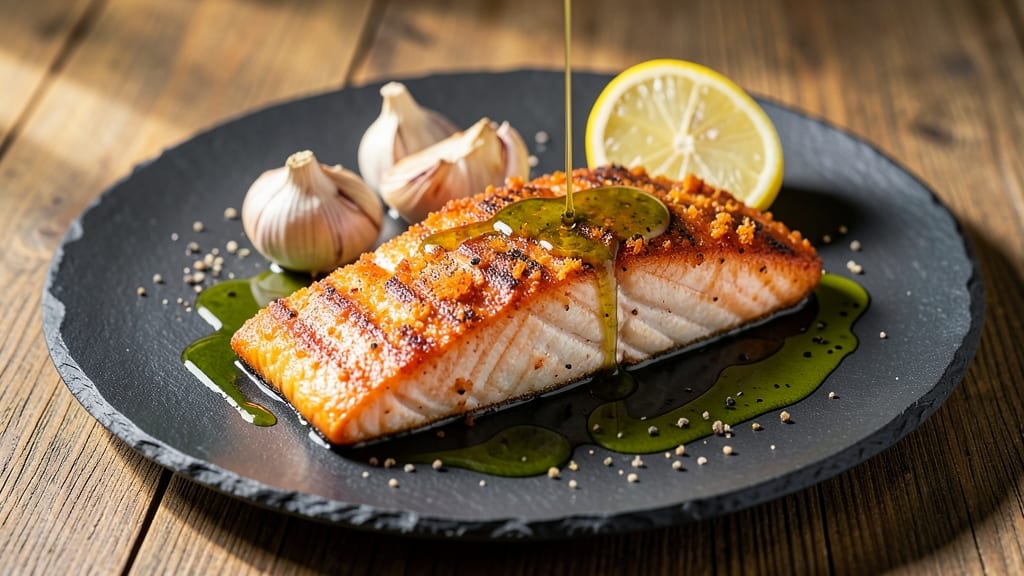
This sweet potato crusted salmon recipe delivers a perfect marriage of crispy, caramelized crust and melt-in-your-mouth fish—no breadcrumbs needed. 🌟 The secret lies in roasting sweet potatoes until tender and golden, then blending them into a fine, flavorful coating that locks in moisture while creating irresistible texture.
As a pescatarian staple, this dish proves healthy eating can be luxurious without compromise.
The process starts with baking sweet potatoes until they're soft enough to blend into a smooth, slightly sweet puree. This natural crust replaces traditional breading, offering a gluten-free alternative that still delivers satisfying crunch.
Pan-searing the salmon ensures a perfect medium doneness inside while the crust develops that coveted golden-brown finish.
What you'll end up with is restaurant-quality salmon—flaky, tender fillets crowned with a sweet potato crust that's crispy on the outside and subtly sweet on the inside. The natural sweetness of the potatoes balances beautifully with the salmon's richness, creating a dish that's both elegant and approachable for weeknight dinners.
Pair with a simple side of roasted asparagus or a vibrant quinoa salad to complete the meal. The sweet potato crust makes this dish visually striking as well as delicious, perfect for impressing guests while keeping preparation straightforward. Let's get cooking!
Ingredients for sweet potato crusted salmon
Sweet potatoes, salmon, and a touch of maple syrup—this crunchy crust transforms simple ingredients into restaurant-worthy elegance.
| Ingredient | Amount | Notes |
|---|---|---|
| Sweet Potatoes 🍠 | 2 medium | Organic preferred, skin-on |
| Salmon Fillets 🐟 | 4 pieces | Skin-on, center-cut preferred |
| Extra-Virgin Olive Oil 🫒 | ½ cup | High-quality, fruity |
| Garlic Cloves 🧄 | 4 cloves | Freshly minced |
| Fresh Lemon Juice 🍋 | 2 tbsp | From organic lemons |
| Ground Black Pepper 🌶️ | 1 tsp | Freshly cracked |
| Diamond Crystal Kosher Salt 🧂 | 1 tsp | Fine grain preferred |
| Fresh Parsley 🌿 | ¼ cup | Chopped, for garnish |
| Unsalted Butter 🧈 | 2 tbsp | Cold, for searing |
| Coconut Oil 🥥 | 1 tbsp | For extra crispiness |
| Avocado Oil 🫒 | 2 tbsp | High smoke point |
| Maple Syrup 🍁 | 1 tbsp | Pure, grade B |
The sweet potatoes are the star—organic, skin-on varieties like Jewel or Garnet hold their shape best during roasting. Trader Joe's and Whole Foods carry excellent options, but any firm sweet potato works. Roast until fork-tender (about 45 minutes at 400°F), then blend with olive oil, garlic, and a splash of maple syrup for that perfect sweet-savory balance. Pro tip: Save the skins—they add texture and nutrients to the crust. For extra richness, some cooks add a pinch of smoked paprika to the puree, but keep it simple for the classic flavor profile.
No salmon fillets? Cod or halibut work beautifully as substitutes—they're milder and hold their shape well. Fresh parsley wilting? Dried parsley at one-quarter the amount keeps the flavor, though fresh is ideal. Running low on maple syrup? Agave nectar or honey (if not strictly pescatarian) work in a pinch, but maple's unique flavor is worth seeking out. The crust can be prepped ahead and stored in the fridge for 2 days, making this a great make-ahead dish. For extra crispiness, some chefs add a light dusting of cornstarch to the crust mixture, but the natural starch in sweet potatoes is usually enough.
This dish reheats beautifully—350°F for 10-12 minutes restores that perfect crunch. Store leftovers in an airtight container for up to 3 days, though the crust loses crispiness after 1 day. For freezing, portion the crust mixture separately from the salmon—crust freezes for 3 months, while cooked salmon is best eaten fresh. To serve, garnish with extra parsley and a squeeze of lemon right before eating. The contrast of warm crust and zesty lemon is what makes this dish truly special—don't skip the garnish!
Why You'll Love This Recipe
- I swear by this trick: just toss sweet potato cubes in the food processor for 10 seconds—no peeling, no fuss. The texture is perfect for crusting, and honestly? The kids love "helping" mash them into the salmon.
- Same recipe, different vibes: serve it with a simple salad for a Tuesday night or pair it with seared scallops for a weekend guest list. The lemon brightens everything up, so it’s always fresh-feeling.
Step-by-step instructions for sweet potato crusted salmon
Here's how to create a restaurant-worthy crust that keeps salmon impossibly flaky inside.
👨🍳 Step 1: Roast Sweet Potatoes for Crispy Crust
Preheat oven to 400°F. Peel and dice the 2 medium sweet potatoes into ¼-inch cubes—smaller pieces crisp better. Toss them with 2 tablespoons avocado oil, ½ teaspoon kosher salt, and ½ teaspoon black pepper until evenly coated. Spread on a parchment-lined baking sheet in a single layer.
Roast for 25-30 minutes, stirring halfway, until golden brown and tender when pierced with a fork. Here's the trick: drain the roasted sweet potatoes in a fine-mesh strainer for 2 minutes to remove excess oil—this prevents a greasy crust. While they cool, reduce oven temperature to 375°F for the salmon.
🍳 Step 2: Prepare Salmon and Sweet Potato Crust Mixture
Pat the 4 salmon fillets dry with paper towels—this ensures maximum crispiness. In a food processor, pulse the cooled roasted sweet potatoes with 2 tablespoons unsalted butter, 1 tablespoon coconut oil, 1 tablespoon maple syrup, 1 tablespoon extra-virgin olive oil, 1 teaspoon kosher salt, and ½ teaspoon black pepper until finely chopped but still slightly textured.
Transfer the mixture to a bowl and stir in 2 tablespoons fresh lemon juice and ¼ cup chopped fresh parsley. The texture should be like wet sand—cohesive enough to stick but still crumbly. Spread each salmon fillet with about 1 tablespoon of this mixture, pressing gently to adhere. Sprinkle remaining mixture evenly over the top.
🔥 Step 3: Sear Salmon for Perfect Crust and Flaky Texture
Heat a large oven-safe skillet over medium-high heat. Add 1 tablespoon avocado oil and carefully place the salmon fillets in the pan, crust-side down. Sear for 2-3 minutes until the crust develops a deep golden color and the edges begin to crisp.
Transfer the skillet to the preheated 375°F oven and bake for 8-10 minutes until the salmon reaches 145°F internally and the crust is perfectly crisp. The key here is patience—the crust needs time to fully set in the oven without burning. Watch closely after 7 minutes to prevent overcooking.
🥘 Step 4: Finish with Garlic Butter and Fresh Herbs
Remove the salmon from the oven and let rest for 3 minutes. In the same skillet, melt 2 tablespoons unsalted butter over medium heat and add the 4 cloves minced garlic. Cook for 30 seconds until fragrant but not browned. Pour this garlic butter evenly over each salmon fillet.
Garnish immediately with additional fresh parsley and a squeeze of lemon juice. Serve with the crispy crust intact—it should shatter like a perfect shell around the flaky salmon. The sweet potato crust adds a subtle caramelized sweetness that balances the rich salmon perfectly.
Pro Tips For Making Sweet Potato Crusted Salmon
- Purée Sweet Potatoes Smooth: DESCRIPTION: Roast your sweet potatoes first—toss cubed pieces in olive oil, salt, and roast at 400°F (200°C) for 20-25 minutes until tender. Then blend with a splash of lemon juice (about 1 tablespoon) until completely smooth, no lumps. I used to mash them raw, and the crust always tasted grainy—this step makes all the difference.
- Dry Salmon Like Your Life Depends On It: DESCRIPTION: Pat the salmon fillets thoroughly with paper towels before pressing them into the sweet potato purée crust. Wet skin = steam = soggy crust. I learned this the hard way after my first batch ended up tasting like a sad, damp pancake.
- Press, Don’t Just Stick: DESCRIPTION: When shaping the crust, press the sweet potato mixture firmly around the salmon edges—about ½-inch thick—and use your fingers to create a slight ridge. This keeps it from sliding off during cooking. My grandmother swore by this, and she was right: the crust stays put, and the salmon doesn’t escape.
- Start Hot, Finish Covered: DESCRIPTION: Sear the salmon crust in a cold pan over medium-high heat for 3-4 minutes until golden, then reduce to medium-low, cover with a lid, and cook another 4-5 minutes. The initial sear locks in flavor, while the lid steams the salmon just enough to keep it moist without turning the crust into mush. Sounds weird, but it works—every time.
Serving suggestions for this sweet potato crusted salmon
Bright Green Sides
Fresh arugula with lemon vinaigrette is my go-to pairing—its peppery bite cuts through the sweet potato richness beautifully. Toss 4 cups baby arugula with 2 tbsp extra-virgin olive oil and 1 tbsp fresh lemon juice, plus ¼ tsp Diamond Crystal kosher salt.
Add ¼ cup crumbled goat cheese for extra protein. 🌿
For a heartier option, try haricots verts sautéed with garlic and butter. Blanch 1 lb haricots verts for 2 minutes, then toss with 1 tbsp melted butter and 1 minced garlic clove. The crisp-tender beans provide perfect texture contrast.
Warm Grain Options
Jasmine rice with toasted sesame seeds adds a subtle nutty flavor that complements the sweet potato crust. Cook 1 cup jasmine rice according to package, then stir in 1 tsp toasted sesame oil and 1 tsp sesame seeds before serving.
The warm grains soak up any stray garlic butter from the salmon.
For a gluten-free alternative, try quinoa pilaf with roasted red peppers. Cook 1 cup quinoa in 2 cups vegetable broth, then fold in ½ cup diced roasted red peppers and 2 tbsp chopped fresh parsley. The earthy quinoa balances the sweetness perfectly.
Roasted Vegetable Medleys
Roasted Brussels sprouts with balsamic glaze elevate the dish to restaurant-level sophistication. Toss 1 lb halved Brussels sprouts with 1 tbsp avocado oil, ½ tsp kosher salt, and ¼ tsp black pepper, then roast at 425°F for 20 minutes.
Drizzle with 1 tbsp balsamic reduction before serving.
Asparagus with lemon zest is another elegant choice. Roast 1 bunch asparagus (tough ends trimmed) at 400°F for 12-15 minutes until tender-crisp. Finish with zest of 1 lemon and a sprinkle of fresh parsley. The bright acidity refreshes your palate between bites of rich salmon.
Presentation Tips
Serve the salmon on a slate board or wooden platter to highlight the rustic sweet potato crust. Arrange the fillets slightly overlapping, with a drizzle of extra garlic butter in the center. Garnish with microgreens or edible flowers for a restaurant-worthy presentation.
For a modern touch, plate each fillet on a bed of wilted spinach with a small scoop of herbed couscous on the side. The contrast between the crisp crust, flaky salmon, and soft grains creates visual appeal that matches the flavor complexity. 💫
Nutrition facts
Frequently asked questions
Can I make this sweet potato crust ahead of time?
Yes! Prepare the crust mixture up to 2 days ahead and store it in an airtight container in the fridge. The texture will hold well, though it may lose a tiny bit of crispness. For best results, press the chilled crust onto cold salmon fillets right before cooking—this helps it adhere better. If the mixture feels too dry, add 1 teaspoon lemon juice to restore moisture.
What if my sweet potato crust isn't crispy?
Crispiness depends on proper oil drainage and cooking technique. First, ensure you drained the roasted sweet potatoes thoroughly in a strainer for 2 minutes to remove excess oil. For extra crunch, add 1 teaspoon cornstarch to the crust mixture. Also, sear the salmon on medium-high heat until golden before finishing in the oven—this builds the foundation for crispiness.
Can I use frozen salmon for this recipe?
but thaw it properly first. Place frozen salmon in the fridge for 24 hours or use the quick thaw method: seal it in a bag and submerge in cold water for 30 minutes, changing the water every 10 minutes. Pat completely dry before applying the crust—any moisture will prevent proper adhesion. Frozen salmon works just as well as fresh for this dish!
What's the best way to reheat leftovers?
Reheat gently to preserve that crispy texture. Place leftovers in a 350°F oven for 10-12 minutes on a wire rack over a baking sheet. For extra crispiness, broil for 1-2 minutes at the end. Microwaving will make the crust soggy—this method keeps the outside crunchy while warming the salmon through. Garnish with fresh parsley and lemon after reheating for the best flavor.
How do I adjust this for a gluten-free or dairy-free diet?
This recipe is naturally gluten-free! For dairy-free, simply omit the butter and use vegan butter or extra coconut oil (replace the 2 tablespoons butter with 3 tablespoons coconut oil total). The crust will still be delicious and crispy. The maple syrup and lemon juice provide enough moisture without needing dairy. Just ensure your salmon is fresh or properly thawed for best texture.