
Desserts
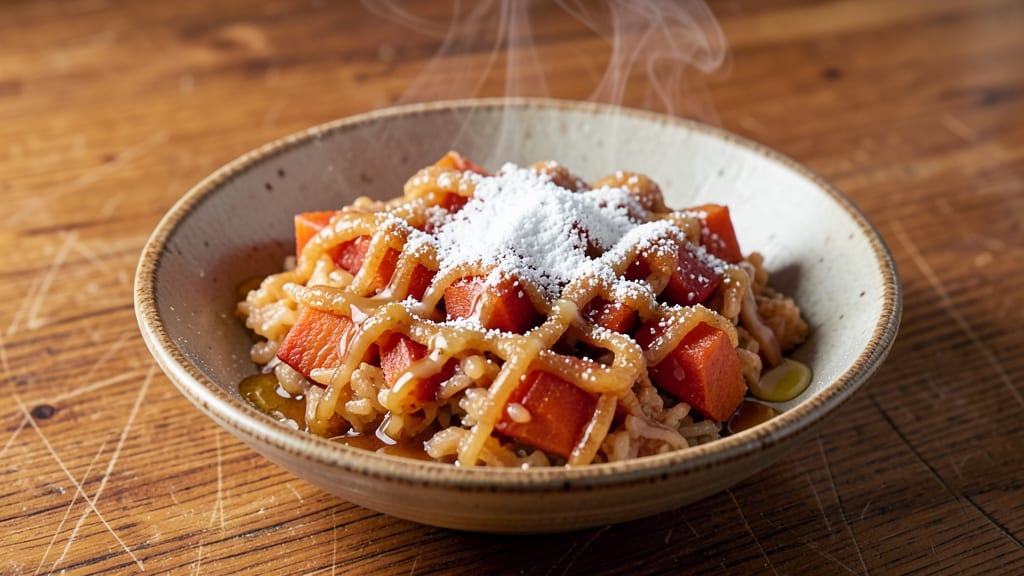
This sweet potato glutinous rice flour recipe transforms humble ingredients into a dessert that feels like a hug—soft, pillowy, and bursting with caramelized sweetness. The secret lies in balancing vibrant sweet potato puree with chewy glutinous rice flour, creating a texture that’s both delicate and satisfying.
I developed this recipe after years of experimenting with traditional Asian mochi, refining it to be approachable yet still deeply flavorful.
The process is simpler than it looks: blend sweet potatoes until silky, mix with glutinous rice flour and sugar, then steam until the edges turn translucent. No special equipment needed—just a steamer and patience.
The result? A dessert with a velvety interior and a subtle caramelized crust, perfect for special occasions or a cozy treat.
What makes this recipe stand out is its versatility—serve it warm with a drizzle of honey or chilled with coconut milk for a tropical twist. The natural sweetness of the potatoes shines through, while the glutinous rice flour gives it that signature mochi-like chew.
It’s the kind of dessert that feels indulgent yet balanced, making it a crowd-pleaser for any gathering.
Once you try this, you’ll never go back to store-bought versions. The aroma alone—warm, sweet, and slightly nutty—will have everyone asking for seconds. Let’s get started on creating something truly special.
Ingredients for sweet potato glutinous rice flour
Simple yet transformative ingredients create this velvety mochi-inspired dessert with perfect balance.
| Ingredient | Amount | Notes |
|---|---|---|
| Orange Sweet Potatoes 🍠 | 2 lbs | Peeled and cubed evenly |
| Glutinous Rice Flour 🌾 | 2 cups | Also called mochi flour |
| Granulated Sugar 🍚 | 1 ½ cups | Adjust for preferred sweetness |
| Water 💧 | 1 cup | Room temperature preferred |
| Coconut Oil 🥥 | 2 tbsp | For greasing steamer |
| Vanilla Extract 🌿 | 1 tsp | Pure, high-quality preferred |
| Honey 🍯 | 2 tbsp | For drizzling (optional) |
| Toasted Sesame Seeds 🌰 | 2 tbsp | For garnish (optional) |
| Coconut Milk 🥥 | ½ cup | For chilled serving (optional) |
| Salt 🧂 | ¼ tsp | Fine sea salt preferred |
| Cornstarch 🌾 | 1 tbsp | For dusting (optional) |
The orange sweet potatoes are the heart of this recipe—choose ones with deep color for maximum sweetness and flavor. Trader Joe's and Whole Foods carry excellent organic varieties, but any firm, vibrant sweet potato works. Peel and cube them evenly for consistent cooking; larger pieces yield a denser texture. If using pre-cut sweet potatoes, rinse thoroughly to remove excess starch. For the glutinous rice flour, Asian markets offer the best selection, though Amazon and specialty grocery stores carry reliable brands like Shiratamako or Mochiko. Avoid regular rice flour—this recipe demands the chewy, translucent quality of true glutinous rice flour.
No sweet potatoes? Yams or regular potatoes can substitute in a pinch, though texture will differ slightly. For a lower-sugar option, reduce granulated sugar to 1 cup and add 1 tsp maple syrup for depth. The coconut oil is essential for greasing the steamer—vegetable oil works too, but coconut's neutral flavor complements the sweetness. Vanilla extract can be swapped for 1 tsp vanilla bean paste if you prefer a more intense aroma. For the optional honey drizzle, ensure it's raw, unprocessed honey for the best flavor. If serving chilled, full-fat coconut milk creates a luscious contrast to the chewy texture. The cornstarch is purely decorative but adds an elegant finish—skip if you prefer a rustic presentation.
Store any leftovers in an airtight container in the refrigerator for up to 3 days, though they'll likely disappear faster. For longer storage, freeze portions for up to 3 months; thaw at room temperature before serving. The steamed mochi keeps best at room temperature for 1-2 hours post-steaming, allowing the edges to develop that coveted caramelized crust. To reheat, steam for 5-7 minutes—this restores the pillowy texture. For a restaurant-quality presentation, serve warm with a drizzle of honey and toasted sesame seeds, or chill with coconut milk for a refreshing twist. Portion into individual servings before serving to maintain texture.
Why You'll Love This Recipe
- No Peel, No Stress: I swear by this trick—just roast the sweet potatoes whole, then slice. Zero prep, all flavor, and that caramelized outside? Worth the wait.
- Sweet & Sticky Magic: The combo of orange sweet potatoes and glutinous rice flour turns into this chewy, almost cake-like texture. Drizzle with coconut oil afterward? Pure satisfaction.
- Lunchbox Hero: Between us, this is my go-to for school lunches or picnic snacks. Packs well, stays soft, and kids actually eat it—no sad leftovers here.
- Pantry Staple Power: Glutinous rice flour and sugar are cheap, and sweet potatoes last forever. Make a big batch, reheat slices in the toaster, and you’ve got breakfast, dessert, or a snack covered.
Step-by-step instructions for sweet potato glutinous rice flour delight
Transform humble sweet potatoes into a silky, irresistible treat using precise technique and traditional mochi-making principles.
Prepare the Sweet Potato Puree
Begin by steaming the peeled and cubed orange sweet potatoes for 15-20 minutes until they're fork-tender with no resistance. The cubes should collapse easily when pierced—they're ready when the edges turn translucent and the center yields to pressure. Drain immediately and transfer to a food processor.
Add the 1 cup water and process until completely smooth, scraping down the sides as needed. The puree should be velvety with no visible chunks. For extra-smooth results, strain through a fine-mesh sieve if necessary. This foundational step determines the final texture—any lumps will translate to graininess in your finished treat.
Create the Glutinous Rice Flour Batter
In a large mixing bowl, whisk together the 2 cups glutinous rice flour, 1.5 cups granulated sugar, and 0.25 tsp salt until completely combined. Create a well in the center and pour in the sweet potato puree. Gradually incorporate the flour mixture into the puree using a silicone spatula, mixing until you achieve a thick, dough-like consistency that clings to the spatula.
Add the 1 tsp vanilla extract and mix thoroughly. The batter should be pliable but not sticky enough to adhere to your fingers. If it's too thick, add 1 tablespoon water at a time until it reaches a workable consistency. This batter is the backbone of your treat—proper hydration ensures that delicate mochi texture without becoming gummy.
Steam to Perfect Texture
Lightly grease a bamboo steamer with the 2 tbsp coconut oil, then line it with parchment paper cut to fit. Divide the batter into 6 equal portions (about 4 ounces each) and shape into smooth, round patties about ½-inch thick. Arrange them in the steamer with about 1-inch between each.
Bring a pot of water to a rolling boil, then place the steamer on top. Cover and steam for 12-15 minutes until the edges turn translucent and the centers spring back when pressed gently. The treats should be firm to the touch but still slightly yielding. Oversteaming will result in dense, rubbery texture—watch closely during the final 2 minutes.
Finish and Serve
Remove the treats from the steamer and let them cool for 5 minutes on a wire rack. While still warm, brush each with the 2 tbsp honey for a glossy finish. For the final touch, sprinkle with the 2 tbsp toasted sesame seeds, pressing them gently into the surface. The seeds add both visual contrast and nutty depth to the sweet-savory balance.
For optimal texture, serve with the 0.5 cup coconut milk drizzled over the top or alongside for dipping. The coconut milk enhances the natural sweetness while providing a cooling contrast to the warm treats. Dust with the 1 tbsp cornstarch before serving to prevent sticking—this final step creates that signature "snowy" presentation while maintaining the chewy interior.
Pro Tips For Making Sweet Potato Glutinous Rice Flour
- Boil Sweet Potatoes 15 Minutes: I learned this the hard way—undercooked sweet potatoes turn to mush when mixed with rice flour. Cut them into 1-inch cubes and boil for exactly 15 minutes (no more, no less) until they’re fork-tender but still hold shape. Overcooking makes the texture gummy, and nobody wants that.
- Sift the Rice Flour: Glutinous rice flour clumps like crazy, and lumps in your batter mean uneven cooking. Sift it directly into your mixing bowl before adding water—this guarantees a smooth, lump-free consistency. (Yes, even if you’re impatient like me.)
- Use Cold Water for Batter: Mixing the rice flour with cold water first keeps the batter from thickening too fast. Start with ¾ cup cold water, then adjust as you go—hot water turns the batter gluey before you’re ready. Trust me, you’ll regret rushing this step.
- Pan-Fry in Batches: Coconut oil has a low smoke point, and overcrowding the pan steams the fritters instead of crisping them. Cook in small batches—about 4-5 at a time—until golden brown on both sides. Your future self will thank you for not turning them into soggy dumplings.
Troubleshooting this recipe
Batter Too Sticky
If your batter feels overly sticky and refuses to hold its shape, you likely added too much water during mixing. Start fresh by reducing the water in your puree—aim for 1 cup max (or less if your sweet potatoes released extra moisture).
Glutinous rice flour absorbs liquid differently than regular flour, so 1 tbsp at a time is key. I’ve found that chilling the batter for 10 minutes before shaping also helps tighten the structure. 💡
Dense or Gummy Texture
Oversteaming is the usual culprit here, but under-mixed batter can also cause this issue. Ensure your sweet potato puree is completely smooth—no lumps! If the texture feels dense after steaming, check your flour-to-puree ratio.
A 1:1 ratio (2 cups flour to 2 cups puree) works best. For extra insurance, steam at medium-high heat and test at 12 minutes—remove when edges are translucent but centers still spring back slightly.
Cracked or Uneven Surfaces
Uneven surfaces often stem from uneven batter distribution or sudden temperature changes. Shape your patties uniformly (about ½-inch thick) and avoid pressing too hard. If cracks appear during steaming, cover loosely with foil for the final 2 minutes to slow moisture loss.
For a smoother finish, brush the tops with a light coconut oil wash before steaming—this creates a barrier against cracking. ✨
Not Sweet Enough
The sweet potatoes’ natural sugar varies by variety, so taste your puree before mixing. If it’s mild, increase sugar to 1.75 cups for balance. For a deeper flavor, add ½ tsp cinnamon or ¼ tsp cardamom to the batter.
Pro tip: Let the treats sit 5 minutes after steaming—they’ll develop caramelized sweetness as they cool. A drizzle of honey (as in the recipe) amplifies the effect without extra sugar. 🍯
Sticky After Cooling
This happens when excess moisture lingers in the batter or steamer. Ensure your bamboo steamer has holes for proper ventilation—cover with a tight lid but leave a small gap if needed. After steaming, transfer treats to a wire rack (not a plate) to air-dry for 5 minutes.
For extra grip, dust with 1 tbsp cornstarch before serving—this prevents sticking while keeping the interior chewy. 🌾
Glutinous Rice Flour Substitutes
If you’re missing glutinous rice flour, tapioca starch (½ cup) mixed with 1.5 cups regular rice flour can mimic the texture, though results will be less chewy. For a closer match, blend 1 cup glutinous rice flour with 1 cup sweet rice flour (found in Asian markets).
Avoid almond or coconut flour—they lack the necessary elasticity. If using substitutes, reduce steaming time by 2-3 minutes to prevent gumminess. 🔥
Nutrition facts
Frequently asked questions
Can I use regular rice flour instead of glutinous rice flour?
Regular rice flour won't give you that signature chewy, mochi-like texture—it lacks the necessary elasticity. For a closer substitute, mix 1 cup glutinous rice flour with 1 cup sweet rice flour (found in Asian markets). If you're completely out of options, try tapioca starch (½ cup) with 1.5 cups regular rice flour, but expect a slightly less chewy result. Always reduce steaming time by 2-3 minutes when using substitutes.
How do I know when the sweet potatoes are fully steamed?
Your sweet potatoes are ready when they're fork-tender with no resistance—edges should turn translucent and the center should yield easily to pressure. 15-20 minutes is the typical range, but check at 15 minutes first. Oversteaming makes them mushy, while understeaming leaves raw spots. Drain immediately to prevent excess moisture from seeping into your puree.
Can I make this recipe without a bamboo steamer?
Use a metal colander or even a heatproof plate that fits snugly in your pot. Just ensure it has holes for steam to circulate. Line it with parchment paper and grease it with coconut oil. The key is maintaining steady heat—cover with a tight lid and steam over medium-high heat for the same 12-15 minutes. A double boiler setup works too, though it may take slightly longer.
Why does my batter feel too sticky to work with?
Glutinous rice flour absorbs moisture differently than regular flour, so sticky batter usually means you added too much water. Start fresh with 1 cup max of water in your puree—less if your sweet potatoes released extra moisture. Chill the batter for 10 minutes before shaping to tighten the structure. If it's still sticky, dust your work surface with a tiny bit of cornstarch.
How should I store leftovers?
Store in an airtight container in the fridge for up to 3 days, though they're best enjoyed fresh. For longer storage, freeze portions for 3 months. To reheat, steam for 5-7 minutes—this restores the pillowy texture. Keep them at room temperature for 1-2 hours post-steaming to develop that caramelized crust. For serving, dust with cornstarch to prevent sticking.