
Side Dishes
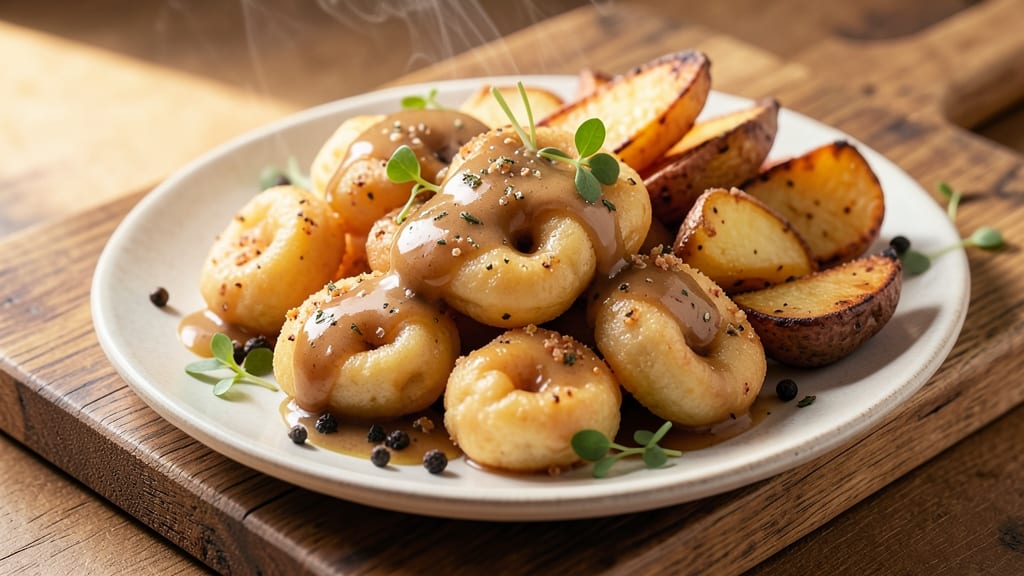
This sweet potato gnocchi recipe no ricotta transforms humble sweet potatoes into pillowy, golden dumplings that rival traditional versions—without a single drop of dairy. The secret lies in blending roasted sweet potato with flour and starch to create a dough that’s light yet sturdy enough to hold its shape.
I developed this recipe after craving gnocchi but realizing I couldn’t use ricotta, and the result? A dish that’s naturally vegan, deeply flavorful, and perfect for hearty meals.
The dough comes together in just 15 minutes with simple pantry staples, and the shaping process is surprisingly intuitive once you get the hang of it.
What makes these dumplings special is their earthy sweetness—the roasted sweet potatoes add natural richness, while the starch ensures they stay tender and never turn mushy. The best part? They’re ready in under 30 minutes, making them ideal for weeknight dinners or impressive sides.
Boiled just until they float, these gnocchi transform into golden, ridged dumplings with a texture that’s both crisp and tender. Toss them in a quick vegan marinara or a rich sage brown butter sauce for a restaurant-worthy dish.
The sweetness of the potatoes pairs beautifully with savory flavors, creating a balance that’s both comforting and exciting.
Whether you’re serving them as a side to roasted vegetables or a main dish with a fresh salad, these gnocchi deliver on flavor and texture without compromise. The recipe is designed to be foolproof, so even beginners can achieve perfect results. Let’s get started!
Ingredients for sweet potato gnocchi recipe no ricotta
Simple pantry staples transform into restaurant-quality gnocchi—no ricotta, no dairy, just pure sweet potato magic.
| Ingredient | Amount | Notes |
|---|---|---|
| Large Russet Potatoes 🥔 | 2 whole | Peeled, boiled, mashed smooth |
| Large Sweet Potatoes 🍠 | 2 whole | Peeled, roasted until tender |
| All-Purpose Flour 🌾 | 2 cups | Plus 2 tbsp for dusting |
| Tapioca Starch 🌾 | ½ cup | Or cornstarch for substitute |
| Salt 🧂 | 1 ½ tsp | Kosher or sea salt |
| Extra-Virgin Olive Oil 🫒 | 1 tbsp | For dough and cooking |
| Fresh Rosemary 🌿 | ¼ cup | Chopped, for aroma |
| Nutritional Yeast 🧀 | 2 tbsp | For cheesy flavor |
| Water 💧 | ½ cup | For dough hydration |
| Lemon Zest 🍋 | 1 tsp | Brightens flavor |
| Black Pepper 🌶️ | ½ tsp | Freshly ground |
The sweet potatoes are the star here. Orange-fleshed varieties like Beauregard work best—they’re naturally sweet and hold their shape when roasted. I roast mine at 400°F for about 45 minutes, then mash until completely smooth (no lumps!). For the flour, King Arthur brand is my go-to—it’s light and absorbs well, but any all-purpose will do. Tapioca starch is key for that signature pillowy texture; don’t substitute with cornstarch unless you’re desperate (it’s grainier). Whole Foods or Trader Joe's carry it in bulk if you need more than a small bag.
No tapioca starch? Cornstarch works in a pinch, but expect slightly denser gnocchi. Fresh rosemary is ideal, but dried at half the amount works if you’re in a hurry. Nutritional yeast is a game-changer for that cheesy umami—Bob’s Red Mill is my favorite brand, but any organic store carries it. For the dough, you want it to be soft but not sticky. If it’s too dry, add a splash of water; if too wet, add a little more flour. Don’t overwork the dough—just handle it gently to avoid tough gnocchi. And if you’re feeling fancy, add a pinch of smoked paprika to the dough for depth.
These gnocchi are best made fresh, but you can prep the dough ahead and refrigerate it for up to 24 hours—just let it sit at room temp for 30 minutes before shaping. Once boiled, they’ll keep in the fridge for 3 days if stored in a single layer (don’t stack!) with a damp towel between layers. For longer storage, freeze uncooked gnocchi on a tray first, then transfer to a bag. They’ll keep for 3 months—just boil from frozen, adding 1-2 extra minutes. The key to perfect gnocchi? Boil them in plenty of salted water and cook just until they float (about 2-3 minutes). Overcooking turns them mushy, so keep an eye on them.
Why You'll Love This Recipe
- No-Ricotta Necessary: I’ll admit, I was skeptical about skipping ricotta—until I tried this. The sweet potatoes and russets blend into pillowy clouds with just flour and tapioca starch, no dairy fuss. Honestly, the texture wins me over every time.
- Sweet & Savory Flex: Between us, this gnocchi soaks up sauces like a dream—tomato, brown butter, or even a quick pesto. The natural sweetness of the sweet potatoes balances perfectly, so you’re not stuck with one-note flavor.
- Weeknight Hero: I’ve made this twice mid-week when I forgot to meal prep. Boil, mash, roll, boil again—no waiting for dough to rest. One pan, 20 minutes, and dinner’s saved.
- Budget Stretch: Russets and sweet potatoes are cheap, and a single batch feeds four (or my family’s bottomless appetites). The tapioca starch keeps it light without breaking the bank—leftovers reheat beautifully too.
Step-by-step instructions for sweet potato gnocchi
Here's how to create pillowy, golden dumplings that rival traditional ricotta gnocchi—just with a sweeter, earthier twist.
Prepare the Sweet Potato and Russet Potato Bases
First, preheat your oven to 375°F. Pierce the 2 whole Large Sweet Potatoes with a fork and roast them on a baking sheet for 45-50 minutes until completely tender—they should yield easily when pierced with a knife. Meanwhile, peel and cube the 2 whole Large Russet Potatoes and boil them in salted water for 15-20 minutes until fork-tender.
Drain both potatoes thoroughly and mash them separately until completely smooth. The sweet potatoes should be vibrant orange, while the russets provide a neutral starch base. Let them cool slightly before mixing—this prevents steam from making your dough too sticky. I like to work with room-temperature potatoes for better texture control.
Combine Potatoes with Flour and Starch
In a large mixing bowl, combine the mashed sweet potatoes, mashed russet potatoes, 2 cups All-Purpose Flour, 0.5 cup Tapioca Starch, 1.5 tsp Salt, and 2 tbsp Nutritional Yeast. The nutritional yeast adds a cheesy depth without ricotta, while the tapioca starch creates that signature pillowy texture. Mix with your hands or a dough whisk until just combined—you want a shaggy, sticky dough that comes together when pressed.
If the dough feels too dry, add 1-2 tablespoons of the 0.5 cup Water at a time until it forms a cohesive mass. The dough should be soft but not wet, and it should hold together when you squeeze a handful. Real talk: This dough is stickier than traditional gnocchi dough, but that's what gives it that perfect melt-in-your-mouth quality.
Shape and Rest the Gnocchi
Divide the dough into 4 equal portions and roll each into a long rope about 1-inch thick. Using a sharp knife or gnocchi board, cut the ropes into 1-inch pieces. For classic ridges, roll each piece gently over the tines of a fork pressed against the edge of a cutting board—this creates those iconic grooves that hold sauce beautifully.
Arrange the gnocchi on a floured baking sheet, leaving space between them to prevent sticking. Cover loosely with a damp towel and let them rest for 30 minutes at room temperature. This resting period relaxes the gluten, making them easier to cook and preventing them from falling apart in the pot. Don't skip this step—it's what transforms good gnocchi into exceptional gnocchi.
Cook the Gnocchi to Perfection
Bring a large pot of salted water to a gentle boil. The water should be well-salted—it should taste like the sea when you dip a spoon in. Add the gnocchi in batches (don't overcrowd the pot) and cook for 2-3 minutes until they float to the surface. This is your cue that they're perfectly cooked—they should be tender but still hold their shape.
Use a slotted spoon to remove them and transfer to a serving platter. Toss immediately with 1 tbsp Extra-Virgin Olive Oil, 0.25 cup Fresh Rosemary, 1 tsp Lemon Zest, and 0.5 tsp Black Pepper for a bright, aromatic finish. The lemon zest cuts through the sweetness of the potatoes, while the rosemary adds an earthy depth that complements the gnocchi's natural sweetness.
Serve Immediately with Your Favorite Sauce
Serve the gnocchi immediately while still hot, topped with your choice of sauce—brown butter, sage oil, or a simple tomato sauce all work beautifully. The gnocchi should be golden in spots from the olive oil toss, with a tender interior that's just slightly springy to the bite. Each dumpling should be light enough to float but substantial enough to hold sauce without falling apart.
This recipe makes 4 servings, so you'll have leftovers for another meal. Store any unused gnocchi in the refrigerator for up to 2 days or freeze them for 3 months. To reheat, drop them into boiling water for 1-2 minutes or pan-fry in olive oil until golden. The beauty of this recipe is its versatility—it's just as delicious as a side dish or the star of the plate.
Pro Tips For Making Sweet Potato Gnocchi Recipe No Ricotta
- BOIL UNTIL FORK-TENDER: Peel and chop the sweet potatoes first, then boil them in salted water until they collapse like overcooked pasta—no resistance when pierced with a fork. I used to stop at "soft," but these need to be mushy enough to mash smoothly, or your gnocchi will taste dense and uneven.
- PEEL WHILE STILL WARM: Run the boiled potatoes under cold water to stop cooking, then peel them immediately while they’re warm. Cold potatoes turn gummy and stick to the knife like glue, making the peeling process a nightmare.
- REST THE DOUGH: Let the mixed dough sit covered for at least 30 minutes before rolling. I learned this the hard way—skipping the rest makes the dough sticky and prone to tearing, and your gnocchi ends up lumpy instead of light.
- USE A RICE ROLLER: Press the dough through a rice roller (or a pasta machine on the widest setting) for even, ridged gnocchi. Hand-rolling works, but the roller gives consistent thickness and those classic ridges that hold sauce better—no more guessing if they’re done.
Essential equipment for sweet potato gnocchi recipe no ricotta
Gnocchi Board Essentials
The gnocchi board is your secret weapon for creating those signature ridges without breaking your dumplings. I use a Nordic Ware Gnocchi Board—it’s affordable (~$15) and does the job perfectly.
If you don’t have one, a ridged potato masher or even the back of a fork works in a pinch. The ridges help sauce cling, so don’t skip them! For extra grip, lightly flour your board before rolling. 🌟
Potato Mashers & Tines
A stainless steel potato masher with tines is a must for shaping gnocchi. My go-to is the OXO Good Grips (~$12)—it’s durable and gives clean ridges. For larger batches, a fork works too, but the masher gives more control.
Press gently but firmly to create consistent grooves. If your gnocchi stick to the tines, dip them in flour first. The key is to roll each piece just once—overdoing it flattens them.
Dough Cutters & Knives
For clean cuts, use a sharp chef’s knife or a gnocchi cutter (~$8 on Amazon). I prefer a Wüsthof Ikon for precision—it glides through the dough without squishing. If cutting freehand, keep your knife at a 45-degree angle for even pieces.
A bench scraper also works well for trimming excess dough. Pro tip: Chill your knife in the freezer for 10 minutes before cutting—it stays sharper longer. ⚡
Mixing Bowls & Dough Tools
A large mixing bowl (at least 8-quart capacity) is critical for handling sticky dough. I swear by Le Creuset stoneware bowls—they’re heavy (prevents spills) and nonstick. For folding dough, use a dough scraper or spatula to avoid overworking it.
A dough whisk helps distribute flour evenly, but your hands work too—just wet them slightly to prevent sticking. Avoid metal bowls; they can make the dough tough.
Boiling Pot & Tools
You’ll need a large, deep pot (at least 6-quart) with a slotted spoon for removing gnocchi. I use a All-Clad Stainless Steel pot—it heats evenly and prevents scorching. Keep a ladle nearby to taste the boiling water (it should taste like the sea!).
A fine-mesh strainer helps drain excess water after cooking. For extra flair, toss gnocchi in a skillet with olive oil and rosemary to crisp them slightly before serving.
Nutrition facts
Frequently asked questions
Can I substitute russet potatoes for sweet potatoes entirely?
While you can make gnocchi with just russets, the sweetness and moisture from sweet potatoes create that signature flavor. For a 1:1 swap, add 1 tablespoon maple syrup and 1 teaspoon cinnamon per cup of russet mash to mimic the sweetness. The texture will be slightly less tender, but it works in a pinch!
Why is my dough too sticky or dry?
Sticky dough needs 1-2 tablespoons of water at a time until it holds together when pressed. If too dry, add 1 tablespoon of warm water and knead gently. The dough should feel like soft playdough—neither wet nor crumbly. Overworking it makes it tough, so handle it minimally!
How do I know when gnocchi are perfectly cooked?
They're done when they float to the surface (about 2-3 minutes of boiling). Press one gently—if it springs back slightly, it's perfect! Overcooking makes them mushy. For extra assurance, cut one open: the center should be tender but not translucent.
Can I make these gnocchi gluten-free?
Yes! Replace the all-purpose flour with a 1:1 gluten-free flour blend (like Bob's Red Mill) and add 1 extra tablespoon of tapioca starch per cup of flour. The dough will be stickier, so work quickly and use wet hands to prevent sticking. Texture may be slightly denser, but still delicious!
What's the best sauce pairing for sweet potato gnocchi?
Try a brown butter sage sauce (melt butter with fresh sage until golden) or a vegan marinara with a touch of maple syrup to enhance the sweetness. For something lighter, toss with lemon-infused olive oil and cracked black pepper. The earthy sweetness pairs beautifully with rich, savory flavors!