
Side Dishes
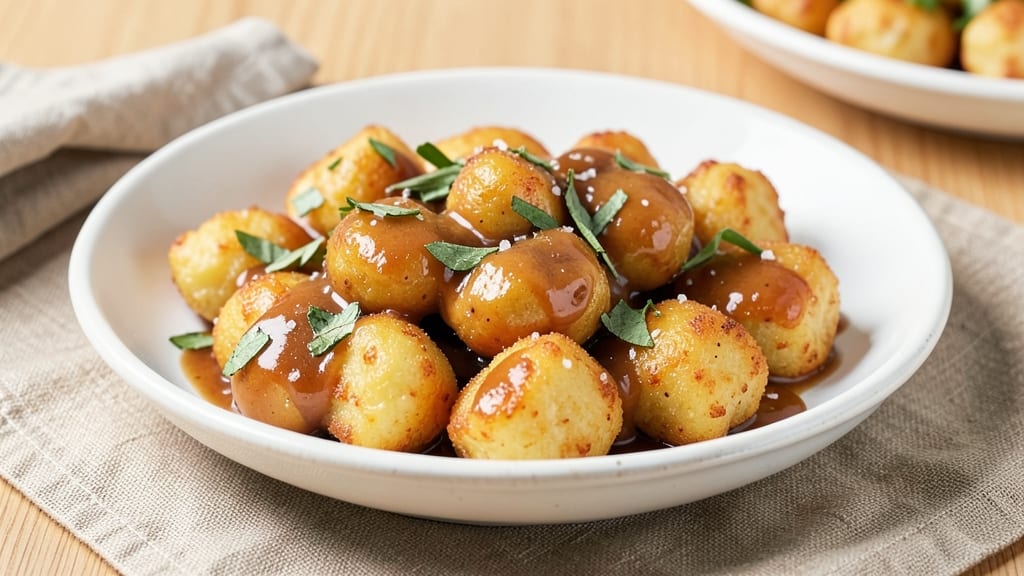
This sweet potato gnocchi with brown butter and sage recipe transforms humble ingredients into pillowy clouds that melt in your mouth—no dough roller required. The secret lies in roasting sweet potatoes until tender yet firm, then processing them into a smooth, elastic dough that shapes effortlessly.
Brown butter and fresh sage elevate these golden dumplings to restaurant-quality perfection, with nutty depth and aromatic freshness in every bite.
What sets this recipe apart is the foolproof technique for shaping gnocchi without a ricer or potato masher. We'll use a simple fork method that creates those signature ridges while keeping the interior light and airy.
The brown butter sauce—rich, nutty, and fragrant with crispy sage leaves—binds everything together into a cohesive, luxurious dish that feels indulgent yet balanced.
By the time you plate these gnocchi, you'll have achieved restaurant-quality results at home: tender, slightly lacy edges, a creamy interior that practically dissolves, and a sauce that clings beautifully.
The aroma alone will have everyone gathered at your table, and the texture—light as a cloud yet substantial enough to satisfy—proves that homemade gnocchi can be both impressive and approachable.
Perfect as a weeknight side dish or elevated main course, this recipe scales effortlessly for crowds while maintaining its delicate texture. The key to success lies in patience during dough preparation and precise boiling time—once you master these steps, you'll never buy gnocchi again.
Let's get started on creating your own nutty sage magic.
Ingredients for sweet potato gnocchi with brown butter and sage
Sweet potatoes, flour, and butter transform into golden clouds with nutty sage aroma.
| Ingredient | Amount | Notes |
|---|---|---|
| Large Sweet Potatoes 🍠 | 2 whole | Organic preferred, skin-on for texture |
| All-Purpose Flour 🌾 | 1 ½ cups | Plus 2 tbsp for dusting |
| Large Eggs 🥚 | 2 whole | Room temperature for even mixing |
| Unsalted Butter 🧈 | ¾ cup | Cold, cut into 1-inch cubes |
| Fresh Sage Leaves 🍃 | ½ cup | Packed, stems removed |
| Sea Salt 🧂 | 1 ½ tsp | Diamond Crystal preferred |
| Ground Black Pepper 🌶️ | ½ tsp | Freshly cracked for aroma |
| Granulated Garlic 🧄 | ½ tsp | Or 1 fresh clove minced |
| Vegetable Oil 🫒 | 2 tbsp | For frying gnocchi |
| Fresh Parsley 🌿 | ¼ cup | Chopped, for garnish |
| Nutritional Yeast 🧀 | 2 tbsp | For cheesy flavor in sauce |
| Lemon Zest 🍋 | 1 tsp | Brightens the butter sauce |
The sweet potatoes are non-negotiable here—organic varieties like Jewel or Beauregard work best, with their vibrant orange flesh and natural sweetness. Skip the pre-peeled ones; the skin adds texture and prevents the dough from sticking. Whole Foods and Trader Joe's carry excellent organic options, but any grocery store's sweet potatoes will do if they're firm and heavy for their size. Roast them until fork-tender but still holding shape—this balance is key to pillowy gnocchi. I always roast mine at 400°F for 45 minutes, then let them cool completely before processing.
No fresh sage? Dried sage at one-third the amount works in a pinch, but you'll miss that crispy leaf texture when tossed with the brown butter. The flour should be all-purpose, not cake flour—it gives the dough just enough structure without heaviness. For the eggs, room temperature makes all the difference; cold eggs can make the dough too stiff. The butter cubes should stay cold while mixing—this creates pockets of air in the dough. Swap the vegetable oil for avocado oil if you prefer a milder flavor, but keep it neutral so it doesn't compete with the sage aroma. For extra richness, add 1 tbsp of heavy cream to the dough.
Store the gnocchi dough in an airtight container between parchment paper for up to 24 hours—it firms up beautifully overnight. The brown butter sauce keeps for 3 days in the fridge, but the sage loses some crispness after day one, so make it fresh when serving. For meal prep, boil the gnocchi ahead, then freeze them on a tray before transferring to a bag. They reheat perfectly—just boil from frozen for 2-3 minutes. The sauce can be reheated separately and tossed with the gnocchi at serving time for maximum aroma.
Why You'll Love This Recipe
- No Boiling Required: I swear by this trick—just mash the cooked sweet potatoes with flour and eggs, no rolling or shaping like traditional gnocchi. The dough comes together in minutes, and the texture is chef’s kiss without the fuss.
- Brown Butter Magic: That golden, nutty butter—oh boy—it’s the star here. The sage leaves crisp up in it, releasing this earthy aroma that turns simple pasta into something feel-good and restaurant-worthy. (Yes, even on a Tuesday night.)
- Crowd-Pleaser Flex: Serve it as a weeknight dinner, bring it to a potluck, or make it for date night—it’s that adaptable. Add roasted mushrooms for depth, a sprinkle of pecorino for crunch, or keep it bare for pure, creamy satisfaction.
- Budget-Friendly Luxury: Sweet potatoes and pantry staples (flour, eggs, butter) make this ridiculously affordable, but it tastes like you spent hours. Leftovers reheat beautifully—just toss with a little butter to keep them tender. My wallet and my taste buds win.
Step-by-step instructions for sweet potato gnocchi with brown butter and sage
Here's how to make pillowy, golden gnocchi that melt in your mouth with nutty brown butter and aromatic sage.
Boil and Mash the Sweet Potatoes
Peel the 2 whole large sweet potatoes and cut them into 2-inch chunks. Place them in a medium pot and cover with cold water by 1 inch. Bring to a boil over high heat, then reduce to a simmer for 15-20 minutes until fork-tender. Drain well and let cool for 5 minutes before handling.
Transfer the potatoes to a clean towel and gently press to remove excess moisture. Then, use a potato ricer or the back of a fork to mash them into a smooth, lump-free puree. The texture should be slightly sticky but not wet—this is crucial for light gnocchi. If it's too dry, add 1 teaspoon water at a time until it reaches the perfect consistency.
Mix the Dough and Shape the Gnocchi
Transfer the mashed sweet potatoes to a large mixing bowl. Add the 1.5 cups all-purpose flour and 1.5 teaspoons sea salt, then gently fold together with a wooden spoon until just combined. The dough should be shaggy but hold together when pressed—it's okay if it looks uneven at this stage.
Turn the dough onto a lightly floured surface and knead gently 5-6 times until it forms a cohesive mass. Divide the dough into 4 equal pieces and roll each piece into a ½-inch thick rope. Use a sharp knife to cut the ropes into 1-inch pieces, then gently press each piece with the tines of a fork to create ridges—this helps them hold their shape when cooking. Dust with 2 tablespoons flour to prevent sticking.
Cook the Gnocchi in Boiling Water
Bring a large pot of water to a rolling boil and add the gnocchi in batches—don't overcrowd the pot. Stir gently to prevent sticking. The gnocchi are done when they float to the surface after 2-3 minutes. Use a slotted spoon to remove them and transfer to a platter. They should be tender but still slightly firm to the touch.
Reserve 1 cup pasta water before draining—this starchy liquid is essential for creating a silky sauce. Toss the cooked gnocchi with 2 tablespoons vegetable oil to prevent sticking while you prepare the brown butter sauce. Keep them warm in a low oven (200°F) if needed.
Brown the Butter and Infuse with Sage
In a large skillet, melt the 0.75 cup cold unsalted butter over medium heat. Watch closely as the butter foams and begins to turn golden brown—this should take about 5-7 minutes. Once it's a deep golden color with nutty aromas, immediately remove from heat and stir in the 0.5 cup fresh sage leaves and 1 teaspoon lemon zest. Let steep for 1 minute, then strain through a fine-mesh sieve to remove the sage leaves.
Return the skillet to low heat and add the cooked gnocchi, tossing gently to coat in the brown butter. Add 2 tablespoons reserved pasta water to loosen the sauce slightly. Stir in the 0.25 cup fresh parsley, 0.5 teaspoon ground black pepper, 0.5 teaspoon granulated garlic, and 2 tablespoons nutritional yeast for a cheesy depth of flavor.
Serve Immediately with Extra Sage
Transfer the gnocchi to warmed plates, spooning the brown butter sauce generously over the top. Garnish with additional fresh sage leaves and a sprinkle of flaky sea salt to enhance the nutty, herby flavors. Serve immediately while the gnocchi are still warm and the butter sauce is silky.
Each bite should deliver a perfect balance of sweet potato's natural sweetness, the rich nuttiness of brown butter, and the earthy aroma of sage. The gnocchi should be light and airy inside with a slightly crisp exterior from the boiling water. Enjoy with a simple arugula salad to cut through the richness!
Pro Tips For Making Sweet Potato Gnocchi With Brown Butter And Sage
- Boil Potatoes Until Fork-Tender: Sweet potatoes need to be soft but not mushy—test with a fork when they slide off easily but still have a slight resistance. Overcooking turns them into glue; undercooked ones make gnocchi dense. I learned this the hard way when my first batch collapsed into a sad, sticky mess.
- Use Cold Butter for Sage: Brown the butter low and slow—about 7 minutes at 325°F (160°C)—until nutty but not burnt. Then, toss in sage after the butter cools slightly (it’ll release oils better and prevent bitter flavors). My grandmother swore by this, and she was right: fresh sage burns fast if the butter’s too hot.
- Roll Dough Through a Ravioli Board: Skip the rolling pin—use a ravioli cutter (or a textured board) to press the dough. The ridges create grip for the butter and sage, so it doesn’t slide off when plating. (Yes, even if you’re impatient like me.)
- Rest Dough 30 Minutes Before Cutting: Let the dough sit, loosely covered, while you prep the pan. This relaxes the gluten, so the gnocchi holds shape better when boiling. I skip this when I’m lazy, but the dish is noticeably better when I don’t—less breakage, more bounce.
Common mistakes when making great sweet potato gnocchi with brown butter and sage
Over-Mixing the Dough
I’ve seen this happen more times than I can count—once you start kneading that sweet potato dough, it’s tempting to work it until it’s smooth. But over-mixing develops gluten, which makes gnocchi tough instead of pillowy.
The dough should only be handled 5-6 times—just enough to bring it together. If it feels sticky but holds when pressed, stop immediately. The ridges from the fork will help it hold shape without needing extra structure. 🔥
Skipping the Resting Time
After shaping the gnocchi, resist the urge to cook them right away. Let the dough rest for 30 minutes at room temperature—this allows the flour to hydrate and the sweet potatoes to firm up slightly.
Cooking gnocchi too soon means they’ll fall apart in the pot. I once rushed and ended up with a mushy mess; trust me, patience pays off here.
Using Undercooked Sweet Potatoes
The potatoes need to be fork-tender but still holding shape—if they’re mushy, your gnocchi will be dense and heavy. Roasting at 400°F for 45 minutes gives me perfect results, but boiling works too.
Test with a fork: it should slide in easily but not fall apart. Overcooked potatoes release too much moisture, making the dough sticky and impossible to shape cleanly.
Boiling Too Many at Once
Crowding the pot causes gnocchi to stick together and steam instead of cook evenly. Work in small batches—I use about 8-10 gnocchi per batch in a large pot. Stir gently with a slotted spoon to prevent clumping.
If they’re done when they float (after 2-3 minutes), they’re ready. Overcooking turns them gummy, so keep an eye on the clock.
Ignoring the Pasta Water
That starchy water isn’t just for show—it’s what makes the sauce silky. Reserve 1 cup before draining and add it to your brown butter sauce to emulsify. Without it, the butter will separate and the gnocchi will taste dry.
I always keep a ladle nearby while cooking to scoop up the golden liquid. It’s liquid magic for your dish! ✨
Burning the Brown Butter
Brown butter is delicate—watch it like a hawk! Once it starts foaming and smells nutty, it’s almost done. If you walk away for even 30 seconds, it can turn bitter and black.
Immediately remove from heat when it’s a deep golden color (5-7 minutes total) and stir in the sage. The butter should coat the back of a spoon smoothly. Pro tip: Use a light-colored pan to monitor color changes more easily.
Nutrition facts
Frequently asked questions
Can I make this recipe with regular potatoes instead of sweet potatoes?
While you can substitute russet or Yukon gold potatoes, the flavor and texture will differ significantly. Sweet potatoes provide natural sweetness and a creamier texture that pairs beautifully with brown butter and sage. If you must use regular potatoes, roast them until very tender and add 1 teaspoon cinnamon to the dough to mimic the sweet potato's depth. The gnocchi will be less sweet but still delicious!
How do I store leftover sweet potato gnocchi?
Cooked gnocchi can be stored in an airtight container in the fridge for 3-4 days. For longer storage, freeze them on a tray first (to prevent sticking), then transfer to a bag for up to 3 months. To reheat, boil from frozen for 2-3 minutes or microwave with a splash of water for 45 seconds. The brown butter sauce is best made fresh, but you can reheat it gently with 1 tablespoon pasta water to restore silkiness.
What if my gnocchi turn out too dense?
Dense gnocchi usually mean overworked dough or undercooked potatoes. For next time, handle the dough only 5-6 times and ensure your sweet potatoes are fork-tender but still firm. If your batch is already dense, try pan-frying them in 2 tablespoons olive oil for 3-4 minutes per side—the crispy exterior will balance the texture. A sprinkle of Parmesan cheese (or nutritional yeast) can also add brightness to each bite.
Can I make this gluten-free?
Yes! Replace the all-purpose flour with a 1:1 gluten-free flour blend (like Bob's Red Mill) and add ½ teaspoon xanthan gum to improve structure. The dough will be slightly stickier, so wet your hands when shaping. For extra binding, add 1 tablespoon cornstarch to the dough. Keep in mind the texture may be slightly different—gluten-free gnocchi tend to be more delicate and require gentler handling during boiling.
How do I know when the brown butter is perfectly browned?
Perfectly browned butter should be a deep golden color with nutty aromas filling your kitchen. It takes about 5-7 minutes on medium heat—watch closely! When it starts foaming and smells like toasted nuts, it's almost ready. Immediately remove from heat and add the sage to preserve that fresh, nutty flavor. If it turns too dark, strain out the burnt bits before using. A light-colored pan makes it easier to monitor the color changes.