
Side Dishes
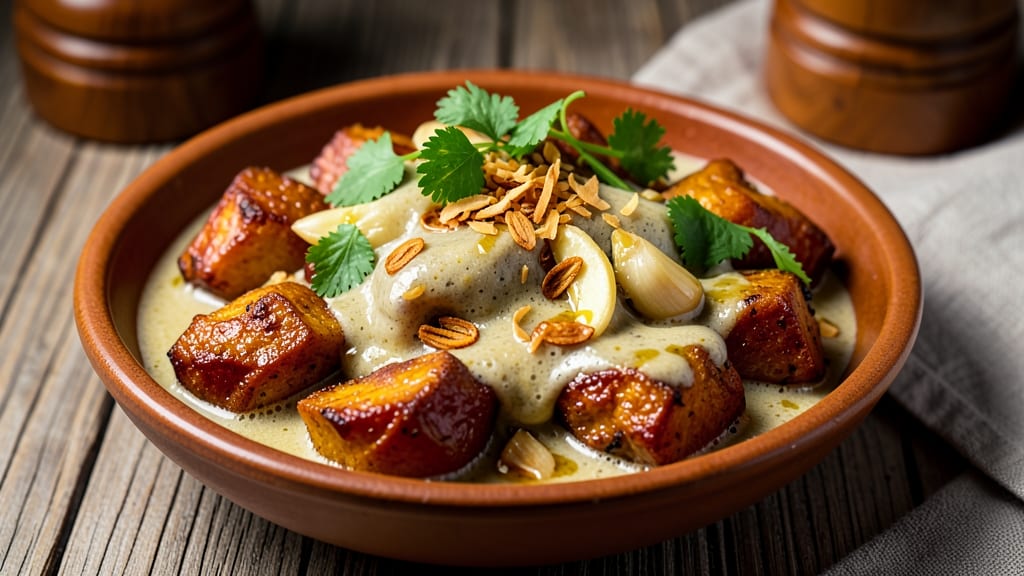
This Kerala sweet potato recipe transforms humble roots into a fragrant, spiced coconut curry that's the heart of every festive meal. The secret lies in slow-cooked sweet potatoes infused with Kerala's signature spices—black pepper, curry leaves, and a touch of mustard seeds—that create layers of warmth and earthiness.
What makes this dish special is how the coconut milk reduction thickens into a velvety sauce that clings perfectly to each tender piece.
The authentic technique begins with a tempering of whole spices in coconut oil, releasing their aromatic oils before the sweet potatoes are added. This method ensures every bite carries that signature Kerala flavor profile—slightly sweet, deeply spiced, and richly textured.
The dish pairs beautifully with steamed rice and a side of yogurt to balance the richness, making it both comforting and balanced.
What you'll achieve is a curry so tender it melts in your mouth, with sweet potatoes that absorb the coconut milk's creaminess while maintaining their natural sweetness. The spices don't overpower but instead enhance the sweetness, creating a harmony that's both simple and sophisticated.
This is the kind of dish that brings families together—whether for a special occasion or a regular weeknight dinner.
Perfect for serving at gatherings or meal prepping for the week, this recipe delivers restaurant-quality results with minimal effort. The slow cooking process allows flavors to meld deeply, while the coconut milk adds a luxurious touch that elevates simple sweet potatoes into something extraordinary. Let's create this Kerala classic together.
Ingredients for sweet potato kerala
Kerala's aromatic spices meet tender sweet potatoes in this velvety coconut curry.
| Ingredient | Amount | Notes |
|---|---|---|
| Sweet Potatoes 🍠 | 2 lb | Medium-sized, peeled and cubed |
| Coconut Milk 🥥 | 1 can | Full-fat, 13.5 oz can |
| Coconut Oil 🫒 | ½ cup | Refined for neutral flavor |
| Yellow Onions 🧅 | 1 whole | Finely chopped |
| Garlic Cloves 🧄 | 6 cloves | Minced, fresh preferred |
| Fresh Ginger 🌿 | 1 ½ tbsp | Grated, fresh preferred |
| Curry Leaves 🌿 | ½ cup | Fresh, lightly crushed |
| Mustard Seeds 🌶️ | 1 tsp | Whole, yellow variety |
| Ground Black Pepper 🌶️ | ½ tsp | Freshly ground preferred |
| Ground Cumin 🌿 | ½ tsp | Toasted for depth |
| Ground Coriander 🌿 | ½ tsp | Freshly ground preferred |
| Turmeric Powder 🌶️ | ¼ tsp | Bright yellow color |
| Salt 🧂 | 1 tsp | Kosher or sea salt |
| Tomatoes 🍅 | 2 whole | Medium, ripe, chopped |
The heart of this dish lies in the spices—curry leaves and mustard seeds are essential for authentic flavor. Penzeys Spices or local Indian grocers carry the best quality curry leaves, while Whole Foods bulk bins offer excellent mustard seeds. Fresh ginger and garlic should have vibrant color and no signs of mold. For the sweet potatoes, orange-fleshed varieties work best—avoid those with green spots. The coconut milk should be full-fat for maximum creaminess, and Thai Kitchen brand is widely available in most supermarkets. If you can't find curry leaves, substitute with bay leaves at half the amount, though the flavor won't be identical.
No curry leaves? Fresh bay leaves can substitute at half the amount, but the flavor profile will differ. For the ginger, powdered ginger at one-third the amount works in a pinch, though fresh is preferred. The tomatoes can be swapped for 1 cup tomato sauce if you're short on time. For extra richness, add 1 tbsp coconut cream at the end. The sweet potatoes should be peeled and cut into even-sized cubes to ensure uniform cooking. If using pre-peeled sweet potatoes, rinse them thoroughly to remove any excess moisture that could dilute the spices. The mustard seeds should be toasted in the coconut oil until they pop—this releases their aromatic oils and forms the flavor base of the curry.
This curry tastes even better the next day as flavors meld together. Store in an airtight container in the refrigerator for up to 5 days. For longer storage, freeze portions in 1-cup containers for up to 3 months. The coconut milk solidifies when chilled, so gently reheat on the stove with a splash of water to restore its creamy texture. Serve with steamed basmati rice to complement the dish's rich flavors. The curry leaves can be removed before serving if their strong aroma is too intense for some palates.
Why You'll Love This Recipe
- One-Pot Magic: I swear by this recipe when I’m too tired to scrub pots—just toss everything in one pan. The sweet potatoes caramelize right alongside the onions, and the coconut milk turns everything velvety without extra cleanup.
- Creamy Garlic Hug: That first bite? The garlic cloves sizzle in coconut oil until they’re golden, then the coconut milk smooths it all into a rich, aromatic sauce. It’s like a warm, spiced blanket for your taste buds.
- Lunchbox Hero: Between us, this is my go-to for packed lunches or quick dinners. The flavors only get better the next day, and it reheats like a dream—no mushy sweet potatoes here.
- Budget Comfort: Sweet potatoes and coconut milk stretch way further than you’d think, and I’ve made this for $5 a serving. Honestly, it’s the kind of dish that makes me feel like I’m treating myself without breaking the bank.
Step-by-step instructions for sweet potato Kerala curry
Aromatic spices and tender sweet potatoes create this rich coconut curry. Here's how to build layers of flavor for a dish that balances sweetness and spice perfectly.
Prepare the Sweet Potatoes for Even Cooking
Peel the 2 lb sweet potatoes and cut them into 1-inch cubes for even cooking. Place them in a large pot of cold water and bring to a boil over medium-high heat. Once boiling, reduce to medium heat and simmer for 10-12 minutes until the cubes are fork-tender but still hold their shape.
Drain immediately and set aside. The sweet potatoes should be soft enough to pierce with a fork but not falling apart—this ensures they'll absorb the coconut milk beautifully without turning mushy. If they're still firm, return them to the pot for another 2-3 minutes of cooking.
Bloom the Spices in Coconut Oil
Heat 0.5 cup coconut oil in a heavy-bottomed pot over medium heat. Add 1 tsp mustard seeds and let them sizzle for 30 seconds until they begin to pop. Add 0.5 cup finely chopped yellow onions and cook for 3-4 minutes until softened but not browned.
Stir in 6 cloves minced garlic, 1.5 tbsp grated fresh ginger, and 0.5 cup lightly crushed curry leaves. Cook for 1-2 minutes until the raw garlic smell disappears and the spices release their aroma. This step builds the flavor foundation—don't rush it, as the spices need time to bloom properly.
Develop the Spice Base
Add 0.5 tsp ground cumin, 0.5 tsp ground coriander, 0.25 tsp turmeric powder, 0.5 tsp ground black pepper, and 1 tsp salt. Stir for 30 seconds to toast the spices lightly, allowing their oils to infuse into the coconut oil.
Next, add the 2 whole chopped tomatoes and cook for 5-6 minutes until they soften and break down into the spice mixture. The sauce should thicken slightly and develop a rich, tangy aroma. This is where the curry's depth comes from—don't skip this reduction step, as it removes excess moisture that could dilute the flavors later.
Combine and Simmer the Curry
Add the cooked sweet potatoes and pour in 1 can coconut milk. Stir gently to combine, then reduce heat to low. Let the curry simmer uncovered for 15-20 minutes, stirring occasionally, until the sweet potatoes are tender and the sauce has thickened to a creamy consistency. The coconut milk will infuse with the spices, creating a velvety texture.
Taste and adjust seasoning if needed—Kerala cuisine balances sweetness and spice, so you may want to add a pinch more salt or a dash of chili powder if you prefer heat. The sweet potatoes should be fork-tender with no resistance, and the sauce should coat the back of a spoon smoothly.
Finish and Rest for Maximum Flavor
Remove from heat and let the curry rest for 5-10 minutes. This allows the flavors to meld and the spices to fully infuse. Serve warm with steamed rice or crusty bread, garnished with a sprinkle of fresh curry leaves for brightness.
The curry should have a rich, aromatic aroma with layers of sweetness from the potatoes, earthy spices, and creamy coconut milk. Each bite should deliver tender sweet potatoes in a velvety sauce that balances sweet, spicy, and umami notes. For best results, serve immediately while the flavors are at their peak.
Pro Tips For Making Sweet Potato Kerala
- Boil Sweet Potatoes Until Fork-Tender: Sweet potatoes for Kerala dishes need to be just underdone—slightly firm in the center when pierced. Overcooking turns them mushy, and you’ll end up with a gluey stew instead of tender, flavorful chunks. Test one early, then adjust boiling time accordingly.
- Toast Onions Low and Slow: Skip the high-heat rush—cook onions in coconut oil on medium-low for 10-12 minutes until deep golden and caramelized. This builds the base flavor without burning, which is the thing that matters most when balancing the coconut milk’s richness.
- Strain Coconut Milk for Smoothness: Store-bought coconut milk often has gritty bits that turn your dish grainy. Strain it through a fine-mesh sieve or cheesecloth before adding—yes, it’s a pain, but your future self will notice the difference in texture.
- Finish with a Splash of Water: If the coconut milk curdles or the sauce thickens too much, rescue it with 2-3 tablespoons of water. Stir gently and simmer for 2 minutes—this keeps the dish creamy without breaking the balance of flavors. (I learned this the hard way after one disastrous batch.)
Regional styles of sweet potato kerala
Kerala's Coastal Style
In coastal Kerala, this curry often features freshly grated coconut instead of canned coconut milk for a lighter, more aromatic profile. Locals use grated coconut (1 cup) sautéed in the oil before adding onions, then cook it until golden before adding other spices.
This technique creates a nutty depth that's distinctly different from the creamy texture of canned coconut milk. 🥥
Temple-Style Preparation
For temple offerings or special occasions, Kerala chefs prepare this dish with sweet potato leaves (called kathalkanni in Malayalam) along with the roots. The leaves are finely chopped and added with the onions during the tempering stage, adding a subtle earthy note.
If you want to try this variation, use about ½ cup chopped leaves and adjust the coconut milk to 1½ cups for balance.
Spice Variations
The classic version uses black pepper, but in some regions, they add green chili powder (½ tsp) for a fruity heat instead. For a milder version, reduce the black pepper to ¼ tsp and add ½ tsp fennel seeds during the tempering stage.
The fennel adds a sweet, licorice-like note that complements the sweet potatoes beautifully.
Festive Presentation
In Kerala, this dish is often served during Onam, the state's biggest harvest festival. For an authentic presentation, arrange the curry in a banana leaf-lined bowl and garnish with fresh coriander sprigs and a drizzle of coconut oil.
The banana leaf imparts a subtle aroma and makes the dish look as delicious as it tastes. Serve with steamed rice and a side of yogurt to balance the richness.
Vegetarian Adaptations
While this dish is naturally vegetarian, some Kerala households add cashew nuts (¼ cup) during the tempering stage for extra richness. Toast the cashews in the coconut oil with the mustard seeds, then grind them lightly before adding the onions.
This creates a luxurious texture that feels like a special occasion treat without compromising the dish's vegetarian nature.
Regional Spice Blends
In the northern districts of Kerala, they often include dried kokum (½ tsp) with the tomatoes to add a tangy depth. For a modern twist, substitute with 1 tsp tamarind paste dissolved in 2 tbsp water.
This variation works particularly well if you prefer a slightly sour note to cut through the sweetness of the potatoes. The tamarind is a common substitute in coastal regions where kokum isn't readily available. 🌶️
Nutrition facts
Frequently asked questions
Can I use regular potatoes instead of sweet potatoes in this Kerala recipe?
Regular potatoes won't work well—this dish relies on the natural sweetness and texture of sweet potatoes. The orange-fleshed variety (like Beauregard) has a perfect balance of sweetness and moisture that absorbs the coconut milk beautifully. If you must substitute, try yams, but they'll have a slightly different flavor profile and may require longer cooking time.
How do I make this curry spicier?
For extra heat, add ½ tsp green chili powder during the tempering stage or stir in 1 tbsp finely chopped green chilies with the garlic and ginger. If you prefer a smoother heat, increase the black pepper to 1 tsp total instead. Always taste before serving—Kerala cuisine balances spice with sweetness, so start with small amounts.
What's the best way to store leftovers?
Store in an airtight container in the refrigerator for up to 5 days. The flavors actually improve overnight as the spices meld! For longer storage, freeze portions in 1-cup containers for up to 3 months. When reheating, add a splash of water or coconut milk to restore creaminess—never microwave directly from frozen.
Can I make this dish in an Instant Pot?
Yes! Sauté the onions, garlic, ginger, and spices as directed, then add the sweet potatoes and coconut milk. Cook on high pressure for 3 minutes, then natural release. The texture will be slightly different but still delicious. For extra richness, finish with 1 tbsp coconut cream after pressure cooking.
Why do my curry leaves burn easily?
Curry leaves are delicate—keep the heat at medium-low when adding them. They should sizzle gently for 30 seconds max before adding other ingredients. If they turn black, remove them immediately and start fresh. Fresh curry leaves are essential for authentic flavor—dried leaves won't work the same way.