
Side Dishes
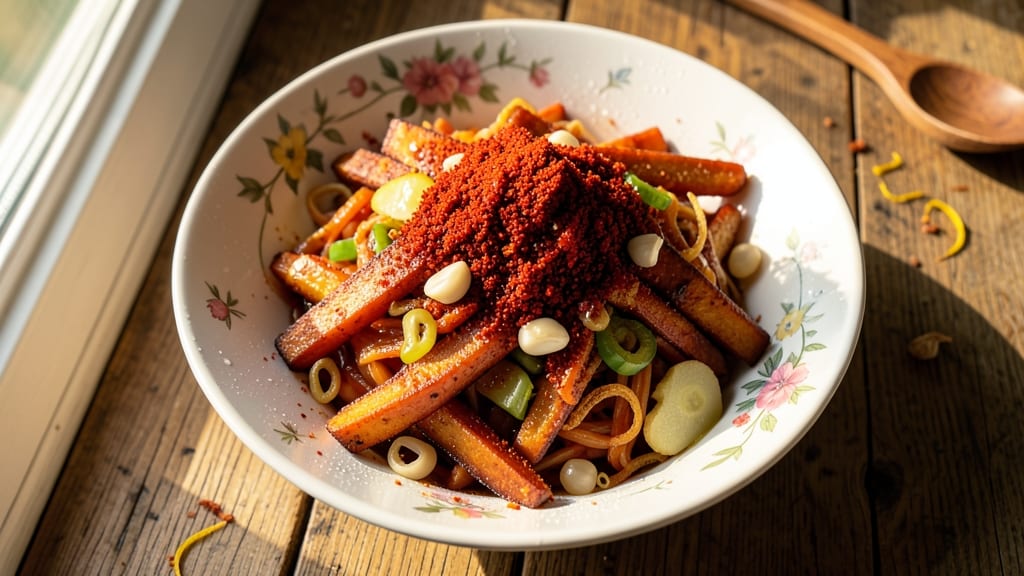
This vegan sweet potato kimchi recipe transforms humble sweet potatoes into a vibrant, tangy-sweet fermented side dish that bridges two culinary worlds. The process starts with thinly julienned sweet potatoes—roasted until tender and caramelized—then combined with a fiery kimchi paste of chili, garlic, and ginger.
Fermentation transforms the flavors over 24–72 hours, creating a dish that’s both probiotic-rich and deeply satisfying.
What sets this recipe apart is the balance of textures and flavors: the natural sweetness of the sweet potatoes contrasts beautifully with the sharp, fermented heat of the kimchi. The fermentation process is simple but critical—sterilized jars, proper airlocks, and room-temperature fermentation ensure safety while developing complex, umami-rich flavors.
This isn’t just a side dish; it’s a flavor-packed addition to bowls, rice, or even as a topping for plant-based proteins.
The key to success lies in the prep: roasting the sweet potatoes until they’re tender but still hold their shape, then cooling them completely before fermenting to prevent mold. The kimchi paste, made with gochugaru (Korean chili flakes), garlic, ginger, and fish-free seasoning, delivers the signature tang and spice.
Once fermented, the result is a dish that’s as nutritious as it is delicious—packed with fiber, probiotics, and a depth of flavor that keeps you reaching for seconds.
Whether you’re serving it alongside rice, blending it into bowls, or enjoying it as a standalone snack, this sweet potato kimchi delivers restaurant-quality results with a fraction of the effort.
The best part? It gets better with time, so the longer it ferments, the more complex and delicious it becomes. Ready to ferment something extraordinary?
Ingredients for sweet potato kimchi
Sweet potatoes, chili flakes, and garlic—simple ingredients for extraordinary fermented flavor.
| Ingredient | Amount | Notes |
|---|---|---|
| Sweet Potatoes 🍠 | 2 lb | Julienned into thin matchsticks |
| Gochugaru (Korean Chili Flakes) 🌶️ | ½ cup | Adjust for spice preference |
| Garlic Cloves 🧄 | 6 cloves | Minced for depth of flavor |
| Fresh Ginger 🌿 | ¼ cup | Finely grated, peeled |
| Apple Cider Vinegar 🍎 | ½ cup | Raw, unfiltered preferred |
| Coconut Sugar 🍯 | ¼ cup | Or sub maple syrup |
| Salt 🧂 | 2 tbsp | Diamond Crystal preferred |
| Sesame Seeds 🌰 | 1 tbsp | Toasted for nutty crunch |
| Extra-Virgin Olive Oil 🫒 | 2 tbsp | For jar coating |
| Water 💧 | ½ cup | Filtered preferred |
| Vegetable Broth 🥕 | ½ cup | Low-sodium for balance |
| Asian Pear or Apple 🍎 | 1 whole | For natural sweetness |
The sweet potatoes are the heart of this recipe, so pick firm, vibrant orange ones—the deeper the color, the sweeter and more flavorful. Trader Joe's or local Asian markets usually carry the best varieties, but any sweet potato works. Thinly julienne them (about 1/8-inch thick) for even roasting. Roast until tender but still holding shape—this prevents mushiness during fermentation. For the gochugaru, Maesil Food's brand is my go-to, but any Korean chili flakes will do. If you can't find it, a mix of cayenne and paprika works in a pinch, though the flavor won't be exactly the same.
No gochugaru? Substitute cayenne plus smoked paprika at a 2:1 ratio, but expect less depth. Fresh ginger is ideal, but powdered works at half the amount if you're in a bind. The apple cider vinegar should be raw and unfiltered—Bragg's or local orchard brands are perfect. For the sweetener, coconut sugar adds caramel notes, but maple syrup or agave work beautifully too. The vegetable broth adds umami without overpowering—low-sodium versions prevent excess saltiness. The Asian pear or apple is key for natural sweetness and fermentation balance; if unavailable, a pinch of citric acid mimics its effect.
Roasted sweet potatoes keep for 3 days in the fridge if stored airtight, but ferment them ASAP for best texture. The kimchi paste (everything except sweet potatoes) stays fresh for 1 week refrigerated—perfect for batch prep. Fermented kimchi lasts 1 month refrigerated, with flavors peaking at 3-5 days. For longer storage, freeze portions for up to 6 months. Always use sterilized jars with proper airlocks—Korean fermenting jars are ideal, but any clean, airtight container works.
Why You'll Love This Recipe
- Sweet Potato Magic: I swear, the caramelized edges on those roasted sweet potatoes—paired with the funky tang of vinegar and gochugaru—are chef’s kiss. The garlic and ginger hit just right, like a cozy hug for your taste buds.
- One-Pan Wonder: Honestly, this is my lazy-day hero. Toss everything on a sheet pan, roast, then toss in the sauce—no chopping, no fuss. My kids even help "stir the magic" (aka dump everything together).
- Leftover Goldmine: Between us, this keeps perfectly for days. Cold or warm, it’s amazing in rice bowls, scrambled eggs, or straight from the jar. I’ve eaten it for breakfast, lunch, and dinner—no judgment.
- Budget-Friendly Heat: Sweet potatoes and vinegar stretch your dollar, but the gochugaru and ginger make it feel fancy. It’s the kind of dish where you get restaurant-level flavor without the price tag. (Yes, even on a Tuesday night.)
Step-by-step instructions for fermenting sweet potato kimchi
Here's how to transform roasted sweet potatoes into vibrant, tangy kimchi with layers of spicy-sweet flavor.
Roast the Sweet Potatoes for Depth of Flavor
Preheat your oven to 400°F. Peel the 2 lb sweet potatoes and cut them into thin matchsticks using a mandoline or sharp knife. Toss the matchsticks with 2 tablespoons extra-virgin olive oil and spread them in a single layer on a parchment-lined baking sheet.
Roast for 25-30 minutes, stirring halfway, until the edges are deep golden brown and slightly caramelized. You want them tender but still holding their shape—think of perfectly roasted sweet potato fries. Let them cool completely before proceeding; this prevents excess moisture in your kimchi.
Build the Spicy-Sweet Paste
In a large bowl, combine 0.5 cup gochugaru, 6 minced garlic cloves, 0.25 cup finely grated fresh ginger, 0.25 cup coconut sugar, 2 tablespoons salt, and 1 tablespoon toasted sesame seeds. Add 0.5 cup apple cider vinegar and 0.5 cup vegetable broth, then mix vigorously until you get a thick, vibrant paste.
Here's the thing—this paste should be sticky enough to cling to the sweet potatoes but still spreadable. If it's too dry, add 1-2 tablespoons water to loosen it. The paste carries all the fermented heat and sweetness, so don't skimp on mixing. The color should be a deep, fiery red with flecks of garlic and ginger throughout.
Marinate the Sweet Potatoes
Add the cooled roasted sweet potatoes to the paste and toss everything together with your hands or a sturdy spoon. You want every matchstick coated in that spicy-sweet mixture. Let it marinate for 15-20 minutes at room temperature while you prepare the next step.
This resting period allows the flavors to meld and the sweet potatoes to absorb the marinade. If you're impatient, you can speed this up by massaging the mixture vigorously for 5 minutes, but I find the wait worth it for deeper flavor development.
Add the Pear or Apple for Balance
Core and dice the 1 whole Asian pear or apple into small chunks (about 1 cup total). Add these to the sweet potato mixture along with 0.5 cup water. The fruit adds natural sweetness that balances the spicy heat and prevents the kimchi from becoming too sharp during fermentation.
Gently toss everything together one final time. The fruit should be evenly distributed—this is where the kimchi gets its signature sweet-tangy complexity. The water helps create the right moisture level for fermentation without making the mixture watery.
Pack and Ferment for Maximum Flavor
Transfer the kimchi to a clean, airtight glass jar and press down firmly to eliminate air pockets. Leave about 1 inch of space at the top—this prevents spills during fermentation. Seal the jar and let it ferment at room temperature for 2-3 days, opening the lid daily to release built-up gases.
After 2-3 days, transfer the jar to the refrigerator where it will continue fermenting slowly. Taste it after 1 week—it should be tangy, slightly sweet, and packed with spicy heat. The sweet potatoes will be tender with a perfect bite, and the flavors will have melded into a harmonious balance. Your kimchi will keep improving for 2-3 weeks in the fridge.
Pro Tips For Making Sweet Potato Kimchi
- PARBOIL THEN ROAST: Sweet potatoes are stubborn—if you skip the quick parboil (5-7 minutes in salted water), they’ll turn to mush when you roast them later. After draining, hit them with high heat in the oven (425°F) for 20-25 minutes, flipping halfway, until they’re tender but still hold their shape. Trust me, the texture difference is night and day.
- GRATE GINGER FINE: I used to chop ginger roughly, thinking it’d blend in fine. Wrong. For sweet potato kimchi, you want the ginger to dissolve into the mix, not sit in chunks. Use the small holes of a box grater or pulse it in a food processor until it’s almost paste-like—this way, every bite gets that warm, spicy depth.
- TOAST GOCHUGARU FIRST: Raw gochugaru tastes harsh and bitter. Dry-toast it in a pan for 1-2 minutes until it smells fragrant and deepens in color—this step cuts the sharpness and brings out the sweetness in the sweet potatoes. Just don’t walk away; it burns faster than you think.
- VINEGAR LAST, NOT FIRST: Adding vinegar too early makes the sweet potatoes soggy before they’ve had a chance to caramelize. Toss it in with the garlic, ginger, and gochugaru right after roasting, when everything’s hot. The acid will brighten the flavors without turning your kimchi into a sad, watery mess.
Storing and reheating your sweet potato kimchi
Fridge Storage Tips
Once your sweet potato kimchi has fermented for 2-3 days at room temperature, transfer it to the refrigerator where it will continue developing flavor safely. Store it in a sterilized glass jar with an airtight seal—I use Korean fermenting jars or Le Parfait mason jars for best results.
The kimchi will keep improving for 2-3 weeks in the fridge, with flavors peaking at 1-2 weeks. Always leave 1 inch of headspace to prevent spills during fermentation. 💫
Freezing for Later
For longer storage, portion your kimchi into freezer-safe bags or airtight containers, leaving ½ inch headspace for expansion. Freeze for up to 6 months—this works best if you’ve already refrigerated it for at least 3 days to develop initial flavors.
When ready to use, thaw overnight in the fridge and give it a quick stir to redistribute any separated juices. The texture may soften slightly after freezing, but the flavor remains vibrant.
Reheating Safely
Reheat kimchi gently to preserve its probiotic benefits. For stovetop reheating, transfer to a saucepan with 2 tablespoons water and simmer over low heat for 3-5 minutes until warmed through.
For microwave reheating, cover with a damp paper towel and heat in 30-second intervals, stirring between each, until reaching 165°F. Avoid boiling—this can kill beneficial bacteria and alter the texture. The best approach? Eat it cold or at room temperature for maximum freshness. ✨
Reviving Texture
If your kimchi develops a watery layer after refrigeration, don’t toss it! Simply drain the liquid (save it for broth or marinades) and pack the kimchi back into a clean jar. Add 1 teaspoon toasted sesame seeds and ½ teaspoon gochugaru to refresh the flavors.
The texture will firm up within 12 hours as excess moisture evaporates. This trick works especially well if you’ve stored it for 3+ weeks—it’s like giving your kimchi a second chance at perfection. 🌶️
Fermentation Safety
Always prioritize sterilization to prevent mold or bad bacteria. Wash jars and utensils with hot, soapy water, then rinse with boiling water. Use filtered water for the recipe to avoid contaminants.
If you notice foul odors, excessive fizzing, or mold during fermentation, discard the batch immediately—these are signs of spoilage. Trust your senses: good kimchi should smell tangy and slightly sweet, not rotten or sour. When in doubt, toss it out! 💡
Nutrition facts
Frequently asked questions
Can I use regular potatoes instead of sweet potatoes?
Sweet potatoes are ideal because their natural sweetness balances the spicy kimchi flavors beautifully. Regular potatoes would make the dish too starchy and less flavorful. If you're set on using them, try red or Yukon Gold potatoes for better texture, but expect a less sweet, more neutral taste.
How do I adjust the spice level?
Start with the 0.5 cup gochugaru as written, then taste before fermenting. For milder heat, reduce to 0.25 cup and add 1 teaspoon extra honey or maple syrup to compensate. For extra spice, increase to 0.75 cup gochugaru and add ½ teaspoon cayenne pepper for a fiery kick. Adjust after fermentation too—just add more chili flakes to the jar!
What if my kimchi smells bad during fermentation?
Trust your nose—good kimchi should smell tangy and slightly sweet, never rotten or putrid. If you detect foul odors, excessive fizzing, or mold, discard the batch immediately. This usually happens from improper sterilization or using contaminated ingredients. Always use filtered water, sterilized jars, and fresh produce to prevent spoilage.
Can I make this kimchi without gochugaru?
Yes! Mix ¼ cup cayenne pepper with ¼ cup smoked paprika for a close substitute. For a sweeter heat, add 1 teaspoon cinnamon to the paste. The flavor won't be identical, but it'll still deliver that spicy-sweet profile. If you're avoiding all chili, use 2 tablespoons mustard powder and 1 tablespoon turmeric for color and tang.
How long should I ferment it for the best flavor?
Ferment at room temperature for 2-3 days, then refrigerate. Taste after 1 week—it should be tangy with a perfect bite. For deeper flavor, ferment up to 2 weeks in the fridge. The sweet potatoes will soften over time, so pull it out when you prefer the texture. The longer it ferments, the more complex the flavors become!