
Side Dishes
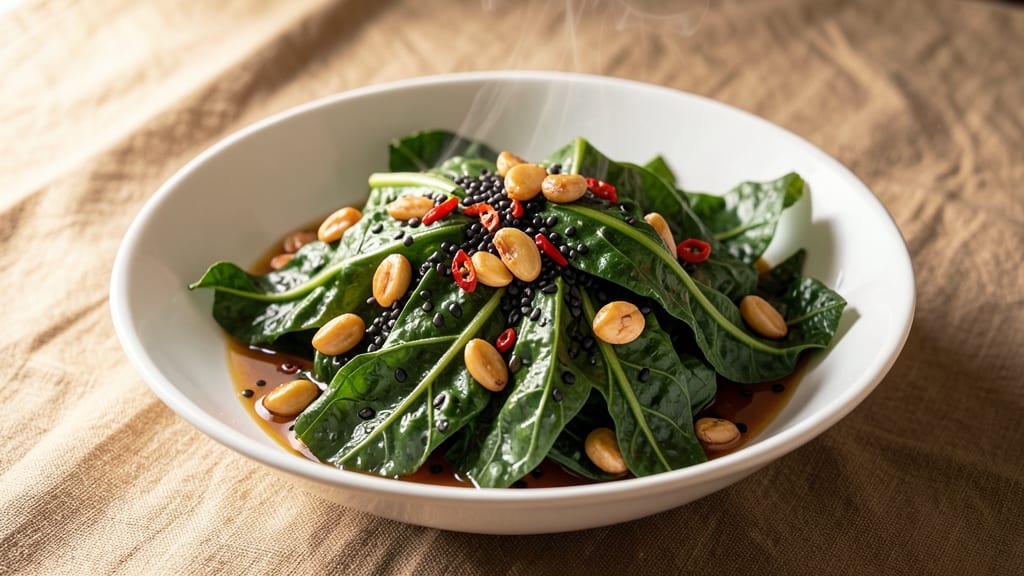
This Chinese-style sweet potato leaves recipe transforms humble greens into a vibrant, garlicky-chili side dish that pairs perfectly with rice or noodles. The secret lies in quick stir-frying, which preserves their bright color and tender-crisp texture while infusing bold flavors.
I first discovered this recipe during a visit to a Shanghai street market, where vendors wok-fried these leaves with just garlic, chili, and a splash of soy sauce—simple yet deeply satisfying.
What makes this dish special is its versatility and health benefits. Sweet potato leaves (also called kong xing cai) are packed with vitamins A and C, and their slightly bitter, earthy flavor mellows beautifully when cooked with aromatic garlic and chili.
The stir-frying process takes just 10 minutes, making it ideal for busy weeknights or as a quick side for takeout-style meals. For extra depth, you can add mushrooms or tofu, but the classic version relies on the leaves’ natural flavor.
The result is a dish that’s as nutritious as it is delicious—bright green, aromatic, and packed with heat from the chili. The garlic softens slightly, releasing its sweetness, while the soy sauce adds umami richness.
This recipe is naturally vegetarian and gluten-free, yet it delivers the kind of bold, savory punch that elevates any meal. Serve it alongside steamed rice or noodles for a complete, balanced plate.
Whether you’re cooking for a family dinner or meal prepping for the week, this stir-fry is a foolproof way to enjoy fresh greens with minimal effort. The technique is straightforward, but the flavor payoff is undeniable. Let’s get started—your taste buds (and your health) will thank you.
Ingredients for sweet potato leaves chinese
Fresh greens meet bold flavors—garlic, chili, and soy sauce transform these leaves into a vibrant, health-packed side.
| Ingredient | Amount | Notes |
|---|---|---|
| Sweet Potato Leaves (Kong Xing Cai) 🥬 | 12 oz | Fresh, stems trimmed, leaves chopped |
| Garlic Cloves 🧄 | 6 cloves | Minced finely for aromatic punch |
| Dried Red Chili Flakes 🌶️ | 1 tbsp | Adjust for heat preference |
| Light Soy Sauce 🍶 | 2 tbsp | For umami depth (gluten-free if needed) |
| Sesame Oil 🫒 | 1 tbsp | Toasted for nutty aroma |
| Neutral Oil (Vegetable or Peanut) 🫒 | 2 tbsp | High smoke point for stir-frying |
| Fresh Ginger 🧡 | 1 tsp | Finely grated for zesty brightness |
| Green Onion 🧅 | 2 whole | Thinly sliced for garnish |
| Salt 🧂 | ½ tsp | Kosher or sea salt for seasoning |
| White Pepper 🌶️ | ¼ tsp | Freshly ground for subtle heat |
| Lime Juice 🍋 | 1 tbsp | Freshly squeezed for brightness |
| Shiitake Mushrooms (optional) 🍄 | 4 whole | Sliced for extra umami depth |
The sweet potato leaves are the star—look for bright green, crisp leaves at Asian markets or well-stocked grocery stores. H Mart or 99 Ranch Market usually carry them fresh, but if you can't find them, substitute with mustard greens or spinach (though the flavor won't be identical). The garlic should be freshly minced—pre-minced jarred garlic lacks the aromatic punch. For chili flakes, Lao Gan Ma or Chili Crunch brands add authentic heat. If you're feeling adventurous, toast the chili flakes in the oil first to deepen their flavor.
No soy sauce? Coconut aminos work in a pinch for gluten-free needs, though the flavor will be slightly different. Running short on sesame oil? Toasted peanut oil gives a similar nutty note. The ginger is optional but adds a zesty kick—if you skip it, just double the garlic for extra aroma. For the mushrooms, shiitake or oyster mushrooms add umami without overpowering the leaves. If you're meal prepping, store the cooked leaves separately from the sauce to keep them crisp.
These leaves reheat beautifully—just toss with a splash of water and a pinch of salt. They keep for 4-5 days in the fridge, though they'll wilt faster than sturdier greens. For longer storage, blanch the leaves for 30 seconds, then freeze in airtight containers for up to 3 months. The sauce components (soy, sesame oil, lime) can be prepped ahead and stored separately. Garnish with green onions right before serving—they add freshness that fades quickly once chopped.
Why You'll Love This Recipe
- No-Chop Nightmare: I swear, these leaves are the only greens I’ll ever buy—just tear them, no knife required. The stems? Toss them in too—no waste, no fuss, and that earthy garlic-chili punch makes up for any "imperfections."
- Umami Bomb: That light soy and sesame oil combo? It’s like a flavor shortcut I didn’t know I needed. The dried chilies add heat without overpowering, and the garlic? Oh, it caramelizes just enough to make every bite sing.
- Leftover Goldmine: This dish actually improves the next day—wilted leaves soak up the sauce better, and reheating? Just 2 minutes in a pan with a splash of water. My lunchbox’s new best friend.
- Pantry Stash Winner: Dried chilies, garlic, and soy sauce? Ingredients I already own. Sweet potato leaves freeze like a dream, so I stock up when they’re cheap. Budget-friendly, shelf-stable, and still tastes like a restaurant took 30 minutes to make it.
Step-by-step instructions for wok-fried sweet potato leaves
This vibrant stir-fry delivers bold flavors with minimal effort—let's bring those sweet potato leaves to life.
Prepare the Greens and Aromatics
Start by thoroughly washing the 12 oz sweet potato leaves (kong xing cai) under cold running water to remove any dirt. Remove the thick stems and chop the leaves into 2-inch pieces—this size ensures even cooking and maximum surface area for flavor absorption. I like to work in batches if needed, as these leaves can be quite voluminous when chopped.
While the greens soak up water, mince the 6 cloves garlic into a fine paste using a mortar and pestle or the flat side of your knife. This creates more surface area for better flavor infusion. Finely grate the 1 tsp fresh ginger and thinly slice the 2 whole green onions, setting aside the green tops for garnish. If using, slice the 4 whole shiitake mushrooms into thin strips—this optional addition adds wonderful umami depth.
Stir-Fry the Aromatics and Mushrooms
Heat a wok or large skillet over high heat until it's smoking hot. Add 2 tablespoons neutral oil (vegetable or peanut) and swirl to coat the surface. Add the minced garlic and grated ginger, stirring constantly for 30 seconds until they become fragrant and just begin to turn golden. This quick cooking prevents bitterness and maximizes their aromatic potential.
If using shiitake mushrooms, add them now and stir-fry for 2 minutes until they release their moisture and begin to brown. Remove them with a slotted spoon and set aside—we'll add them back later to preserve their texture. The mushrooms should be tender but still holding their shape, not mushy. Keep the wok at high heat for the next step.
Cook the Sweet Potato Leaves
Add the chopped sweet potato leaves to the wok in batches if needed to avoid crowding. Stir-fry vigorously for 2-3 minutes until they begin to wilt and turn vibrant green. You'll notice the leaves release moisture—this is normal and actually helps distribute the flavors. If the leaves appear too dry, add a splash of water and continue cooking.
Here's where the magic happens: sprinkle the 1 tablespoon dried red chili flakes evenly over the greens and toss immediately. The chili will infuse its heat throughout the leaves as they cook. Add the 2 tablespoons light soy sauce and 0.5 teaspoon salt, tossing continuously for another 1-2 minutes until the leaves are tender but still slightly crisp. They should be bright green with just a hint of wilt.
Finish with Sesame Oil and Lime
Return the shiitake mushrooms to the wok and toss everything together for 30 seconds to heat through. Drizzle in the 1 tablespoon sesame oil and 1 tablespoon lime juice, immediately tossing the leaves to coat evenly. The sesame oil will add its nutty aroma while the lime brightens the dish with a refreshing tang. Sprinkle with 0.25 teaspoon white pepper and toss once more.
Taste and adjust seasoning—you might want to add a touch more soy sauce or lime depending on your preference. The dish should balance sweet, spicy, umami, and bright flavors. Transfer to serving plates, garnish with the sliced green onions (white parts only), and serve immediately while hot and vibrant.
Pro Tips For Making Sweet Potato Leaves Chinese
- STIR-FRY IN BATCHES: Sweet potato leaves wilt fast—don’t pile them all in at once. Split the greens into two batches and cook them separately over medium-high heat. I learned this the hard way after ending up with a soggy mess in the pan (yes, even when using a wok). The leaves need room to crisp slightly at the edges—crowd them, and you’ll just steam them.
- BLANCH THE GREENS FIRST: Skip the raw garlic and chili straight into the pan—blanch the leaves for 30 seconds in boiling water first. Drain, rinse in cold water, then toss with garlic and chili flakes. This removes bitterness and softens the leaves enough to wilt properly in seconds, not minutes. My grandmother swore by this, and she was right: the texture changes completely.
- TOAST THE CHILI FLAKES: Dry-toast the red chili flakes in the pan for 10 seconds before adding garlic. The heat wakes up their flavor, so they don’t just sit there like bland seasoning. I was skeptical until I tried it—now I can’t imagine skipping this step. If you’re using fresh chilies, mince them and toast those too.
- FINISH WITH SESAME OIL LAST: Drizzle the sesame oil after the dish leaves the heat—it burns faster than you think. A teaspoon at the end adds aroma without overpowering the garlic or soy. I used to add it mid-stir-fry and ended up with a bitter, smoky taste every time. Trust me, the last splash makes all the difference.
Pro cooking tips for sweet potato leaves chinese
Wok Heat Mastery
Your wok must be ripping hot before adding oil—listen for that satisfying "sizzle" when oil hits the surface. I use a 14-inch carbon steel wok (like Mauviel) because it retains heat better than nonstick.
If your wok isn't hot enough, the garlic will steam instead of sizzle, losing its aromatic punch. Preheat for 3-5 minutes on high heat before starting. 🔥
Garlic Texture Secrets
For maximum flavor, mince garlic into a paste-like consistency using a mortar and pestle. This creates more surface area that releases flavor instantly when hit with high heat. I avoid pre-minced garlic because it oxidizes quickly and lacks fresh aroma.
If you don't have a mortar, smash the cloves with the flat side of your knife before mincing. Cook the garlic for exactly 30 seconds—any longer and it burns into bitterness.
Leaf Crowd Control
Never overcrowd the wok—cook leaves in 2 batches if needed to maintain their vibrant green color. Overcrowding steams instead of stir-fries, resulting in soggy leaves. I use tongs to spread leaves evenly in a single layer.
The leaves should sizzle and wilt within 2-3 minutes—if they're not changing texture, your heat isn't high enough. A splash of water can help steam-cook stubborn stems if needed.
Chili Timing Trick
Add chili flakes after the leaves begin wilting to prevent burning. Toss immediately to distribute heat evenly—this is where the dish gets its signature kick. For extra depth, toast the chili flakes in the oil for 10 seconds before adding leaves.
I like Lao Gan Ma brand for its balanced heat and smoky flavor. Adjust to taste, but remember chili burns off some heat during cooking.
Sesame Oil Finish
Add sesame oil at the very end when everything is nearly done. The high heat would burn it if added earlier, destroying its delicate nutty aroma. Drizzle while tossing continuously to coat all leaves evenly.
For extra richness, I sometimes add ½ teaspoon toasted sesame seeds alongside the oil. The lime juice should be freshly squeezed—bottled juice lacks the bright acidity that cuts through the dish's richness.
Reheating Like a Pro
These leaves reheat beautifully but require the right approach. Toss with 1 teaspoon water and ½ teaspoon soy sauce per serving, then microwave on high for 45 seconds. For stovetop reheating, use medium heat and stir constantly to prevent burning.
I avoid reheating with mushrooms—add them fresh when serving to maintain texture. The leaves will wilt slightly but remain flavorful for 2-3 days when stored properly. ✨
Nutrition facts
Frequently asked questions
What are sweet potato leaves and where can I find them?
Sweet potato leaves (kong xing cai) are the edible leaves of the sweet potato plant, prized in Chinese cuisine for their slightly bitter, earthy flavor. You can find them fresh at Asian markets, well-stocked grocery stores, or online retailers like H Mart or 99 Ranch Market. If unavailable, mustard greens or spinach work as substitutes, though the flavor won't be identical.
Can I use frozen sweet potato leaves instead of fresh?
Fresh leaves are ideal, but frozen will work in a pinch. Thaw them completely and drain well before cooking—no need to rinse. For best texture, blanch frozen leaves in boiling water for 30 seconds before stir-frying to remove excess moisture. Expect slightly softer results compared to fresh.
How do I adjust the heat level in this recipe?
Start with 1 tablespoon chili flakes for mild heat, or reduce to ½ teaspoon for a gentle kick. For extra spice, add ½ teaspoon chili crisp at the end. If using fresh chili, substitute 1 small red chili minced (seeds removed for less heat). Taste as you go—chili heat intensifies when cooked.
Are there vegetarian-friendly substitutions for the soy sauce?
Yes! Use coconut aminos for a gluten-free alternative, or tamari (gluten-free soy sauce). For umami depth without soy, try 1 teaspoon mushroom powder or ½ teaspoon nutritional yeast mixed with water. The dish will still be flavorful, though the color may vary slightly.
What's the best way to store leftovers?
Store cooked leaves in an airtight container in the fridge for 3-4 days. For longer storage, freeze in portions with 1 teaspoon soy sauce per serving to preserve flavor. Reheat gently with a splash of water—never microwave dry. The texture won't be as crisp as fresh, but the flavors remain delicious!