
Side Dishes
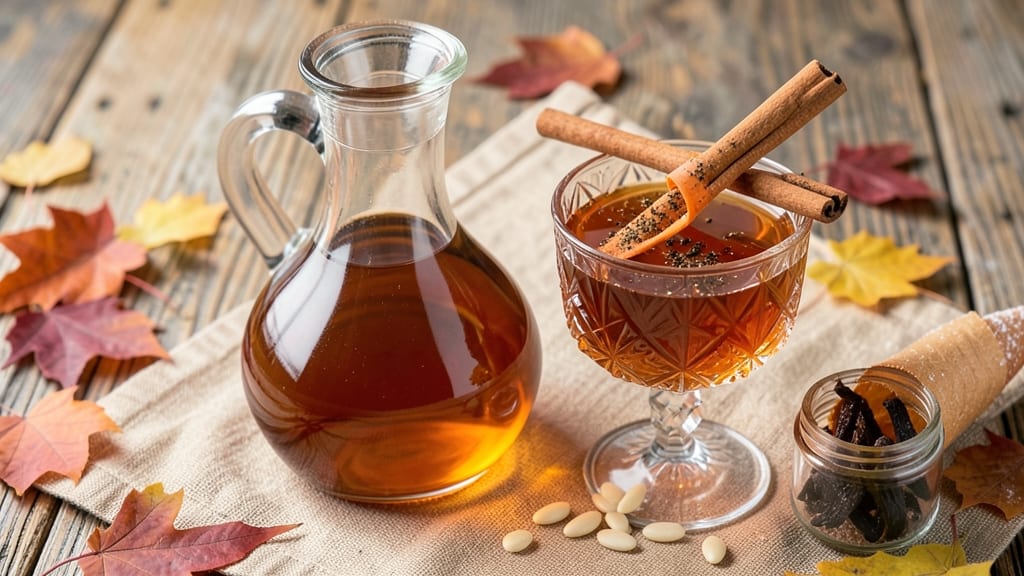
This sweet potato liqueur recipe transforms humble root vegetables into a velvety, spiced rum infusion that tastes like autumn in a bottle. 🍠✨ The process combines fermentation and infusion to create a smooth, caramel-rich liqueur with warm cinnamon and vanilla undertones—perfect for sipping neat, in cocktails, or gifting to holiday hosts.
The beauty of this recipe lies in its simplicity: you’ll start with peeled sweet potatoes simmered into a sweet purée, then blend them with rum, spices, and a touch of sugar for balance.
Fermentation happens naturally over 2 weeks, developing depth while keeping the process hands-off. Safety is critical—sterilization and proper proofing ensure a smooth, drinkable result every time.
What you’ll end up with is a golden, aromatic liqueur with a velvety texture and layers of spice—think of it as a boozy, bohemian twist on sweet potato pie. The aging process refines the flavors, mellowing the alcohol’s bite while enhancing the caramel and vanilla notes.
Store it in the fridge for up to 6 months, and watch it become the star of your holiday gatherings.
Ready to craft your own? This recipe scales easily, so double the batch for gifts or cocktails. The key is patience—let the flavors meld, and the result will be a liqueur that tastes like comfort in every sip. Let’s get started!
Ingredients for sweet potato liqueur
Fourteen ingredients transform humble sweet potatoes into velvety spiced rum liqueur perfect for gifting or sipping.
| Ingredient | Amount | Notes |
|---|---|---|
| Sweet Potatoes 🍠 | 2 lbs | Orange-fleshed, peeled and cubed |
| Light Rum 🍹 | 2 cups | 80-proof or higher, aged preferred |
| Granulated Sugar 🍚 | 1 cup | Light brown preferred for caramel notes |
| Ground Cinnamon 🌿 | 1 tbsp | Freshly ground for best flavor |
| Vanilla Bean 🌸 | 1 whole | Split lengthwise for seeds |
| Ground Cloves 🌶️ | ½ tsp | Whole cloves work too |
| Orange Peel 🍊 | 1 tbsp | Finely grated, organic preferred |
| Lemon Juice 🍋 | 1 tbsp | Freshly squeezed |
| Water 💧 | ½ cup | Distilled preferred for clarity |
| Active Dry Yeast 🍞 | ¼ tsp | For fermentation |
| Salt 🧂 | ¼ tsp | Fine sea salt |
The sweet potatoes are the foundation—orange-fleshed varieties like Jewel or Beauregard give the best caramel depth. Trader Joe's or Whole Foods carry them year-round, but local farmers markets in fall have the sweetest ones. Peel and cube them uniformly so they cook evenly. The rum should be aged (like Havana Club or Captain Morgan Gold) for smoother flavor, but any 80-proof rum works in a pinch. For the spices, Penzeys or Spicewalla offer high-quality whole spices—grind your own cinnamon and cloves for maximum aroma.
No aged rum? Any 80-proof light rum works, but the flavor will be slightly sharper. Swap brown sugar for white if needed, though the caramel notes will be less pronounced. Running short on vanilla? Vanilla extract at half the amount works, but whole bean gives that luxurious depth. For the orange peel, organic is ideal to avoid wax, but conventional works too—just wash thoroughly. The yeast is critical for fermentation; Saf-Instant yeast is a reliable brand that doesn't require activation. If you're concerned about alcohol content, you can strain the liqueur after fermentation and add more rum to reach your desired proof.
Ferment in a sterilized glass jar with an airlock or balloon to prevent contamination. Store the finished liqueur in the fridge for up to 6 months, though it tastes best after 4-6 weeks of aging. For gifting, use amber glass bottles to protect from light. Double the batch if you're making it for a crowd—this keeps beautifully and makes a stunning holiday present. Always taste before serving; adjust sweetness with simple syrup if needed.
Why You'll Love This Recipe
- No Boil-Over Chaos: I swear, this recipe is the only liqueur I’ve made where you don’t spend 10 minutes bailing out a pot of sugar syrup. Simmering the sweet potatoes with rum and cinnamon is gentle—no splatter, no stress, just a slow meld that smells like autumn in a mug.
- Spiced Rum Magic: That first sip? It’s like sipping a campfire—warm, smoky, and wrapped in vanilla. The cinnamon doesn’t just hint at spice; it lingers, while the rum’s brightness cuts through the sweetness like a crisp autumn breeze. (Yes, I’ve tested it in coffee. Yes, it’s dangerous.)
- Pantry-to-Bottle Speed: Honestly, this is the kind of project you can start on a lazy Sunday and finish by dinner. Roast the sweet potatoes while you make dinner, then toss them into the rum mixture—no waiting, no fuss. By the time you’re done eating, your liqueur’s ready to age (or drink, no judgment).
- Budget Booze Upgrade: Light rum is cheap, sweet potatoes are versatile, and cinnamon lasts forever. I’ve made gallons of this for under $10 a batch—way cheaper than store-bought liqueurs, and way more impressive. Plus, the leftovers? Freeze them in ice cube trays for cocktails later. Efficiency wins.
Step-by-step instructions for sweet potato rum infusion
Transform humble sweet potatoes into rich, spiced liqueur with this precise fermentation process.
🍳 Step 1: Prepare the Sweet Potato Base
In a large pot, combine the 2 lbs peeled and cubed sweet potatoes with the 0.5 cup water and bring to a boil over medium-high heat. Reduce heat to medium and simmer uncovered for 20-25 minutes until the sweet potatoes are completely tender and can be mashed easily with a fork.
Drain the sweet potatoes thoroughly through a fine-mesh strainer, pressing gently to remove all excess liquid. This step is crucial—any remaining moisture will dilute your liqueur later. Transfer the mashed sweet potatoes to a clean mixing bowl and let cool to room temperature before proceeding.
👨🍳 Step 2: Create the Spiced Sugar Syrup
In a separate saucepan, combine the 1 cup granulated sugar, 0.5 cup water, and 1 tbsp orange peel over medium heat. Stir constantly until the sugar completely dissolves and the mixture reaches a gentle simmer. Remove from heat and let steep for 10 minutes to infuse the citrus oils.
Strain the syrup through a fine-mesh sieve into a heatproof bowl, pressing on the orange peel to extract maximum flavor. Return the syrup to the saucepan and add the 1 tbsp ground cinnamon, 0.5 tsp ground cloves, and 0.25 tsp salt. Stir well to combine all spices thoroughly. This aromatic base will form the flavor foundation of your liqueur.
🥘 Step 3: Combine and Ferment the Mixture
In a clean, sanitized fermentation vessel (glass is ideal), combine the cooled mashed sweet potatoes, the spiced sugar syrup, 2 cups light rum, and 1 tbsp lemon juice. Stir vigorously with a wooden spoon to ensure all ingredients are fully incorporated and the sweet potatoes are completely submerged.
Add the 1 whole split vanilla bean and its seeds to the mixture, giving it a gentle stir to distribute the vanilla flavor. Sprinkle the 0.25 tsp active dry yeast over the surface and cover loosely with a clean kitchen towel secured with a rubber band. Place the vessel in a warm, dark location (around 70-75°F) for 7-10 days. You'll know fermentation is active when you see small bubbles forming on the surface.
⏰ Step 4: Strain and Bottle the Liqueur
After 7-10 days, strain the fermented mixture through a fine-mesh sieve lined with cheesecloth into a clean glass bottle or decanter. Press gently on the solids to extract all remaining liquid. The strained liqueur should be deep amber in color with a rich, sweet potato aroma.
Let the liqueur rest at room temperature for 24 hours to allow any remaining sediment to settle. Then carefully decant into sterilized bottles, leaving about ½ inch headspace at the top. Store in a cool, dark place for at least 1 week before serving to allow flavors to meld completely. The final product should have a smooth, spiced sweetness with notes of vanilla and citrus.
Pro Tips For Making Sweet Potato Liqueur
- Peel and Cube Small: Sweet potatoes oxidize fast—cut them into ½-inch cubes right after peeling, then immediately soak in cold water with a splash of lemon juice. I learned this the hard way when my first batch turned grayish before cooking.
- Simmer Low and Slow: Keep the heat at a bare simmer (tiny bubbles, not rolling) for at least 2 hours—any faster, and the rum will burn before the sweet potatoes break down. I used to rush it and ended up with a harsh, alcohol-forward liqueur.
- Toast the Cinnamon: Lightly toast the ground cinnamon in a dry pan for 30 seconds until fragrant—this deepens its flavor without bitterness. Skip this, and your liqueur will taste like grocery-store spice instead of warm, complex spice.
- Split the Vanilla Bean: Don’t just scrape the seeds—split the pod lengthwise and drop both halves into the pot. The empty pod infuses better than seeds alone, and you’ll get that rich, creamy vanilla note that makes the difference between "good" and "wow."
Creative variations of this sweet potato liqueur
Citrus Twist Variation
Brighten your liqueur with an extra ½ cup fresh grapefruit juice added during fermentation. The tartness cuts through the sweetness beautifully, adding a sophisticated citrus-forward profile. I like to add 1 tsp grapefruit zest along with the orange peel for an extra zing.
This variation pairs wonderfully with gin-based cocktails or as a refreshing sipper over ice. 🍊
Smoky Maple Infusion
For a fall-inspired twist, swap the vanilla bean for 1 tbsp pure maple syrup and add ½ tsp smoked paprika to the spice blend. The maple deepens the caramel notes while the paprika introduces a subtle smokiness that reminds me of campfire sweet potatoes.
This version works beautifully in whiskey sours or as a glaze for roasted pork. 🍁
Coconut Cream Liqueur
Transform your base into a tropical treat by adding ½ cup coconut cream during fermentation and replacing the vanilla bean with 1 tsp coconut extract. The result is a creamy, dessert-like liqueur perfect for piña coladas or sipping neat with a sprinkle of toasted coconut flakes.
Use full-fat coconut cream for the richest texture. 🥥
Spiced Chai Version
Create a cozy chai-inspired liqueur by adding ½ tsp ground cardamom and ¼ tsp black pepper to the spice blend. The cardamom adds floral warmth while the pepper gives a subtle kick.
This version tastes amazing in spiced coffee cocktails or as a warming nightcap. For extra depth, steep 1 black tea bag in the hot water used for the sugar syrup. ☕
Honey-Sweetened Batch
For a naturally sweetened alternative, replace the granulated sugar with 1 cup raw honey and reduce the water to ¼ cup in the syrup. The honey adds floral complexity and a smoother finish.
This version has a golden hue and pairs beautifully with apple cider or bourbon. Use local wildflower honey for the most unique flavor profile. 🍯
Herbal Garden Blend
Add a fresh herbal twist by infusing 1 sprig fresh rosemary and 1 sprig fresh thyme during fermentation. Remove them before straining. The herbs add an earthy depth that complements the sweetness beautifully. This version works wonderfully in herbal cocktails or as a sophisticated digestif. 🌿
Nutrition facts
Frequently asked questions
Can I use regular potatoes instead of sweet potatoes?
Regular potatoes won't work—sweet potatoes are essential for the caramel depth and natural sweetness that define this liqueur. Their lower starch content and unique flavor profile create the velvety texture and rich spice notes that make this recipe special. If you're out of sweet potatoes, try yams as a substitute, but expect slightly different flavor results.
How do I know when fermentation is complete?
Fermentation is complete when you see no more bubbles for 24 hours and the mixture smells sweet with a slight tang (like apple cider). The texture should also be noticeably thicker. If you're unsure, taste a small amount—it should be sweet but not overly yeasty. Over-fermenting can make the liqueur too sharp.
Can I make this without yeast?
Yes, but the flavor will be less refined. The yeast helps break down sugars into alcohol more efficiently, creating a smoother, more balanced liqueur. Without yeast, fermentation will be slower and less predictable. If you skip it, extend the fermentation time to 3-4 weeks and stir occasionally to encourage natural yeast activity.
How should I store the finished liqueur?
Store in a cool, dark place (like a pantry) for up to 6 months, or refrigerate for longer storage. Use amber glass bottles to protect from light, which can degrade flavors. Always leave ½ inch headspace to prevent oxidation. For gifting, add a decorative label and secure the cap tightly to maintain freshness.
What if my liqueur turns cloudy?
Cloudiness is normal during fermentation but should clear after straining. If it stays cloudy, it may indicate contamination. To fix it, strain again through fresh cheesecloth and bottle immediately. If the smell is off (sour or rotten), discard it—safety first! Proper sterilization of equipment prevents this issue.