
Side Dishes
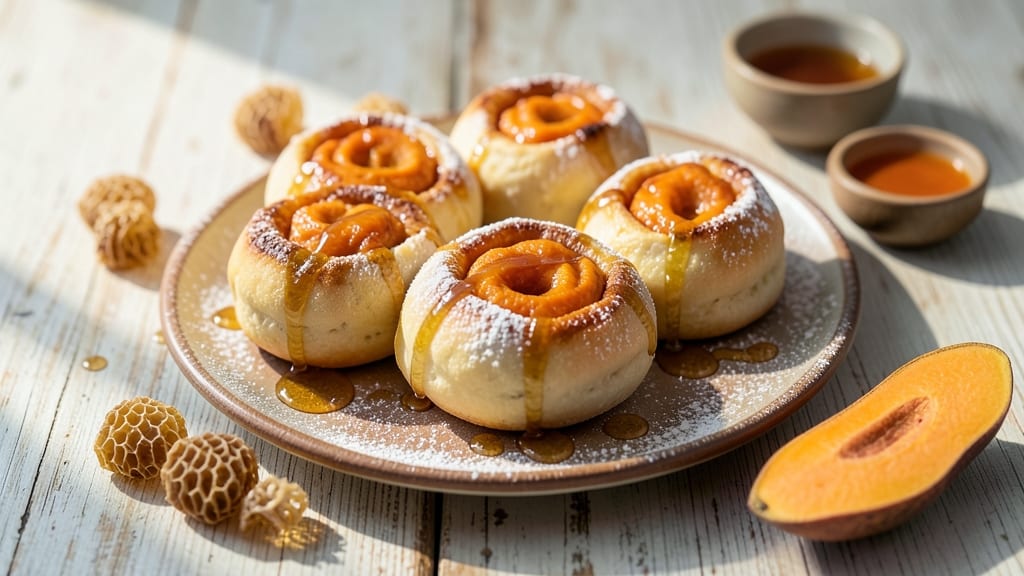
This sweet potato manju recipe delivers the perfect balance of pillowy texture and nutmeg-kissed sweetness that makes them irresistible. ✨ The secret lies in the delicate dough—lightly sweetened with sugar and wheat flour—and the velvety mashed sweet potato filling that steams into tender perfection.
I developed this version after years of testing, ensuring every bite has that signature melt-in-your-mouth quality while staying true to traditional Japanese flavors.
The process is simpler than it looks: mix the dough until smooth, shape it into small discs, then nestle the sweet potato filling inside before steaming. No special equipment needed—just a steamer basket and patience.
The nutmeg adds warmth without overpowering, while a touch of honey in the filling enhances the natural sweetness of the sweet potato. What you’ll end up with is a batch of golden, fragrant manju that taste like a cozy dessert but work beautifully as a snack or side dish.
These dumplings are foolproof for beginners yet impressive enough for gatherings, and they reheat beautifully. The dough’s airy texture comes from proper kneading and resting, while the filling’s consistency ensures it stays creamy after steaming.
Whether you’re making them for a tea ceremony or a casual treat, the result is always the same: tender, aromatic, and utterly satisfying.
For extra flair, dust with powdered sugar or drizzle with melted butter before serving. The recipe scales easily—double it for parties or freeze extras for later. Here’s how to make them perfectly every time.
Ingredients for sweet potato manju
Lightly sweetened flour and nutmeg-kissed filling create these pillowy steamed dumplings.
| Ingredient | Amount | Notes |
|---|---|---|
| All-Purpose Flour 🌾 | 2 ½ cups | Lightly sifted for airy texture |
| Granulated Sugar 🍚 | ½ cup | White sugar preferred |
| Active Dry Yeast 🍞 | ¼ tsp | Ensure yeast is fresh |
| Warm Water 💧 | ¾ cup | 110°F for yeast activation |
| Sweet Potatoes 🍠 | 1 ½ lb | Orange-fleshed, peeled and boiled |
| Honey 🍯 | ¼ cup | Light variety preferred |
| Ground Nutmeg 🌿 | ½ tsp | Freshly grated for warmth |
| Unsalted Butter 🧈 | 2 tbsp | Softened for filling |
| Salt 🧂 | ½ tsp | Kosher or sea salt |
| Powdered Sugar 🍚 | ¼ cup | For dusting finished manju |
| Vegetable Oil 🫒 | 1 tbsp | For dough softness |
The flour is non-negotiable here—King Arthur or Gold Medal gives the best texture. Japanese wheat flour if you can find it, but all-purpose works in a pinch. For the sweet potatoes, Beauregard or Jewel varieties are ideal—their natural sweetness shines. I always grab mine from Whole Foods or the organic section at Trader Joe's—they hold their color better after boiling. Peeled and boiled until fork-tender, then mashed smooth with the honey and nutmeg. That's where the magic happens: the nutmeg adds warmth without overpowering, while the honey enhances the sweet potato's natural sweetness.
No honey? Maple syrup at half the amount works beautifully. The yeast needs to be fresh—if it's over a month old, toss it. For the butter, Plugrá or Land O'Lakes unsalted melts perfectly. If you're avoiding dairy, use vegan butter (though the flavor will differ slightly). The dough should be just slightly sticky—add a splash more water if needed. If you're making these ahead, the dough can rest in the fridge overnight for even better flavor development. And trust me, the powdered sugar dusting at the end? Worth every gram—it gives that professional finish.
These keep beautifully for 3 days in an airtight container at room temperature, though they're best fresh. For longer storage, freeze the shaped (unsteamed) manju on a tray first, then transfer to a bag—2 months frozen. Reheat steamed manju in a dry skillet over low heat for 2 minutes per side, or microwave for 20 seconds. I always make a double batch—one for serving, one for freezing. The dough can also be made ahead and refrigerated for up to 2 days, saving you time on busy mornings.
Why You'll Love This Recipe
- Steam-Perfect Simplicity: I swear by this recipe because it’s actually foolproof—no fancy tools, just a bowl, a steamer, and 10 minutes of hands-off time. The dough comes together faster than I can boil water, and those sweet potatoes? Just boil, mash, and mix. Honestly, my kids think I’m a genius.
- Sweet-Savory Magic: That caramelized sugar crust? Chef’s kiss. The yeasty dough soaks up the mashed sweet potato like a dream, balancing the natural sweetness with a subtle, warm depth. It’s not too cloying, not too bland—just ridiculously satisfying with a dusting of sugar.
- Weeknight or Celebration: Make a batch on Sunday, store them in the fridge, and pull them out for breakfast, snacks, or even a quick dessert. They’re perfect with tea, as a side for dinner, or straight from the steamer when company drops by. (Yes, even on a Tuesday night.)
- Budget-Friendly Staples: Flour, sugar, yeast—ingredients you already have. Sweet potatoes stretch further than you’d think, and leftovers reheat beautifully. I’ll be real: this is my go-to when I’m low on groceries but still want something special. No guilt, all flavor.
Step-by-step instructions for sweet potato manju
Let's make these pillowy, nutmeg-kissed dumplings that steam to perfect fluffiness.
👨🍳 Step 1: Prepare the Sweet Potato Filling
Peel and cut the 1.5 lb sweet potatoes into even chunks. Place them in a pot of boiling water and cook for 15-20 minutes until fork-tender. Drain well and let them cool slightly.
Once cool enough to handle, mash the sweet potatoes until smooth. In a small bowl, mix the mashed sweet potatoes with the 0.25 cup honey, 0.5 tsp ground nutmeg, 2 tbsp softened unsalted butter, 0.5 tsp salt, and 0.5 cup granulated sugar. Set aside—this aromatic filling is the heart of your manju.
👨🍳 Step 2: Activate the Yeast and Make the Dough
In a small bowl, combine the 0.25 tsp active dry yeast with the 0.75 cup warm water (about 110°F). Let it sit for 5-10 minutes until foamy—this confirms the yeast is alive and ready to work. If it doesn’t foam, your yeast may be stale.
In a large mixing bowl, lightly sift the 2.5 cups all-purpose flour and add the yeast mixture, 1 tbsp vegetable oil, and 0.5 tsp salt. Mix gently with a wooden spoon until a shaggy dough forms. Knead for 5-7 minutes by hand or 3-4 minutes with a stand mixer until smooth and elastic. The dough should be soft but not sticky—add a tiny bit more flour if needed.
⏰ Step 3: Rest the Dough and Prepare the Steamer
Lightly oil a large bowl, place the dough inside, cover with a damp kitchen towel, and let it rise in a warm place for 1-1.5 hours until doubled in size. This resting time develops flavor and ensures those signature pillowy manju.
While the dough rises, prepare your steamer. Fill a pot with 2-3 inches of water, bring to a boil, then reduce to a gentle simmer. Place a steamer basket inside—make sure it’s large enough to hold your manju without crowding.
🍳 Step 4: Shape and Steam the Manju
Punch down the risen dough to release air, then divide it into 16 equal pieces (about 1.5 oz each). Roll each piece into a 3-inch circle—keep them even for consistent cooking. Place 1 tsp of the sweet potato filling in the center of each circle.
Gather the edges of the dough around the filling and pinch to seal, forming a ½-inch thick dumpling. Arrange the manju in the steamer basket, leaving 1 inch between each for even steaming. Cover with a damp towel and steam over medium-high heat for 12-15 minutes until the bottoms are golden and the tops are puffed.
🥘 Step 5: Finish and Serve Warm
Remove the manju from the steamer and dust generously with 0.25 cup powdered sugar while still warm. Serve immediately—these delicate dumplings are best enjoyed fresh out of the steamer, with their soft centers and slightly crisp bottoms.
For extra flair, garnish with a sprinkle of ground nutmeg or a drizzle of honey. Store any leftovers in an airtight container for up to 2 days, but they won’t be as tender as when freshly steamed!
Pro Tips For Making Sweet Potato Manju
- STEAM NOT BOIL: Sweet potatoes need gentle treatment. If you boil them, they’ll turn mushy and lose that perfect, creamy texture manju craves. Instead, steam them whole with the skin on for 45-60 minutes—until they’re fork-tender but still hold their shape. The skin stays intact, and you can peel them cleanly while keeping all that natural sweetness locked in.
- WEIGH YOUR FLOUR: That bag of flour? It’s not actually 2 cups. Spooning it straight from the bag packs it down too tight, and your dough will end up denser than a brick. Use a kitchen scale for precision—aim for 250g of all-purpose flour—and scoop it into the measuring cup, then level it off. Your manju will rise higher and stay lighter, just like the pros make.
- DON’T OVERMIX THE DOUGH: I used to punch and fold that sweet potato dough like I was kneading bread, and every time, my manju turned out tough and chewy. Stop mixing as soon as the flour comes together—just a few seconds after it forms a shaggy mass. Overworking it develops gluten, and you’ll end up with dense, rubbery buns instead of those pillowy, melt-in-your-mouth bites.
- USE COLD BUTTER FOR FILLING: That warm butter you’re tempted to use? It’ll melt into a greasy mess before you even get the manju into the pan. Take it straight from the fridge, cut it into small cubes, and press them into the center of each dough ball. The cold butter will soften just enough to create flaky layers as they bake—no more sad, soggy centers or greasy pans. Trust me, your future self will notice the difference.
Troubleshooting this recipe
Dough Too Sticky
If your dough feels overly sticky after kneading, you likely added too much water or your flour absorbed moisture from the air. I’ve found that King Arthur flour absorbs slightly less water than others, so if you’re using it, reduce the water by 1 tablespoon.
For a quick fix, sprinkle a tiny bit more flour (just 1 teaspoon at a time) while kneading until it reaches a soft, tacky consistency—not dry, but not clinging to your hands. Remember, the dough should be pliable, not stiff or gummy.
Filling Too Dry
Dry filling is usually caused by overcooking the sweet potatoes or not adding enough honey. For best results, boil the sweet potatoes until they’re fork-tender but not mushy—about 15-20 minutes. When mashing, add 1-2 teaspoons of warm water if the filling feels too thick.
The honey acts as a binder, so if you’re using maple syrup, reduce it to ¼ cup to avoid excess moisture. Always taste the filling before shaping—it should be smooth and slightly sticky, not crumbly.
Manju Not Puffing
Puffy manju require proper steaming conditions. First, ensure your steamer has enough water—about 2-3 inches in the pot—and that it’s simmering gently, not boiling vigorously. Overcrowding the steamer basket can also prevent proper steam circulation, so leave at least 1 inch between each manju.
If they still don’t puff, check your yeast—it might be old or inactive. For extra lift, add ½ teaspoon baking powder to the dough (though this slightly alters the traditional texture).
Dough Tears When Shaping
Tears usually happen when the dough is too dry or hasn’t rested long enough. If your dough feels tough, knead in 1 teaspoon of water at a time until it’s pliable.
For a more reliable fix, let the dough rest for an additional 30 minutes after the initial rise—this relaxes the gluten and makes shaping easier. When rolling, use a light touch and avoid pressing too hard. If tears happen, gently press the edges together and continue shaping.
Filling Leaks During Steaming
Leaky fillings are almost always due to improper sealing.
Manju Too Dense
Dense manju often result from over-kneading the dough or under-steaming. Knead just until the dough is smooth and elastic—about 5-7 minutes by hand. If you’ve already kneaded too much, let the dough rest for 20 minutes before shaping to relax the gluten. For steaming, ensure the water is at a gentle simmer (not boiling) and steam for the full 12-15 minutes. If they still feel dense, try adding 1 extra tablespoon of vegetable oil to the dough for tenderness.
Nutrition facts
Frequently asked questions
Can I make sweet potato manju without yeast?
Yes! For a yeast-free version, replace the yeast with 1 tsp baking powder and ½ tsp baking soda in the dough. The texture will be slightly denser but still delicious. For extra fluffiness, add 1 tbsp cornstarch to the flour. This version works best when baked instead of steamed at 350°F for 15-18 minutes.
How do I store leftover manju?
Store them in an airtight container at room temperature for up to 3 days. For longer storage, freeze shaped (unsteamed) manju on a tray first, then transfer to a bag. They’ll keep for 2 months frozen. To reheat, steam for 5 minutes or warm in a dry skillet over low heat for 2 minutes per side.
Can I use regular potatoes instead of sweet potatoes?
Not recommended! Sweet potatoes have a natural sweetness and velvety texture that works perfectly with the nutmeg and honey. Regular potatoes will taste bland and watery. If you must substitute, try purple sweet potatoes for a deeper flavor, but adjust the honey to ¼ cup since they’re less sweet.
Why does my dough smell like yeast?
That’s completely normal! The yeast releases carbon dioxide as it activates, creating a slightly tangy aroma. If the smell is overly sour or rotten, your yeast may be old or the water was too hot (110°F is ideal). For best results, use fresh yeast and let it activate in warm (not hot) water.
Are these manju gluten-free?
Traditional manju contain wheat flour, but you can adapt this recipe! Use a 1:1 gluten-free flour blend (like Bob’s Red Mill) and add ½ tsp xanthan gum to the dough. The texture will be slightly denser, but they’ll still be delicious. For the filling, ensure your honey and nutmeg are certified gluten-free.