Breakfast & Brunch
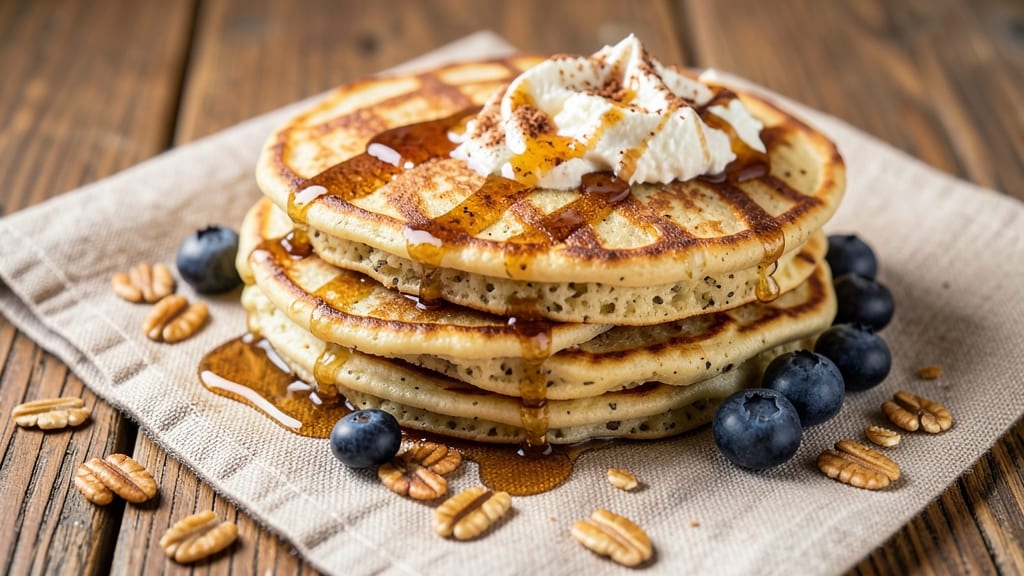
This sweet potato pancake recipe no flour delivers fluffy, golden stacks that taste indulgent but are secretly packed with nutrients and plant-powered binding agents. The secret lies in blending roasted sweet potatoes with chickpea flour and oats, creating a batter that's naturally gluten-free, vegan, and holds together beautifully without traditional flour. I developed this recipe after realizing how many pancake recipes relied on refined flour, and these became my go-to for weekend breakfasts.
The magic happens in the prep: roasting the sweet potatoes first intensifies their natural sweetness while creating a smooth, mashable texture. Chickpea flour acts as our binding agent, while oats add hearty texture and help absorb excess moisture.
The result is pancakes with a satisfyingly crispy exterior and a tender, slightly dense interior that's far from dry or crumbly.
What you'll end up with is a stack of golden-brown pancakes that look like they came from a diner, but taste even better because they're made with whole, nutrient-dense ingredients. The flavor is a perfect balance of caramelized sweet potato sweetness and subtle earthy notes from the chickpea flour.
Each bite is satisfyingly substantial yet light enough to enjoy for breakfast or brunch.
Serve these pancakes with maple syrup, coconut yogurt, and fresh berries for a complete meal that feels special but requires no refined ingredients. The recipe scales easily too—whether you're feeding a crowd or meal prepping for the week, these pancakes deliver on both flavor and nutrition without any compromise.
Ready to make them?
Ingredients for sweet potato pancake recipe no flour
Sweet potatoes, chickpea flour, and oats make these pancakes fluffy and guilt-free.
| Ingredient | Amount | Notes |
|---|---|---|
| Medium Sweet Potatoes 🍠 | 2 whole | Peeled, roasted until tender |
| Chickpea Flour 🌾 | ¾ cup | For binding, gluten-free |
| Old-Fashioned Rolled Oats 🥣 | ¾ cup | Blended into fine texture |
| Extra-Firm Tofu 🥬 | ½ cup | Crumbled for extra protein |
| Unsweetened Almond Milk 🥛 | ½ cup | Plain, unsweetened |
| Pure Maple Syrup 🍁 | 2 tbsp | For sweetness and binding |
| Ground Flaxseed 🌰 | 1 tbsp | Mixed with 3 tbsp water |
| Ground Cinnamon 🌿 | 1 tsp | For warm flavor |
| Baking Powder 🧂 | ½ tsp | For fluffiness |
| Salt 🧂 | ¼ tsp | Kosher or sea salt |
| Coconut Oil 🫒 | 2 tbsp | For cooking, melted |
| Fresh Blueberries 🫐 | ½ cup | Optional, for topping |
| Coconut Yogurt 🥛 | ½ cup | For serving |
Sweet potatoes are the star—pick firm, medium-sized ones with smooth skin. Roast them at 400°F until fork-tender (about 45 minutes), then mash them smooth. Trader Joe's often has the best organic sweet potatoes, but any store's regular ones work. The chickpea flour is non-negotiable here—it's what gives these pancakes their bind without flour. Bob's Red Mill is my go-to brand, but any gluten-free section at the grocery store will have it. For the oats, old-fashioned rolled oats work best—they blend into a fine texture that mimics flour. If you're in a hurry, pulse them in a food processor for 20 seconds.
No chickpea flour? Substitute with 1 cup gluten-free all-purpose flour, but the texture won't be as light. Swap the almond milk for soy milk or coconut milk if you prefer. The flaxseed egg (1 tbsp ground flaxseed + 3 tbsp water) can be replaced with 1 tbsp chia seeds + 3 tbsp water, but let it sit for 5 minutes to thicken. Fresh blueberries can be swapped for frozen berries or chopped apples—just thaw them first. The coconut yogurt topping? Any plant-based yogurt works, but coconut adds a nice creaminess that pairs perfectly with the sweet potatoes.
Make the batter ahead and refrigerate for up to 24 hours—it actually tastes better the next day as the flavors meld. These pancakes freeze beautifully too: cook them, let cool, then stack with parchment between layers. Freeze for up to 3 months. To reheat, pop them in a toaster or warm in a dry skillet over medium heat for 2-3 minutes per side. The batter keeps in the fridge for 3 days, so double it up for quick breakfasts all week. Store leftovers in an airtight container with a paper towel to absorb moisture.
Why You'll Love This Recipe
- No-Fuss Mash: I swear by the food processor here—just toss in the roasted sweet potato, chickpea flour, and oats, pulse until it’s sticky but not gluey. No sifting, no measuring cups, just dump-and-blend. Honestly, the tofu gets blended right in, and you’d never know it’s there.
- Caramelized Crunch: That crispy oat topping? Absolute magic. The rolled oats toast in the pan while the pancake cooks, giving you this perfect crunchy shell with a soft, slightly sweet center. Between us, it’s the kind of texture that makes you take a second bite without thinking.
- Breakfast or Dinner: Serve it with maple syrup and a sprinkle of cinnamon for a weekend brunch, or swap in hot sauce and avocado for a savory weeknight scramble. I’ve even reheated leftovers in the air fryer—crispy again, no one’s the wiser.
- Pantry Staple Power: Chickpea flour and oats? Things I already have. Sweet potatoes last forever, and tofu stretches my grocery budget. Make a double batch, freeze half, and thank me later when you’re scrambling for an easy meal. (Yes, even on a Tuesday night.)
Step-by-step instructions for fluffy sweet potato pancakes
Here's how to make these light, fluffy pancakes that taste like dessert but fit into breakfast.
Roast the Sweet Potatoes Until Tender
Preheat your oven to 375°F. Pierce the 2 whole medium sweet potatoes with a fork in several places, then place them directly on the oven rack. Roast for 45-50 minutes, turning halfway through, until they're soft when pierced with a knife. The skin should be slightly charred in spots—that's the secret to flavor.
Let them cool completely before handling. I find it easiest to scoop out the flesh using a spoon while they're still warm, but not so hot you can't touch. You should get about 2 cups of roasted sweet potato—this is your base ingredient, so don't skip this step. If you're short, don't worry, we'll adjust the rest of the batter accordingly.
Blend the Dry Ingredients for Perfect Texture
In a food processor, combine the 0.75 cup old-fashioned rolled oats and 0.5 cup extra-firm tofu. Pulse until you get a fine, crumbly texture—this is what gives our pancakes that perfect lightness. Transfer this mixture to a mixing bowl.
Add the 0.75 cup chickpea flour, 0.5 tsp baking powder, 1 tsp ground cinnamon, and 0.25 tsp salt to the same bowl. Whisk everything together until thoroughly combined. This dry mix forms the structural backbone of our pancakes, so make sure it's completely uniform. The chickpea flour binds everything together while keeping it gluten-free.
Mix the Wet Ingredients and Flax Egg
In a separate bowl, mash the roasted sweet potatoes with a fork until smooth. Stir in the 0.5 cup unsweetened almond milk, 2 tbsp pure maple syrup, and the 1 tbsp ground flaxseed mixed with 3 tbsp water (this makes our flax "egg"). Let the flax mixture sit for 5 minutes to thicken—this is crucial for binding.
Combine the wet mixture with the dry ingredients. Stir gently but thoroughly until just combined—overmixing develops gluten and makes pancakes tough. The batter should be thick but pourable. If it's too thick, add 1-2 tablespoons of almond milk to reach the right consistency. Here's the thing—this batter is different from regular pancake batter, so don't worry if it looks a bit unusual.
Cook the Pancakes on Medium Heat
Heat a non-stick skillet over medium heat and melt 1 tablespoon of coconut oil (save the remaining 1 tablespoon for later batches). Pour ¼ cup portions of batter onto the skillet, spreading slightly to form 3-inch diameter pancakes. Cook until bubbles form on the surface and the edges look set—about 3-4 minutes.
Flip carefully and cook the other side for another 2-3 minutes until golden brown. The pancakes should be firm to the touch but still soft inside. I like to keep them warm in a 200°F oven while I cook the rest—this prevents them from drying out. Don't stack them yet, or they'll steam and get soggy. Work in batches to maintain even cooking.
Assemble and Serve Your Pancake Stack
Once all pancakes are cooked, transfer them to a clean plate. Top each stack with ¼ cup of the fresh blueberries and a dollop of 0.5 cup coconut yogurt. For extra flair, drizzle with a little more pure maple syrup or a sprinkle of cinnamon. Serve immediately while warm and fluffy.
These pancakes are best enjoyed right away—they'll hold their shape for about 15 minutes before becoming slightly denser. The combination of sweet potato, tofu, and chickpea flour creates a pancake with protein, fiber, and natural sweetness that satisfies any craving. Trust me, you won't miss the flour in these delicious stacks!
Pro Tips For Making Sweet Potato Pancake Recipe No Flour
- COOL THE POTATOES FIRST: Roast or microwave your sweet potatoes until tender, then let them sit for 10 minutes before mashing—this prevents a gummy batter. I learned this the hard way when my first batch turned out gluey, no matter how much oat flour I added.
- GRIND THE OATS FINE: Pulse rolled oats in a food processor until they’re almost like flour—this binds the batter better than whole oats. Skip this, and your pancakes will crumble like sad oatmeal. (Yes, even if you’re impatient like me.)
- PRESS OUT TOFU DRY: Wrap extra-firm tofu in a towel, place a heavy pan on top, and let it drain for 15 minutes before blending—this keeps the batter from turning soggy. I was skeptical until I tried it; the texture is noticeably firmer.
- USE A SLOTTED SPOON: Drain excess liquid from the batter before cooking—this guarantees crispy edges instead of steamed pancakes. Sounds weird, but it works: just let the batter sit in a colander for 2-3 minutes before scooping.
Pro cooking tips for this recipe
Roasting Sweet Potatoes
Roasting sweet potatoes until tender and caramelized is the foundation of these pancakes. I always roast them whole on the oven rack at 375°F for 45-50 minutes—this creates that perfect char on the skin while keeping the flesh perfectly soft.
Pierce them first with a fork to prevent explosions, and turn them halfway through cooking. The skin should be slightly crispy when done, which adds incredible flavor to the pancakes. 🍠
Batter Consistency
The batter for these pancakes is thicker than traditional pancake batter, which is totally normal. Aim for a consistency that's pourable but not runny—think of it like thick oatmeal.
If your batter seems too thick after mixing, add 1 tablespoon of almond milk at a time until it reaches the right texture. The key is to avoid overmixing once all ingredients are combined, as this can make the pancakes dense rather than fluffy. Stir just until everything is incorporated.
Cooking Temperature
Medium heat is crucial for cooking these pancakes properly. Too high, and they'll burn before cooking through; too low, and they'll turn out gummy. I find medium heat (around 325-350°F) works best in a non-stick skillet.
Use 1 tablespoon of coconut oil per batch to prevent sticking, and don't overcrowd the pan. Cook until bubbles form on the surface and the edges look set—about 3-4 minutes—before flipping carefully. 🔥
Flax Egg Timing
The flax egg is what holds these pancakes together without flour, so timing is important. Mix 1 tablespoon of ground flaxseed with 3 tablespoons of water and let it sit for 5 minutes before adding it to the batter.
This gives the flaxseed time to thicken and create a proper egg-like consistency. If you forget to wait, the pancakes might be a bit more fragile, but they'll still hold together.
Pro tip: Store your flax egg mixture in the fridge for up to 5 days—it's great for other gluten-free baking recipes too!
Batch Cooking
To keep your pancakes warm and prevent them from drying out, cook them in batches and keep the finished ones in a 200°F oven while you work. This low temperature maintains their moisture and warmth without overcooking.
I like to stack them on a wire rack in the oven to prevent steam buildup, which can make them soggy. If you're cooking for a crowd, this method ensures every pancake comes out perfectly warm and ready to serve. 💡
Flipping Technique
Flipping these pancakes requires a gentle touch—they're more delicate than traditional pancakes. Wait until you see bubbles forming on the surface and the edges look set before flipping. Use a thin spatula and flip carefully to avoid breaking them. Cook the other side for 2-3 minutes until golden brown.
If you're nervous about flipping, use a pancake flipper with a long handle for better control. The pancakes should be firm to the touch but still soft inside when done. 💪
Nutrition facts
Frequently asked questions
Can I make these pancakes without chickpea flour?
Yes, but the texture will change. Replace the 0.75 cup chickpea flour with 1 cup gluten-free all-purpose flour or 0.75 cup mashed banana for binding. If using banana, reduce the almond milk to 0.3 cup to balance moisture. The pancakes will be slightly denser but still delicious!
Why do I need to roast the sweet potatoes?
Roasting deepens the sweet potato flavor and creates a smooth, mashable texture that blends perfectly with other ingredients. Raw sweet potatoes contain more moisture and starch, which can make your pancakes gummy. Roasting also caramelizes natural sugars, giving them that rich, buttery taste without added fat.
How do I fix pancakes that stick to the pan?
Use a well-seasoned non-stick skillet and ensure it's properly heated before adding oil. If they still stick, your heat might be too high—reduce to medium-low and cook more slowly. A light coating of coconut oil (or avocado oil) works best. For stubborn sticking, try a thin layer of melted butter on top of the coconut oil.
Can I make these pancakes ahead of time?
Cook the pancakes and store them in an airtight container in the fridge for 3 days or freeze for 3 months. To reheat, warm in a toaster or skillet over medium heat for 2-3 minutes per side. For make-ahead batter, mix everything (except coconut oil) and refrigerate for up to 24 hours—the flavors actually improve!
What's the best way to make them extra fluffy?
Let the flax egg sit for 5+ minutes before mixing, and avoid overmixing the batter. For extra lift, add 0.25 tsp apple cider vinegar to the wet ingredients. Also, use medium heat and don't overcrowd the pan—this helps create those perfect air pockets for fluffiness.