
Side Dishes
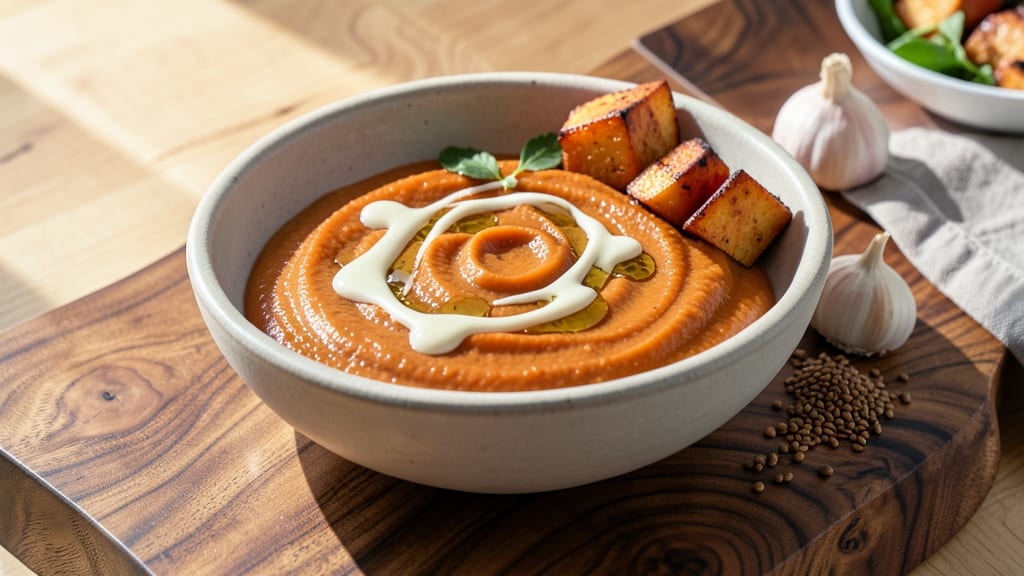
This sweet potato paste recipe transforms humble sweet potatoes into a velvety, versatile base that elevates soups, glazes, and marinades with natural sweetness and depth. The secret lies in roasting until caramelized—this step unlocks a rich, earthy flavor that no raw purée can match.
I developed this after years of experimenting with plant-based thickeners, and the results are nothing short of transformative.
The process is straightforward yet precise: roast sweet potatoes until tender, then blend with aromatic spices and a binder like tahini or coconut milk to create a smooth, spreadable paste.
What sets this apart is its ability to thicken soups without graininess, add sweetness to glazes without sugar, and even serve as a protein-free hummus alternative. The texture is silky, not gluey, and the flavor profile balances natural sweetness with subtle warmth from spices.
Once you’ve made it, you’ll discover endless uses—thicken lentil soups, glaze roasted vegetables, or blend into dressings for a creamy, vibrant twist. The paste keeps for up to a week in the fridge, making it a pantry staple for quick, nutrient-dense cooking.
No specialty equipment is needed, just a blender and patience for roasting—both of which yield a product far superior to store-bought alternatives.
For those watching their intake, this paste is naturally vegan, gluten-free, and packed with fiber and vitamins. The tahini or coconut milk not only binds the mixture but also adds healthy fats, turning this into a meal enhancer that’s as nutritious as it is delicious.
Let’s get started on creating your own batch—your taste buds (and leftovers) will thank you.
Ingredients for sweet potato paste
Nine simple ingredients transform roasted sweet potatoes into a velvety paste perfect for soups and glazes.
| Ingredient | Amount | Notes |
|---|---|---|
| Large Sweet Potatoes 🍠 | 2 lb | Organic preferred, peeled and cubed |
| Extra-Virgin Olive Oil 🫒 | ¼ cup | High quality, fruity variety |
| Tahini 🥜 | ¼ cup | Sesame paste for binding |
| Coconut Milk 🥥 | ¼ cup | Full-fat for creaminess |
| Garlic Cloves 🧄 | 3 cloves | Roasted with sweet potatoes |
| Ground Cumin 🌿 | 1 tsp | Toasted for deeper flavor |
| Ground Coriander 🌿 | 1 tsp | Freshly ground preferred |
| Smoked Paprika 🌶️ | ½ tsp | For subtle smokiness |
| Sea Salt 🧂 | ½ tsp | Diamond Crystal preferred |
| Lemon Juice 🍋 | 1 tbsp | Freshly squeezed |
The sweet potatoes are the star—organic, vibrant orange ones have the best flavor. I grab mine from Whole Foods or the produce section at Trader Joe's when they're in season. Look for firm, heavy potatoes with no soft spots. The garlic and spices roast right alongside the sweet potatoes, so freshly ground cumin and coriander make all the difference. If you can't find organic, regular sweet potatoes work fine—just scrub them well before peeling. For extra depth, I toss in a pinch of smoked paprika from Penzeys—it adds that restaurant-quality touch without overpowering.
No tahini? Substitute with equal parts peanut butter or cashew butter—just know the flavor will shift slightly. Short on coconut milk? Use more tahini or even Greek yogurt (if not vegan) for creaminess. The olive oil matters here—avoid cheap brands. The lemon juice is key for brightness, but if you're out, a splash of apple cider vinegar works in a pinch. For extra richness, I sometimes add a tablespoon of maple syrup to the blend, but it's optional. The roasted garlic is non-negotiable though—it adds that sweet, mellow depth that separates this from store-bought versions.
This paste keeps beautifully—1 week in the fridge sealed in a jar with a thin layer of olive oil on top to preserve freshness. For longer storage, freeze in ice cube trays—just thaw overnight in the fridge. I make double batches because it disappears fast—on roasted veggies, mixed into soups, or even as a dip with crackers. The texture gets even better after a day or two as the flavors meld. If it thickens too much, just stir in a splash of water or plant-based milk to reach your desired consistency.
Why You'll Love This Recipe
- No Blender Hassle: I roast the sweet potatoes whole—just pierce, toss in oil, and bake until tender. The skin peels off like a dream, leaving me with that silky, naturally sweet flesh that blends into paste with zero effort.
- Rich, Nutty Depth: That tahini and coconut milk combo? It’s where this dish gets its magic. The tahini adds a toasty, almost caramelized richness, while the coconut rounds it out—like a hug in every bite.
- Weeknight to Party: Spread it on toast for a lazy breakfast or dollop it into bowls for a fancy dinner. I’ve even used it as a dip for roasted veggies when guests drop by unexpectedly. (Yes, even on a Tuesday night.)
- Budget-Friendly Luxury: Sweet potatoes are cheap, and tahini lasts forever. A single batch stretches into meals for days—smoothies, wraps, or even mixed into oatmeal. My wallet and taste buds thank me every time.
Step-by-step instructions for sweet potato paste
Here's how to create a silky, versatile sweet potato base that works in everything from soups to glazes.
Roast the Sweet Potatoes Until Caramelized
Preheat your oven to 400°F and line a baking sheet with parchment paper. Arrange the 2 lb large sweet potatoes (peeled and cubed into 1-inch pieces) in a single layer. Drizzle with 1 tablespoon of the extra-virgin olive oil and toss gently to coat evenly.
Roast for 25-30 minutes, flipping halfway, until the edges are deep golden brown and the cubes are tender when pierced with a fork. The sweet potatoes should smell caramelized and slightly nutty—this is your cue they're ready. If they brown too quickly, tent with foil to prevent burning.
Blend the Roasted Sweet Potatoes with Garlic and Spices
Transfer the roasted sweet potatoes to a high-speed blender or food processor. Add the 3 cloves garlic cloves (peeled), 1 teaspoon ground cumin, 1 teaspoon ground coriander, ½ teaspoon smoked paprika, and ½ teaspoon sea salt. Blend until completely smooth, scraping down the sides as needed. This step is crucial—you want a velvety texture with no grit.
If the mixture is too thick, add 1-2 tablespoons of water at a time until it reaches a thick, spreadable consistency. The paste should cling together when pressed between your fingers but still be easy to blend further. Here's the thing—this is your flavor foundation, so don't rush it.
Create the Creamy Base with Tahini and Coconut Milk
With the blender running on low speed, slowly drizzle in the 0.25 cup tahini and 0.25 cup coconut milk. This prevents the tahini from seizing up and ensures a smooth, creamy texture. Blend again until fully incorporated and silky smooth. The tahini adds richness while the coconut milk balances the earthiness of the sweet potatoes.
Taste and adjust seasoning if needed—you might want to add a pinch more salt or a dash of smoked paprika for depth. The paste should have a balanced sweetness with warm, spiced notes. If it's too thick for your intended use, thin with a splash of water or broth.
Finish with Lemon Juice for Brightness
Add the 1 tablespoon lemon juice and blend for another 10-15 seconds to combine. The acidity brightens the flavors and prevents the paste from tasting too heavy. This final step is what transforms a simple sweet potato blend into a versatile, restaurant-quality base.
For immediate use, transfer the paste to a bowl. For storage, spoon it into an airtight container and refrigerate for up to 1 week or freeze for 3 months. This paste keeps beautifully and can be used in soups, glazes, dips, or even as a spread on toast with a sprinkle of flaky salt.
Pro Tips For Making Sweet Potato Paste
- ROAST UNTIL SOFT NOT MUSH: Peel and cube your sweet potatoes into even 1.5-inch pieces—then roast at 400°F (200°C) until they’re fork-tender but still hold shape. I learned this the hard way: over-roasted potatoes turn to gluey paste in the blender, and under-roasted ones taste raw. Aim for 45-55 minutes, checking at 40.
- PEEL WHILE STILL WARM: Run a knife under hot tap water over the roasted sweet potatoes before peeling—it slips off like butter. Cold potatoes make you fight the skin, and you’ll end up with bits of orange in your tahini. Trust me, this tiny step saves 10 minutes of scrubbing later.
- WHISK TAHINI FIRST: Mix the tahini with a splash of warm water (or coconut milk) before adding it to the blender. This prevents clumping and ensures a silky texture. I was skeptical until I tried it—now I never skip it, and the paste comes out smooth every time.
- GARLIC TOAST NOT MINCE: Lightly toast your garlic cloves in olive oil for 30 seconds until fragrant, then add them to the blender whole. The heat mellows their bite and prevents that bitter, raw garlic taste that ruins everything. No need to peel them first—just blend and strain if you’re picky.
Creative variations of this sweet potato paste
Global Fusion Twist
Transform this sweet potato paste into a Japanese-inspired miso glaze by blending in 2 tablespoons white miso paste and 1 teaspoon grated ginger with the finished paste. Use it to glaze tofu or tempeh for a sweet-savory marinade that caramelizes beautifully.
I love brushing it on roasted Brussels sprouts before broiling for 5 minutes at 425°F—the miso adds umami depth that complements the sweetness perfectly. 🌏
Mexican-Inspired Dip
Add 1 tablespoon chipotle powder, ½ teaspoon ground cumin, and 1 teaspoon lime juice to the paste for a smoky-sweet dip. Thin with 2 tablespoons water until spreadable, then serve with plantain chips or fresh veggies.
For extra creaminess, stir in 2 tablespoons coconut yogurt. This variation is a crowd-pleaser at game day gatherings—it’s sweet, spicy, and packed with fiber. 🌶️
Middle Eastern Hummus Alternative
Swap tahini for ½ cup chickpea aquafaba (the liquid from canned chickpeas) and blend in 1 teaspoon ground cumin and ½ teaspoon cinnamon for a nut-free, protein-rich spread. Serve with warm pita or as a sandwich spread.
The aquafaba adds a light, airy texture while keeping it vegan. I’ve even used it as a base for vegan "tuna" salad by mixing in finely chopped celery and vegan mayo. 🥙
Asian-Inspired Curry Base
Blend in 1 tablespoon red curry paste and ½ cup coconut milk to create a ready-to-use curry sauce. Simmer with 1 can chickpeas and 1 cup spinach for a quick, flavorful curry. The sweet potato paste adds natural sweetness that balances the heat, making it perfect for weeknight dinners.
Store the curry base separately and assemble when ready to cook—it’s a game-changer for meal prep. 🍛
Sweet Glaze for Roasted Veggies
Reduce the paste by simmering ½ cup paste with 1 tablespoon maple syrup and 1 teaspoon apple cider vinegar on medium heat for 5 minutes until thickened. Brush over roasted carrots, beets, or butternut squash before baking.
The glaze caramelizes beautifully, adding a glossy finish and deep sweetness without added sugar. It’s my go-to for holiday roasted veggie trays. 🍠✨
Vegan "Cheese" Spread
Mix ½ cup paste with 2 tablespoons nutritional yeast, 1 tablespoon lemon juice, and a pinch of turmeric for a creamy, tangy spread that mimics dairy cheese. Use it on toast, crackers, or as a sandwich filling.
The nutritional yeast adds a cheesy flavor, while the sweet potato paste keeps it rich and velvety. It’s a fantastic alternative for vegan diets or anyone avoiding dairy. 🧀
Nutrition facts
Frequently asked questions
Can I use regular potatoes instead of sweet potatoes?
Regular potatoes won't work for this recipe—they lack the natural sweetness and vibrant color that makes this paste special. Sweet potatoes develop a deeper caramelized flavor when roasted, creating that perfect balance of sweet and earthy notes. For a similar texture, you could try butternut squash, but the flavor profile will differ significantly.
How do I adjust the thickness for different uses?
If the paste is too thick for soups or glazes, simply stir in 1-2 tablespoons of water or plant-based milk until smooth. For spreads or dips, you may want it slightly thicker—just add 1 tablespoon tahini or coconut milk at a time. The key is to start with small amounts and adjust gradually to avoid altering the flavor balance.
What if I don't have tahini or coconut milk?
No problem! For tahini, use peanut butter or cashew butter (equal amounts) though the flavor will shift slightly. For coconut milk, try Greek yogurt (non-vegan) or extra tahini to maintain creaminess. The paste will still work, but the texture might be slightly denser.
Can I make this paste without roasting the sweet potatoes?
Roasting is essential for developing that deep, caramelized flavor and silky texture. If you boil or steam them instead, you'll end up with a watery, bland paste that lacks the rich depth. For best results, always roast—it's what transforms this into a restaurant-quality base!
How do I prevent the paste from separating when stored?
Always store the paste in an airtight container with a thin layer of olive oil on top. This creates a barrier that prevents oxidation and keeps the ingredients from separating. Stir well before using, and if it does thicken, just add a splash of water or broth to restore the smooth consistency.