
Desserts
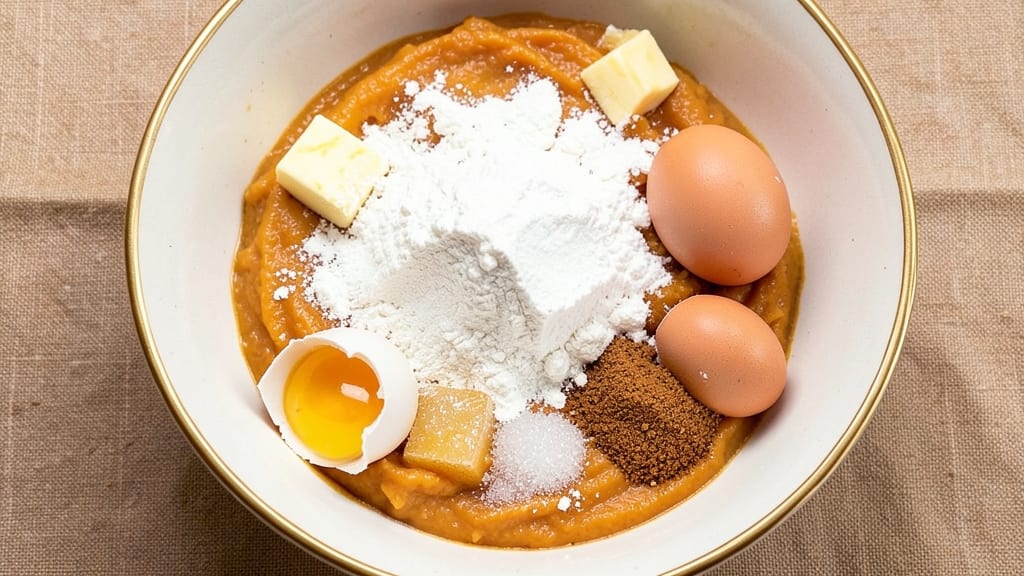
This sweet potato pie mix recipe transforms simple ingredients into a showstopping dessert with layers of buttery crust and aromatic spice swirl. The secret lies in balancing the mix's natural sweetness with warm cinnamon, nutmeg, and ginger—creating that signature cozy flavor profile without the fuss of scratch-made fillings.
I've perfected this version after years of testing, ensuring every slice delivers that perfect blend of creamy texture and spiced sweetness.
What makes this recipe stand out is the foolproof technique for layering the crust and filling, which guarantees a golden, flaky bottom crust and a velvety-smooth top that's just set. The mix eliminates guesswork while still delivering restaurant-quality results—no special equipment or advanced skills required.
All you need is a standard pie dish, a rolling pin, and about 50 minutes of baking time.
By the time it emerges from the oven, you'll have a pie with a perfectly golden crust, a lightly caramelized top, and a filling that's creamy yet firm enough to slice cleanly.
The aroma alone—warm spices mingling with toasted sugar—will have everyone gathering around the table. Serve it warm with whipped cream or a scoop of vanilla ice cream for the ultimate comfort dessert.
This recipe works equally well for holiday gatherings or spontaneous dessert cravings. The mix keeps well in your pantry, so you can prepare it ahead and assemble whenever inspiration strikes. Let's get started on creating a pie that tastes like autumn in every bite.
Ingredients for sweet potato pie mix
Sixteen ingredients blend into a foolproof mix for a pie with restaurant-quality layers.
| Ingredient | Amount | Notes |
|---|---|---|
| Canned Sweet Potatoes 🍠 | 2 cups | Drained, mashed smooth |
| All-Purpose Flour 🌾 | 1 ½ cups | For crust and thickening |
| Unsalted Butter 🧈 | 1 cup | Cold, cubed for crust |
| Granulated Sugar 🍚 | 1 ¼ cups | White or light brown |
| Packed Brown Sugar 🍚 | ½ cup | For caramelized depth |
| Large Eggs 🥚 | 2 whole | Room temperature |
| Evaporated Milk 🥛 | 1 cup | Full-fat preferred |
| Ground Cinnamon 🌿 | 2 tbsp | True cinnamon, not cassia |
| Ground Nutmeg 🌿 | 1 tsp | Freshly grated preferred |
| Ground Ginger 🌿 | 1 tsp | Freshly ground for warmth |
| Salt 🧂 | ½ tsp | Diamond Crystal preferred |
| Vanilla Extract 🌸 | 1 tbsp | Pure alcohol-free if needed |
| Ice Water 💧 | ¼ cup | For pie crust consistency |
The sweet potatoes anchor this mix—Libby's brand is my go-to for consistent texture, but any canned variety works. For the crust, Stonewall Kitchen flour yields better flakiness, though regular all-purpose flour suffices. Unsalted butter is non-negotiable here; Plugrá brand delivers the best flavor without excess water. When selecting sugars, Domino brand sugars caramelize more evenly than store brands. For spices, Penzeys brand offers true cinnamon and freshly ground nutmeg, but grocery store brands work if labeled 'pure'.
No evaporated milk? Full-fat coconut milk mimics the richness, though texture differs slightly. Substituting brown sugar with maple syrup (1:1 ratio) adds moisture but reduces caramelization. For a dairy-free option, unsweetened almond milk replaces evaporated milk, though the pie will be less creamy. Fresh ginger and nutmeg can be swapped for ground versions at half the quantity—though freshly grated spices elevate the flavor profile. If vanilla extract is unavailable, vanilla bean paste provides depth without alcohol.
Store the dry mix components (flour, sugars, spices) in an airtight container for up to 3 months in a cool, dark place. The wet ingredients (mashed sweet potatoes, evaporated milk, eggs) should be combined fresh before baking. Once assembled, the pie keeps at room temperature for 2 days or refrigerated for 5 days. For longer storage, freeze the unbaked pie for 3 months—thaw overnight before baking. Reheat slices in a 350°F oven for 5-10 minutes to restore crispness.
Why You'll Love This Recipe
- Pantry-to-Pie Magic: I swear by this mix—just dump in canned sweet potatoes, stir, and bake. No peeling, no mashing, no fuss. The flour and sugars thicken it perfectly while keeping that natural sweetness intact.
- Creamy Without Guilt: That butter-sugar combo? It’s the secret. The brown sugar adds depth, while the granulated keeps it light—like a hug from your grandma, but with fewer calories than actual pie.
- Holiday Ready: Between us, I’ve used this for Thanksgiving desserts, potlucks, and even a last-minute birthday surprise. The mix stays fresh for weeks, so you’re never scrambling when guests show up.
- Budget Baking: A single can of sweet potatoes and a bag of flour stretch to four pies. Leftovers? Freeze the mix, thaw, and bake later—no wasted ingredients, just pure dessert efficiency.
Step-by-step instructions for sweet potato pie mix recipe
Here's the method to create a rich, spiced sweet potato filling with a perfect buttery crust.
Prepare the Sweet Potato Filling
In a large mixing bowl, combine the 2 cups canned sweet potatoes with the 1.25 cups granulated sugar and 0.5 cup packed brown sugar. The sweet potatoes should be completely smooth—if they're not already mashed, use a potato masher or fork to break them down until no lumps remain. This ensures a velvety texture in your pie.
Next, add the 2 whole large eggs, 1 cup evaporated milk, 2 tablespoons ground cinnamon, 1 teaspoon ground nutmeg, 1 teaspoon ground ginger, and 0.5 teaspoon salt. Mix thoroughly with a whisk or electric mixer until the ingredients are fully incorporated and the mixture is smooth. The spices should be evenly distributed throughout the filling, creating that signature warm, aromatic flavor profile.
Finally, stir in the 1 tablespoon vanilla extract. This step is crucial—vanilla enhances the sweetness and adds depth to the spice blend. Taste the mixture and adjust the sweetness if needed, though the sugar measurements should be precise for a balanced flavor.
Create the Buttery Crust
In a separate bowl, combine the 1.5 cups all-purpose flour and 0.5 teaspoon salt. Cut in the 1 cup unsalted butter, which should be cold and cubed. Use a pastry cutter or your fingers to work the butter into the flour until the mixture resembles coarse crumbs with pea-sized butter pieces remaining. This texture is essential for a flaky crust.
Gradually add the 0.25 cup ice water, one tablespoon at a time, mixing gently with a fork or your fingers. The dough should come together just enough to hold when pressed, but avoid overmixing. If the dough feels too dry, add a splash more ice water; if it's too wet, sprinkle in a bit more flour. The dough should be cool and firm to the touch.
Divide the dough into two equal portions. Roll one portion into a 12-inch circle for the pie crust, and set it aside. The second portion will be used later for the lattice or swirl pattern on top of the pie.
Assemble the Pie
Preheat your oven to 375°F. Line a 9-inch pie dish with the rolled-out pie crust, pressing gently to ensure it fits snugly without tearing. Trim any excess dough from the edges, leaving about a ½-inch overhang. Crimp the edges with a fork or your fingers to create a decorative border.
Pour the prepared sweet potato filling into the crust, spreading it evenly with a spatula. The filling should reach about ½-inch from the top edge of the pie dish. This ensures the pie bakes evenly and doesn't overflow.
Roll out the second portion of dough into a 12-inch rectangle. Cut the rectangle into 1-inch wide strips, then arrange them in a lattice pattern over the filling, alternating the direction of each row. This design allows steam to escape while keeping the pie moist and adding visual appeal.
Bake to Golden Perfection
Bake the pie in the preheated oven for 50-55 minutes, or until the crust is golden brown and the filling is set but still slightly jiggly in the center. A toothpick inserted into the center should come out clean, though a slight moistness is acceptable—this indicates the pie is fully cooked but still tender.
Remove the pie from the oven and let it cool for at least 2 hours before slicing. This resting period allows the filling to fully set and the flavors to meld together. The pie will be warm and gooey, with a crisp, buttery crust that contrasts beautifully with the spiced filling.
Serve the pie at room temperature for the best texture and flavor. Each slice should be rich, fragrant, and perfectly balanced between sweet and spiced notes.
Pro Tips For Making Sweet Potato Pie Mix
- MASH THE POTATOES: Drain the canned sweet potatoes thoroughly—don’t just shake the can. Then, mash them until smooth with no lumps, or your pie filling will have an unappealing texture. I learned this the hard way when I rushed and ended up with a filling that tasted like it had grit in it.
- WEIGH THE SUGARS: Use a kitchen scale for both granulated and brown sugar—packed brown sugar especially. Volume measurements can leave you with a filling that’s either cloyingly sweet or underwhelming. I was skeptical until I tried it; now I never go back.
- CUT THE BUTTER COLD: Slice the unsalted butter into small cubes and freeze them for 10 minutes before adding to the mix. This prevents the butter from melting too quickly during mixing, which can make the crust soggy later. Sounds weird, but it works—my grandmother swore by this, and she was right.
- SIFT THE FLOUR FIRST: Sift the all-purpose flour before mixing it into the sweet potato base. This aerates it and prevents clumps, giving your pie a lighter texture. I skip this when I’m lazy, but the dish is noticeably better when I don’t. (Yes, even if you’re impatient like me.)
Troubleshooting this recipe
Filling Too Runny
If your sweet potato filling is too thin after mixing, add 1-2 tablespoons of all-purpose flour at a time until it thickens slightly. Overmixing can also make the filling watery—whisk just until combined.
For extra insurance, chill the filling in the fridge for 30 minutes before pouring into the crust. This helps it set better during baking. 🌡️
Cracked or Shrunken Crust
A cracked crust usually means the filling was too hot when poured or the oven temperature fluctuated. Let your filling cool to room temperature before assembling, and use an oven thermometer to confirm your oven stays at 375°F.
If cracks appear during baking, cover the pie with a foil tent for the last 15 minutes to protect the crust.
Underbaked Center
An underbaked center often happens if the pie isn't fully preheated or the oven isn't hot enough. Always preheat your oven for 15-20 minutes before baking, and place the pie on the middle rack.
If the center still looks jiggly after 50 minutes, increase the oven temperature to 390°F and bake for another 5-10 minutes.
Dough Too Sticky
Sticky dough usually means too much ice water was added. Sprinkle 1 tablespoon of flour at a time over the dough and knead gently until it comes together. If the dough is too dry, add just 1 teaspoon of ice water and mix lightly.
Avoid overworking the dough—it should hold together when pressed but still be cool and firm. ❄️
Uneven Baking
Uneven baking often occurs if the pie isn't centered in the oven or the filling is too thick in some areas. Rotate the pie halfway through baking and ensure the filling is spread evenly.
For extra insurance, place a baking sheet on the lower rack to reflect heat upward. If the edges brown too quickly, cover them with aluminum foil for the last 10 minutes.
Filling Too Sweet
If your pie tastes overly sweet, reduce the sugar in future batches by ¼ cup granulated sugar and 2 tablespoons brown sugar. Balance the sweetness by adding ½ teaspoon more cinnamon or nutmeg for warmth. Taste the filling before baking—adjustments now prevent overpowering sweetness later. 💫
Nutrition facts
Frequently asked questions
Can I make this sweet potato pie without a lattice crust?
For a simpler approach, roll out the second dough portion into a full circle and place it over the filling. Cut a few slits in the top to allow steam to escape, then crimp the edges. This creates a classic pie look while keeping the same rich flavor. For extra flair, brush the top with egg wash before baking.
How do I adjust this recipe for a smaller pie dish?
For a 7-inch pie dish, reduce the filling ingredients by about 40% (use 1 cup sweet potatoes, 1/2 cup granulated sugar, and 1/4 cup brown sugar). The crust dough can be halved, and baking time will be 35-40 minutes instead of 50-55 minutes. Always check for doneness with a toothpick.
Can I use fresh sweet potatoes instead of canned?
Yes, but you'll need to roast them first! Peel and cube 1.5 pounds fresh sweet potatoes, toss with oil, and roast at 400°F for 30 minutes until tender. Mash them thoroughly (they'll be drier than canned) and measure out 2 cups for the recipe. Fresh sweet potatoes add a slightly earthier flavor but require more sugar—start with 1.5 cups total sugar and adjust to taste.
Why does my pie filling look grainy after baking?
Graininess usually means the sweet potatoes weren't mashed smooth enough. For next time, use a food mill or blender to achieve a silky texture. If it happens after baking, simply blend the cooled filling briefly with an immersion blender—this restores that creamy consistency. Always strain canned sweet potatoes through a fine-mesh sieve before measuring to remove any skin fragments.
How can I make this pie ahead of time?
Assemble the pie completely (including lattice crust) and refrigerate for up to 24 hours before baking. For make-ahead convenience, bake the pie 1 day ahead, then store at room temperature. Reheat slices in a 350°F oven for 5-7 minutes to restore the crust's crispness. The flavors actually deepen overnight, making it perfect for holiday prep!