
Side Dishes
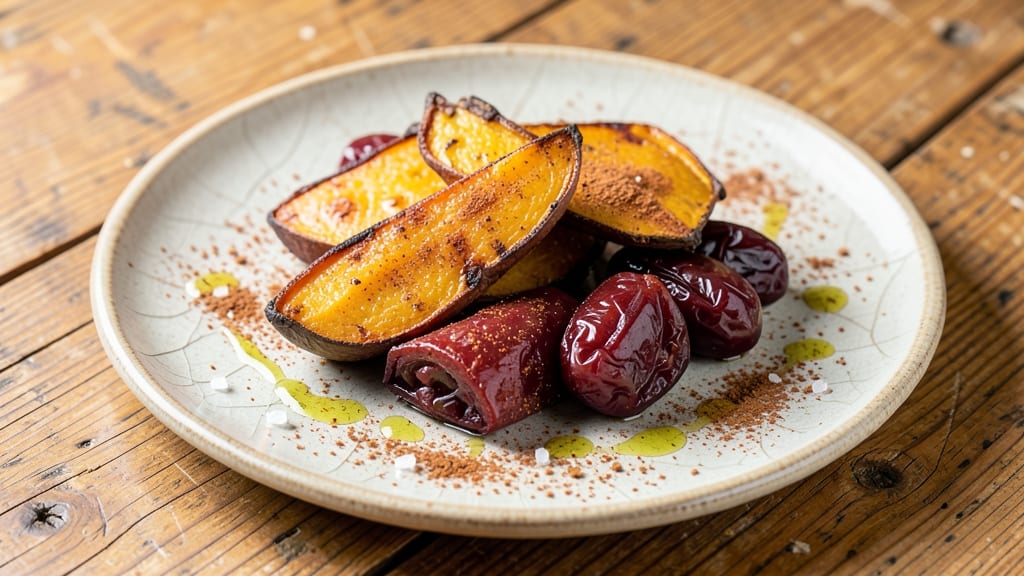
This sweet potato prune recipe transforms humble ingredients into a vegetarian-friendly side dish that balances earthy sweetness with warm spices. 🌟 The secret lies in roasting sweet potatoes until tender and caramelizing prunes until sticky—creating a dish that’s naturally sweet, spiced, and packed with texture.
Perfect for holiday tables or weeknight dinners, this recipe delivers restaurant-quality results without the fuss.
The magic happens when sweet potatoes and prunes roast together, their flavors melding into a harmonious blend of caramelized sweetness and aromatic spices. A pinch of cinnamon and nutmeg deepens the warmth, while a touch of olive oil ensures a crispy exterior.
The best part? This dish is foolproof—no complicated techniques, just simple ingredients and a 30-minute hands-off process.
By the end, you’ll have a golden-brown side dish with tender sweet potatoes and plump, jammy prunes that practically melt in your mouth. The spices linger on the tongue, while the natural sweetness satisfies cravings without being overpowering.
Serve alongside roasted meats, grilled fish, or even as a vegetarian main with a dollop of Greek yogurt or tahini.
For extra richness, sprinkle with toasted pecans or a drizzle of honey before serving. The recipe is easily adaptable—swap prunes for dried apricots or add a pinch of cayenne for a subtle kick. Let’s get started!
Ingredients for sweet potato prune
Transform humble ingredients into a vegetarian side dish where sweet potatoes and prunes roast into caramelized harmony.
| Ingredient | Amount | Notes |
|---|---|---|
| Sweet Potatoes 🍠 | 2 lbs | Medium-sized, peeled and cubed |
| Prunes 🍇 | 1 ½ cups | Pitted, dried and halved |
| Extra-Virgin Olive Oil 🫒 | 3 tbsp | Cold-pressed for fruity flavor |
| Ground Cinnamon 🌿 | 1 tsp | Freshly ground preferred |
| Ground Nutmeg 🌿 | ¼ tsp | Freshly grated for warmth |
| Salt 🧂 | ½ tsp | Diamond Crystal kosher salt |
| Black Pepper 🌶️ | ¼ tsp | Freshly cracked preferred |
| Brown Sugar 🍯 | 1 tbsp | Lightly packed for balance |
| Toasted Pecans 🌰 | ¼ cup | Chopped, for garnish |
| Raw Honey 🍯 | 1 tbsp | For drizzling (optional) |
| Fresh Rosemary 🌿 | 1 sprig | Chopped, for aroma |
| Vegetable Broth 💧 | ¼ cup | Low-sodium for balance |
The sweet potatoes are the foundation—opt for orange-fleshed varieties like Beauregard for their natural sweetness. Whole Foods or local farmers' markets often carry the freshest, most flavorful tubers. For prunes, Sun-Maid brand is reliable, but organic dried prunes from bulk bins add depth. The olive oil should be extra-virgin with noticeable peppery notes—California avocado oil works beautifully if you prefer a neutral base. Freshly ground spices make all the difference; Penzeys Spices offers pre-ground blends, but grinding whole spices yourself ensures maximum aroma.
No prunes? Dried apricots or dates work as substitutes, though they require longer roasting. Swap brown sugar for maple syrup or agave nectar if you prefer a less refined sweetener. For extra richness, toasted walnuts or almonds can replace pecans. The rosemary is optional but adds a sophisticated herbal note—dried works at one-third the amount. If you're short on time, pre-cut sweet potatoes from the produce section save effort. For a spicier kick, add a pinch of cayenne or smoked paprika to the spice mix.
Store leftovers in an airtight container for up to 5 days, though they reheat best when warmed gently in a skillet. The prunes caramelize further upon reheating, so keep an eye on them. For make-ahead convenience, roast the sweet potatoes and prunes separately, then toss together before serving. This dish freezes beautifully for up to 3 months—portion into single servings before freezing for easy reheating. Garnish with toasted pecans and a drizzle of honey just before serving to elevate presentation.
Why You'll Love This Recipe
- One-Pan Magic: I swear by this recipe when I’m too tired to scrub pots—just roast the sweet potatoes and prunes together, toss with olive oil and spices, and walk away. The prunes caramelize right alongside the potatoes, so you’re not stuck with separate dishes or extra cleanup.
- Spiced Comfort in Every Bite: That cinnamon-nutmeg combo? It’s like a warm hug for your taste buds. The prunes add a chewy sweetness that balances the earthy sweetness of the potatoes, and the olive oil keeps everything moist without being greasy. Honestly, it tastes like dessert but counts as a side.
- Meal Prep MVP: Between us, this is my go-to for lunches all week. Roast a big batch on Sunday, store in the fridge, and reheat with a sprinkle of cinnamon—it’s perfect cold or warm. My kids grab it straight from the fridge for school lunches, and it’s still delicious three days later.
- Budget-Friendly Luxury: Sweet potatoes and prunes are pantry staples that won’t break the bank, and you’re using the whole vegetable—not just the fancy cuts. I’ll be real: it feels like a gourmet dish for half the cost of roasted veggie trays at restaurants. Plus, the spices are minimal but make all the difference.
Step-by-step instructions for roasted sweet potatoes with prunes
Here's the method for achieving perfect caramelized sweetness and spiced harmony in every bite.
🔥 Step 1: Roast Sweet Potatoes Until Tender and Golden
Preheat your oven to 400°F and line a large baking sheet with parchment paper. Toss the 2 lbs cubed sweet potatoes with 2 tablespoons of the extra-virgin olive oil, 0.5 tsp salt, 0.25 tsp black pepper, 1 tsp ground cinnamon, and 0.25 tsp ground nutmeg. Spread them in a single layer—they need room to caramelize.
Roast for 25-30 minutes, stirring once halfway, until the edges are deep golden brown and a knife slides in easily. The sweet potatoes should be tender but still hold their shape—overcooking turns them mushy. Real talk: if you see steam when you open the oven, they're not quite ready yet.
🍳 Step 2: Caramelize Prunes with Honey and Rosemary
While the sweet potatoes roast, heat a medium skillet over medium heat. Add the 1.5 cups halved prunes and 1 tablespoon raw honey, stirring gently for 3-4 minutes until the prunes soften and release their juices. The honey should begin to glisten and slightly caramelize around the edges.
Stir in the chopped sprig fresh rosemary and 1 tablespoon brown sugar, cooking for another 2 minutes until fragrant. Remove from heat and set aside—this mixture will deepen in flavor while you finish the sweet potatoes. Here's the thing: the rosemary adds an earthy complexity that balances the sweetness perfectly.
🥘 Step 3: Deglaze and Combine with Roasted Potatoes
Return the skillet to medium heat and add 0.25 cup vegetable broth, scraping up any browned bits from the bottom. Let it simmer for 1-2 minutes until slightly reduced. This step captures all the caramelized flavors that would otherwise disappear.
Transfer the roasted sweet potatoes to the skillet with the prune mixture. Toss everything together gently, coating the potatoes in the sticky, fragrant sauce. The residual heat will finish cooking the prunes while infusing them with the sweet potato's natural sugars. You'll know it's perfect when the mixture smells like warm spice cake.
🔪 Step 4: Garnish and Serve Warm
Transfer the dish to a serving platter and sprinkle with 0.25 cup toasted pecans. The pecans add a satisfying crunch that contrasts beautifully with the tender sweet potatoes and soft prunes. Serve immediately while everything is warm—this dish is best enjoyed straight from the oven.
Each bite should deliver a perfect balance of caramelized sweetness from the prunes, warm spice notes from the cinnamon and nutmeg, and a touch of herbal brightness from the rosemary. The pecans provide that final textural element that makes this dish truly special. Don't skip the garnish—it's what ties everything together.
Pro Tips For Making Sweet Potato Prune
- Peel and Cube Small: Sweet potatoes are stubborn when raw—cut them into 1-inch cubes before peeling. The knife slides easier, and you’ll avoid the frustration of peeling a lumpy mess after slicing. (Yes, even if you’re impatient like me.)
- Roast Prunes First: Toss prunes in a dry pan for 2–3 minutes until slightly puffed—this softens them faster than raw. Skip this, and they’ll stay chewy no matter how long you bake the sweet potatoes.
- Oil the Prunes: Drizzle prunes with olive oil before mixing with sweet potatoes. They’ll caramelize better and stick to the spuds instead of drying out in a sad, separate pile.
- Bake at 400°F: Too low, and the prunes stay rubbery; too high, and the sweet potatoes burn before the prunes soften. 400°F is the sweet spot—check at 25 minutes, then tent with foil if needed. (Your future self will thank you.)
Common mistakes when making this dish
Overcrowding the Pan
This is the #1 mistake I see when making this dish—packing too many sweet potatoes into the baking sheet. When you overcrowd, the potatoes steam instead of roast, resulting in soggy, unevenly cooked edges. 🌡️ Always spread them in a single layer with about ½ inch between each cube.
If your baking sheet is small, roast in batches for even browning.
Skipping the Prune Prep
Using whole prunes instead of halving them leads to uneven cooking—some stay hard while others turn mushy. Halving ensures they caramelize evenly and release their juices properly. I also recommend soaking prunes in warm water for 10 minutes if they're particularly tough, then patting them dry before roasting.
Underestimating Rest Time
Freshly roasted sweet potatoes need 5-10 minutes to rest after coming out of the oven. Cutting into them too soon causes the insides to spill out, making the dish look messy. Let them sit while you finish the prunes—this also helps the flavors meld more deeply.
Burning the Prunes
Prunes caramelize quickly, so watch them closely when adding honey. I've seen them go from perfectly soft to charred in under 30 seconds**. Keep the heat at medium-low and stir constantly. A quick test: when the prunes release their juices and smell intensely fruity, they're ready.
Ignoring the Deglaze
Skipping the vegetable broth deglaze means losing all those precious caramelized bits stuck to the pan. Those bits pack intense flavor—don't miss your chance to capture them! Use low-sodium broth so you don't over-salt the dish. This simple step elevates the entire flavor profile. ✨
Over-Spicing
While cinnamon and nutmeg are key, adding too much can make the dish taste like dessert rather than savory side. Stick to the 1 tsp cinnamon and ¼ tsp nutmeg measurements—you can always add more at the table if desired. Remember, these spices build flavor gradually during roasting.
Nutrition facts
Frequently asked questions
Can I make this recipe without an oven?
For a stovetop version, parboil the sweet potatoes until tender (8-10 minutes), then drain and toss with spices. Cook the prunes in a skillet with honey and rosemary as directed, then combine everything in the same pan. The texture will be slightly softer, but the flavors stay rich and balanced.
How do I store leftovers?
Transfer to an airtight container and refrigerate for up to 5 days. Reheat gently in a skillet over low heat with a splash of water to restore moisture. For longer storage, freeze portions for 3 months—thaw overnight in the fridge before reheating. The prunes will caramelize further upon reheating, so keep an eye on them!
What's the best way to serve this dish?
This vegetarian-friendly side pairs beautifully with roasted meats, grilled fish, or even as a hearty main with a dollop of Greek yogurt. Garnish with toasted pecans and a drizzle of honey just before serving for extra elegance. For a dessert twist, serve warm with vanilla ice cream or whipped cream.
Can I substitute prunes for another dried fruit?
Yes! Dried apricots or dates work well—just adjust cooking time (1-2 extra minutes) since they're softer. For a spicier kick, add ½ tsp cayenne to the spice mix. Keep portions equal (1.5 cups) for balanced sweetness. The texture will vary slightly, but the dish remains delicious.
Why do my prunes turn bitter?
Overcooking or high heat causes bitterness. Keep the skillet at medium-low and stir constantly—prunes should soften in 3-4 minutes. If they taste bitter, reduce honey slightly (½ tbsp) next time. Fresh prunes also matter: older dried fruits develop stronger flavors.