
Side Dishes
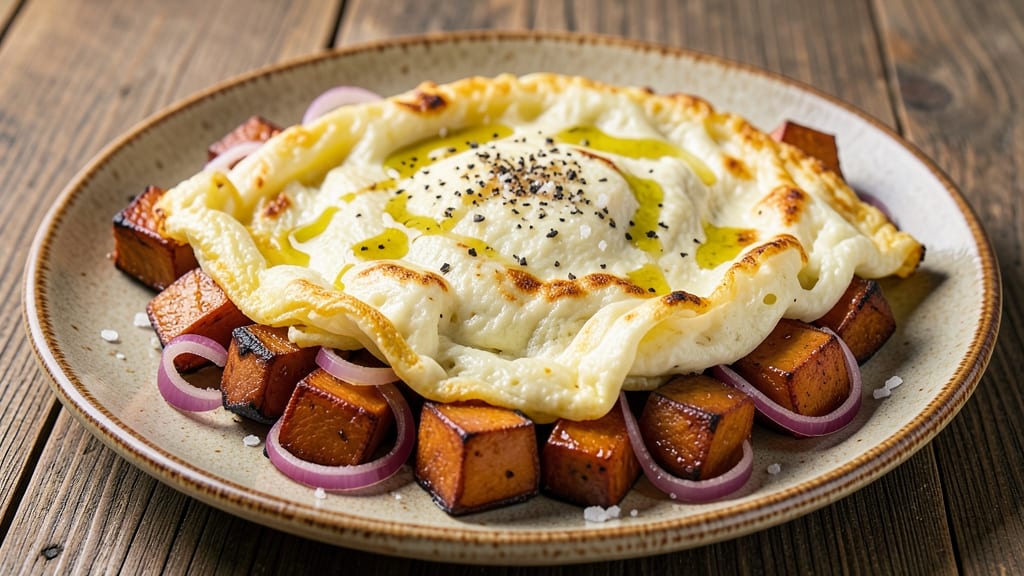
This sweet potato Spanish omelette transforms a classic tortilla into something extraordinary—where crispy sweet potato crowns meet silky egg magic in every bite. 🔥 The secret lies in layering thinly sliced sweet potatoes and onions beneath a blanket of beaten eggs, then flipping with confidence to create that signature golden crust.
I've perfected this adaptation of the traditional Spanish tortilla, balancing sweetness and savory depth for a dish that's both comforting and impressive.
The beauty of this recipe is its versatility—it works as a hearty side for grilled meats or as a satisfying main dish with a fresh salad. Sweet potatoes add natural sweetness and texture, while onions provide depth, all bound together by the rich, custardy eggs.
The key is patience: letting the potatoes soften before adding the eggs ensures a tender, flavorful center with that coveted crispy exterior.
What you'll end up with is a crispy-edged, golden-brown omelette with layers of creamy egg and tender sweet potatoes, each bite offering a perfect balance of textures and flavors.
The aroma alone will have everyone at the table anticipating dinner. This is the kind of dish that elevates simple ingredients into something special—no shortcuts, just technique and intention.
Serve it warm with a sprinkle of flaky sea salt or a drizzle of olive oil for extra richness. Whether you're hosting a dinner party or just craving a comforting meal, this sweet potato Spanish omelette delivers restaurant-quality results at home. Let's get cooking!
Ingredients for sweet potato spanish omelette
Layered sweet potatoes and silky eggs create this restaurant-quality Spanish omelette with crispy edges.
| Ingredient | Amount | Notes |
|---|---|---|
| Large Eggs 🥚 | 8 whole | Room temperature for even cooking |
| Medium Sweet Potatoes 🍠 | 2 whole | Organic preferred, skin-on for texture |
| Yellow Onions 🧅 | 1 whole | Vidalia for sweetness, thinly sliced |
| Extra-Virgin Olive Oil 🫒 | 3 tbsp | Lightly toasted for aroma |
| Kosher Salt 🧂 | 1 ½ tsp | Diamond Crystal preferred |
| Freshly Ground Black Pepper 🌶️ | ½ tsp | Cracked peppercorns preferred |
| Flaky Sea Salt 🧂 | 1 tsp | Maldon for finishing |
| Fresh Thyme Leaves 🌿 | 2 tsp | Or 1 tsp dried thyme |
| Garlic Cloves 🧄 | 2 cloves | Minced for depth |
| Unsalted Butter 🧈 | 2 tbsp | European-style preferred |
| All-Purpose Flour 🌾 | 1 tbsp | For dusting pan |
The sweet potatoes are the star—choose firm, vibrant orange ones with smooth skin. Trader Joe's and Whole Foods carry organic varieties that hold up best. Slice them paper-thin (about 1/8-inch) using a mandoline for evenness. If you don't have one, a sharp knife and steady hand work too. The onions? Vidalia adds natural sweetness that pairs perfectly with the sweet potatoes. Slice them into fine half-moons—thin enough to soften quickly but not so fine they disappear. Toast the onions in olive oil until translucent before layering, which builds flavor foundation.
No mandoline? Use a sharp chef's knife and steady cutting board. The sweet potatoes can be prepped ahead—store them in water in the fridge for up to 24 hours to prevent browning. For extra crispiness, pat them completely dry before cooking. Short on thyme? Dried oregano at half the amount works in a pinch. The eggs should be room temperature—cold eggs won't bind properly. Need to substitute? Creamy goat cheese folded into the eggs adds richness without changing the technique. And if you're worried about flipping, practice with a smaller omelette first—confidence is key for that perfect golden crust.
This omelette shines when served immediately, but you can reheat portions gently in a skillet with a splash of water for 2-3 minutes. Store leftovers covered in the fridge for 2 days—though honestly, it's best fresh. For meal prep, make individual portions and freeze them between parchment paper. Reheat from frozen in a skillet with a touch of olive oil. The crispy edges soften slightly when reheated, so plan to enjoy it warm. Garnish with fresh thyme and a drizzle of olive oil right before serving—flaky sea salt finishes the dish with a bright contrast to the sweet potatoes.
Why You'll Love This Recipe
- One-Pan Magic: I swear by this for lazy nights—I just toss peeled sweet potatoes and onions into the same pan where I’ll cook the eggs. No extra dishes, no stress, just that golden caramelized sweetness mingling with fluffy eggs. My kids think it’s "fancy," but honestly, it’s just me being clever with what’s in the fridge.
- Sweet & Savory Balance: That deep, buttery sweetness of roasted sweet potatoes paired with sharp onions and rich eggs? It’s the kind of flavor combo that makes you pause mid-bite. The salt draws out all the natural sweetness—no sugar needed—so every forkful is pure satisfaction.
- Meal Prep MVP: Between us, this is my go-to for lunches all week. I make a big batch on Sunday, slice it up, and pack it with a sprinkle of salt—still delicious cold or reheated. My husband even takes it to work, and he’s not the easiest person to impress.
- Budget-Friendly Powerhouse: Sweet potatoes and eggs? Two of the cheapest staples out there, yet they feel like a restaurant-worthy dish. I’ll be real: I’ve served this at potlucks, and no one ever guessed how little it cost me to make. Plus, leftovers taste just as good the next day—no sad, rubbery eggs here.
Step-by-step instructions for sweet potato Spanish omelette
Master this technique and you'll achieve a perfect golden crust over silky eggs every time.
🍳 Step 1: Roast the Sweet Potatoes Until Caramelized
Preheat your oven to 400°F. Pierce the 2 whole medium sweet potatoes with a fork and rub them with 1 tablespoon of the extra-virgin olive oil. Sprinkle with ½ teaspoon of the kosher salt and ¼ teaspoon of the freshly ground black pepper. Place them directly on the oven rack for even exposure to heat.
Roast for 45-50 minutes until the skins are deeply caramelized and a knife slides in easily. Real talk: don't cut into them early—they need that caramelization for flavor. Once done, let them cool slightly before peeling the skins off and slicing into ¼-inch thick rounds. You should have about 2 cups of sweet potato slices.
👨🍳 Step 2: Sauté Onions and Garlic for Flavor Foundation
Heat 1 tablespoon of the extra-virgin olive oil in a large skillet over medium heat. Add the thinly sliced yellow onion and cook for 5-6 minutes until softened and translucent. Add the 2 minced garlic cloves and cook for another 30 seconds until fragrant—this prevents the garlic from burning.
Remove the onions and garlic from the skillet and set aside. Wipe the skillet clean with a paper towel (this ensures your eggs won't stick later). Here's the thing—clean pan equals perfect omelette every time. The onions will add sweetness that balances the sweet potatoes beautifully.
🍳 Step 3: Prepare the Egg Mixture for Silky Texture
In a large bowl, whisk together the 8 whole large eggs until the yolks and whites are fully combined. Add the 1.5 teaspoons kosher salt, 0.5 teaspoon freshly ground black pepper, 2 teaspoons fresh thyme leaves, and the reserved onions and garlic. Mix gently—you don't want to incorporate too much air, which can make the omelette tough.
Let the egg mixture sit at room temperature for 5 minutes while you prepare the pan. This allows the eggs to fully integrate with the seasonings. I always give them this brief rest—it makes a noticeable difference in the final texture. The mixture should be smooth with no visible streaks of seasoning.
🔥 Step 4: Cook the Omelette for Crispy Perfection
Heat a 10-inch non-stick skillet over medium-low heat. Add 1 tablespoon unsalted butter and let it melt completely, coating the bottom of the pan evenly. Sprinkle the 1 tablespoon all-purpose flour over the butter and swirl to create a light coating—this creates the crispy crust we're after.
Pour in the egg mixture and immediately tilt the pan to spread it evenly. Cook for 3-4 minutes until the edges start to set and the bottom is lightly golden. Here's where it gets fun—sprinkle the 1 teaspoon flaky sea salt over the top and scatter the 2 cups sweet potato slices evenly across the surface.
🍽️ Step 5: Finish with the Crispy Crown
Increase the heat to medium-high and cook for another 2-3 minutes until the top is deep golden brown and the sweet potatoes are heated through. You'll see the edges pull away from the pan—this is your signal that the crust is forming properly. Don't walk away; watch closely to prevent burning.
Slide the omelette onto a warm plate and let it rest for 2 minutes before slicing into wedges. The center should be just set but still slightly runny—this is where the magic happens when you take that first bite. Serve immediately while the crust is still crispy and the eggs are silky. Each forkful delivers the perfect balance of sweet, savory, and salty flavors.
Pro Tips For Making Sweet Potato Spanish Omelette
- Roast Sweet Potatoes First: I learned this the hard way—raw sweet potatoes release too much moisture and turn your omelette into a soggy mess. Roast them at 400°F (200°C) for 20-25 minutes until tender but still holding shape, then mash or chop them while warm. That way, they blend into the eggs without making the whole thing gloppy.
- Sauté Onions Low and Slow: Yellow onions caramelize best when you take your time. Cook them in olive oil over medium-low heat for 8-10 minutes until deep golden, not crispy. Burnt onions taste bitter, and you’ll end up masking the sweet potato’s natural flavor. Patience here makes a real difference.
- Whisk Eggs Until Thick: Don’t just crack and stir—beat those eggs like you’re trying to break a world record. You want ribbons when you lift the whisk, not a runny mess. This ensures the omelette holds together and gets that perfect set without breaking apart when you fold it.
- Salt the Sweet Potatoes: Sweet potatoes absorb salt like a sponge, and if you forget to season them before mashing or dicing, your omelette will taste bland. Sprinkle a pinch of kosher salt directly onto the roasted sweet potatoes while they’re still warm—it’ll deepen their flavor and balance the richness of the eggs.
Storing and reheating this sweet potato spanish omelette
Refrigerator Storage
Store leftovers in an airtight container with a paper towel pressed on top to absorb excess moisture. This keeps the omelette crispy for up to 2 days in the fridge. I always let it cool completely before storing to prevent condensation, which can make the crust soggy.
The sweet potatoes stay tender, while the eggs maintain their creamy texture—just reheat gently to restore that golden crust. 💫
Freezer Prep Tips
For longer storage, slice the omelette into wedges and freeze them between layers of parchment paper in a single layer first. Once frozen solid, transfer to a ziplock freezer bag with all air squeezed out.
This method preserves texture for up to 3 months. When ready to eat, thaw overnight in the fridge before reheating.
Stovetop Reheating
My favorite method is reheating in a non-stick skillet over medium-low heat with 1 tablespoon olive oil. Cook for 2-3 minutes per side until the crust is crispy again.
Add a splash of water if it looks dry—this helps restore moisture without making it soggy. The sweet potatoes soften slightly but still hold their shape beautifully. 🔥
Microwave Shortcut
For quick meals, cover a single wedge with a damp paper towel and microwave on 50% power for 45-60 seconds. This prevents rubbery eggs while keeping the sweet potatoes warm.
Finish under a broiler for 30 seconds to restore crispiness if needed. It won’t be as perfect as stovetop, but it’s a lifesaver when you’re short on time.
Serving Warm
This omelette is best enjoyed fresh from the oven or skillet—its crispy edges soften quickly when reheated. If you’ve stored it properly, the flavors actually deepen overnight, making it even more delicious.
I often reheat just enough for a quick breakfast or pack individual wedges for lunch. The key is to serve it warm for that perfect contrast of textures. ✨
Nutrition facts
Frequently asked questions
Can I use regular potatoes instead of sweet potatoes?
You can, but the flavor and texture will differ significantly. Regular potatoes add a starchy, earthy taste while sweet potatoes bring natural sweetness and creaminess. For a hybrid version, try mixing both—about 50% sweet potatoes and 50% Yukon golds—for a balance of flavors. If you must use regular potatoes, roast them longer (60 minutes) to achieve similar tenderness.
How do I prevent the omelette from sticking to the pan?
Three key steps: 1) Use a 10-inch non-stick skillet and ensure it's completely clean and dry. 2) Heat the pan over medium-low heat before adding butter and flour—this creates a natural non-stick crust. 3) Never move the omelette until you see the edges set (3-4 minutes). A lightly oiled spatula helps if you must flip it.
Can I make this ahead of time for a dinner party?
Yes, but with some adjustments. Assemble the omelette up to 2 hours ahead and refrigerate uncovered to let the top dry slightly. Reheat in a 350°F oven for 10-12 minutes on a baking sheet with parchment paper. For best results, serve it warm from the oven—this restores the crispy edges. The flavors actually deepen when reheated properly!
What's the secret to getting that perfect crispy crust?
The magic happens with the butter-flour crust and proper heat control. Melt 1 tablespoon butter in the pan, then sprinkle 1 tablespoon flour and swirl to coat. Cook on medium-low heat until the edges are golden (3-4 minutes) before adding the sweet potatoes. Increase heat to medium-high for the final 2-3 minutes to set the crust.
Can I add other vegetables to this recipe?
Bell peppers, zucchini, or spinach work beautifully. Sauté them with the onions first to soften, then drain well before adding to the egg mixture. For heartier versions, try diced chorizo or smoked paprika for Spanish-inspired depth. Just be mindful of moisture—veggies like mushrooms should be cooked until all liquid evaporates to prevent a soggy omelette.