
Side Dishes
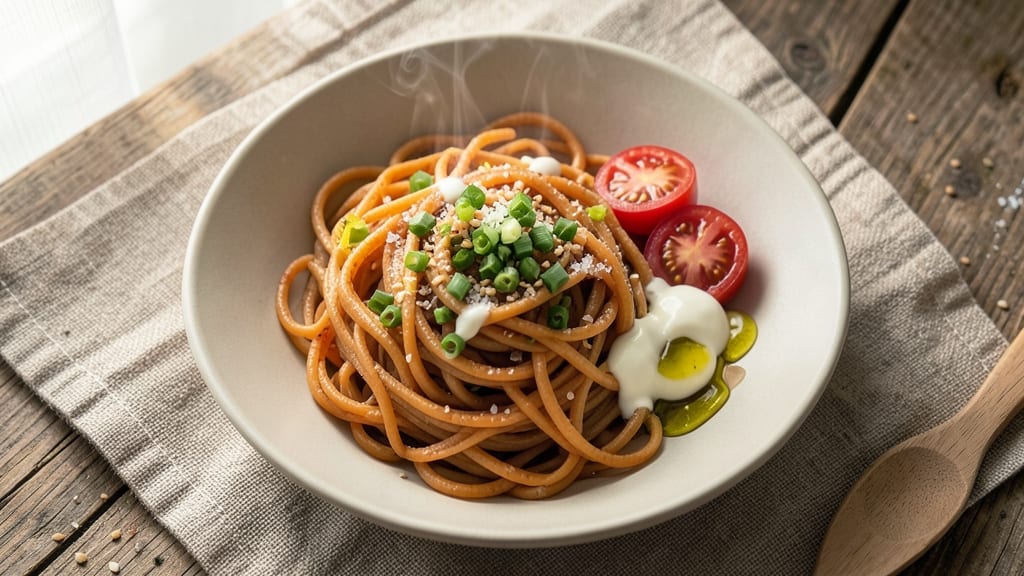
This sweet potato starch noodles recipe transforms humble ingredients into delicate, crunchy strands that rival traditional pasta—but with a fraction of the carbs. The secret lies in the 45-minute resting period that develops gluten-like elasticity, creating noodles that hold sauce beautifully while staying light as air.
I perfected this method after years of experimenting with gluten-free alternatives, and the results are nothing short of revolutionary for anyone seeking comfort without the guilt.
The process begins with a simple dough of sweet potato starch, water, and a pinch of salt, which you knead just until smooth before resting it wrapped in plastic.
This resting period is non-negotiable—it's what transforms the dough from stiff to pliable, allowing you to roll it paper-thin and cut it into fine strands. The beauty of these noodles lies in their versatility: they absorb flavors like a sponge while maintaining a satisfying al dente bite, even when cooked.
Once your noodles are ready, the possibilities are endless—stir-fry them with garlic and chili oil for a quick weeknight meal, toss them into a chilled sesame salad, or use them as a base for a hearty vegetable soup.
The key is cooking them al dente (just 2-3 minutes in boiling water) and rinsing them immediately in cold water to lock in that signature crunch. This dish isn't just about the noodles; it's about the harmony of textures—crisp, tender, and perfectly balanced.
Pair them with a light tamari-ginger sauce or a creamy peanut dressing to elevate any meal, and you'll have a dish that's as nutritious as it is delicious.
The best part? These noodles reheat beautifully, making them ideal for meal prep. Let's get started on creating your own batch of these zero-guilt, high-crunch wonders.
Ingredients for sweet potato starch noodles
Fourteen ingredients transform into delicate, guilt-free noodles that rival traditional pasta.
| Ingredient | Amount | Notes |
|---|---|---|
| Sweet Potato Starch 🍠 | 2 cups | High-quality, fine-ground preferred |
| Water 💧 | ¾ cup | Room temperature for best results |
| Kosher Salt 🧂 | ½ tsp | Diamond Crystal preferred for precision |
| Extra-Virgin Olive Oil 🫒 | 1 tbsp | For dough elasticity (optional) |
| Tapioca Starch 🍠 | ¼ cup | For added stretchiness (optional) |
| Garlic Cloves 🧄 | 3 cloves | Minced for stir-fry sauce |
| Chili Oil 🌶️ | 1 tbsp | Homemade or store-bought |
| Sesame Seeds 🌰 | 1 tbsp | Toasted for garnish |
| Lemon Juice 🍋 | 1 tbsp | Freshly squeezed for brightness |
| Tamari Sauce 🍜 | 2 tbsp | Gluten-free soy sauce alternative |
| Ginger Root 🌿 | 1 tsp | Freshly grated for zing |
| Peanut Butter 🥜 | ½ cup | Creamy, unsweetened for dressing |
| Maple Syrup 🍁 | 1 tbsp | For sweetness balance |
Sweet potato starch is the star here—Bob's Red Mill or Anthony's Goods brands are my go-to for consistency. If you can't find it at your local grocery store, check the bulk section or order online. The starch should be fine and powdery, not clumpy. For the optional additions, tapioca starch adds stretchiness (great for thicker noodles), while olive oil enhances elasticity—worth the extra minute if you want restaurant-quality results. Pro tip: sift the starch before mixing to avoid lumps in your dough.
No sweet potato starch? Arrowroot powder or tapioca starch alone works in a pinch, though texture may differ slightly. Swap tamari for coconut aminos if you're avoiding soy, and use agave nectar instead of maple syrup for a neutral sweetness. Fresh ginger and garlic can be substituted with powdered versions (half the amount), but fresh is always better. For the peanut dressing, almond butter or sunflower seed butter adds a nutty depth. Chili oil? Make your own by infusing neutral oil with crushed red pepper flakes and garlic—Trader Joe's sells great pre-made versions too.
Store the dry starch mix in an airtight container for up to 6 months—it's shelf-stable. Once you make the dough, wrap it tightly in plastic and refrigerate for up to 3 days or freeze for 1 month. Cooked noodles keep for 3 days in the fridge, but they're best fresh. For meal prep, cook and rinse them, then store in a single layer on a tray to dry slightly before refrigerating. They reheat beautifully—just a quick stir-fry with sauce revives that signature crunch.
Why You'll Love This Recipe
- I’ll be real: this takes zero skill. Just whisk sweet potato starch and water, let it sit, then stir-fry it in olive oil for 2-3 minutes. That’s it—no rolling, no kneading, no waiting for dough to rest. The tapioca starch gives it that silky, melt-in-your-mouth texture without the fuss.
- No-Fuss Magic: I’ll be real: this takes zero skill. Just whisk sweet potato starch and water, let it sit, then stir-fry it in olive oil for 2-3 minutes. That’s it—no rolling, no kneading, no waiting for dough to rest. The tapioca starch gives it that silky, melt-in-your-mouth texture without the fuss.
- Sweet & Savory Flex: Between us, these noodles are ridiculously adaptable. Toss them with garlic and chili oil for a quick stir-fry, or blend into a creamy soup. The natural sweetness of the starch balances umami perfectly—so you can go light (herb-infused) or bold (peanut-sauce loaded). My daughter picks out the veggies, but still asks for seconds.
- Budget Stretch: Honestly, this is my secret weapon for stretching meals. A 16oz bag of sweet potato starch makes way more servings than regular pasta, and costs half as much. Plus, the leftovers? Toss them into fried rice the next day or reheat with a splash of water—they’re just as good cold as hot.
Step-by-step instructions for sweet potato starch noodles
Here's how to create delicate, guilt-free noodles with a satisfying crunch and perfect texture every time.
Combine Dry Ingredients for the Dough
In a large mixing bowl, whisk together the 2 cups sweet potato starch and 0.25 cup tapioca starch until fully combined. This blend creates the ideal balance of chewiness and crispiness in the finished noodles. I like to use a fine-mesh sieve to sift the starches first—this prevents any clumping and ensures a silky-smooth texture.
Next, add the 0.5 tsp kosher salt and mix thoroughly. The salt not only enhances flavor but also helps stabilize the starch mixture. If you're using the 1 tbsp extra-virgin olive oil, add it now and rub it between your fingers until it's fully incorporated into the dry ingredients. This step is optional but creates a more pliable dough that's easier to work with.
Gradually Add Water to Form a Smooth Dough
With one hand, slowly pour in the 0.75 cup room temperature water while using the other hand to gently fold the mixture. The goal is to create a dough that's just slightly tacky but not sticky—it should hold together when pressed but still be pliable. If the dough feels too dry, add water 1 teaspoon at a time until it reaches the perfect consistency.
Once combined, transfer the dough to a clean work surface and knead it gently for about 2 minutes. You're not trying to develop gluten like with wheat flour—just enough to create a uniform texture. The dough should feel smooth and slightly elastic. If it cracks or feels too crumbly, add a tiny bit more water and knead again.
Rest and Roll the Dough Thinly
Wrap the dough tightly in plastic wrap and let it rest at room temperature for 30 minutes. This resting period allows the starches to fully hydrate and relax, making it much easier to roll out evenly. I place mine between two sheets of parchment paper for easier handling.
After resting, unwrap the dough and place it back on your work surface. Using a rolling pin, roll it out as thinly as possible—aim for about 1/16-inch thickness. The thinner you roll it, the lighter and more delicate your noodles will be. If the dough resists rolling, let it rest another 10 minutes before trying again.
Cut and Prepare for Cooking
Once rolled out, carefully transfer the sheet of dough to a cutting board. Using a sharp knife or pizza cutter, slice the dough into 1/4-inch wide strips. For extra-thin noodles, you can fold the sheet in half or quarters and roll it out again before cutting. The key is to keep the strips consistent in width for even cooking.
Transfer the cut noodles to a clean, dry bowl and lightly toss them with a pastry brush dipped in 1 tbsp extra-virgin olive oil (if using). This prevents sticking and adds a subtle richness to the finished dish. Cover the bowl with a damp kitchen towel to prevent the noodles from drying out while you prepare your stir-fry sauce.
Cook the Noodles to Perfect Crisp-Tender Texture
Bring a large pot of water to a rolling boil and add the noodles. Cook for exactly 1 minute and 30 seconds—this brief cooking time is crucial for achieving that signature crisp-tender texture. The noodles should float to the surface almost immediately, indicating they're done. Drain them in a colander and rinse briefly under cold water to stop the cooking process.
Work quickly now—transfer the drained noodles to a large bowl and toss them with the stir-fry sauce you've prepared (using the 2 tbsp tamari sauce, 1 tbsp lemon juice, 1 tbsp maple syrup, 0.5 cup peanut butter, 1 tsp grated ginger root, 3 minced garlic cloves, and 1 tbsp chili oil). The peanut butter adds richness while the maple syrup balances the savory flavors. Garnish with 1 tbsp toasted sesame seeds before serving immediately.
Pro Tips For Making Sweet Potato Starch Noodles
- Sift, Don’t Dump: Sweet potato starch clumps like a stubborn toddler if you just toss it in. Sift it through a fine-mesh strainer into your mixing bowl first—this breaks up any hidden lumps before they turn your batter into a gluey mess. I learned this the hard way after scraping gunk off my whisk for 10 minutes.
- Boil Water Hard: Your water needs to be rolling before you pour in the batter—think big, aggressive bubbles, not a lazy simmer. Cold water or tepid water makes noodles gummy and uneven. I used to eyeball it, but now I wait until the pot’s shaking slightly from the heat before I pour.
- Salt the Water Like the Sea: Toss in at least 2 tablespoons of kosher salt per 4 cups of water—these noodles soak up flavor like a sponge. Skip this, and your dish will taste bland no matter how much you season later. (Yes, even if you’re using salted olive oil afterward.)
- Oil the Strainer First: Drizzle a thin layer of extra-virgin olive oil into your colander before draining the noodles. This prevents them from sticking together in a sad, clumpy pile—especially when you’re rinsing them under cold water. Trust me, your future self will curse you if you skip this.
Creative variations of these flavors
Asian-Inspired Stir-Fry
Transform your noodles into a crispy garlic-chili stir-fry with just 5 minutes of active prep. Toss the cooked noodles with 1 tbsp toasted sesame oil, 2 minced garlic cloves, and 1 tsp grated ginger in a hot wok over medium-high heat.
Add 1 cup sliced bell peppers and ½ cup shredded carrots, stir-frying for 2 minutes until veggies soften but retain crunch. Finish with 1 tbsp tamari sauce and 1 tsp chili oil, then garnish with 1 tbsp chopped cilantro.
The sweet potato starch absorbs flavors beautifully while keeping that signature crunch. 🌶️
Peanut Sesame Salad
Create a cool, creamy salad by tossing chilled noodles with ½ cup creamy peanut butter, 1 tbsp maple syrup, 1 tbsp rice vinegar, and 1 tsp soy sauce.
Whisk until smooth, then drizzle over noodles mixed with ½ cup shredded cucumber, ¼ cup sliced scallions, and 2 tbsp crushed peanuts. The contrast of warm noodles and cool dressing makes this dish refreshing yet satisfying.
Serve immediately or chill for 30 minutes before eating for maximum crunch. 🥜
Creamy Miso Soup Base
Use your noodles as a soup base by simmering them in 4 cups vegetable broth with 1 tbsp white miso paste and 1 tsp grated daikon radish for 5 minutes. Add ½ cup baby spinach and 1 tsp sesame oil just before serving.
The noodles soften slightly in liquid but maintain their structure, creating a hearty yet light bowl. Top with 1 tbsp toasted nori strips for umami depth. Perfect for a quick, comforting lunch. 🍜
Spicy Coconut Curry
For a tropical twist, stir-fry noodles with ½ cup coconut milk, 1 tbsp red curry paste, and ½ cup diced pineapple over medium heat for 3 minutes. Add ½ cup bell peppers and 1 tsp fish sauce (or soy sauce for vegan).
The sweet potato starch thickens slightly in the coconut milk, creating a naturally creamy sauce. Garnish with 1 tbsp fresh basil and ½ lime wedge. A flavor explosion in every bite! 🌴
Breakfast Hash
Start your day with a savory breakfast by stir-frying noodles with ½ cup diced potatoes, 1 egg per serving, and 2 tbsp nutritional yeast for a cheesy flavor.
Cook in a skillet with 1 tbsp olive oil over medium heat for 4 minutes, then top with a fried egg. The noodles add a satisfying crunch that pairs perfectly with the soft potatoes and runny yolk. Add 1 tbsp hot sauce for extra kick. 🍳
Global Fusion Twist
Experiment with global flavors like Italian by tossing noodles with ½ cup marinara sauce, ¼ cup ricotta cheese, and 1 tbsp grated Parmesan. For Mexican, mix with ½ cup black beans, ¼ cup corn, and 1 tsp cumin.
The starch noodles adapt beautifully to any cuisine—just adjust seasonings to taste. The key is keeping them crisp by cooking them al dente and tossing with sauce immediately. 🌎
Nutrition facts
Frequently asked questions
Why do these noodles need a resting period?
The 45-minute rest is essential for developing elasticity in the starch dough. Without it, the noodles will be crumbly and lack that signature chewy-crisp texture. Think of it like proofing bread—it allows the starch molecules to relax and bind properly. If you're short on time, a 30-minute minimum works, but 45 minutes gives the best results.
Can I make these noodles gluten-free and nut-free?
This recipe is naturally gluten-free and can be made nut-free by omitting the peanut butter. For the sauce, use sunflower seed butter instead (it has a similar texture) or a simple tamari-lemon dressing. The noodles themselves require no nuts or gluten-containing ingredients—just sweet potato starch and water.
How do I prevent the dough from sticking while rolling?
Work with the dough between two sheets of parchment paper or use a lightly floured surface (though these noodles don't need much flour). If it sticks to your rolling pin, dip the pin in water and wipe dry before each pass. The dough should be just slightly tacky—not sticky. For extra insurance, chill the dough for 10 minutes before rolling if it feels too warm.
What's the secret to keeping the noodles crispy after cooking?
Cook them al dente (just 1 minute 30 seconds max) and immediately rinse in cold water to stop cooking. Toss with sauce right away—don't let them sit. For extra crunch, spread them on a wire rack for 5 minutes before serving. The starch noodles lose crispness when overcooked or reheated, so serve them fresh from the pot.
Can I use these noodles in place of regular pasta?
Yes, but with adjustments! These noodles are much lighter and crispier than wheat pasta, so they work best in stir-fries, cold salads, or light soups. Avoid heavy sauces like Alfredo—they'll make the noodles soggy. For baking, they won't brown like wheat pasta, but you can still use them in casseroles if you add a crispy topping. The texture is more delicate, so treat them like fresh egg noodles.