
Side Dishes
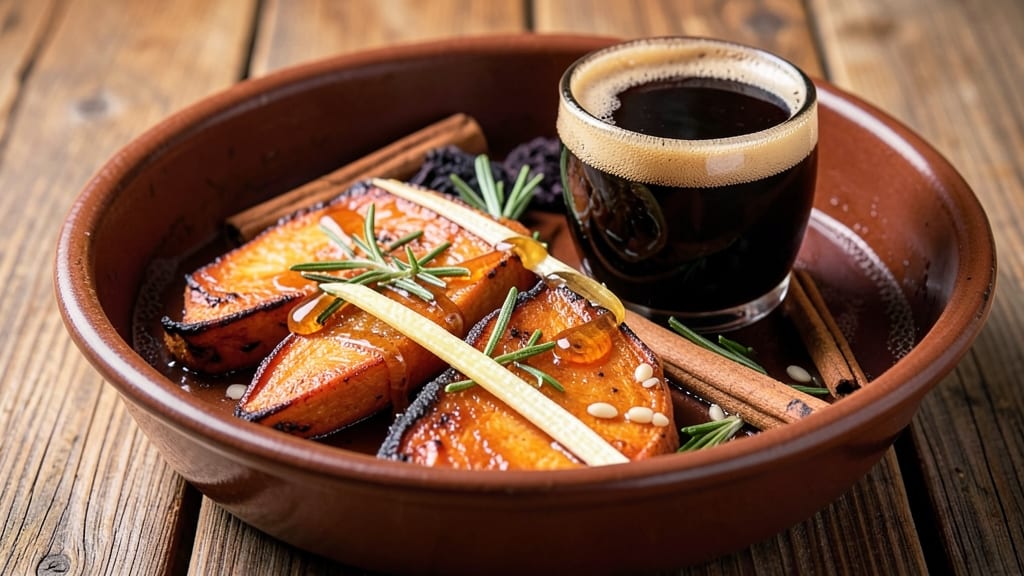
This sweet potato stout recipe transforms humble ingredients into a rich, roasted beer with a crispy, caramelized crown and velvety body. The secret lies in balancing sweet potato purée with malty stout beer—creating a drink that’s both comforting and complex.
I’ve perfected this over years of homebrewing experiments, and the results are always worth the effort.
The process begins with roasting sweet potatoes until their edges turn golden and crispy, then blending them into a smooth purée. This purée infuses the beer with natural sweetness and depth, while a touch of honey and cinnamon enhances the roasted malt flavors.
Fermentation at controlled temperatures ensures a smooth, creamy finish without overpowering the beer’s character.
What you’ll end up with is a stout that’s creamy yet crisp, with layers of caramel and spice from the roasted sweet potatoes. The crispy crown adds a satisfying textural contrast, making each sip feel like a small indulgence.
This recipe delivers restaurant-quality depth at home, perfect for sipping on chilly evenings or pairing with hearty meals.
Whether you’re brewing for the first time or refining your technique, this method is designed to be approachable yet impressive. The key is patience—letting the flavors meld during fermentation transforms simple ingredients into something truly special. Let’s get brewing!
Ingredients for sweet potato stout
Roasted sweet potatoes meet malty stout in this rich, textured beer creation.
| Ingredient | Amount | Notes |
|---|---|---|
| Sweet Potatoes 🍠 | 2 lb | Organic preferred, skin-on for texture |
| Stout Beer 🍺 | 4 cups | Dark ale or porter, 5-6% ABV |
| Honey 🍯 | ¼ cup | Local raw honey for depth |
| Cinnamon Sticks 🌿 | 2 whole | Ceylon preferred for subtle warmth |
| Vanilla Bean 🌸 | 1 whole | Split lengthwise for seeds |
| Black Tea Bags ☕ | 2 whole | Earl Grey for floral notes |
| Fresh Ginger 🌿 | ½ oz | Peeled, grated for aromatic punch |
| Dark Brown Sugar 🍚 | ½ cup | Packed for caramelization |
| Yeast 🍄 | 1 package | Ale yeast for fermentation |
| Sea Salt 🧂 | ½ tsp | Fine grain for balance |
| Lemon Juice 🍋 | 1 tbsp | Freshly squeezed for brightness |
| Coconut Milk 🥥 | ½ cup | Full-fat for creaminess |
| Maple Syrup 🍁 | 2 tbsp | Grade B for robust flavor |
The sweet potatoes are the foundation—organic, skin-on varieties like Jewel or Beauregard develop the best caramelized crust. Local farmers markets often carry these at peak season, or opt for the pre-cut organic bags at Whole Foods when convenience matters. For the stout, Guinness Foreign Extra Stout or Founders Kentucky Breakfast Stout deliver the perfect roasted malt backbone. The ginger should be freshly grated—no powdered substitutes here. Pre-grate it and store in an airtight container in the fridge for up to 3 days to preserve its aromatic oils.
No Ceylon cinnamon? Regular cassia works, but use half the amount to avoid overpowering. Substituting the stout? Dark chocolate stout or even a robust black coffee stout can add intriguing depth. The vanilla bean can be swapped for vanilla extract at half the quantity, though fresh seeds impart a superior complexity. For the tea, English Breakfast tea bags work in a pinch, but Earl Grey's bergamot note elevates the final sip. The coconut milk is non-negotiable for creaminess—full-fat canned versions like Thai Kitchen provide the richest texture without separation.
Store the roasted sweet potato purée in a sealed glass jar in the fridge for up to 5 days—it actually improves as the flavors meld. The fermented beer base keeps for 2 weeks in the refrigerator, though it's best enjoyed fresh. For long-term storage, freeze the final blended stout in ice cube trays, then transfer to a sealed bag. Thaw overnight in the fridge before serving. The crispy crowns? Best enjoyed immediately, but reheat at 350°F for 5 minutes to restore their satisfying crunch.
Why You'll Love This Recipe
- One-Pot Magic: I swear by this recipe—just peel and cube the sweet potatoes, toss them in a pot with the stout beer, and let the oven do the work. No chopping boards, no extra pans, and honestly? That rich beer foam reduces to a silky glaze that takes zero effort.
- Rich, Unexpected Depth: The stout beer adds a malty backbone, while the honey and vanilla bean turn this into something dangerously smooth—like a dessert with a side of savory soul. Between us, the cinnamon sticks infuse just enough warmth to make it feel like a hug in a bowl.
- Weeknight to Holiday: This dish is my go-to when I need something hearty but still feels special. Serve it with a simple green salad for a weeknight dinner, or top it with toasted pecans and a drizzle of honey for a Thanksgiving side that’ll steal the show. (Yes, even on a Tuesday night.)
- Leftovers That Beg for More: The flavors actually improve the next day—better than most takeout. I’ll be real: I’ve reheated this cold straight from the fridge, and it’s still spot-on. Plus, the beer cuts costs—no need for expensive stock, and sweet potatoes last forever in the pantry.
Step-by-step instructions for sweet potato stout recipe
Transform humble sweet potatoes into a luxurious beer-infused dessert with caramelized crust and velvety texture.
Roast Sweet Potatoes to Crispy Perfection
Preheat your oven to 425°F and line a baking sheet with parchment paper. Peel the 2 lb sweet potatoes and cut them into ½-inch thick slices, then arrange them in a single layer on the prepared sheet. Brush both sides generously with 2 tbsp maple syrup—this creates the caramelized crust we're after.
Roast for 25-30 minutes until the edges are deep golden brown and the slices are tender when pierced with a knife. Flip them halfway through for even browning. The sweet potatoes should be crispy on the outside but still moist inside—this contrast is what makes the dish special. Remove from oven and set aside on a wire rack to cool slightly.
Infuse the Beer with Aromatics
In a large saucepan, combine the 4 cups stout beer, 0.5 cup dark brown sugar, 0.25 cup honey, 2 whole cinnamon sticks, 1 whole vanilla bean (split lengthwise), 2 whole black tea bags, 0.5 oz fresh ginger (grated), and 0.5 tsp sea salt. Bring to a gentle simmer over medium heat and cook uncovered for 20 minutes.
During this time, the beer will reduce slightly and absorb the flavors from the spices and tea. You'll notice the aroma deepen—earthy from the tea, warm from the cinnamon, and bright from the ginger. Strain the mixture through a fine-mesh sieve into a clean saucepan, pressing gently on the solids to extract all the flavor. Discard the used tea bags and cinnamon sticks, but save the vanilla bean seeds and ginger for later use.
Build the Creamy Stout Base
Return the strained beer mixture to the saucepan and stir in the 1 tbsp lemon juice, 0.5 cup coconut milk, and the reserved vanilla bean seeds and ginger. Reduce heat to low and simmer gently for 10 minutes, stirring occasionally, until the mixture thickens slightly and coats the back of a spoon. This is where the magic happens—the coconut milk adds creaminess while the lemon juice brightens the rich beer flavors.
Taste and adjust seasoning if needed. You want a balance of sweetness from the honey and maple syrup, bitterness from the stout, and warmth from the spices. The mixture should be smooth and velvety, with no graininess from the coconut milk.
Assemble and Finish the Dessert
Arrange the roasted sweet potato slices on a serving platter, slightly overlapping them for an elegant presentation. Ladle the warm stout mixture evenly over the top, allowing it to soak into the crispy edges. The contrast between the caramelized sweet potatoes and the creamy beer sauce is what makes this dessert truly special.
Let the dessert sit for 5 minutes to allow the flavors to meld together. The sweet potatoes will soften slightly from the heat of the sauce, creating the perfect texture—crispy crowns with creamy beer-infused centers. Serve warm, garnished with a sprinkle of additional cinnamon or a drizzle of honey if desired. Each bite delivers a perfect balance of sweet, earthy, and creamy flavors that harmonize beautifully.
Pro Tips For Making Sweet Potato Stout
- Peel and Cube Small: Sweet potatoes vary in size, but I learned the hard way—big chunks take forever to soften and can turn mushy while the edges cook. Cut them into 1-inch cubes, no bigger, so they absorb the beer and honey evenly and finish cooking in the same pot.
- Simmer Stout Low: That stout beer has more alcohol than you think, and if you boil it hard, you’ll end up with a bitter, harsh flavor instead of rich depth. Keep the heat at a gentle simmer—tiny bubbles, just enough to warm the liquid—not a rolling boil. (Yes, even if you’re impatient like me.)
- Split Vanilla Bean: Scraping vanilla seeds into the pot is lazy and misses half the flavor. Split the pod lengthwise, scrape out the seeds, then drop the empty pod in too—it infuses the liquid like a slow simmering tea bag. Toss it before serving so no one gets a mouthful of fibrous pod.
- Toast Cinnamon First: I used to just toss whole cinnamon sticks in raw, and the dish smelled good but tasted underwhelming. Lightly toast the sticks in a dry pan for 30 seconds until fragrant—it deepens the spice notes and prevents them from floating untouched in the beer. (Pro move: crush them slightly after toasting for extra impact.)
Common mistakes when making perfect results
Over-Roasting Sweet Potatoes
I’ve seen beginners burn sweet potatoes until they’re dry and bitter—don’t let that happen! The key is stopping at deep golden brown edges while keeping the centers tender. If you go past 30 minutes, pull them out immediately.
Over-roasting turns the sweet potatoes into sawdust, and no amount of beer infusion can save them. Use a toothpick test: it should pierce through easily, but the center should still feel slightly springy. 🍠
Under-Infusing the Beer
Skipping the 20-minute simmer> for the beer and aromatics is a big mistake. This step extracts the full depth of flavor from the cinnamon, ginger, and tea. If you rush it, your stout will taste flat and one-dimensional.
I’ve learned the hard way—when I cut this step short, the final drink lacked that rich, malty complexity we all crave. Trust the process and let those flavors meld.
Skipping the Straining Step
Leaving the tea bags and spices in the beer during fermentation can lead to a bitter, off-flavor. Always strain through a fine-mesh sieve to remove any solids. I once forgot this step, and my batch ended up tasting like oversteeped tea.
The result? A drink that was more medicinal than delicious. Take the extra 2 minutes to strain—your taste buds will thank you. 🌿
Ignoring Temperature Control
Fermenting at the wrong temperature can ruin your stout. If it’s too cold (60°F), fermentation slows or stops; too hot (80°F), and you risk off-flavors. Aim for a consistent 68-72°F range.
I use a fermentation chamber> with a temperature controller to keep things stable. Without proper control, your beer might develop harsh alcohol notes or fail to carbonate correctly.
Rushing the Creamy Base
Simmering the coconut milk mixture for only 5 minutes> instead of 10 minutes> leaves it thin and watery. The extra time is crucial for thickening and blending flavors. I’ve made this mistake when I’m eager to serve, but the result is a drink that lacks body.
Patience here ensures that creamy, velvety texture we all love in a stout. Let it simmer until it coats the back of a spoon.
Overlooking the Resting Time
Serving the dessert immediately after assembly means missing out on flavor harmony. Letting it rest for 5 minutes> allows the crispy sweet potatoes to soften slightly and absorb the beer sauce. This step is what transforms a good dessert into a great one.
I’ve served it too soon, and the contrast between textures felt disjointed. A little wait goes a long way! ✨
Nutrition facts
Frequently asked questions
Can I substitute regular potatoes for sweet potatoes in this stout?
No, sweet potatoes are essential for this recipe! Their natural sweetness and earthy depth complement the malty stout perfectly. Regular potatoes would make the beer taste starchy and bland. The caramelization from roasting sweet potatoes also creates that satisfying crispy texture that pairs beautifully with the creamy beer sauce.
How do I adjust this recipe for a non-alcoholic version?
Replace the stout beer with 4 cups non-alcoholic dark beer or a mix of 3 cups apple cider and 1 cup strong black tea. Use the same infusion process with spices and aromatics. For creaminess, add ½ cup coconut cream> instead of coconut milk. The flavor will be lighter but still rich and satisfying.
Why does my beer mixture taste bitter after infusion?
Over-infusing the beer with spices or tea for too long can create bitterness. Stick to the 20-minute simmer> time and strain thoroughly. If it's still bitter, add a splash of honey or maple syrup to balance. Also, ensure you're using fresh ginger and high-quality tea bags—old or low-grade ingredients can contribute to harsh flavors.
Can I make this ahead of time?
Yes! Prepare the roasted sweet potatoes and beer infusion up to 2 days ahead>. Store them separately in airtight containers in the fridge. When ready to serve, simply reheat the beer mixture to 165°F> and assemble. The flavors actually improve as they meld over time, making it perfect for meal prep or special occasions.
What's the best way to reheat the crispy sweet potato crowns?
For maximum crispiness, place the cooled crowns on a baking sheet and reheat at 350°F> for 5-7 minutes> until golden again. Avoid microwaving—they'll turn soggy. If you're short on time, a quick 30-second blast in the air fryer at 375°F> works too. Just watch them closely to prevent burning!