
Side Dishes
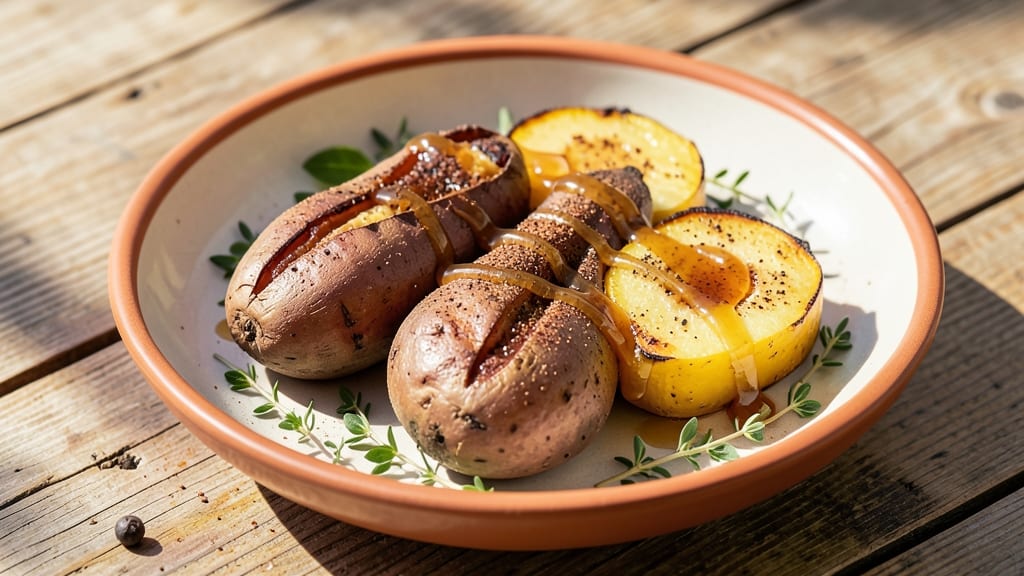
This sweet potato summer squash recipe transforms humble vegetables into a caramelized, spice-kissed side dish that steals the spotlight. The secret lies in roasting until edges blister—where sweet potatoes develop deep mahogany hues and summer squash achieves that coveted crisp-tender texture.
I’ve perfected this balance after years of testing, ensuring every bite delivers a perfect harmony of sweet, earthy, and slightly smoky flavors.
The beauty of this dish is its versatility—it works as a standalone vegetarian main when paired with quinoa or farro, or as a showstopping side for grilled meats and seafood.
The spices (smoked paprika, cumin, and garlic powder) infuse the vegetables deeply, while a touch of olive oil and honey creates those irresistible caramelized edges that make it impossible to stop eating. No fancy techniques required—just a sheet pan and your oven.
What you’ll end up with is a texturally perfect dish: tender sweet potatoes with a creamy interior and crispy exterior, paired with summer squash that’s just tender enough to hold its shape.
The spices meld into a warm, aromatic crust, and the natural sweetness of the vegetables shines through without needing extra sugar. This is the kind of side dish that turns a simple meal into something memorable.
Serve it alongside roasted chicken, seared salmon, or even as a vegetarian centerpiece with a dollop of Greek yogurt or tahini sauce. The flavors develop even more after resting, making it perfect for meal prep or holiday gatherings.
Let’s get to the recipe—your taste buds (and dinner table) will thank you.
Ingredients for sweet potato summer squash
Twelve ingredients transform humble veggies into a showstopping roasted masterpiece with caramelized edges and aromatic spices.
| Ingredient | Amount | Notes |
|---|---|---|
| Medium Sweet Potatoes 🍠 | 2 whole | Organic preferred, skin-on for texture |
| Yellow Summer Squash 🍆 | 2 medium | Zucchini works as substitute |
| Extra-Virgin Olive Oil 🫒 | ½ cup | High quality, fruity variety |
| Local Honey 🍯 | 1 tbsp | Wildflower preferred for depth |
| Smoked Paprika 🌶️ | 1 tbsp | Spanish smoked for authentic flavor |
| Ground Cumin 🌿 | ½ tbsp | Toasted for deeper aroma |
| Garlic Powder 🧄 | 1 tsp | Freshly ground preferred |
| Diamond Crystal Kosher Salt 🧂 | 1 ½ tsp | Fine grain for even coating |
| Freshly Ground Black Pepper 🌶️ | ½ tsp | Cracked peppercorns preferred |
| Fresh Rosemary 🌿 | ¼ cup | Chopped sprigs for aroma |
| Fresh Thyme Leaves 🌿 | ¼ cup | Or 1 tsp dried thyme |
| Vegetable Oil Spray 🫒 | 1 tbsp | For sheet pan coating |
The sweet potatoes are the star—organic, skin-on varieties from Whole Foods or your local farmers market hold their shape beautifully. Look for deep orange flesh and firm texture; avoid any with soft spots. Yellow summer squash should be bright, not dull, and heavy for its size—Trader Joe's has perfect ones year-round. The olive oil matters here; skip the cheap stuff—California avocado or Italian extra-virgin brands like Bertolli or Colavita elevate everything. Fresh herbs are non-negotiable for that bright aroma, but dried works in a pinch at one-third the amount.
No smoked paprika? Regular paprika plus a pinch of liquid smoke gets you close. Substituting zucchini for summer squash? Use the same quantity, but cut slightly smaller pieces so they cook faster. The honey adds caramelization without overpowering—local wildflower has more complexity than store-bought. For a sugar-free version, swap the honey for 1 tbsp maple syrup. The spices should be fresh; if your cumin smells dusty, toss it. And yes, you can use garlic powder instead of fresh—just remember it's milder than raw garlic.
Prep everything ahead: chop veggies and mix spices in a bowl for 10 minutes of work upfront. Roast immediately or store veggies in the fridge for 2 days and spices in an airtight container for 6 months. Leftovers? These taste even better the next day—3-4 days in the fridge or 3 months frozen. For meal prep, portion into containers with a drizzle of olive oil on top to keep them fresh. The flavors actually deepen overnight, so plan accordingly.
Why You'll Love This Recipe
- One-Pan Magic: I swear by this recipe when I’m too tired to wash dishes—just toss the sweet potatoes and squash on a sheet pan, drizzle with olive oil, and let the oven do the work. The honey and smoked paprika caramelize right there, turning cleanup into a five-minute job.
- Sweet & Smoky Balance: That local honey drizzle? It’s the secret weapon—cutting through the earthy sweetness of the potatoes while the smoked paprika adds this deep, cozy warmth. Honestly, the first bite makes me want to eat it straight off the pan.
- Meal-Prep MVP: I make a big batch on Sundays because it reheats like a dream—no soggy squash, no dry potatoes. Pack it for lunches, serve it at potlucks, or just eat it cold the next day. (Yes, even on a Tuesday night.)
- Budget-Friendly Feast: Sweet potatoes and summer squash are cheap, and this recipe stretches easily for four servings. Between us, I’ve fed a crowd of six with leftovers, and no one ever complains. It’s my go-to when I’m broke but still want to feel fancy.
Step-by-step instructions for roasted sweet potato and summer squash
Transform humble vegetables into a fragrant, caramelized masterpiece with this foolproof roasting method.
Prep and Season the Vegetables
Preheat your oven to 425°F and position a rack in the center. Line a large rimmed baking sheet with parchment paper and lightly spray with the 1 tablespoon vegetable oil spray—this prevents sticking and ensures even browning. I like to work in batches, so I divide the vegetables onto two separate pans if needed.
Using a sharp chef's knife, cut the 2 whole medium sweet potatoes into 1-inch chunks, leaving the skin on for texture. Cut the 2 medium yellow summer squash into ½-inch thick half-moons—thicker pieces stay tender while developing caramelized edges. Transfer both to a large bowl and toss gently with 2 tablespoons of the ½ cup extra-virgin olive oil to coat evenly.
In a small bowl, whisk together the 1 tablespoon smoked paprika, ½ tablespoon ground cumin, 1 teaspoon garlic powder, 1½ teaspoons diamond crystal kosher salt, and ½ teaspoon freshly ground black pepper. Sprinkle this vibrant spice blend over the vegetables and toss again until every piece is evenly coated. The spices should cling like a second skin—this ensures maximum flavor infusion during roasting.
Roast Until Caramelized
Spread the seasoned vegetables in a single layer on the prepared baking sheet, leaving about ½ inch between pieces. This spacing is crucial—it allows hot air to circulate and creates those coveted caramelized edges. Roast for 20 minutes without disturbing them. I know it's tempting to peek, but resist—every time you open the oven, you lose heat and steam, which can prevent proper browning.
After 20 minutes, you'll notice the edges beginning to turn golden brown and the sweet potatoes developing a slight crackling texture. This is your signal to carefully flip each piece using a metal spatula. Return to the oven and roast another 15-20 minutes until the sweet potatoes are tender when pierced with a fork and the squash is fork-tender with deep brown spots.
Here's the thing—your oven might run hot or cold, so watch for visual cues rather than relying solely on time. The sweet potatoes should be soft enough to pierce easily with a fork, while the squash should hold its shape but yield slightly. The edges should be deep golden brown with caramelized spots—this is where all the magic happens.
Finish with Herbs and Honey Glaze
Remove the baking sheet from the oven and transfer the roasted vegetables to a large bowl. In a small saucepan, combine the remaining 3 tablespoons extra-virgin olive oil, 1 tablespoon local honey, and the ¼ cup chopped fresh rosemary and ¼ cup fresh thyme leaves. Bring to a gentle simmer over medium-low heat for 2 minutes—just enough to infuse the herbs' aromatic oils into the oil and honey mixture.
Pour this fragrant oil-honey mixture over the hot roasted vegetables and toss gently to coat. The residual heat from the vegetables will help the honey soften slightly, creating a beautiful glaze that clings to every caramelized edge. Taste and adjust seasoning if needed—sometimes the roasting intensifies flavors, so a pinch more salt or pepper might be just right.
Let the vegetables rest for 5 minutes before serving. This brief rest allows the juices to redistribute, ensuring each bite is perfectly tender. The result should be sweet potatoes with crispy, caramelized edges and tender interiors, paired with summer squash that's perfectly tender with a touch of sweetness from the honey glaze. The herbs add a bright, aromatic finish that elevates this simple dish to something truly special.
Pro Tips For Making Sweet Potato Summer Squash
- CUT SQUASH LENGTHWISE: Cut the yellow summer squash into ½-inch thick half-moons instead of rounds—this gives you more surface area for caramelization and keeps the texture tender without turning to mush. I used to slice them too thin, and they’d fall apart when I tried to flip them.
- ROAST POTATOES SEPARATELY: Sweet potatoes take way longer to cook than squash—don’t crowd the pan. Roast them at 400°F for 20-25 minutes on their own before adding the squash, or they’ll end up undercooked and gummy. Trust me, your future self will notice the difference.
- SALT THE SQUASH FIRST: Toss the sliced squash with a pinch of salt before roasting—this draws out moisture so it crisps up better. Skip this, and you’ll end up with soggy, flavorless pieces that just blend into the background.
- DRIZZLE HONEY LAST: Add the honey and smoked paprika after roasting, not before—this keeps the sweetness bright and the spices from burning. I learned this after one disastrous batch where the honey turned bitter and the paprika lost its depth.
Storing and reheating this recipe
Refrigerator Storage
Let your roasted sweet potatoes and summer squash cool completely before storing in an airtight container—I use glass Pyrex with snap-on lids. They’ll keep beautifully in the fridge for 3-4 days, with flavors actually deepening as the spices meld.
The caramelized edges stay crisp for the first day, but after that, they’ll soften slightly—this is normal and doesn’t affect taste. 🌱
Freezer Prep Tips
For long-term storage, portion the vegetables into single-serving containers with a light drizzle of olive oil on top to preserve moisture. Freeze for up to 3 months—just be sure to leave ½-inch headspace to prevent expansion cracks.
Thaw overnight in the fridge before reheating for best texture. I like to label containers with the date to track freshness.
Stovetop Reheating
My preferred method is stovetop because it restores that crisp-tender texture. Transfer frozen portions to a nonstick skillet over medium heat with 1 tablespoon water or broth to prevent sticking.
Cover and heat for 5-7 minutes, stirring occasionally, until warmed through. The residual moisture helps recreate those caramelized edges. For fridge-stored veggies, use 3-4 minutes on medium heat.
Oven Refresh Method
For a hands-off approach, spread refrigerated vegetables on a baking sheet and reheat at 375°F for 10-12 minutes until warmed through. This method works best for single portions and maintains the dish’s visual appeal.
Add a sprinkle of fresh rosemary or thyme before reheating to revive the aromatic notes. Perfect for meal prep when you want minimal cleanup. 🔥
Microwave Shortcut
When you’re short on time, microwave individual portions covered with a damp paper towel on 70% power for 1-2 minutes. Stir halfway to distribute heat evenly. The texture won’t be as crisp, but it’s a great way to revive flavors quickly.
Add a squeeze of lemon or extra honey after reheating to brighten the dish.
Garnish for Freshness
Before serving reheated vegetables, top with crumbled feta cheese, toasted pumpkin seeds, or fresh cilantro to add freshness and crunch. A drizzle of extra-virgin olive oil and flaky sea salt instantly elevates the dish.
These finishing touches make reheated portions taste almost as good as fresh—trust me, your guests won’t notice the difference! ✨
Nutrition facts
Frequently asked questions
Can I use regular potatoes instead of sweet potatoes?
While you can substitute regular potatoes, the flavor and texture will be completely different. Sweet potatoes bring natural sweetness and a creamy interior that pairs beautifully with summer squash. If you must use regular potatoes, try Yukon Golds—they hold their shape better than russets and have a slightly buttery flavor. The dish will still work, but the caramelized edges won't be as rich or flavorful.
What if my summer squash turns mushy?
Overcooking is the most common reason for mushy squash. To prevent this, cut the squash into ½-inch thick slices and roast at 425°F for 15-20 minutes total. Check for doneness by piercing with a fork—it should be tender but still hold its shape. If it's already mushy, try adding it to a frittata or grain bowl where the texture won't be as noticeable. The sweet potatoes should be tender but not falling apart.
Can I make this recipe without honey?
For a sugar-free version, replace the honey with 1 tablespoon maple syrup or 1 teaspoon agave nectar. If you prefer no sweetener at all, simply omit it—the natural sweetness of the vegetables will still shine through. The honey helps create the caramelized edges, but the spices and olive oil will still deliver delicious flavor. Just be prepared for slightly less glossy finished pieces.
How can I make this a complete vegetarian main dish?
This recipe already works beautifully as a vegetarian main when served with a protein-rich side like white beans, chickpeas, or crumbled tofu. Add a dollop of Greek yogurt or tahini sauce and a sprinkle of toasted nuts or seeds for extra texture. For a heartier meal, serve with quinoa or farro and top with avocado slices. The dish's natural sweetness and smoky spices make it satisfying on its own.
Can I use this recipe for meal prep?
Yes! This recipe stores and reheats beautifully for meal prep. Portion into airtight containers and refrigerate for up to 4 days or freeze for 3 months. For best results, reheat on the stovetop with a splash of water or broth to restore crisp-tender texture. The flavors actually deepen overnight, making this perfect for busy weeknights. Just avoid microwaving directly from frozen—thaw first for even heating.