
Side Dishes
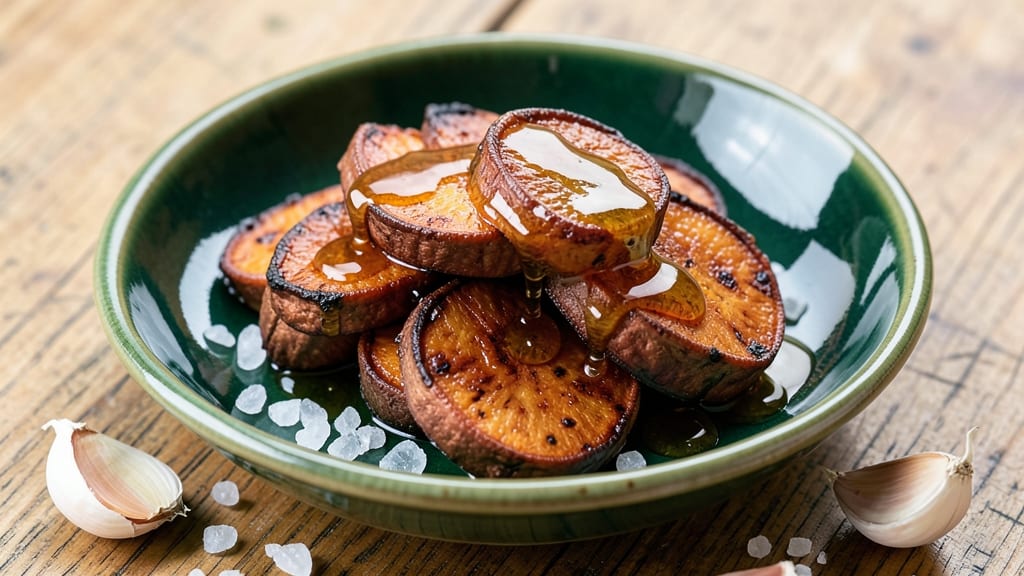
This sweet potato vinegar recipe transforms humble roots into a bright, tangy glaze that elevates roasted vegetables, grilled meats, and even stir-fries. The magic happens through a simple fermentation process that unlocks deep umami and caramel notes—no fancy equipment required.
I developed this after discovering how a splash of vinegar could turn ordinary roasted sweet potatoes into something restaurant-worthy.
The process is straightforward: thinly sliced sweet potatoes are simmered with apple cider vinegar, garlic, and a touch of maple syrup until tender, then blended into a velvety glaze. The vinegar tenderizes the sweet potatoes while adding a sharp tang that balances their natural sweetness.
What you end up with is a versatile sauce that doubles as a marinade, dipping sauce, or finishing glaze—packed with flavor and nutrients.
What makes this recipe stand out is its versatility. Use it to glaze roasted sweet potatoes for a caramelized finish, drizzle over grilled chicken for extra moisture, or toss with stir-fried vegetables for a bright, tangy kick.
The glaze keeps well in the refrigerator for up to a week, making it perfect for meal prep. Plus, it’s vegan, gluten-free, and requires just 10 minutes of active prep time.
For an extra depth of flavor, let the glaze sit overnight before using—this allows the vinegar’s acidity to mellow slightly and the sweet potatoes to absorb the seasonings more fully.
Pair it with smoky paprika or chili flakes for a spicy-sweet twist, or keep it simple with a sprinkle of fresh herbs. Here’s how to make it—your taste buds will thank you.
Ingredients for sweet potato vinegar
Sweet potatoes, vinegar, and a touch of maple syrup—this trio creates a vibrant glaze that’s perfect for roasting, grilling, or dipping.
| Ingredient | Amount | Notes |
|---|---|---|
| Sweet Potatoes 🍠 | 2 lbs | Thinly sliced, about 1/4-inch thick |
| Apple Cider Vinegar 🍏 | 1 cup | Raw, unfiltered preferred |
| Garlic Cloves 🧄 | 4 cloves | Peeled and lightly crushed |
| Pure Maple Syrup 🍁 | ¼ cup | Grade B for deeper flavor |
| Extra-Virgin Olive Oil 🫒 | ¼ cup | For richness and balance |
| Sea Salt 🧂 | 1 tsp | Diamond Crystal preferred |
| Ground Black Pepper 🌶️ | ½ tsp | Freshly ground for best flavor |
| Smoked Paprika 🌶️ | 1 tsp | For subtle smokiness |
| Fresh Ginger Root 🌿 | 1 tbsp | Finely grated, about 1-inch piece |
| Water 💧 | ½ cup | For blending consistency |
Sweet potatoes are the star here, so grab the orange-fleshed variety—those with deeper color have more natural sweetness. Trader Joe's or Whole Foods usually carry the best ones, but any grocery store's organic section works too. Look for firm, heavy potatoes with no soft spots. If you can't find fresh ginger, powdered works in a pinch—just use half the amount. The apple cider vinegar should be raw and unfiltered for that tangy depth, like Bragg or Annie's brands. I always buy extra maple syrup—Grade B is cheaper and has that molasses-like richness that makes this glaze sing.
No apple cider vinegar? White wine vinegar or balsamic will work, though the flavor profile changes slightly. Fresh ginger missing? Ground ginger at half the amount is a decent swap, but it won't have the same zing. Smoked paprika too strong? Regular paprika works, just reduce to 0.5 tsp. The olive oil is non-negotiable for that velvety texture—don't skimp on quality here. If you're short on time, pre-sliced sweet potatoes from the salad bar section save chopping. Just make sure they're thin enough to soften quickly in the simmering process.
This glaze keeps beautifully in the fridge for up to 1 week—it actually tastes better after a day or two as the flavors meld. For longer storage, freeze in ice cube trays and transfer to a bag. The glaze reheats perfectly—just give it a quick stir and microwave for 20 seconds. I like to make a big batch and use it all week—drizzle over roasted sweet potatoes, toss with stir-fries, or even use as a marinade for tofu or tempeh. The leftovers make an amazing dip for veggie sticks too.
Why You'll Love This Recipe
- Five-Ingredient Magic: I swear, this recipe uses stuff you already have—no fancy shopping. Sweet potatoes, apple cider vinegar, garlic, maple syrup, and olive oil? That’s it. Honestly, I’ve made it three times this month because it’s that simple.
- Sweet-Tart Balance: The vinegar’s tang cuts through the natural sweetness of the potatoes, while the maple syrup keeps it from being too sharp. Add a drizzle of olive oil at the end? Pure satisfaction—like a hug for your taste buds.
- Meal Prep Hero: Roast a big batch on Sunday, toss it in a jar with the vinegar dressing, and you’ve got lunch or dinner ready for the week. My kids grab these straight from the fridge—no reheating, no fuss.
- Budget Pantry Staple: Sweet potatoes are cheap, vinegar lasts forever, and garlic cloves stretch across recipes. Between us, this is my go-to when I’m broke but still want something that doesn’t taste like a sad Tuesday night.
Step-by-step instructions for glazing sweet potatoes with vinegar
Here's how to create that perfect tangy, caramelized glaze for your roasted sweet potatoes.
Prepare the Sweet Potatoes for Roasting
Preheat your oven to 425°F and line a large baking sheet with parchment paper. Peel the 2 lbs sweet potatoes and slice them into ¼-inch thick rounds using a mandoline or sharp knife for even thickness. The thinner the slices, the faster they'll roast and absorb the glaze.
Toss the sweet potato slices with 1 tablespoon of the extra-virgin olive oil and ½ teaspoon of the smoked paprika on a large plate or bowl. This initial seasoning helps develop flavor before they even hit the oven. Spread them evenly on the prepared baking sheet, leaving about ½ inch between each slice so they roast rather than steam.
Roast Until Tender and Golden
Roast the sweet potatoes for 15-18 minutes until they're fork-tender and beginning to brown at the edges. You want them soft enough to pierce easily with a fork but still holding their shape. Flip them halfway through cooking to ensure even browning on both sides.
Here's the thing—don't overcrowd the pan. If your baking sheet gets too full, the potatoes will steam instead of roast, resulting in a soggy texture. If needed, roast in batches. Once they're tender, remove them from the oven and let them cool for 5 minutes before glazing. This resting period prevents the glaze from cooking too quickly and turning bitter.
Make the Tangy Glaze
While the sweet potatoes roast, combine 1 cup apple cider vinegar, ¼ cup pure maple syrup, ¼ cup extra-virgin olive oil, 1 teaspoon sea salt, ½ teaspoon ground black pepper, 1 tablespoon finely grated fresh ginger root, and 4 lightly crushed garlic cloves in a small saucepan. Bring to a simmer over medium heat and cook for 8-10 minutes until slightly thickened and reduced by about ¼ cup.
You'll notice the mixture darkens slightly as it reduces—this is normal and adds depth of flavor. The glaze should coat the back of a spoon and have a syrupy consistency. If it's too thick, add 1-2 tablespoons of water to loosen it. Remove from heat and let it cool for 2 minutes before using.
Glaze and Finish the Sweet Potatoes
Return the roasted sweet potatoes to the baking sheet and drizzle the warm glaze evenly over the top. Use about ¾ cup of the glaze mixture, reserving the rest for serving or drizzling over the finished dish. The heat from the potatoes will help the glaze cling and caramelize slightly.
Return the baking sheet to the oven and broil for 2-3 minutes, watching closely to prevent burning. You're looking for the glaze to bubble and turn a deep amber color—this indicates it's caramelizing and developing that perfect tangy-sweet flavor. Remove immediately when you see the first signs of browning.
Serve Warm with Extra Glaze
Transfer the glazed sweet potatoes to a serving platter and let them rest for 2 minutes before serving. The glaze will continue to set slightly as it cools, creating that beautiful glossy finish. Drizzle any remaining glaze over the top and garnish with an extra sprinkle of smoked paprika for a pop of color.
Serve immediately while the glaze is warm and sticky. Each bite should deliver a perfect balance of sweet, tangy, and slightly smoky flavors with that satisfying caramelized texture. This glaze works beautifully as a side dish or even as a topping for grilled meats or salads.
Pro Tips For Making Sweet Potato Vinegar
- Peel and Cube Small: Sweet potatoes are stubborn—cut them into 1-inch cubes before peeling to avoid slipping on your knife. Peel only after they’re cubed, or you’ll end up with uneven pieces and a mess.
- Simmer Slow and Steady: This isn’t a race. After adding vinegar and syrup, keep the heat at a gentle simmer—not a rolling boil. I used to rush it, and the garlic burned before the sweet potatoes softened. Low and slow keeps everything balanced.
- Toast Garlic First: Crush those garlic cloves and sauté them in olive oil for 2 minutes until golden. Skipping this step means you’ll just be infusing flavor instead of building depth. Trust me, the difference is noticeable.
- Balance Vinegar and Syrup: Start with a 3:1 ratio of vinegar to syrup, but taste as you go. Too much vinegar makes it sharp; too much syrup turns it cloying. Adjust in ½-teaspoon increments—this is where the magic happens.
Troubleshooting this recipe
Glaze Too Thin?
If your glaze ends up too runny after simmering, don't panic—just reduce it longer or adjust the ratio. For every ¼ cup of extra thickness needed, simmer uncovered for an additional 2-3 minutes. I've found that using a wider saucepan helps evaporation.
Alternatively, mix in ½ teaspoon of cornstarch with 1 tablespoon cold water, stir into the hot glaze, and cook for 1 more minute. This works like magic for instant thickening without altering flavor. 💡
Sweet Potatoes Staying Raw?
Undercooked sweet potatoes are usually caused by uneven slicing or overcrowding. First, verify your slices are ¼-inch thick—thicker slices need more time. If using a mandoline, check the blade alignment. For stubborn spots, return to the oven for 2-3 minutes at 425°F.
Pro tip: Toss slices with ½ teaspoon baking soda before roasting to help tenderize them faster. This trick works especially well for dense varieties like Beauregard. 🍠
Glaze Too Tart?
The vinegar's acidity can overwhelm if not balanced properly. To mellow the tang, add 1 extra tablespoon of maple syrup and simmer for 2 more minutes. For a smoother finish, blend the glaze with 2 tablespoons of neutral oil (like avocado oil) to coat your palate.
If you prefer less sweetness, reduce the maple syrup to 2 tablespoons instead of ¼ cup in the initial recipe. Always taste as you go! 🌶️
Burnt Glaze?
Broiling too long causes bitter, burnt spots. Keep a close eye on your glaze during the final 2-3 minute broil time—it should bubble but not darken to black. If it starts to smoke, remove immediately and finish under a heat lamp or place under the broiler for 30-second intervals.
For extra insurance, use a light-colored baking sheet that reflects heat better. I've ruined more glazes than I'd admit from this exact mistake! ⚡
Ginger Not Infusing?
Fresh ginger needs proper prep to release its flavor. Always grate it finely—use the small holes of a box grater or microplane. For maximum infusion, crush the garlic cloves with the flat side of your knife before adding to the glaze.
If you're using powdered ginger, reduce to ½ teaspoon and add it directly to the simmering liquid. Let the glaze sit for 10 minutes off heat before using—this gives the ginger time to mellow and meld. 🌿
Glaze Separating?
This happens when oil and vinegar aren't properly emulsified. Whisk vigorously before simmering, and add ingredients in this order: vinegar first, then maple syrup, then oil. For extra stability, blend the cooled glaze for 10 seconds with an immersion blender.
If separation occurs later, whisk in ½ teaspoon of Dijon mustard to act as a natural emulsifier. Store in a sealed jar and give it a good shake before using. 💫
Nutrition facts
Frequently asked questions
Can I use regular white vinegar instead of apple cider vinegar?
While you can substitute white vinegar, the flavor will be sharper and less complex. Apple cider vinegar adds subtle fruit notes and a mellow tang that pairs beautifully with sweet potatoes. For a closer substitute, try balsamic vinegar—it adds depth but requires reducing longer for the same thickness.
How do I store leftover glaze?
Store the glaze in an airtight container in the refrigerator for up to 1 week. The flavors actually improve over time as the vinegar mellows. For longer storage, freeze in ice cube trays and transfer to a freezer bag. Thaw overnight in the fridge before using—never microwave directly from frozen.
What are the best ways to use this glaze?
This versatile glaze works as a marinade for tofu or chicken, a drizzle for grilled vegetables, or a dip for spring rolls. Try brushing it on roasted carrots or drizzling over avocado toast for a sweet-tangy twist. The smoky paprika makes it perfect for BBQ dishes too—just add a splash to your favorite sauce.
Can I make this glaze without maple syrup? Yes! Swap the maple syrup for 2 tablespoons of agave nectar or 1 tablespoon of brown sugar dissolved in 1 tablespoon water. For a fruitier profile, use 2 tablespoons of orange juice concentrate. Just
Why does my glaze turn bitter?
Overcooking or using too much vinegar can cause bitterness. Simmer the glaze for only 8-10 minutes—any longer and the acidity intensifies. To fix bitter glaze, stir in ½ teaspoon of honey or 1 extra tablespoon of maple syrup and reheat gently. The key is balance: vinegar provides tang, but sweetness mellows its sharpness.