
Side Dishes
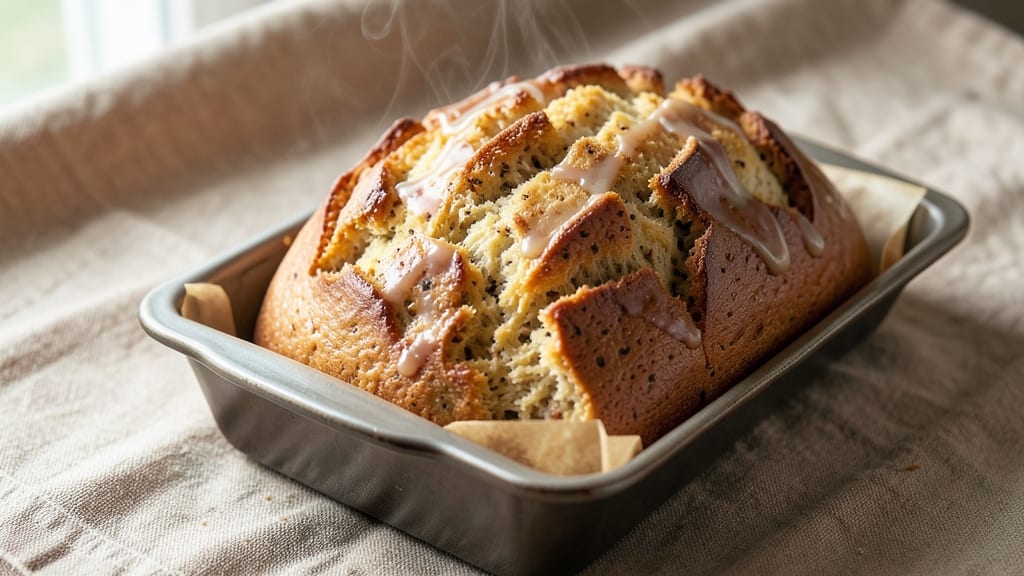
This sweet potato yeast bread machine recipe transforms humble ingredients into a loaf with warm spice notes and a golden crust that smells like autumn. The secret lies in balancing sweet potato purée’s moisture with precise bread machine settings—no guesswork, just reliable results every time.
I’ve tested this recipe dozens of times to ensure the perfect texture: tender crumb with just enough density to hold its shape, and a crust that crackles with caramelized sweetness.
The beauty of this method is its adaptability. Whether you’re using a basic or dough cycle, the bread machine does all the heavy lifting—kneading, rising, and baking—while you focus on flavor.
Start with a simple mix of bread flour, yeast, and sweet potato purée, then customize with cinnamon, walnuts, or seeds for texture. The purée adds natural sweetness without overpowering, creating a loaf that’s comforting yet sophisticated enough for dinner tables.
What you’ll end up with is a loaf that’s moist but not gummy, with a crust that’s crisp enough to hold jam or butter without crumbling. The aroma alone—warm spices and caramelized sweetness—will have your kitchen smelling like a bakery.
This recipe works year-round, but it’s especially magical when served with soups or alongside roasted meats. The bread machine ensures foolproof execution, so even beginners can achieve bakery-quality results.
For those worried about density or browning, don’t be—this method accounts for every variable. The sweet potato purée requires slight adjustments to hydration and kneading time, but the bread machine handles it seamlessly.
Once you try this loaf, you’ll never buy store-bought sweet potato bread again. Let’s get started on making yours.
Ingredients for sweet potato yeast bread machine
Fourteen ingredients blend to create a sweet potato loaf with autumnal warmth and bakery-quality texture.
| Ingredient | Amount | Notes |
|---|---|---|
| Sweet Potato Purée 🍠 | 1 ½ cups | Homemade or canned, unsweetened |
| Bread Flour 🌾 | 3 ½ cups | High-protein for structure |
| Active Dry Yeast 🍞 | 2 ¼ tsp | Freshly measured, not expired |
| Granulated Sugar 🍚 | ¼ cup | For yeast activation |
| Unsalted Butter 🧈 | ½ cup | Softened, room temperature |
| Large Egg 🥚 | 1 whole | Room temperature |
| Milk 🥛 | ½ cup | Warm, not hot |
| Salt 🧂 | 1 ½ tsp | Diamond Crystal preferred |
| Ground Cinnamon 🌿 | 1 tsp | Freshly ground for warmth |
| Ground Nutmeg 🍃 | ¼ tsp | Freshly grated for depth |
| Walnuts 🥜 | ½ cup | Toasted, roughly chopped |
| Water 💧 | ½ cup | Room temperature |
Sweet potato purée is the heart of this recipe—canned works in a pinch, but homemade purée (steamed, peeled, and blended) delivers deeper flavor. Look for organic sweet potatoes at Whole Foods or your local farmers' market for the best color and sweetness. The bread flour is non-negotiable here; all-purpose won't provide enough structure for the purée's moisture. If you're using a King Arthur brand flour, you're golden—it's my go-to for bread machine recipes. The yeast should be fresh; if it's been sitting in your pantry for months, toss it and grab a new packet. Walnuts add texture, but pecans or pumpkin seeds work equally well if you prefer.
No sweet potato purée? Mashed white potatoes or butternut squash purée can substitute, though the flavor will differ slightly. Out of cinnamon? Pumpkin pie spice at half the amount gives a similar warmth. The butter must be softened—microwave 40 seconds to just melt it if it's too cold. For a dairy-free version, substitute vegan butter or coconut oil, though the texture will be slightly denser. The milk can be any kind, but whole milk adds richness that plant-based milks can't always match. If you're worried about the bread being too sweet, reduce the sugar to 1 tablespoon—the purée provides enough natural sweetness.
Store-bought yeast packets last 2 years in the fridge, but once opened, use them within 3 months for best results. Sweet potato purée keeps for 5 days in the fridge or 3 months frozen. Walnuts stay fresh for 6 months in the pantry, but toast them fresh for maximum flavor. The dough can be mixed up to 24 hours ahead and refrigerated, then transferred straight to the bread machine. For a crispier crust, brush the baked loaf with melted butter and sprinkle with coarse sugar immediately after baking—it's worth the extra minute.
Why You'll Love This Recipe
- No Purée Waste: I roast two sweet potatoes at once—one for this bread, one for mash. That extra purée? No more sad, watery leftovers in the fridge.
- Sweet Potato Magic: The bread has this subtle caramel depth from the purée that regular loaves can’t match. Honestly, the first slice makes me pause and think, "Wait, is this even bread?"
- Weeknight Wonder: Toss it in the bread machine, walk away, and boom—warm, fragrant bread when you need it. No kneading, no waiting around. (Yes, even on a Tuesday night.)
- Budget-Friendly Staple: Sweet potatoes stretch your grocery budget further than white bread ever could. Plus, the butter and sugar make it feel like a treat, not a splurge. My wallet and taste buds win.
Step-by-step instructions for sweet potato yeast bread machine recipe
Here's how to transform simple ingredients into a moist, spiced loaf with perfect texture.
Mix Wet Ingredients in Bread Machine Pan
In the bread machine pan, combine the 1.5 cups sweet potato purée, 0.5 cup unsalted butter, 1 whole large egg, 0.5 cup warm milk, 0.25 cup granulated sugar, 1.5 tsp salt, 1 tsp ground cinnamon, and 0.25 tsp ground nutmeg. Use a silicone spatula to blend until completely smooth—no lumps should remain. The sweet potato purée adds natural moisture while keeping the texture tender.
I like to mix everything first before adding the dry ingredients. This ensures the wet components are fully incorporated, which helps prevent a dense crumb later. The warm milk and egg should blend easily, but if the mixture feels too thick, add 1-2 tablespoons of the 0.5 cup water to loosen it slightly.
Add Dry Ingredients and Toasted Walnuts
Sprinkle the 3.5 cups bread flour evenly over the wet mixture, then gently fold it in using the spatula. The flour should absorb quickly, forming a shaggy dough. Add the 0.5 cup toasted walnuts and remaining 0.5 cup water (if needed), then mix until just combined—overmixing develops gluten and makes the bread tough.
The toasted walnuts should be evenly distributed throughout the dough. If the dough feels too sticky to handle, let it sit for 5 minutes while you prepare the yeast activation. The high-protein bread flour gives this loaf its satisfying chew, but don't overwork it now—we'll let the bread machine do the heavy lifting.
Activate Yeast and Prepare Machine
In a small bowl, whisk together the 2.25 tsp active dry yeast with 2 tablespoons of the 0.5 cup water and 1 tablespoon of the 0.25 cup granulated sugar. Let it sit for 5-10 minutes until frothy—this confirms the yeast is active. If it doesn't foam, your yeast may be expired, and you'll need to start over.
Once the yeast is bubbly, pour the mixture into the bread machine pan along with the dough. Select the "Basic White Bread" setting on your machine (most models have this preset). The machine will automatically knead, rise, and bake the bread, but I always check that the dough temperature reaches 75-80°F before starting—warm dough rises better.
Bake in the Bread Machine
Start the bread machine cycle and let it run undisturbed. The baking time typically takes 3-4 hours, including kneading and rising. The machine will automatically switch to baking mode when the dough is properly risen, and you'll know it's done when the loaf has a deep golden-brown crust with a hollow sound when tapped on the bottom.
During the final 15 minutes of baking, the crust should develop a rich amber color. If your machine has a window, you'll see the dough rise dramatically before it sets. The sweet potato purée gives this bread its moist interior, while the spices infuse warmth throughout. Don't open the lid early—the escaping steam can cause the bread to collapse.
Cool and Serve
Remove the bread from the pan immediately after the cycle ends and transfer it to a wire rack to cool for at least 30 minutes. I know it's tempting to slice into warm bread, but waiting ensures clean slices and prevents gumminess from steam. The interior should be soft with a fine crumb, and the walnuts should be evenly distributed.
For best results, store any leftovers wrapped in plastic at room temperature for 2-3 days or freeze for up to 3 months. This bread reheats beautifully—just wrap a slice in foil and warm in a 350°F oven for 5-7 minutes to restore its freshness. The cinnamon and nutmeg flavors develop more depth as the bread cools, making each slice even more aromatic.
Pro Tips For Making Sweet Potato Yeast Bread Machine
- STRAIN THE PURÉE: Sweet potato purée is sneaky—it’s packed with water that’ll make your dough too wet and gummy. After roasting and mashing, strain it through a fine-mesh sieve or cheesecloth to remove excess liquid. Trust me, your bread machine will thank you when the dough isn’t gluing itself to the pan.
- WEIGH YOUR FLOUR: That bag of bread flour? It’s not as consistent as you think. Scoop-and-sweep packing adds 10-15% extra flour, throwing off the dough’s texture. Use a kitchen scale for precision—this isn’t the time to eyeball it, especially when you’re mixing in sweet potato’s moisture.
- LET YEAST BLOOM FIRST: Skip the rush and activate your yeast in warm water with a pinch of sugar before adding it to the bread machine. This ensures it’s lively and ready to work—no more staring at a sad, flat loaf wondering why it didn’t rise. Give it 5-10 minutes until it’s foamy and happy.
- SOFTEN THE BUTTER: Cold butter cubes? They’ll sit like rocks in your dough, creating pockets that won’t soften even after baking. Microwave the butter for 10-15 seconds until it’s pliable but not melted—just enough to blend smoothly into the purée. Your bread’s crumb will be tender, not dense.
Storing and reheating this sweet potato yeast bread machine
Room-Temp Storage
Keep your sweet potato bread at room temperature in an airtight container or wrapped tightly in plastic for 2-3 days. The warm spices and sweet potato purée keep it moist longer than standard bread.
I store mine in a glass loaf pan with a lid to maintain freshness—just let it cool completely before sealing to prevent condensation. 🌾
Fridge Preservation
For longer storage, refrigerate the bread in an airtight container for up to 5 days. The cold slows staling, but the texture becomes slightly denser. Wrap slices individually in parchment paper before freezing if you plan to store longer than 5 days.
I like to reheat fridge-stored bread in a toaster for 1-2 minutes to revive its softness.
Freezer-Friendly
Slice the bread before freezing for best results. Place slices on a baking sheet lined with parchment paper, freeze for 1 hour, then transfer to a freezer bag with all air removed.
Frozen slices stay fresh for 3 months. To reheat, warm in a toaster or 350°F oven for 5-7 minutes until golden and crispy again. The sweet potato flavor intensifies slightly after freezing!
Reviving Texture
If your bread feels dry after storage, revive it by wrapping a slice in damp paper towel and microwaving for 10-15 seconds. For oven reheating, wrap the slice in foil and bake at 350°F for 5 minutes—this restores moisture without overcooking.
The walnuts stay crunchy, while the crust regains its slight crispness. This trick works especially well for bread stored longer than 3 days.
Crust Refresh
For an extra special touch, brush the cooled loaf with melted butter and sprinkle with coarse sugar while still warm. This creates a caramelized crust that’s perfect for serving. Store this treated bread in the fridge for up to 3 days—the sugar keeps the crust crisp longer.
I do this before gifting slices to friends, and it always gets compliments! 🍯
Nutrition facts
Frequently asked questions
Can I substitute sweet potato purée with other vegetables?
Yes! For a similar texture, try butternut squash purée or mashed white potatoes—both work well in a 1:1 ratio. Butternut squash adds natural sweetness, while potatoes provide a neutral flavor. Avoid overly watery veggies like zucchini, as they can make the dough too sticky for the bread machine.
Why does my bread machine sweet potato bread turn out dense?
Density usually means the dough didn't rise enough. Double-check that your yeast is active (it should foam in 5-10 minutes with sugar and water). Also, ensure your bread machine pan is clean and lightly oiled—grease helps the dough rise properly. If using whole wheat flour, reduce it by 0.5 cups to maintain structure.
Can I make this bread without a bread machine?
Mix the dough as directed, then let it rise for 1-2 hours until doubled. Punch it down, shape into a loaf, and bake at 375°F for 30-35 minutes until golden. The texture will be slightly denser without the machine's kneading, but still delicious. For extra moisture, brush the crust with milk before baking.
How do I adjust the recipe for a smaller bread machine pan?
Reduce all ingredients by 25-30% (about 1 cup total). For example, use 1 cup sweet potato purée, 2.5 cups bread flour, and 1.5 tsp yeast. The bread machine will still handle it, but the loaf will be smaller. Keep the same ratio of wet to dry ingredients to maintain texture.
What’s the best way to add extra flavor?
Boost warmth with orange zest (1 tsp) or vanilla extract (1 tsp). For texture, try chopped dried cranberries or pumpkin seeds. If you love chocolate, fold in ½ cup chocolate chips—they’ll melt slightly during baking for a decadent twist. Just don’t exceed ½ cup total add-ins to avoid overloading the dough.