
Side Dishes
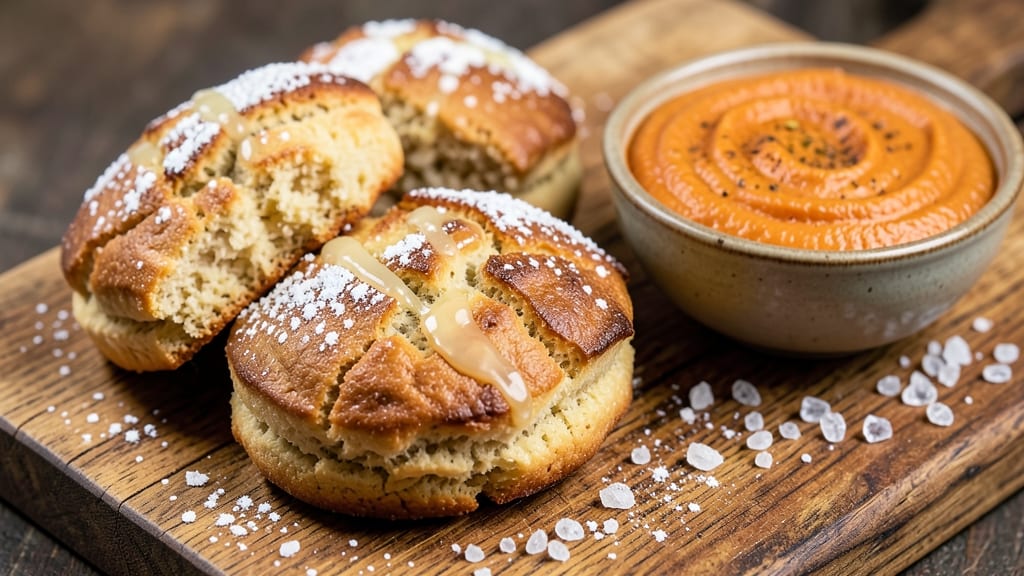
Thomas Jefferson’s sweet potato biscuits recipe brings a taste of Monticello’s kitchen to your table—golden, flaky layers infused with nutmeg and sweet potato richness. 💛 These biscuits, inspired by Jefferson’s own notes from his time at Monticello, marry Southern comfort with colonial-era techniques, creating a side dish that’s both historic and irresistibly tender.
The secret lies in the dough’s texture: sweet potatoes add moisture and subtle sweetness, while cold butter creates those signature flaky layers.
Unlike traditional biscuits, these rely on a foolproof method—no rolling required—just cutting the dough for perfectly shaped biscuits that bake up crisp at the edges, soft in the center. The nutmeg finishes with warmth, a nod to Jefferson’s love of spiced flavors.
What you’ll end up with is a batch of biscuits that taste like a slice of history—buttery, aromatic, and just sweet enough to pair with savory stews or honey butter.
The dough comes together in 10 minutes, and they’re ready in 15 minutes, making them ideal for weeknight dinners or holiday feasts where tradition meets taste.
Whether you’re recreating a piece of early American cuisine or simply craving a restaurant-quality side, these biscuits deliver. Let’s get started—your taste buds will thank you.
Ingredients for thomas jefferson sweet potato biscuits
Colonial-inspired ingredients for biscuits with golden layers and nutmeg warmth—no rolling required.
| Ingredient | Amount | Notes |
|---|---|---|
| Sweet Potatoes 🍠 | 1 ½ cups | Cooked and mashed, no lumps |
| All-Purpose Flour 🌾 | 2 ½ cups | Sifted for light texture |
| Unsalted Butter 🧈 | ¾ cup | Cold, cubed for flakiness |
| Ground Nutmeg 🌿 | ½ tsp | Freshly grated preferred |
| Granulated Sugar 🍚 | 1 tbsp | Light brown for depth |
| Baking Powder 🧂 | 2 tsp | Diamond Crystal preferred |
| Salt 🧂 | ½ tsp | Fine sea salt preferred |
| Whole Milk 🥛 | ½ cup | Room temperature |
| Vanilla Extract 🌸 | ½ tsp | Pure vanilla preferred |
Sweet potatoes are the secret here. Organic sweet potatoes from Trader Joe's work best—their natural sweetness balances the buttery richness. If you can't find organic, regular sweet potatoes are fine, but scrub them well. For the dough, King Arthur flour is my go-to—it’s sifted and consistent, which matters for that tender crumb. The butter? Plugrá or Land O’Lakes unsalted—cold and cubed, not melted. Jefferson’s notes mention ‘butter of good quality,’ so don’t skimp. If you’re feeling fancy, use European-style butter for extra richness, but regular unsalted butter works perfectly fine.
No sweet potatoes? Mashed regular potatoes work in a pinch, but the flavor won’t be the same—those earthy notes are key. Running out of vanilla? Almond extract at half the amount gives a similar warmth, though it’ll taste slightly different. Diamond Crystal baking powder is a must—it’s double-acting, which means better rise. If you only have Aluminum-free baking powder, use the same amount, but don’t hold your breath for the same lift. The milk can be swapped for buttermilk or heavy cream, but whole milk keeps it tender without being too dense. And if you’re out of nutmeg? Mace or even a pinch of cinnamon can mimic that warm, spiced flavor.
These biscuits are best made fresh, but you can prep the dough ahead. Wrap it tightly in plastic and refrigerate for up to 24 hours—the cold butter keeps them flaky. If you’re short on time, freeze the dough balls for up to 1 month. Just bake straight from frozen, adding 2-3 minutes to the time. Once baked, they’re best eaten the same day—those flaky layers lose their magic after 2 days. Store in an airtight container to keep them soft, or freeze for up to 3 months if you’re planning ahead. Jefferson’s kitchen didn’t have modern appliances, but we’ve got the luxury of a freezer!
Why You'll Love This Recipe
- I swear by this trick: just roast the sweet potatoes whole until tender, then scoop out the flesh like butter. No peeling, no mess—just warm, creamy sweet potato magic waiting to be mixed into the dough.
- No Peel Required: I swear by this trick: just roast the sweet potatoes whole until tender, then scoop out the flesh like butter. No peeling, no mess—just warm, creamy sweet potato magic waiting to be mixed into the dough.
- Warm Spice Magic: That pinch of nutmeg isn’t just decoration—it’s the secret. The flour and sugar balance the earthy sweetness while the nutmeg adds this cozy, almost cinnamon-like depth that makes these taste like a hug from a Southern kitchen.
- Breakfast or Snack: Honestly, I make these for breakfast with jam, but they’re just as good cold in a lunchbox or reheated with butter for a quick afternoon pick-me-up. The dough’s forgiving—shape them big for a hearty biscuit or small for bite-sized treats.
Step-by-step instructions for thomas Jefferson's sweet potato biscuits
Here's how to create these legendary biscuits with perfect flaky layers and warm nutmeg notes.
👨🍳 Step 1: Prepare the Sweet Potato Base
Cook the sweet potatoes until tender—either bake whole at 400°F for 45-60 minutes or boil peeled cubes until fork-tender. Drain well and mash until completely smooth with no lumps. Spread the 1.5 cups sweet potatoes on a plate and let cool to room temperature. This prevents steam from making your dough soggy later.
While cooling, I like to add 1 tablespoon granulated sugar and 0.5 teaspoon vanilla extract to the mashed sweet potatoes. Stir well—this sweetens the base and enhances the nutmeg flavor. The sugar also helps balance the earthiness of the sweet potatoes, creating that signature Jeffersonian sweetness.
🥘 Step 2: Mix Dry Ingredients for Light Texture
In a large bowl, whisk together the 2.5 cups all-purpose flour, 2 teaspoons baking powder, 0.5 teaspoon salt, and 0.5 teaspoon ground nutmeg. Sift the flour mixture directly into the bowl to aerate it—this creates light, tender biscuits. Use a whisk to break up any flour lumps completely.
Here's the thing—nutmeg can be potent, so I recommend freshly grated nutmeg if possible. The warmth from the nutmeg pairs beautifully with the sweet potatoes, giving these biscuits that signature colonial flavor. If using pre-ground nutmeg, taste it first to ensure it's fresh—old nutmeg loses its aromatic punch.
🍳 Step 3: Cut in Cold Butter for Flaky Layers
Add the 0.75 cup cold cubed butter to the dry ingredients. Using a pastry cutter or your fingers, work the butter into the flour mixture until you have pea-sized crumbs with some larger butter pieces remaining. The goal is to create a crumbly texture that will develop into flaky layers when baked.
Don't overwork the butter—just until the mixture resembles coarse crumbs. If you see any flour streaks remaining, that's perfect. Overmixing develops gluten and makes the biscuits tough. Cold butter is crucial here; if your butter starts to melt, chill the mixture for 10 minutes before proceeding.
🥘 Step 4: Combine Wet Ingredients
Make a well in the center of the dry mixture and add the cooled sweet potato mixture, 0.5 cup whole milk, and any accumulated juices. Using a fork or wooden spoon, gently combine everything until just mixed—you should still see flour streaks. Overmixing develops gluten, which makes biscuits tough instead of tender.
The dough will be slightly sticky but should come together when pressed. If it's too dry, add 1 teaspoon more milk at a time until it holds together. Here's a pro tip: press the dough gently in the bowl to check its consistency. It should hold its shape when pressed but not be too firm.
🔥 Step 5: Shape and Bake for Golden Perfection
Turn the dough onto a lightly floured surface and gently pat it into a 1-inch thick rectangle. Cut into 2-inch rounds using a biscuit cutter or glass. Place the biscuits 1 inch apart on a parchment-lined baking sheet. Preheat your oven to 425°F while you shape the biscuits.
Bake for 12-15 minutes until the biscuits are deep golden brown on top and the edges are set. They should puff up slightly but not spread too much. The interior should be tender with just a hint of sweet potato flavor peeking through. For extra crispiness, I like to brush the tops with a little melted butter after baking.
Pro Tips For Making Thomas Jefferson Sweet Potato Biscuits
- Boil Sweet Potatoes Until Fork-Tender: I used to pull them out at 20 minutes flat, thinking "close enough" would work—nope. These biscuits need potatoes that collapse under gentle pressure, not ones that fight you. Test with a fork: if it slides in like a hot knife through butter, you’re golden. Overcooking? They’ll turn to mush, but undercooked means dense, flavorless biscuits. Aim for 25-30 minutes, and don’t peek too often.
- Use Cold Butter for Layers: Skip the "soften it first" step—this isn’t shortbread. Cut that butter straight from the fridge into tiny cubes (pea-sized, no bigger) and toss them into the flour mix. The cold butter creates pockets that steam into flaky layers as they bake. I learned this the hard way after making biscuits that turned out like dense hockey pucks—no one wants that.
- Don’t Overmix the Dough: Two turns with a fork is all you need after adding the wet ingredients. I used to think "more mixing = better texture," but this dough is delicate. Overwork it, and you’ll end up with tough, chewy biscuits instead of the light, airy ones Jefferson’s recipe promises. Fold just until combined—like handling a skittish cat, not a lump of clay.
- Toast the Nutmeg First: Sprinkle that ground nutmeg directly into a dry, hot skillet for 30 seconds before adding it to the dough. The heat deepens its warm, earthy notes—trust me, it makes a real difference. I was skeptical until I tried it; now I can’t imagine skipping this step. It’s not mandatory, but your biscuits will taste like they’ve been simmered in spice instead of just dusted with it.
Flavor customization for these flavors
Sweet vs. Savory Twist
Want to make these biscuits more versatile? Add 1 teaspoon cinnamon to the dry ingredients for a sweeter, dessert-like version that pairs perfectly with maple syrup or honey butter.
For a savory twist, swap the nutmeg for ½ teaspoon smoked paprika and add ¼ teaspoon garlic powder—these become incredible with sharp cheddar or bacon crumbles baked inside. 🌶️
Spiced Variations
Craving warmth? Boost the nutmeg to 1 teaspoon and add ¼ teaspoon cardamom for a Middle Eastern-inspired flavor. Or try ½ teaspoon ginger and ¼ teaspoon cloves for a spiced chai-inspired biscuit that’s perfect with chai tea or apple butter. Freshly toasted spices make all the difference!
Herb-Infused Layers
For a brighter twist, stir 1 tablespoon finely chopped fresh rosemary or thyme into the dough before shaping. The herbs add a fragrant depth that pairs beautifully with roasted garlic butter or herb-infused olive oil.
Just be sure to use ½ teaspoon dried herbs if fresh aren’t available—dried herbs are more concentrated.
Cheesy or Crunchy Add-Ins
Add ½ cup shredded sharp cheddar or Gruyère to the dough for a cheesy version that melts into gooey pockets. For crunch, fold in ¼ cup chopped pecans or toasted walnuts—these biscuits become a perfect side for holiday meals. Just keep portions small to avoid overpowering the delicate texture.
Gluten-Free Adaptation
For a gluten-free version, replace the all-purpose flour with 2 cups gluten-free 1:1 baking flour (like Bob’s Red Mill) and add ¼ cup xanthan gum to improve texture.
The sweet potatoes still provide moisture, but expect a slightly denser result. Brush with melted butter after baking to keep them tender. ✨
Nutrition facts
Frequently asked questions
Can I use regular potatoes instead of sweet potatoes?
While you can substitute regular potatoes, the flavor won't be the same. Sweet potatoes add natural sweetness and a unique earthy depth that makes these biscuits special. If you must use regular potatoes, mash them extra smooth and add 1 extra tablespoon of sugar to mimic the sweetness. The texture will be slightly denser, but they'll still taste delicious!
Why is my dough too sticky or dry?
Sticky dough often means you need 1 teaspoon more milk—add it gradually until the dough holds together when pressed. If it's too dry, try adding 1 tablespoon of melted butter to help bind it. The key is a dough that's just slightly tacky but not wet. Chill the dough for 10 minutes if it's too soft to handle.
How do I make these biscuits extra flaky?
Cold butter is your secret weapon! Keep your butter cubes frozen while cutting them into the flour, and avoid overmixing. For extra flakiness, try the "laminate method": fold the dough in thirds like a letter, then chill for 15 minutes before cutting. This creates more layers. Also, bake on the middle rack for even heat distribution.
Can I make these biscuits ahead of time?
Yes! Shape the biscuits and freeze them on a tray for 1 hour, then transfer to a freezer bag for up to 3 months. Bake straight from frozen, adding 2-3 extra minutes to the time. For make-ahead dough, wrap it tightly and refrigerate for up to 24 hours. The cold butter keeps them flaky, but they're best eaten fresh from the oven.
What's the best way to reheat leftover biscuits?
Warm them in a 350°F oven for 5-7 minutes wrapped in foil to keep them soft. For crispy edges, broil for 1-2 minutes after unwrapping. Microwaving is possible but makes them rubbery—never a good option for these delicate biscuits. A quick toast in a skillet with butter works too for that fresh-from-oven taste!