
Side Dishes
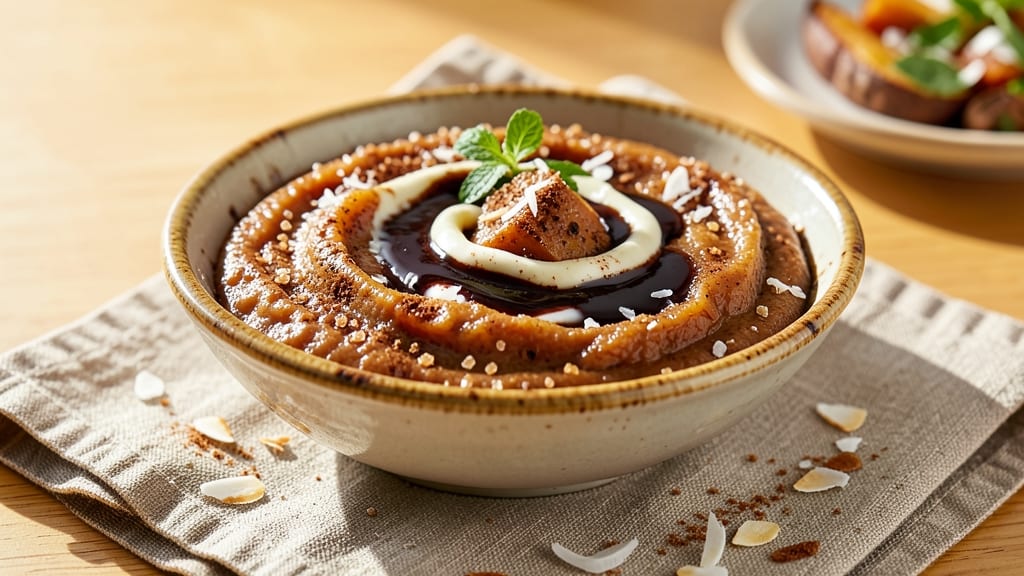
This Trinidad sweet potato pudding recipe brings the warm, spiced comfort of Caribbean tradition to your table, where tender sweet potatoes meet molasses and cinnamon in a rich, velvety embrace. 🌟 The dish is a staple in Trinidadian celebrations, offering a perfect balance of sweetness and earthy depth that transforms simple ingredients into something truly special.
What sets this recipe apart is the slow-cooked molasses glaze and the aromatic blend of nutmeg and brown sugar, which infuse every bite with a nostalgic, homey flavor.
The process begins with boiling sweet potatoes until they’re fork-tender, then blending them into a smooth purée that forms the heart of this pudding. Mixed with warm spices and a touch of coconut milk, the batter develops a luxurious texture that’s both comforting and elegant.
The key to achieving that signature Trinidadian taste lies in the molasses—its deep, caramelized sweetness ties all the flavors together, while a sprinkle of cinnamon on top adds a fragrant, crunchy finish.
What you’ll end up with is a dessert that’s rich yet balanced, with a tender, moist center and a caramelized crust that’s impossible to resist. This pudding is versatile enough to serve as a side during festive meals or as a decadent dessert on its own.
The combination of sweet potatoes, molasses, and spices creates a dish that’s deeply satisfying, with layers of flavor that linger long after the last bite.
Perfect for holiday gatherings or cozy family dinners, this recipe delivers restaurant-quality results with just a few simple ingredients and a little patience. Let’s bring the warmth of Trinidad to your kitchen—where every spoonful tells a story of tradition and love.
Ingredients for trinidad sweet potato pudding
Sweet potatoes, molasses, and warm spices create this Caribbean-inspired dessert's signature velvety texture and nostalgic flavor.
| Ingredient | Amount | Notes |
|---|---|---|
| Sweet Potatoes 🍠 | 2 lbs | Medium, peeled and cubed |
| Unsweetened Coconut Milk 🥥 | 13 ½ oz | Full-fat for creaminess |
| Dark Molasses 🍯 | 1 cup | Unsulphured preferred |
| Granulated Brown Sugar 🍚 | 1 ½ cups | Light or dark variety |
| Ground Cinnamon 🌿 | 2 tbsp | Freshly ground preferred |
| Ground Nutmeg 🌶️ | 1 tsp | Freshly grated |
| All-Purpose Flour 🌾 | 1 cup | For thickening |
| Baking Powder 🍞 | 1 tsp | Aluminum-free preferred |
| Salt 🧂 | ½ tsp | Diamond Crystal preferred |
| Large Eggs 🥚 | 2 whole | Room temperature |
| Unsalted Butter 🧈 | ½ cup | Melted, full-fat |
| Vanilla Extract 🌸 | 1 tbsp | Pure alcohol-free |
| Ground Ginger 🌿 | ½ tsp | Freshly grated preferred |
| Coconut Oil 🫒 | 2 tbsp | For greasing pan |
The sweet potatoes are the heart of this dish—farmers market varieties with vibrant orange flesh work best. Trader Joe's often carries the perfect ones, or look for the long, cylindrical type at Latin markets. Peeled and cubed, they need to be fork-tender when boiled—about 15 minutes. The molasses should be unsulphured (check the label) for that authentic Trinidadian depth. Goya brand is a reliable choice if you can't find unsulphured at regular grocery stores. For the spices, freshly ground cinnamon and nutmeg make all the difference—pre-ground loses potency fast. If you're at Whole Foods, their bulk spice section has excellent quality. The coconut milk must be full-fat for that rich, creamy texture—none of that light stuff.
No unsulphured molasses? Blackstrap molasses works perfectly—just use the same amount. Short on brown sugar? Maple syrup or honey in a pinch (reduce other liquids by 2 tbsp). The baking powder is non-negotiable—it's what gives this pudding its signature lift. If you're making this ahead, prepare the batter a day in advance and refrigerate it overnight for deeper flavor development. The eggs should be at room temperature for even blending. For extra richness, add 1 tbsp of coconut cream to the batter. And if you're feeling fancy, toasted coconut flakes on top add a delightful crunch that pairs beautifully with the cinnamon.
This pudding tastes even better the next day—make it ahead if you can. Store in an airtight container in the fridge for up to 5 days, though I've never had leftovers that long. For serving, warm gently in the microwave (20-30 seconds) to restore that comforting warmth. The molasses glaze keeps well in the fridge for 2 weeks if you make extra—just reheat in a small saucepan. Freezing isn't recommended as the texture changes, but you can freeze portions of the batter for up to 3 months if you're planning ahead. The cinnamon-sugar topping? Make a double batch—it disappears fast!
Why You'll Love This Recipe
- No Boil, No Peel: I just microwave the sweet potatoes whole, then scoop out the flesh—no peeling, no mess. The coconut milk and molasses blend in while you’re still washing the pot.
- Molasses Magic: That deep, caramelized kick from dark molasses? It’s the secret weapon—sweet but complex, with a hint of smoky warmth. The cinnamon ties it all together like a warm hug in dessert form.
- Potluck Star: Bring this to a gathering and watch it disappear. It’s rich enough for a dinner party but simple enough for a casual get-together—plus, it travels well in a jar or bowl.
- Budget-Friendly Luxury: Sweet potatoes and coconut milk stretch further than you’d think, and brown sugar keeps costs low. Here’s what sold me—it feels like a gourmet treat without the grocery shock.
Step-by-step instructions for Trinidad sweet potato pudding
This rich, spiced pudding delivers Caribbean comfort with every bite—creamy, molasses-sweet, and perfectly set.
🍳 Step 1: Roast Sweet Potatoes Until Tender
Preheat oven to 375°F and toss the 2 lbs cubed sweet potatoes with 1 tablespoon coconut oil, 1 tablespoon brown sugar, and ½ teaspoon salt. Spread on a baking sheet in a single layer—don't overcrowd, or they'll steam instead of roast.
Roast for 25-30 minutes until the edges are caramelized and a knife slides in easily. You want them soft enough to mash but still holding their shape slightly. Real talk: if they look too dry, add 2 tablespoons water during the last 5 minutes of roasting. The texture should be velvety, not crumbly.
👨🍳 Step 2: Mix Wet Ingredients for Creamy Base
In a large mixing bowl, whisk together the 13.5 oz coconut milk, 1 cup dark molasses, 1 cup brown sugar, 1 tablespoon vanilla extract, and ½ teaspoon ginger. The mixture will be thick—this is normal. Here's the thing: don't rush this step. Let the molasses and spices meld for 2 minutes while you prepare the eggs.
In a separate bowl, beat the 2 eggs until frothy, then gently fold them into the coconut mixture. The eggs will help create that signature pudding texture. I like to use a rubber spatula for this—it prevents overmixing and keeps the batter smooth. The batter should be thick but pourable, like pancake batter.
🥘 Step 3: Combine Dry Ingredients and Sweet Potatoes
Add the roasted sweet potatoes to the wet mixture and mash them slightly with a potato masher or fork—you want some texture, not a smooth puree. In a separate bowl, sift together the 1 cup flour, 1 teaspoon baking powder, 2 tablespoons cinnamon, and 1 teaspoon nutmeg. Here's where it gets fun: sprinkle the dry ingredients over the sweet potato mixture and fold gently until just combined.
Melt the ½ cup butter in a small saucepan over low heat, then stir it into the batter. This adds richness without making the pudding greasy. The final batter should be thick but smooth—if it's too stiff, add 1-2 tablespoons coconut milk to loosen it. The goal is a consistency that coats the back of a spoon but still holds its shape when dropped from a spoon.
🔥 Step 4: Bake Until Set and Golden
Grease a 9x13-inch baking dish with the remaining 1 tablespoon coconut oil and pour in the batter. Bake at 350°F for 45-50 minutes until the center is just set (it should still jiggle slightly) and the top is golden brown. Here's the critical part: don't overbake. The pudding will continue setting as it cools, and overbaking makes it dry.
To test doneness, insert a toothpick in the center—it should come out with a few moist crumbs, not completely clean. The edges should be pulling away from the pan slightly, indicating it's ready. If the top browns too quickly, tent loosely with foil during the last 10 minutes of baking to prevent over-browning.
⏰ Step 5: Chill and Serve Warm or Cold
Let the pudding cool in the pan for 15 minutes, then refrigerate for at least 2 hours (or up to 24 hours). This chilling step is non-negotiable—it allows the flavors to develop fully and the texture to set properly. When ready to serve, run a knife around the edges to loosen it from the pan, then invert onto a serving plate.
The pudding should be firm but still slightly wobbly in the center, with a caramelized top and creamy, spiced interior. Serve warm with a dollop of whipped coconut cream or cold with a sprinkle of extra cinnamon. Each bite delivers that perfect balance of sweet, spiced molasses warmth with the earthy sweetness of the roasted potatoes.
Pro Tips For Making Trinidad Sweet Potato Pudding
- Boil Until Fork-Tender: Sweet potatoes for this pudding need to be soft as butter—not just cooked through. Cut them into even 1-inch chunks and boil them in salted water for 15–20 minutes until they collapse under gentle pressure. Overcooking turns them mushy; undercooking means your pudding will taste dry and mealy. Test one—if it’s still slightly springy, give it another 5 minutes.
- Toast the Cinnamon: Skip the pre-ground stuff—this is where flavor hides. Lightly toast your cinnamon in a dry pan over medium heat for 30 seconds until fragrant. Let it cool before adding it to the pudding; this deepens its warmth and cuts through the molasses’ bitterness. (Yes, even if you’re using "premium" store-bought cinnamon—it still needs this step.)
- Reduce the Molasses Slowly: Molasses burns faster than you’d think. Simmer it in a small saucepan for 3–4 minutes before adding it to the pudding mixture—this concentrates the flavor and prevents a bitter aftertaste. Stir constantly, and if it starts to darken too quickly, pull it off the heat and let it cool slightly. Patience here saves you from scraping burnt sugar off the bottom of your pot.
- Mix in Coconut Milk Last: Add the coconut milk after the pudding has thickened slightly—this keeps it creamy, not watery. If you stir it in too early, the starch from the sweet potatoes will turn it grainy. For extra richness, use full-fat coconut milk and whisk it in vigorously; the pudding will thank you with a velvety texture. (And no, the canned version won’t cut it—this isn’t a smoothie.)
Make-ahead tips for this dish
Prep Ahead Strategy
Make the batter 24 hours in advance and refrigerate it overnight in an airtight container. This allows the flavors to meld beautifully, especially the molasses and spices. The batter will thicken slightly, so add 1-2 tablespoons coconut milk if it becomes too stiff before baking.
I always find the next-day flavor development transforms this pudding from good to extraordinary. 💫
Batter Storage Tips
Store the prepared batter in the refrigerator for up to 3 days or freeze it for 3 months in a sealed container. When ready to bake, thaw overnight in the fridge if frozen.
The texture remains perfect—just add 1 extra tablespoon coconut milk if thawed batter seems too thick. For extra convenience, portion batter into two 9x13-inch pans before freezing for easy single-serving baking later.
Make-Ahead Baking
Bake the pudding 1 day before serving and refrigerate it fully set. The flavors intensify overnight, and the texture becomes even more velvety. When ready to serve, warm gently in the oven at 300°F for 15 minutes to restore that comforting warmth.
This method works perfectly for holiday gatherings—just assemble and refrigerate the day before, then reheat and serve.
Molasses Glaze Prep
Prepare the molasses glaze up to 2 weeks ahead and store it in an airtight container in the fridge. Reheat in a small saucepan over low heat, stirring until smooth.
This pre-made glaze saves time on serving day and ensures you're ready to drizzle that signature caramelized sweetness over the pudding. I like to double the recipe so I always have extra for future desserts.
Serving Prep Shortcuts
Pre-portion the cinnamon-sugar topping into small containers and store it in the pantry. This eliminates last-minute measuring during serving. For an extra touch, toast ½ cup coconut flakes in a dry pan over medium heat for 3 minutes—their nutty aroma enhances the pudding's tropical notes.
Keep these toppings ready so you can focus on enjoying the moment with your guests.
Holiday Make-Ahead Plan
For festive occasions, bake two 9x13-inch puddings the day before and refrigerate. Serve one warm with whipped coconut cream and the other cold with the molasses glaze. This dual-service approach lets you offer both textures while minimizing last-minute stress.
I've used this strategy for Christmas gatherings for years—it's always a crowd-pleaser that feels special but requires no day-of effort. ✨
Nutrition facts
Frequently asked questions
Can I substitute regular potatoes for sweet potatoes?
No, sweet potatoes are essential—their natural sweetness and vibrant color create the signature flavor and texture. Regular potatoes will make the pudding taste bland and lose that caramelized depth. If you absolutely must substitute, try yams (they're closer in sweetness), but expect a slightly different texture.
Why does my pudding taste too sweet?
The molasses and brown sugar combine for a rich sweetness, but balance is key. Reduce the brown sugar by 2 tablespoons or add ½ teaspoon more cinnamon or nutmeg to enhance the spice profile. The coconut milk's natural creaminess also amplifies sweetness—use light coconut milk if needed.
Can I make this pudding without eggs?
Yes, but the texture will differ. Replace the 2 eggs with 2 tablespoons ground flaxseed mixed with 6 tablespoons water (let sit for 5 minutes) or ½ cup unsweetened applesauce. The pudding may be slightly denser, but the flavor remains rich. For best results, add 1 extra tablespoon baking powder to compensate for lost lift.
How do I prevent the pudding from cracking?
Cracking happens when the pudding cools too quickly. To avoid this, let it cool in the pan for 15 minutes before refrigerating, and don't overbake—remove it when the center still jiggles slightly. For extra insurance, cover the pan loosely with foil during the last 10 minutes of baking to slow cooling.
What's the best way to reheat leftover pudding?
For warm servings, slice and reheat individual portions in the microwave for 20-30 seconds. For a restaurant-style finish, warm the whole pudding at 300°F for 15 minutes—this restores that comforting, baked-through texture. Avoid high heat to prevent drying out the creamy center.