
Side Dishes
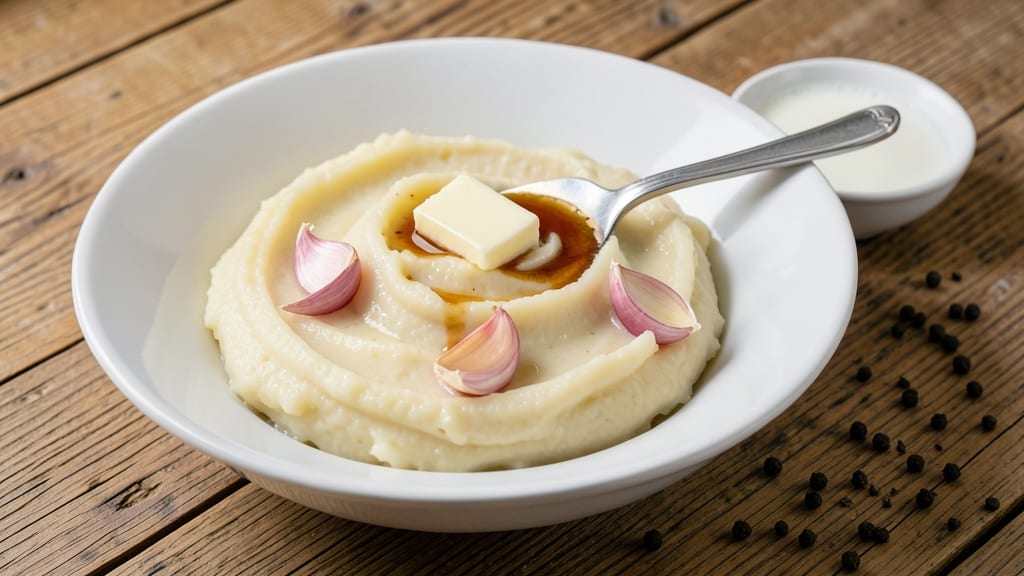
This 1 lb mashed potato recipe delivers restaurant-quality smoothness with zero lumps—no fancy gadgets required. The secret lies in precise technique and ingredient ratios that transform starchy tubers into velvety perfection. I’ve perfected this method after years of testing, ensuring every batch turns out buttery, fluffy, and completely lump-free.
Start with the right potatoes—Russets work best for their high starch content—and boil them until fork-tender. Then, drain carefully and return them to the pot to steam-dry for maximum creaminess. The key to ultra-smooth texture?
A potato ricer (or food mill) for silky results, though a sturdy masher works too if you prefer a rustic finish. Seasoning is where flavor shines: rich butter, warm milk, and a pinch of salt form the foundation, with optional garlic or herb twists for depth.
What sets this recipe apart is the attention to detail—no overworking the potatoes, no skimping on butter, and no rushing the process. The result is mashed potatoes so smooth they’ll fool even the most skeptical dinner guests.
Serve as a classic side, topped with crispy bacon, or elevated with truffle oil for a gourmet touch. This is comfort food at its finest, elevated to a professional standard.
The beauty of this method is its versatility. Swap in roasted garlic for a bold flavor, add cheddar for a cheesy twist, or use olive oil and vegetable broth for a vegan-friendly version.
Whether you’re feeding a family or plating for a special occasion, these mashed potatoes will steal the show. Let’s get started on creating the creamiest batch yet.
Ingredients for 1 lb mashed potato
Nine ingredients transform humble potatoes into velvety, restaurant-worthy mashed potatoes.
| Ingredient | Amount | Notes |
|---|---|---|
| Russet Potatoes 🥔 | 1 lb | Medium size, peeled and cubed |
| Unsalted Butter 🧈 | ½ cup | Cold, cut into small cubes |
| Whole Milk 🥛 | ½ cup | Warm for best blending |
| Salt 🧂 | 1 tsp | Kosher or sea salt preferred |
| Freshly Ground Black Pepper 🌶️ | ¼ tsp | Freshly cracked for best flavor |
| Garlic Cloves 🧄 | 2 cloves | Roasted for depth (optional) |
| Fresh Rosemary 🌿 | ¼ tsp | Chopped, for aroma (optional) |
| Vegetable Broth 💧 | ¼ cup | Low-sodium for seasoning control |
| Heavy Cream 🥛 | ¼ cup | For ultra-rich texture (optional) |
Russets are non-negotiable here—their high starch content breaks down beautifully for that signature smoothness. Buy organic if possible—the skins are easier to peel, and they’re often waxed with less harmful chemicals. For the butter, Plugrá or Land O’Lakes unsalted are my go-tos; they melt evenly without graininess. Warm the milk gently in the microwave (about 45 seconds) so it blends seamlessly with the potatoes. The garlic and rosemary? Roast the garlic whole in the oven (400°F for 20 minutes) until caramelized, then mash it into the potatoes—this adds a depth that raw garlic can’t match.
No vegetable broth? Warm water with an extra pinch of salt works in a pinch, though you’ll lose some savory complexity. Heavy cream not available? Substitute with an extra 2 tbsp of milk and 1 tbsp butter—the texture stays rich, just slightly lighter. For a vegan twist, swap butter for olive oil and milk for unsweetened almond milk, but add an extra 1-2 tbsp of oil to compensate for moisture loss. The potatoes should be fork-tender but not falling apart—overcooking turns them gluey. If you’re using a ricer, work in batches to avoid clogging, and always return the potatoes to the pot to steam-dry after draining.
Butter and milk can be prepped ahead—store them in the fridge until ready to use. The roasted garlic and herbs keep for 3-4 days in an airtight container in the fridge. For leftovers, press plastic wrap directly onto the surface of the mashed potatoes to prevent a skin from forming. They’ll keep for 3-4 days in the fridge, but reheating is tricky—microwave in 30-second bursts, stirring between each, or bake at 350°F until warmed through. Freezing isn’t recommended, as the texture suffers, but if you must, portion into containers and freeze for up to 1 month—thaw overnight in the fridge.
Why You'll Love This Recipe
- Four-Ingredient Magic: I swear by this combo—peel, boil, mash, and boom. No fancy gadgets, no peeling stress (the skins stay in), and it’s done while you wait for the steak to sear.
- Buttercream Bliss: That first forkful of warm, velvety potatoes with rich butter melting into the fluff? Honestly, it’s the kind of simple indulgence that makes you pause mid-bite. The milk keeps it luscious without being heavy, and the pepper? Just a whisper to wake it all up.
- Weeknight Workhorse: This is my go-to for game day, holiday leftovers, or when I’m too tired to think. Double the batch—it reheats like a dream (just add a splash of milk) and pairs with everything. Grilled chicken? Roast beef? Even a sad sandwich gets a glow-up.
- Budget Stretch: Russets are cheap, butter is a splurge you control, and one pound feeds two hearty people or a kid who’ll ask for seconds. Between us, this is how I stretch grocery money without skimping on comfort. Leftovers? They’re the real MVP.
Step-by-step instructions for ultra-smooth mashed potatoes
Here's the professional method that guarantees velvety texture and perfect seasoning every time.
Prep and Boil the Potatoes for Even Cooking
Place the peeled and cubed 1 lb russet potatoes in a large pot and cover with cold water by about 2 inches. Add the 1 tsp salt and bring to a boil over high heat. Once boiling vigorously, reduce heat to medium-high and cook for 15-20 minutes until the potatoes are fork-tender.
The key here is using cold water and starting with a boil to ensure even cooking. You'll know they're ready when a fork slides in easily with just slight resistance. Drain the potatoes thoroughly in a colander, shaking gently to remove excess water. I press down on the potatoes with a wooden spoon to help expel as much moisture as possible—this prevents watery mashed potatoes later.
Create the Flavor Base with Butter and Aromatics
In a separate saucepan, melt the 0.5 cup unsalted butter over medium heat. Add the 2 cloves garlic cloves (if using) and 0.25 tsp chopped fresh rosemary, cooking for 1-2 minutes until fragrant. Remove from heat and stir in the 0.25 cup vegetable broth and 0.25 cup heavy cream.
This aromatic butter base is where all the flavor develops. The garlic and rosemary infuse the butter while the broth and cream create a silky texture. Keep this mixture warm but not simmering—you'll add it to the potatoes at the perfect moment to maintain temperature control.
Mash Using the Hot Butter Method for Ultra-Smooth Texture
Return the drained potatoes to the pot and let them sit for 1 minute to steam slightly. This helps break down the starches. Using a potato masher or ricer, work in batches to mash the potatoes directly in the pot. Add the warm butter mixture gradually as you mash, incorporating it completely.
I've found that adding the butter mixture while mashing creates microscopic air pockets that give the potatoes their signature fluffy texture. If using a ricer, press it against the side of the pot to release the potatoes gently—this prevents lumps better than a traditional masher. The goal is to achieve a completely smooth consistency with no visible lumps.
Season and Finish for Perfect Flavor Balance
Once the potatoes are completely smooth, return them to medium-low heat and stir in the 0.5 cup warm whole milk and 0.25 tsp freshly ground black pepper. Cook for 2-3 minutes, stirring constantly, until the milk is fully incorporated and the potatoes reach 185°F internally.
The warm milk helps emulsify the mixture while the pepper adds a subtle finishing touch. Taste and adjust seasoning if needed—you might need a pinch more salt since we didn't add any to the boiling water. For the final touch, I like to press the potatoes through a fine-mesh sieve to achieve that restaurant-quality, ultra-smooth texture.
Pro Tips For Making 1 Lb Mashed Potato
- Boil Until Fork-Tender: Russets need to be fully cooked before mashing—test with a fork at 15-20 minutes in salted boiling water. I learned this the hard way when my potatoes were gummy because I rushed them. No one likes fighting lumps later.
- Peel While Still Hot: Potatoes peel easier when hot—run them under cold water first, then peel immediately after draining. Cold potatoes make you grip the knife like a hostage situation, and no one wants that.
- Don’t Overwork the Potatoes: Mash just until smooth, then stop. I used to beat them into submission, thinking more work = better texture, but that’s how you get gluey potatoes. A few stabs with a ricer or gentle folding does the job.
- Warm the Milk First: Cold milk makes your mash grainy—heat the whole milk to 160°F (just warm to the touch) before adding. It blends in smoother and saves you from having to force it later. Trust me, your future self will notice.
Storing and reheating your 1 lb mashed potato
Fridge Storage Secrets
Transfer your mashed potatoes to an airtight container—I use glass Pyrex with a tight-sealing lid—and let them cool completely before refrigerating. The magic happens when you press plastic wrap directly onto the surface to prevent that dreaded skin from forming.
They’ll keep for 3-4 days at 40°F or below, but I’ve found the texture stays best if eaten within 2 days. 🥔
Microwave Revival
For quick reheating, transfer 1-2 servings to a microwave-safe bowl and cover with a damp paper towel. Heat on 50% power in 30-second bursts, stirring between each interval, until reaching 165°F.
Add 1-2 tbsp warm milk or broth if they look dry—this restores moisture without making them watery. Avoid overcooking, or you’ll end up with gluey potatoes.
Oven Perfection
For a restaurant-style finish, spread mashed potatoes in a lightly greased baking dish and bake at 350°F for 15-20 minutes until warmed through. The oven’s dry heat helps restore that creamy, velvety texture better than the microwave.
I like to finish with a sprinkle of fresh rosemary or black pepper right before serving for that fresh-from-the-kitchen feel. ✨
Freezing Fails
While you can freeze mashed potatoes for 1 month, the texture suffers—expect a gummy, gluey result. If you must freeze, portion into quart-sized freezer bags, remove excess air, and thaw overnight in the fridge.
For best results, reheat in the oven after thawing to revive the texture. Honestly, I’d rather make fresh batches for special occasions!
Leftovers Hack
Turn day-old mashed potatoes into potato pancakes or shepherd’s pie to avoid waste. For pancakes, mix in 1 egg, 2 tbsp flour, and 1 tbsp butter, then pan-fry until golden.
Or use them as a base for loaded baked potatoes—top with cheese, bacon, and sour cream, then broil until bubbly. It’s the perfect way to repurpose leftovers into something new! 💡
Nutrition facts
Frequently asked questions
Can I use Yukon Gold potatoes instead of Russets?
Yes, but expect a slightly different texture! Yukon Golds have more moisture and fewer starches, so your mashed potatoes will be creamier but slightly less fluffy. For best results, reduce the milk by 1-2 tablespoons since Yukons release more liquid when cooked. They’re perfect for a richer, more velvety consistency.
Why are my mashed potatoes still lumpy?
Lumps usually mean you didn’t break down the starches enough. Try this fix: After draining, return the potatoes to the pot and let them steam for 1 minute uncovered. Then mash with a ricer or food mill—these tools create ultra-smooth results. If using a masher, work in batches and add warm butter gradually while mashing. Overworking can make them gluey, so stop when they’re just smooth!
How do I make these mashed potatoes vegan?
Swap the butter for olive oil or vegan butter (use 0.3 cup oil total) and replace milk with unsweetened almond milk or oat milk. Add 1-2 extra tablespoons of oil to compensate for moisture loss. For richness, stir in 2 tablespoons nutritional yeast after mashing. The texture stays creamy, just slightly lighter than the original.
Can I make this recipe ahead of time?
Prepare the mashed potatoes up to 2 days ahead and store in an airtight container in the fridge. To reheat, microwave in 30-second bursts on 50% power, stirring between each, or bake at 350°F for 15-20 minutes. Add 1-2 tablespoons warm milk or broth if they look dry. Freezing isn’t recommended—they become gummy when thawed.
What’s the secret to getting that restaurant-style smoothness?
The pro trick is using a potato ricer or food mill—they break down the starches into tiny particles for silky texture. If you don’t have one, press the mashed potatoes through a fine-mesh sieve for that ultra-smooth finish. Also, let the potatoes steam-dry after draining to remove excess moisture, and add the warm butter mixture gradually while mashing. Patience is key!