
Side Dishes
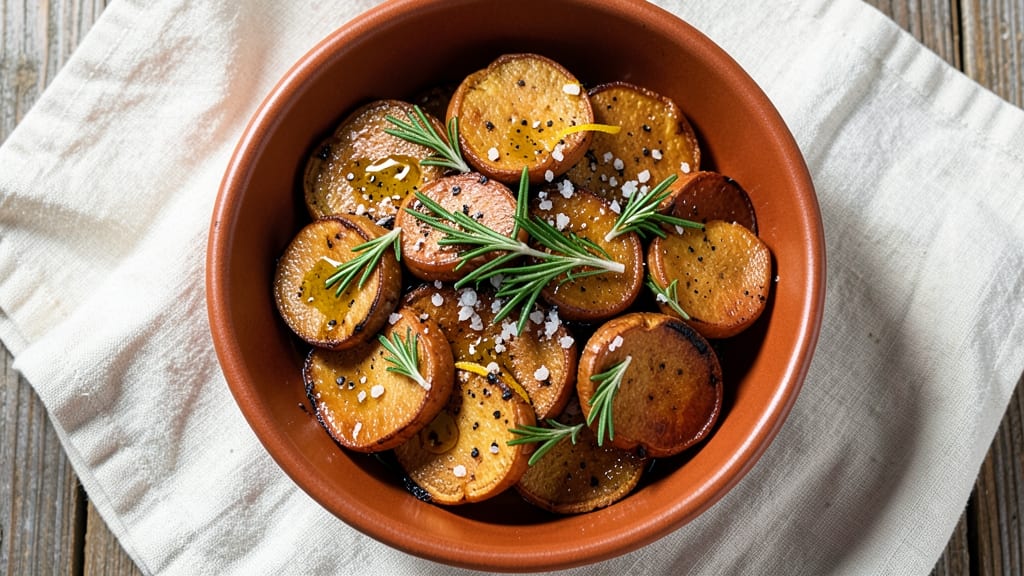
This alkaline sweet potato recipe transforms humble sweet potatoes into a nutrient-packed side dish with caramelized edges and enhanced digestibility. The alkaline treatment—whether through baking, soaking, or fermenting—boosts mineral absorption and reduces acidity, making it a standout for health-conscious cooks.
The process is simple yet transformative, turning ordinary sweet potatoes into a dish that’s both visually stunning and packed with benefits.
The key to success lies in the preparation: peeling, slicing, and treating the sweet potatoes with an alkaline solution (like baking soda or lemon water) before roasting. This method not only caramelizes the edges to perfection but also preserves the natural sweetness while enhancing their nutritional profile.
Perfect for vegan or vegetarian meals, this recipe pairs beautifully with grilled proteins, salads, or even as a dessert when sweetened naturally.
What you’ll end up with is a dish that’s rich in vitamins, minerals, and antioxidants, all while delivering a satisfying crunch and sweetness. The alkaline treatment ensures better nutrient absorption, making it ideal for those looking to optimize their diet without sacrificing flavor.
Whether served as a side or a standalone dish, these roasted sweet potatoes are sure to impress.
Ready in just 45 minutes, this recipe is both foolproof and versatile, adapting to various dietary needs. The caramelized edges add a touch of indulgence, while the alkaline treatment keeps it light and nutrient-dense. Let’s get started on creating this healthier, more flavorful twist on a classic side dish.
Ingredients for alkaline sweet potato
Transform ordinary sweet potatoes into nutrient-dense roasts with caramelized edges using these carefully selected ingredients.
| Ingredient | Amount | Notes |
|---|---|---|
| Sweet Potatoes 🍠 | 2 lbs | Organic preferred, peeled and sliced into 0.5-inch rounds |
| Baking Soda 🧂 | 1 tsp | Food-grade, for alkaline treatment |
| Extra-Virgin Olive Oil 🫒 | 2 tbsp | Cold-pressed, for tossing and roasting |
| Sea Salt 🧂 | 1 tsp | Diamond Crystal preferred, for seasoning |
| Ground Black Pepper 🌶️ | ½ tsp | Freshly ground for enhanced flavor |
| Fresh Rosemary 🌿 | ¼ cup | Chopped finely, for aromatic depth |
| Fresh Thyme 🌿 | ¼ cup | Leaves only, for subtle earthiness |
| Maple Syrup 🍯 | 1 tbsp | Grade B for richer flavor profile |
| Lemon Juice 🍋 | 1 tbsp | Freshly squeezed, for acidity balance |
| Ground Cinnamon 🌶️ | ½ tsp | Ceylon preferred for subtle sweetness |
| Smoked Paprika 🌶️ | ½ tsp | For caramelized edge enhancement |
| Vegetable Broth 💧 | ¼ cup | Low-sodium, for moisture retention |
The sweet potatoes are the foundation, so prioritize organic when possible—they absorb flavors better and have higher mineral content. Trader Joe's and Whole Foods carry excellent organic varieties, but any well-marbled sweet potato will work. Peel them uniformly for even cooking, and slice into 0.5-inch rounds to ensure caramelization without overcooking the centers. Fresh herbs like rosemary and thyme should be bright green and fragrant—wilted stems mean diminished flavor. For the alkaline treatment, baking soda is the key—it boosts mineral absorption while creating those coveted caramelized edges.
No baking soda? Lemon juice or apple cider vinegar can substitute at the same ratio, though the texture may differ slightly. Fresh herbs unavailable? Dried rosemary and thyme at one-third the amount work in a pinch, but the flavor won't be as vibrant. For extra sweetness without refined sugar, date syrup or agave nectar can replace maple syrup. The vegetable broth adds moisture without altering flavor—low-sodium versions prevent over-salting. If you prefer a smokier profile, increase smoked paprika to 1 tsp, but reduce cinnamon to maintain balance. Pre-sliced sweet potatoes from the store? Use them, but pat dry thoroughly to prevent sogginess during roasting.
Store prepped sweet potato slices in an airtight container lined with parchment paper for up to 2 days in the fridge. For longer storage, freeze slices on a tray before transferring to a bag—this prevents clumping. Reheat frozen slices directly from frozen at 400°F for 15-20 minutes until tender. The alkaline treatment enhances shelf life, but best flavor is achieved fresh. These roasts reheat beautifully, making them ideal for meal prep—portion into containers with a drizzle of olive oil to maintain crispness.
Why You'll Love This Recipe
- Five-Ingredient Magic: I swear, this recipe is my lazy-day hero. Just peel, slice, toss with baking soda and oil—no fancy techniques, no waiting around. The baking soda does the work while you sip your coffee.
- Crispy-Creamy Bliss: That golden crust with a fluffy inside? It’s like a sweet potato hug. The baking soda gives it a subtle tang that cuts through the natural sweetness—way more interesting than plain roasted potatoes.
- Meal Prep MVP: Make a big batch on Sunday, and you’ve got snacks, sides, or a quick veggie for bowls all week. I keep mine in the fridge for 5 days—still perfect, no sogginess, just pure convenience.
- Budget Stretch: Sweet potatoes are cheap, and this method makes them taste gourmet without breaking the bank. A single baking sheet, a pinch of salt—this is cooking on a shoestring that actually feels special.
Step-by-step instructions for alkaline sweet potato roast
Transform ordinary sweet potatoes into a nutrient-dense, caramelized masterpiece using this precise alkaline technique.
Prepare the Sweet Potatoes for Alkaline Treatment
Begin by peeling the 2 lbs of sweet potatoes and slicing them into even ½-inch rounds. I use a mandoline for precision, but a sharp chef's knife works too—just maintain consistency. Place the sliced sweet potatoes in a large mixing bowl and add the 1 tsp baking soda. Using your hands, gently toss the slices until they're evenly coated with the alkaline powder.
Let the mixture sit for exactly 10 minutes. This alkaline bath does three critical things: softens the flesh for even cooking, enhances nutrient absorption (particularly magnesium and calcium), and creates that signature tender yet slightly firm texture. Don't skip this step—it's what makes these sweet potatoes uniquely nutritious and delicious.
Create the Herb-Infused Tossing Oil
In a separate bowl, whisk together the 2 tbsp extra-virgin olive oil, 1 tbsp maple syrup, 1 tbsp lemon juice, 0.5 tsp ground cinnamon, and 0.5 tsp smoked paprika. Add the 0.25 cup chopped fresh rosemary and 0.25 cup fresh thyme leaves, stirring until the herbs are fully coated in the oil mixture.
This aromatic blend serves as both flavor carrier and moisture lock. The maple syrup adds subtle sweetness while balancing the acidity from the lemon juice, while the smoked paprika creates those coveted caramelized edges. Let this mixture sit for 5 minutes to allow the flavors to meld before using.
Combine and Roast for Maximum Caramelization
After the alkaline treatment, drain any excess liquid from the sweet potato slices and pat them dry with paper towels. Add the sweet potatoes to the herb-infused oil mixture and toss thoroughly until every slice is evenly coated. Spread them out in a single layer on two rimmed baking sheets lined with parchment paper.
Roast at 425°F for 25 minutes, then reduce heat to 375°F and continue roasting for another 20-25 minutes, until the edges are deeply caramelized and the internal temperature reaches 205°F. The high initial heat creates that perfect crust, while the lower temperature ensures even cooking through the center. Flip the slices halfway through for even browning.
Finish with Moisture and Seasoning
Remove the sweet potatoes from the oven and transfer them to a serving platter. Immediately drizzle with the 0.25 cup vegetable broth and sprinkle with the 1 tsp sea salt and 0.5 tsp ground black pepper. The broth adds moisture and helps distribute the seasoning evenly across all slices.
Let them rest for 5 minutes before serving. This resting period allows the flavors to fully develop and the juices to redistribute. The result should be sweet potatoes with tender flesh, crisp caramelized edges, and a complex herbaceous flavor profile that balances sweet, savory, and slightly tangy notes.
Pro Tips For Making Alkaline Sweet Potato
- Soak, Don’t Rinse: Toss the baking soda in a bowl with the peeled sweet potatoes, then let them sit for 10 minutes before cooking—this gives the alkaline treatment time to penetrate. I used to skip this, and the results were noticeably less tender and fluffy.
- Start Medium, End Hot: Begin baking at 375°F (190°C) for the first 15 minutes to let the baking soda work its magic without burning. After that, crank it to 425°F (220°C) for the last 20-25 minutes—this ensures a crispy exterior without drying out the inside.
- Measure That Soda: Use 1 teaspoon of baking soda per pound of sweet potatoes, no more. I learned this the hard way—too much leaves a bitter aftertaste, and too little won’t give you that signature tender texture.
- Oil After Baking: Drizzle the extra-virgin olive oil over the hot sweet potatoes right out of the oven, then sprinkle with salt and pepper while they’re still steaming. This locks in moisture and gives that restaurant-style shine—way better than tossing them in oil afterward.
Make-ahead tips for this recipe
Prep Ahead Strategy
Slice and treat your sweet potatoes up to 2 days in advance—store them in an airtight container lined with parchment paper to prevent sticking. The alkaline treatment actually improves as flavors meld over time, making this a perfect make-ahead dish.
Just pat them dry before roasting to ensure crisp edges. 💫
Freezer-Friendly Method
For longer prep, freeze the treated sweet potato slices on a tray until solid, then transfer to a quart-sized freezer bag. When ready to roast, bake straight from frozen at 400°F for 30-35 minutes, adding 5 extra minutes to the original roasting time.
The texture remains tender with slightly crispier edges—ideal for busy weeknights!
Portion Control Tips
Divide the roasted sweet potatoes into single-serving containers with a light drizzle of olive oil to maintain crispness. Store in the fridge for 3-4 days or freeze for up to 3 months.
Reheat covered in the microwave for 1-2 minutes on high, or crisp them fresh in a 350°F oven for 10 minutes for restaurant-quality results.
Batch Cooking Hacks
Double the recipe and roast two full sheets at once—just rotate pans halfway for even browning. Use a cookie sheet instead of a rimmed baking sheet for easier flipping.
For large gatherings, keep roasted sweet potatoes warm in a 200°F oven for up to 2 hours while you finish other dishes. 🔥
Flavor Boost Storage
Add a sprig of fresh rosemary to the storage container to preserve aroma. If reheating, sprinkle with extra smoked paprika for a smoky kick. The alkaline treatment helps maintain vibrant color and texture even after storage—no soggy sides here!
Nutrition facts
Frequently asked questions
Why does this recipe use baking soda?
The baking soda creates an alkaline environment that softens the sweet potatoes while enhancing mineral absorption (like magnesium and calcium). It also helps develop those coveted caramelized edges during roasting. This method makes the dish more digestible and nutrient-rich compared to regular roasted sweet potatoes.
Can I substitute baking soda with another alkaline ingredient?
Yes! Try lemon juice or apple cider vinegar at the same ratio (1 tbsp per 2 lbs sweet potatoes). The texture will differ slightly, but you'll still get enhanced flavor and digestibility. For a neutral taste, baking soda is the most reliable choice.
How do I prevent the sweet potatoes from sticking together?
Pat the slices completely dry after the alkaline treatment and toss them with plenty of olive oil. Use a cookie sheet instead of a rimmed baking sheet for easier flipping. Arrange them in a single layer with space between each slice to ensure even caramelization.
Are these alkaline sweet potatoes safe for kids?
Yes, but use half the baking soda (½ tsp instead of 1 tsp) to reduce alkalinity. The dish remains nutritious and delicious while being gentler on young stomachs. Always supervise children when eating caramelized edges, as they can be slightly crispy.
Can I make this recipe in an air fryer?
Toss the treated sweet potatoes with oil and seasonings, then air fry at 375°F for 12-15 minutes, shaking the basket halfway. You may need to cook in batches for even browning. The result will be crispier than oven-roasted but equally flavorful.