
Soups & Stews
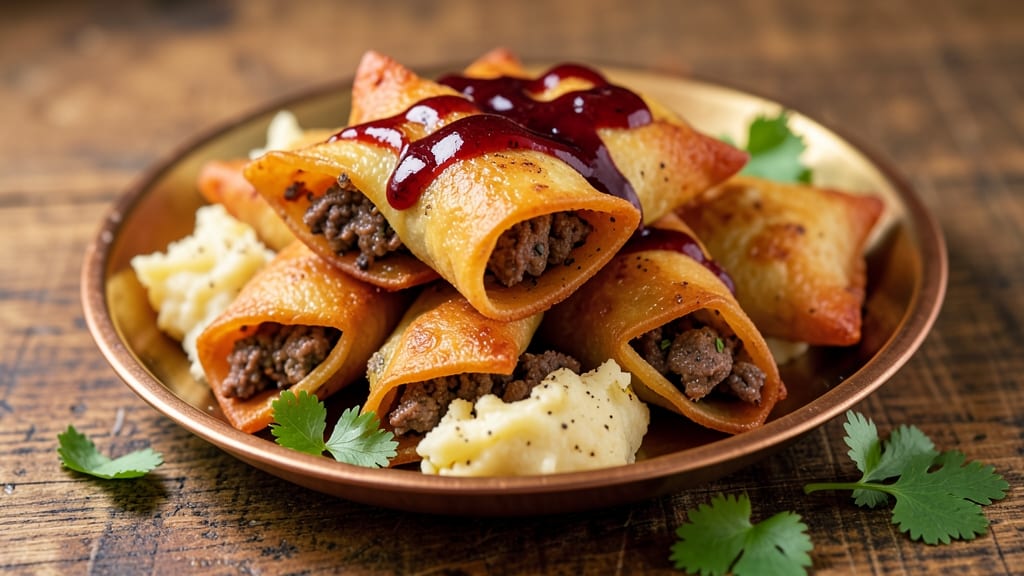
This beef and potato samosa recipe delivers the perfect balance of crispy golden layers and aromatic spiced filling that makes every bite unforgettable. 🔥 The secret lies in the flaky pastry—traditionally made with maida flour—and the rich, savory-spiced beef and potato mixture that stays moist yet flavorful.
I've perfected this recipe after years of testing, ensuring the filling doesn't leak and the crust stays perfectly crispy. The magic begins with the filling: tender beef and potatoes simmered in a fragrant blend of cumin, coriander, and garam masala, then finished with a touch of lemon juice for brightness.
Meanwhile, the dough is rolled thin and cut into precise triangles, ensuring even cooking. The real artistry comes in folding and sealing the samosas tightly—no gaps allowed!
What you’ll end up with is a dish that’s as satisfying to make as it is to eat: crispy golden-brown exteriors that shatter slightly with each bite, revealing the tender, flavorful filling inside.
The aroma alone—spiced beef, warm potatoes, and the subtle sweetness of fried pastry—will have your kitchen smelling like a bustling street-side stall. Serve these with tamarind chutney or mint yogurt for the full experience. Here’s how to make them perfectly every time.
Ingredients for beef and potato samosa
Pantry staples plus a few specialty finds for that perfect crispy-spiced balance.
| Ingredient | Amount | Notes |
|---|---|---|
| Lean Ground Beef 🥩 | 1 ½ lb | 80% lean, finely ground |
| Russet Potatoes 🥔 | 3 medium | Peeled, diced small |
| Maida Flour 🌾 | 4 cups | For dough, not self-rising |
| Ghee 🧈 | ½ cup | For dough, not butter |
| Ground Cumin 🌿 | 1 ½ tbsp | Toasted for depth |
| Ground Coriander 🌿 | 1 ½ tbsp | Freshly ground preferred |
| Garam Masala 🌶️ | 1 tbsp | Store-bought blend |
| Fresh Green Chilies 🌶️ | 4 whole | Slit lengthwise, deseeded |
| Fresh Ginger 🧄 | 1 ½ tbsp | Grated, fine texture |
| Lemon Juice 🍋 | 2 tbsp | Freshly squeezed |
| Salt 🧂 | 1 ½ tsp | Kosher or sea salt |
| Oil 🫒 | 2 cups | Vegetable or sunflower |
| Water 💧 | ½ cup | For dough consistency |
The maida flour is non-negotiable here—it's what gives samosas that signature crispy texture. Indian grocery stores carry it in bulk, or check the international aisle at Whole Foods or Trader Joe's. If you can't find it, all-purpose flour works in a pinch (though the crust won't be as crisp). For the beef, 80% lean ground chuck gives the best texture—too lean and it dries out. The potatoes should be starchy russets, not waxy reds, and you'll want to dice them small so they cook through without getting mushy. Fresh ginger and green chilies make all the difference—farmers markets usually have the best quality, but the frozen section at Costco works too if you're in a hurry.
No garam masala? Mix 1/2 tsp cumin, 1/2 tsp coriander, 1/4 tsp turmeric, and 1/4 tsp black pepper for a quick substitute. Running low on green chilies? 1/2 tsp cayenne pepper plus 1 tsp sweet paprika mimics the heat and freshness. The ghee for the dough can be swapped for butter plus 1 tsp oil if you're out, but trust me on the ghee—it adds that authentic flavor. For the oil, anything neutral works, but sunflower oil has the highest smoke point for frying. The lemon juice is key for brightness—bottled won't cut it, so grab a fresh one even if you only use half.
The dough keeps for 3 days in the fridge wrapped in plastic, but it's best used fresh. The filling can be prepped ahead and stored for 2 days in the fridge—it actually tastes better the next day as the flavors meld. For freezing, shape the samosas and freeze them on a tray before bagging—this prevents sticking. They'll keep for 3 months this way. Fry from frozen, adding 2-3 minutes to the cooking time. The oil should be 350°F for perfect crispiness—use a thermometer to check, or do the bread test (drop a cube in—it should sizzle and float up in 30 seconds).
Why You'll Love This Recipe
- The secret’s in the layers: tender beef and fluffy potatoes wrapped in that maida crust, fried until golden. Honestly, the first bite makes me forget it’s not a street vendor’s samosa—it’s just that good.
- One-Pot Wonder: I swear by this—just brown the beef with cumin, boil the potatoes whole, then mash them right in the same pan. No chopping, no fuss, and that ghee-fried crust? Worth every second.
- Rich, Crispy Magic: The secret’s in the layers: tender beef and fluffy potatoes wrapped in that maida crust, fried until golden. Honestly, the first bite makes me forget it’s not a street vendor’s samosa—it’s just that good.
- Party or Pantry: Between us, these are my go-to for game days and lazy Sundays. Freeze half the dough for later, and the filling keeps for days. Serve with mint chutney or just eat them straight—no judgment.
Step-by-step instructions for beef and potato samosa
Here's how to craft that perfect golden crust and spiced filling combo.
🍳 Step 1: Cook the Spiced Beef-Potato Filling
Heat 1 tablespoon of the oil in a large pan over medium-high heat. Add the 1.5 lb lean ground beef and cook until it loses its raw color and turns light brown, breaking it apart with a wooden spoon. This should take about 5-6 minutes—don't rush it or the beef will dry out.
Add the 3 medium diced russet potatoes, 1.5 tbsp ground cumin, 1.5 tbsp ground coriander, 1 tbsp garam masala, 4 slit green chilies, and 1.5 tbsp grated ginger. Stir well to combine, then cook for 8-10 minutes until the potatoes are tender and the mixture has thickened. You want the filling to hold its shape when packed into a spoon—this ensures it stays together when fried.
Remove from heat and stir in the 2 tbsp lemon juice and 1.5 tsp salt. Let the mixture cool completely before shaping—warm filling makes the dough soggy. Here's the thing: the lemon juice brightens all those earthy spices, cutting through the richness of the beef and ghee.
👨🍳 Step 2: Make the Samosa Dough
In a large mixing bowl, combine the 4 cups maida flour and 1.5 tsp salt. Make a well in the center and add the 0.5 cup ghee and 0.5 cup water. Mix with your hands or a dough whisk until it comes together into a smooth, firm dough that doesn't stick to your fingers.
Knead the dough on a clean surface for about 5 minutes until it's elastic and smooth. Wrap it tightly in plastic wrap and let it rest for 30 minutes at room temperature. This resting period relaxes the gluten, making it easier to roll out thin later. If the dough feels too sticky after kneading, add 1 teaspoon flour at a time until it's just right.
Real talk: the dough shouldn't be too soft or it'll tear when folding. You want it firm enough to hold its shape but pliable enough to roll thin. Divide the dough into 12 equal portions (about 2 tablespoons each) and roll each into a ball. Cover with a damp towel to keep them soft while you work.
🥘 Step 3: Shape and Fill the Samosas
Take one dough ball and roll it between your palms to flatten slightly, then place it on a lightly floured surface. Roll it out into a 5-inch circle about ⅛-inch thick. Fold it in half to create a semicircle, then pinch the edges firmly to seal. You'll want to create a ½-inch border around the folded edge—this is where the crispy magic happens.
Spoon about 1 tablespoon of the cooled beef-potato filling into the center of the folded dough. Fold the edges over the filling, sealing tightly as you go. Use a fork to crimp the edges—this creates that classic pleated look and helps maintain the shape during frying. Place the completed samosa on a plate and repeat with the remaining dough and filling.
🔥 Step 4: Fry to Golden Perfection
Heat 2 cups oil in a deep, heavy pot over medium heat until it reaches 350°F. You'll know it's ready when a small piece of dough sizzles and rises immediately when dropped in. Fry the samosas in batches of 3-4 at a time, being careful not to overcrowd the pot—this keeps the oil temperature steady and prevents soggy samosas.
Fry for 3-4 minutes until the samosas turn a deep golden brown color. You want that crispy exterior with just a hint of puffiness—this is where the magic happens. Use a slotted spoon to turn them gently for even browning. They're done when they float to the surface and the dough is crispy to the touch.
Transfer the fried samosas to a paper towel-lined plate to drain excess oil. Serve immediately while still hot and crispy—these won't wait! The contrast between the crispy, flaky crust and the warm, spiced filling is what makes samosas so addictive. For extra crunch, sprinkle with a pinch of salt while they're still hot.
Pro Tips For Making Beef And Potato Samosa
- Boil Potatoes Until Fork-Tender: I learned this the hard way—undercooked potatoes turn to mush in the filling. Boil Russets whole with skin on for 15 minutes, then cube and finish in the pan with a splash of water. They’ll hold shape but still break down enough to blend smoothly with the beef.
- Fry Beef in Batches: Crowding the pan makes the beef steam instead of brown. Cook the ground beef in two portions over medium-high heat, breaking it up with a wooden spoon until it’s no longer pink. This ensures proper searing and prevents a greasy filling later.
- Chill the Dough Before Rolling: My grandmother swore by this, and she was right: cold maida dough is less sticky and easier to handle. Shape the dough into a log, wrap it in plastic, and refrigerate for 30 minutes before rolling. It saves on frustration and makes crispier samosas.
- Use Ghee for Frying: I was skeptical until I tried it—ghee’s higher smoke point means the samosas fry up lighter and crispier. Heat about 1 inch of ghee in the pan before frying, and resist the urge to reuse it. Fresh ghee each time makes all the difference.
Flavor customization for this recipe
Spice Level Control
Adjust the heat to your preference by modifying the green chilies and cayenne. For mild samosas, remove the seeds and membranes from the 4 green chilies and reduce the cayenne to ¼ tsp.
If you love heat, add 1 extra green chili and ½ tsp cayenne—this gives a fiery kick that lingers. I like to test the spice level before finalizing the dough, as once sealed, you can't adjust it later. 🌶️
Sweet and Savory Twist
Add a touch of sweetness to balance the spices by stirring in 1 tbsp raisins or ½ tsp sugar with the filling. This works surprisingly well with the earthy potatoes and beef, creating a subtle contrast.
For a richer flavor, fold in ¼ cup finely chopped cashews or pistachios during the final mixing. The texture adds a delightful crunch that pairs perfectly with the crispy crust.
Herb Variations
Swap out some spices for fresh herbs to brighten the flavor profile. Replace ½ tbsp garam masala with 2 tbsp finely chopped cilantro or 1 tbsp mint leaves for a fresher taste. For a smoky depth, add ½ tsp smoked paprika to the filling.
Fresh herbs like cilantro or mint also make excellent garnishes—sprinkle them on top right after frying for a pop of color and aroma. ✨
Cheese Stuffed Surprise
For a fusion twist, add ¼ cup shredded paneer or mozzarella to the filling. The cheese melts slightly during frying, creating a gooey surprise inside the crispy crust.
I recommend using low-moisture mozzarella to prevent sogginess. This variation is a crowd-pleaser, especially for those who enjoy a mix of savory and creamy textures in their snacks.
Baked Option for Health-Conscious
Skip frying entirely by brushing the shaped samosas with 1 tbsp oil and baking at 375°F for 15-18 minutes until golden. While they won't be as crispy, this method reduces oil by 80% while keeping the filling flavorful.
For extra crunch, spray with cooking spray before baking and broil for 2 minutes at the end. Serve with a side of yogurt or chutney to balance the flavors. 💪
Regional Flavor Profiles
For a North Indian touch, add ½ tsp turmeric and ½ tsp black pepper to the filling.
In South India, replace garam masala with 1 tsp curry powder and add ½ cup grated coconut to the dough for a tropical twist. Pakistani-style samosas often include 1 tbsp minced garlic and 1 tbsp chopped onions sautéed with the spices.
Each regional variation brings a unique depth to the dish, making it endlessly customizable. 🗺️
Nutrition facts
Frequently asked questions
Can I make these samosas without maida flour?
Yes, but the texture will differ. For a crispier version, use all-purpose flour mixed with 1 tbsp cornstarch per cup of flour. For a healthier option, try whole wheat flour (replace 25% of the maida) but expect a slightly denser crust. The dough will need more water—add 1 tsp at a time until pliable.
How do I prevent the filling from leaking during frying?
First, ensure your filling is completely cooled before shaping. Pack it firmly into the dough, leaving a ½-inch border around the edges. Seal tightly with a fork, pressing the pleats down gently. For extra security, brush the sealed edges with a bit of egg wash before frying—this creates a protective seal.
What's the best way to reheat leftover samosas?
For best results, reheat in a 350°F oven for 5-7 minutes on a wire rack (not directly on the tray) to maintain crispiness. Avoid microwaving—they'll turn soggy. If frying, heat oil to 375°F and fry for 1-2 minutes until golden again. For air fryer lovers, cook at 375°F for 3-4 minutes with a light spray of oil.
Can I make the dough ahead of time?
Wrap the dough tightly in plastic and refrigerate for up to 3 days. For longer storage, freeze the dough balls (unrolled) for 1 month. Thaw in the fridge overnight before using. The filling can also be prepped ahead—store it in an airtight container for 2 days in the fridge or 3 months in the freezer.
Why did my samosas turn out greasy instead of crispy?
Greasy samosas usually mean the oil wasn't hot enough (350°F minimum) or you overcrowded the pot. For crispiness, fry in small batches of 3-4 samosas, maintaining consistent oil temperature. Drain on a wire rack (not paper towels) to remove excess oil while keeping them crisp. Also ensure your dough isn't too thin—⅛-inch thickness** is ideal.